1. Introduction
Brake “disc warping” is one of those problems that European car owners often hear about—especially on Audi models—but it’s also widely misunderstood. Many drivers describe a steering wheel shake or pulsing brake pedal and assume the brake discs (rotors) have physically bent like a warped vinyl record. In reality, true disc warping is relatively rare on modern vehicles. What most people experience is brake judder caused by uneven friction material transfer on the disc surface, disc thickness variation (DTV), or heat damage that creates uneven braking forces.
Recommended Tool: Professional OBD2 Scanner
Recommended Tool: Premium Brake Pads
Recommended Tool: Cooling System Diagnostic Tools
Audi vehicles (and other VW Group cars) can be more prone to complaints because they often run larger brakes, higher curb weights (especially quattro models), and driving patterns that involve repeated stop-and-go braking. The good news: once you understand why it happens, preventing it is usually straightforward—and fixing it doesn’t always require replacing everything.
🔧 Recommended Professional Tool
DSG Transmission Service KitProfessional tools for DSG gearbox service
✔ Recommended by automotive technicians ✔ Suitable for BMW, Mercedes, VAG & JLR platforms ✔ Fast international shipping
2. Causes
Brake judder labeled as “warped discs” generally comes from heat, friction, and installation issues rather than the disc physically deforming. Common causes include:
- Uneven pad material transfer (the most common cause): Hard stops or overheating can smear pad material onto the disc unevenly, creating high spots that grab during braking.
- Disc thickness variation (DTV): Microscopic differences in thickness cause pulsation as the pads follow the disc surface.
- Overheating from repeated heavy braking: Long downhill braking, towing, or spirited driving can exceed the pad’s temperature range.
- Holding the brake pedal after a hard stop: Sitting stationary with hot brakes (for example at traffic lights after motorway braking) can imprint pad material onto the disc.
- Sticking calipers or slider pins: If a caliper doesn’t release properly, the pad drags and creates localized heat. On VW Group cars this can also be linked to parking brake mechanisms on rear calipers.
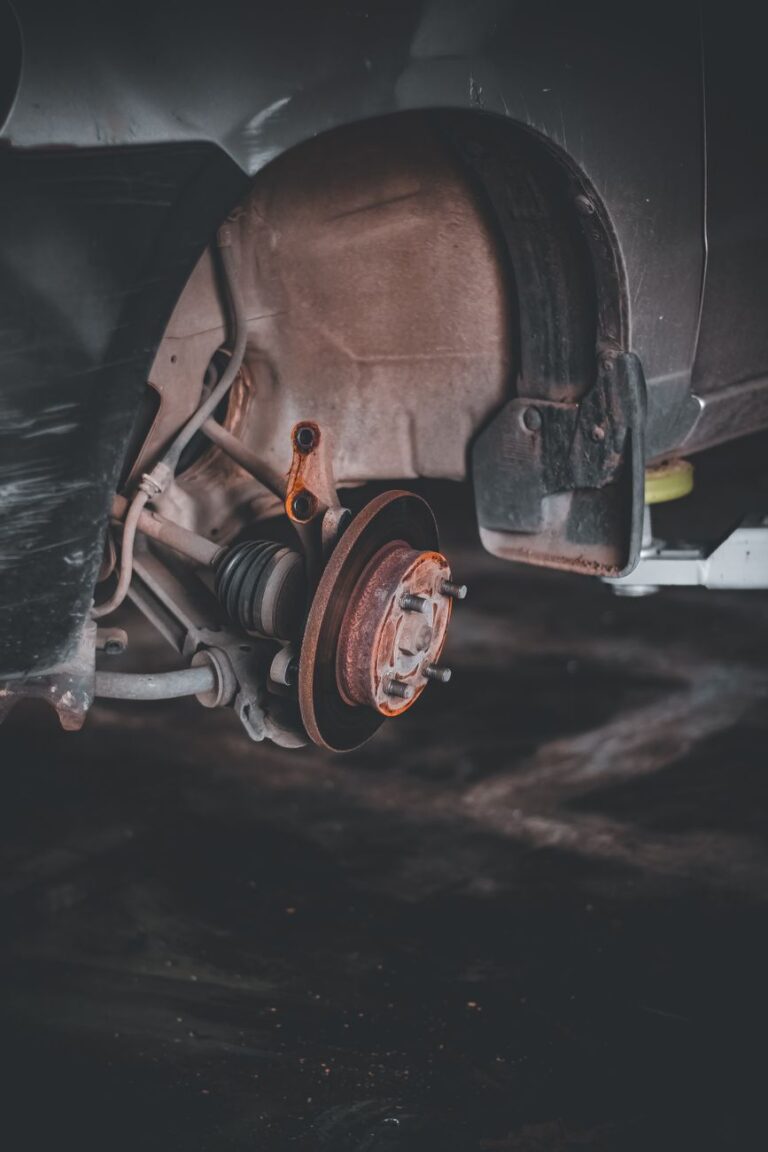
- Improper wheel bolt torque or dirty hub faces: If the disc doesn’t sit perfectly flat against the hub, it can run out (wobble) and develop DTV quickly. This is a frequent root cause after tyre/brake work.
- Low-quality parts or pad/disc mismatch: Cheaper discs may have inconsistent metallurgy; aggressive pads on standard discs can accelerate deposits.
- Driving profile + vehicle mass: Heavier models like Audi Q5/Q7, A6/A7, and performance trims generate more heat, especially on short trips.
3. Symptoms
If your Audi (or BMW, Mercedes, VW, Skoda, SEAT, or JLR product) has brake disc judder, you may notice:
- Steering wheel shake when braking (usually front discs)
- Brake pedal pulsation that matches vehicle speed
- Vibration through the seat or cabin (often rear discs)
- Inconsistent braking feel: grabs, releases, or feels “lumpy”
- Squealing or grinding if pads are glazed or discs are heat-checked
- Brake dust increase if pads are overheating or dragging
Symptoms are often most obvious during medium braking from 80–120 km/h rather than gentle city stops.
4. How to diagnose
You can do some checks at home, but proper diagnosis is worth doing before buying parts.
Visual and driving checks (owner-friendly)
- Test on a smooth road: Brake from ~100 km/h down to ~50 km/h with light-to-medium pressure. Note whether vibration increases as speed drops.
- Check for blue spots or cracks: Through the wheel spokes, look for discoloration (blue/purple) or heat-checking lines on the disc.
- Listen for dragging: After a short drive without heavy braking, stop and carefully feel near each wheel for unusual heat (don’t touch the disc). One wheel much hotter suggests a sticking caliper.
Workshop-level measurements (recommended)
A good workshop will:
- Measure disc runout with a dial gauge and compare to Audi/VW Group specifications.
- Measure disc thickness variation with a micrometer at multiple points.
- Inspect hub faces for corrosion or debris that can cause runout.
- Scan the car for brake-related faults using the right platform tool:
- VW Group: ODIS for ABS/ESC issues, electronic parking brake faults, or brake pressure sensor data.
- BMW: ISTA if the complaint relates to DSC interventions or pad wear sensor anomalies.
- Mercedes: Xentry to check ESP data or SBC-related history (where applicable).
- JLR: Pathfinder/SDD for EPB faults or stability control events that can mimic brake vibration.
If the vibration happens only during light braking and disappears under hard braking, deposits/DTV are more likely than true mechanical runout.
5. How to fix
The correct fix depends on the root cause and how severe the judder is.
Option A: Re-bedding (works only for mild cases)
If the discs and pads are in good shape and thickness is within spec, a controlled bedding procedure can even out transfer layers:
- Perform several moderate stops from 90–30 km/h without coming to a complete halt.
- Then do a few stronger stops, again avoiding a full stop.
- Drive for 10–15 minutes to cool the brakes with minimal braking.
This can reduce deposits, but it won’t fix significant runout or cracked/overheated discs.
Option B: Replace discs and pads (most common)
For many owners, replacing the front discs and pads is the most predictable solution. Use quality parts (OEM or reputable aftermarket) and ensure:
- Hub faces are cleaned to bare metal
- Wheel bolts are torqued correctly with a torque wrench (not hammered on with an impact gun)
- Caliper sliders and hardware are serviced or replaced if corroded
- Brake fluid condition is checked (old fluid can boil sooner, worsening fade and heat issues)
On Audi/VW Group cars with DSG gearboxes, drivers sometimes “creep” in traffic using the brakes—this keeps pads lightly applied and adds heat. Adjusting driving style and ensuring the brakes release fully helps.
Option C: Address underlying hardware faults
If one wheel runs hotter or the pads wear unevenly, you may need:
- Caliper rebuild or replacement
- New slider pins and rubber boots
- Flexible brake hose replacement (internal collapse can hold pressure)
- Electronic parking brake service (common on rear issues)
6. Repair costs
Costs vary heavily by model, brake size, and whether you choose OEM parts.
Typical EU/UK market ranges (parts + labour):
- Front discs + pads (standard Audi A3/A4/VW Golf-size): €300–€650
- Front discs + pads (larger A6/Q5/S-line style): €450–€900
- Performance models (S/RS, large multi-piston setups): €900–€2,000+
- Rear discs + pads: €250–€600 (more if electronic parking brake service is needed)
- Caliper replacement (one corner): €250–€700 including fluid bleed
- Brake fluid flush: €60–€150
If the root cause is installation-related (dirty hub face, incorrect torque), the “fix” may still require new discs/pads because DTV develops quickly once the surface is compromised.
7. Prevention tips
A few habits and maintenance details prevent most “warped disc” complaints:
- Avoid holding the car still with hot brakes: After a heavy stop, roll slightly or use neutral/park where safe, and avoid clamping the pedal hard for long periods.
- Use engine braking on long descents: Especially in heavier quattro SUVs. Downshift or use sport/manual mode rather than riding the brakes.
- Bed in new pads and discs properly: Follow the pad manufacturer’s instructions.
- Torque wheel bolts correctly: Always use a torque wrench and tighten in a star pattern.
- Clean hub faces during brake work: Rust and debris create runout.
- Fix dragging brakes early: If one wheel is hotter, don’t wait—heat damage spreads to discs, pads, and wheel bearings.
- Choose parts that match your driving: If you drive fast or carry heavy loads, consider higher-temperature pads and quality coated discs.
8. When to see a mechanic
Book a professional inspection if:
- Vibration is strong enough to affect steering control
- You feel pulsation even under gentle braking at low speeds
- There’s a burning smell, smoke, or one wheel is noticeably hotter
- The car pulls to one side during braking
- ABS/ESC warnings appear (scan with ODIS/ISTA/Xentry/Pathfinder/SDD as appropriate)
Brake judder isn’t just annoying—if it’s caused by a sticking caliper or damaged disc, stopping distances and stability can suffer.
9. Frequently Asked Questions
Frequently Asked Questions
Is “warped brake discs” on an Audi always a real warp?
Usually not. Most cases are disc thickness variation or uneven pad material deposits that mimic warping. True physical disc deformation is less common than people think.
Can I keep driving if my steering wheel shakes when braking?
You can often drive short distances, but it’s not advisable for long. The vibration can indicate overheating, a dragging caliper, or a disc/pad surface issue that may worsen quickly. Have it inspected soon, especially before motorway travel.
Will machining (skimming) the discs fix the problem?
Sometimes, but only if the discs have enough remaining thickness and the underlying cause is corrected. Many modern Audi/VW discs are close to minimum thickness, and skimming may not be cost-effective versus replacement. If hub runout or caliper drag remains, judder will return.
What’s the most common reason the issue comes back after new discs and pads?
Poor installation practices are the top culprit: dirt or corrosion on the hub, incorrect wheel bolt torque, or failing to service sticky caliper sliders. Cheap pads/discs or skipping bedding-in can also recreate deposits quickly.
Do electronic systems like ABS/ESC cause brake judder?
ABS activation can feel like pulsation, but it typically happens only during hard braking on low grip. Persistent judder on dry roads is more likely mechanical (DTV/runout) rather than a control-system fault. A scan with ODIS (or the relevant platform tool) can confirm whether there are stored braking or stability faults.