1. Introduction
Brake pads rarely wear perfectly evenly. On many European cars—especially BMW, Mercedes, Audi, VW Group, and JLR models—how your pads wear can reveal a lot about the health of the braking system, driving conditions, and even maintenance quality. Understanding brake pad wear patterns is useful for everyday owners because it helps you catch developing issues early, avoid expensive rotor and caliper damage, and keep stopping distances consistent.
Recommended Tool: Professional OBD2 Scanner
Recommended Tool: Premium Brake Pads
Recommended Tool: Cooling System Diagnostic Tools
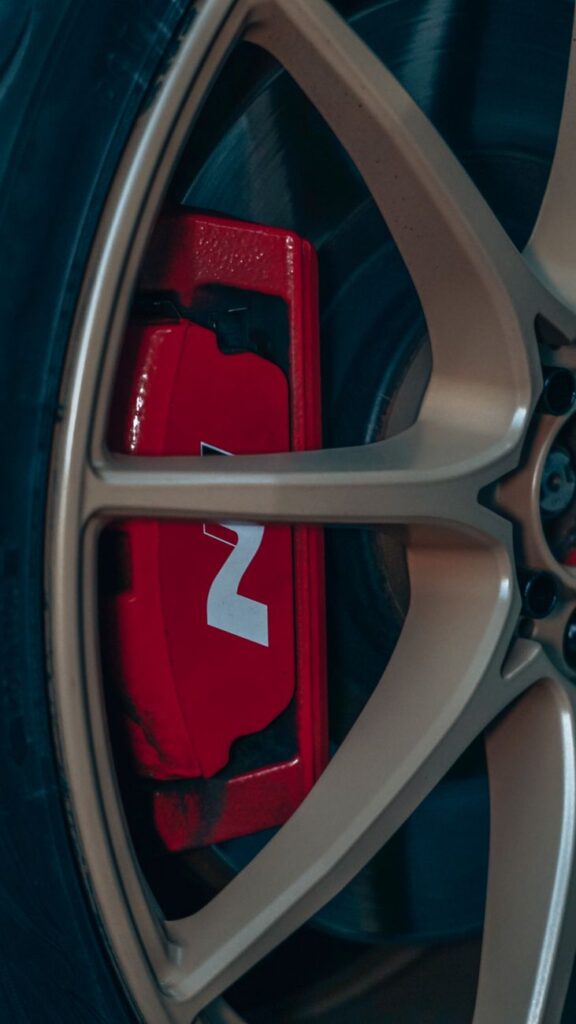
This guide focuses on common brake pad wear patterns and their real-world causes, with practical steps to diagnose and fix them. While the basics apply to most modern vehicles, examples and checks will feel familiar if you own a BMW with an N20 and ZF 8HP, a Mercedes with an OM651, an Audi/VW with DSG, or a JLR product where SDD/Pathfinder is often used for service functions.
🔧 Recommended Professional Tool
BMW N20 Diagnostic & Timing ToolsProfessional tools for BMW N20 engine service
✔ Recommended by automotive technicians ✔ Suitable for BMW, Mercedes, VAG & JLR platforms ✔ Fast international shipping
2. Causes
Brake pad wear patterns usually come from one of four areas: hardware (calipers/sliders), friction surfaces (rotors/pads), hydraulics, or driver/environment factors.
Uneven inner vs outer pad wear
Common causes:
- Sticking caliper slide pins (floating calipers) due to dry/contaminated grease or torn pin boots
- Seized caliper piston (corrosion, heat damage, old fluid)
- Pad binding in the carrier (rust buildup on pad “ears,” bent shims, incorrect pad fit)
Tapered wear (pad thicker on one end)
Common causes:
- Caliper misalignment or worn hardware letting the pad contact at an angle
- Slider pin wear (one pin moves more freely than the other)
- Rotor runout or hub face corrosion creating an uneven sweep
Glazed pads / shiny hardened surface
Common causes:
- Excessive heat from repeated heavy braking (mountain descents, towing) or dragging brakes
- Light, frequent braking that never properly beds pads in
- Wrong pad compound for usage (e.g., low-dust pads used aggressively)
Crumbling, cracked, or chunking pads
Common causes:
- Overheating and thermal shock
- Contaminated friction material (oil/grease from leaking hub seals or careless assembly)
- Low-quality pads or incorrect fitment
One wheel wearing faster than the others
Common causes:
- Sticking caliper at that corner
- Collapsed brake hose acting like a one-way valve
- Electronic parking brake (EPB) issue (common on many VW Group and JLR rears; can require ODIS/Pathfinder service mode)
3. Symptoms
Owners usually notice the effects before they see the pads.
- Car pulls left/right under braking
- Steering wheel vibration (often blamed on “warped rotors,” but can start with uneven pad deposits)
- Squealing or grinding that changes with brake pressure
- Burning smell after a short drive (possible dragging caliper)
- One wheel noticeably hotter than the others
- Brake dust imbalance (one wheel much dirtier)
- Brake warning messages or pad wear sensor alerts (BMW CBS, Mercedes ASSYST, VW/Audi service indicators)
4. How to diagnose
You can do several checks at home, then confirm with a workshop inspection if needed.
Step 1: Visual inspection (wheels on or off)
- Look through the wheel spokes with a torch:
- Compare inner vs outer pad thickness (inner is harder to see without removing the wheel).
- Check rotor face for deep grooves, heavy lip, blue heat spots, or patchy deposits.
Step 2: Temperature comparison after a short drive
After 10–15 minutes of normal driving (no hard stops), carefully check wheel temperature:
- A single hot wheel can indicate a dragging pad, sticky slider, or piston issue.
- Use an infrared thermometer if you have one; it’s safer and more accurate.
Step 3: Jack-up spin test
With the car safely lifted:
- Spin each wheel by hand (parking brake off).
- A wheel that doesn’t rotate freely compared with the others suggests drag.
Step 4: Check slider pins and pad movement
If you remove the caliper:
- Slider pins should move smoothly and evenly.
- Pads should slide in the carrier without force. Rust “jacking” on the carrier lands is a common cause of binding.
Step 5: Use platform diagnostics when relevant
Modern European cars can mask or complicate brake issues:
- BMW ISTA can show DSC fault codes, brake fluid service history, and in some cases help with brake bleeding procedures.
- Mercedes Xentry can check ABS/ESP faults and assist with guided tests.
- VAG ODIS is useful for EPB service position, basic settings, and ABS module bleed routines.
- JLR SDD/Pathfinder can retract/calibrate EPB motors and check related DTCs.
If rear pads are wearing strangely on an EPB-equipped car, don’t force the piston back without putting the EPB in service mode where required.
5. How to fix
The right repair depends on the wear pattern and the root cause.
If inner pad is much thinner than outer
- Clean and lubricate slider pins with correct high-temp brake grease.
- Replace torn pin boots.
- If the piston is stiff or seized: rebuild or replace the caliper.
- Replace pads, and often rotors if worn or heat-damaged.
If pads are tapered
- Replace slider pins/hardware kit and ensure the caliper carrier is clean and true.
- Check hub face for corrosion; clean and measure rotor runout if vibration is present.
- Replace pads and rotors if there is uneven transfer layer or thickness variation.
If pads are glazed
- If glazing is mild, some workshops deglaze pads/rotors, but results vary.
- Better long-term fix: replace pads and possibly rotors, then bed-in correctly (a few controlled medium stops, then cooldown, per pad manufacturer guidance).
If one wheel wears much faster
- Inspect for a sticking caliper or a brake hose restriction.
- Replace the hose if it’s internally collapsed (common on older vehicles).
- On EPB systems, verify motor operation and calibrations using ODIS/Pathfinder/SDD as applicable.
If friction material is contaminated or crumbling
- Replace pads immediately.
- Fix leaks (axle seal, caliper, or grease contamination).
- Inspect rotors for heat cracks; replace if any cracking is visible.
6. Repair costs
Costs vary by brand, axle, and whether you use OEM, OE supplier (ATE, Textar, Pagid, Jurid), or aftermarket.
Typical European-market ranges (parts + labor):
- Front pads only: €180–€350
- Front pads + rotors: €350–€750
- Rear pads only (non-EPB): €160–€320
- Rear pads + rotors (EPB common): €350–€800
- Caliper slider service (clean/lube) add-on: €40–€120
- Replace one brake caliper: €250–€650 (more on performance models)
- Replace one flexible brake hose: €120–€250
- Brake fluid flush (recommended if issues suggest corrosion): €80–€160
Premium and performance models (e.g., larger Audi S/RS brakes, AMG packages, BMW M Sport) can exceed these ranges, especially for rotors and electronic wear sensors.
7. Prevention tips
A few habits and simple maintenance choices help pads wear evenly and last longer:
- Brake fluid every 2 years (reduces internal corrosion in calipers/ABS components).
- Use quality pads and rotors from reputable brands, matched to your driving style.
- Ask for carrier cleaning and hardware replacement during pad changes (anti-rattle clips, shims where applicable).
- Avoid resting your foot lightly on the brake pedal; it can cause constant pad contact.
- After heavy braking (motorway exit, mountain descent), allow a short cooldown before parking to reduce heat soak.
- If your car has EPB, ensure the workshop uses the correct service mode procedure (ODIS/SDD/Pathfinder where required).
8. When to see a mechanic
Book a professional inspection if any of the following applies:
- The car pulls under braking or you feel unstable stopping behavior
- You smell burning after normal driving or a wheel is consistently hotter
- You hear grinding (possible pad worn to backing plate)
- You have repeated warped/vibration complaints soon after brake service
- Your vehicle requires diagnostic steps (EPB calibration, ABS bleed) best done with ISTA, Xentry, ODIS, or SDD/Pathfinder
- You suspect a seized caliper or hydraulic issue—these are safety-critical repairs
9. Frequently Asked Questions
Frequently Asked Questions
Is uneven brake pad wear always a stuck caliper?
Not always, but it’s one of the most common causes. Pad binding in the carrier, worn slider hardware, or rotor runout can create similar patterns. A proper inspection compares inner/outer pads and checks slider and piston movement.
Why do my rear pads wear faster than the fronts on some European cars?
Many modern cars use stability control strategies that apply the rear brakes subtly for balance, and EPB designs can add complexity. Urban stop-start driving can accelerate rear wear. If the wear is extreme on one side, suspect an EPB or caliper issue.
Can I replace pads without replacing rotors if the wear is uneven?
Sometimes, but it depends on rotor condition. If the rotor has deep grooves, heat spots, cracking, or uneven deposits, new pads may bed in poorly and wear quickly. Many workshops recommend pads and rotors together when wear patterns indicate an underlying surface problem.
What does a glazed brake pad feel like?
Glazed pads often feel less responsive, requiring more pedal effort for the same stopping power. They can also squeal and contribute to vibration due to uneven friction. The fix is usually replacing pads and ensuring the rotors have a clean, consistent surface.
Do diagnostic tools really help with brake wear issues?
Yes, especially on cars with EPB and advanced ABS/ESC systems. Tools like ISTA, Xentry, ODIS, or SDD/Pathfinder can retract EPB motors, run guided bleeding, and read fault codes that point to actuator or sensor problems. They won’t replace a physical inspection, but they can prevent mistakes and speed up diagnosis.