1. Introduction
Rear brake discs (rotors) on the Range Rover Evoque are a routine wear item, but replacing them isn’t always as straightforward as it sounds—especially on models fitted with an electronic parking brake (EPB). For everyday owners, the key is understanding why rear discs wear the way they do, how to spot problems early, and what a proper replacement involves so you don’t pay twice.
Recommended Tool: Professional OBD2 Scanner
Recommended Tool: Premium Brake Pads
Recommended Tool: Cooling System Diagnostic Tools
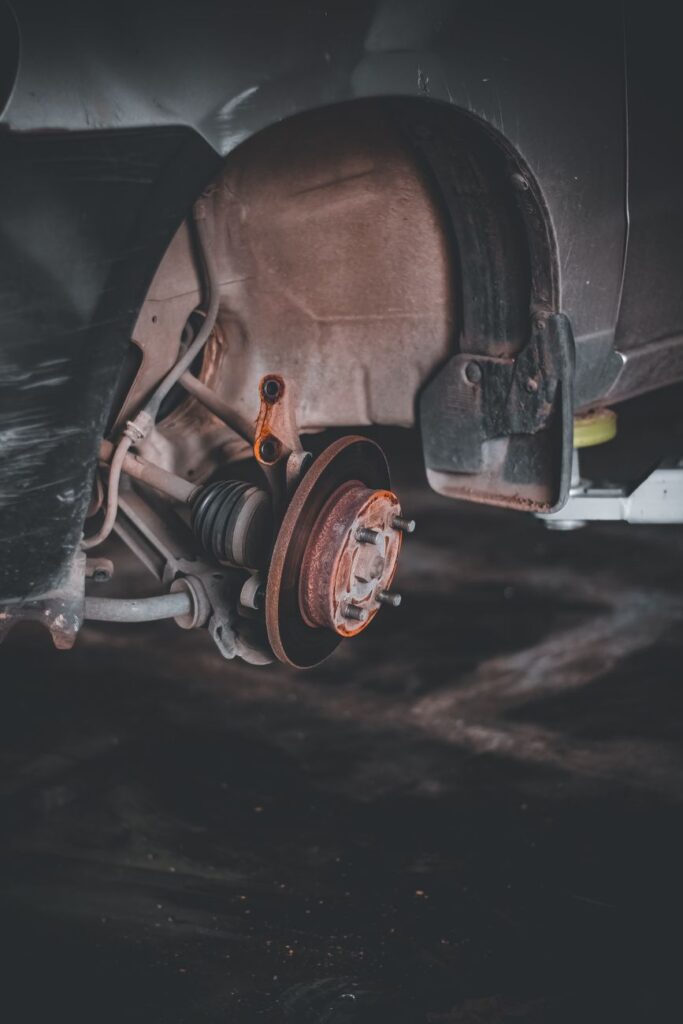
This guide focuses on practical, real-world advice for Evoque owners, while also being relevant to other European brands (BMW, Mercedes, Audi/VW Group, JLR) that use similar EPB systems and stability-control logic. Even if your Evoque has been reliable, rear brakes can become a surprise cost because they’re often out of sight, and because modern traction and stability systems can increase rear brake usage.
🔧 Recommended Professional Tool
Cooling System Diagnostic ToolsProfessional coolant tester and infrared thermometer for accurate overheating diagnosis.
✔ Recommended by automotive technicians ✔ Suitable for BMW, Mercedes, VAG & JLR platforms ✔ Fast international shipping
2. Causes
Rear brake discs wear or fail early for a handful of common reasons:
- Normal wear with modern brake bias: Many vehicles, including JLR products, use the rear brakes more than older cars did (for stability control and refined braking feel).
- Electronic Parking Brake (EPB) habits: Frequent EPB use, or using it to “hold” the car at lights, can increase heat and wear on rear pads/discs.
- Sticking rear caliper slide pins: Corrosion or dried grease can stop the caliper from moving freely, causing one pad to drag on the disc.
- Seized piston or torn dust boot: Moisture ingress can lead to corrosion, overheating, and uneven pad wear.
- Disc corrosion and pitting: Common on cars driven short distances or parked outdoors; rear discs often suffer more because they run cooler and self-clean less.
- Incorrect previous brake job: Missing pad shims, wrong pad type, poor cleaning of hub faces, or improper torque can cause vibration and uneven wear.
- Wheel bearing/hub face issues: Rust build-up on the hub can prevent the new disc sitting perfectly flat, leading to runout and pulsation.
3. Symptoms
Rear brake disc issues can show up subtly at first. Typical signs include:
- Grinding, scraping, or a rough braking sound from the rear
- Vibration or pulsing felt through the pedal (less common from rears, but possible if discs are warped or have heavy runout)
- Longer stopping distances or inconsistent braking feel
- Burning smell or excessive heat from one rear wheel after a drive
- Car pulling slightly when braking (can happen if one rear caliper drags)
- Parking brake warnings or an EPB that sounds strained
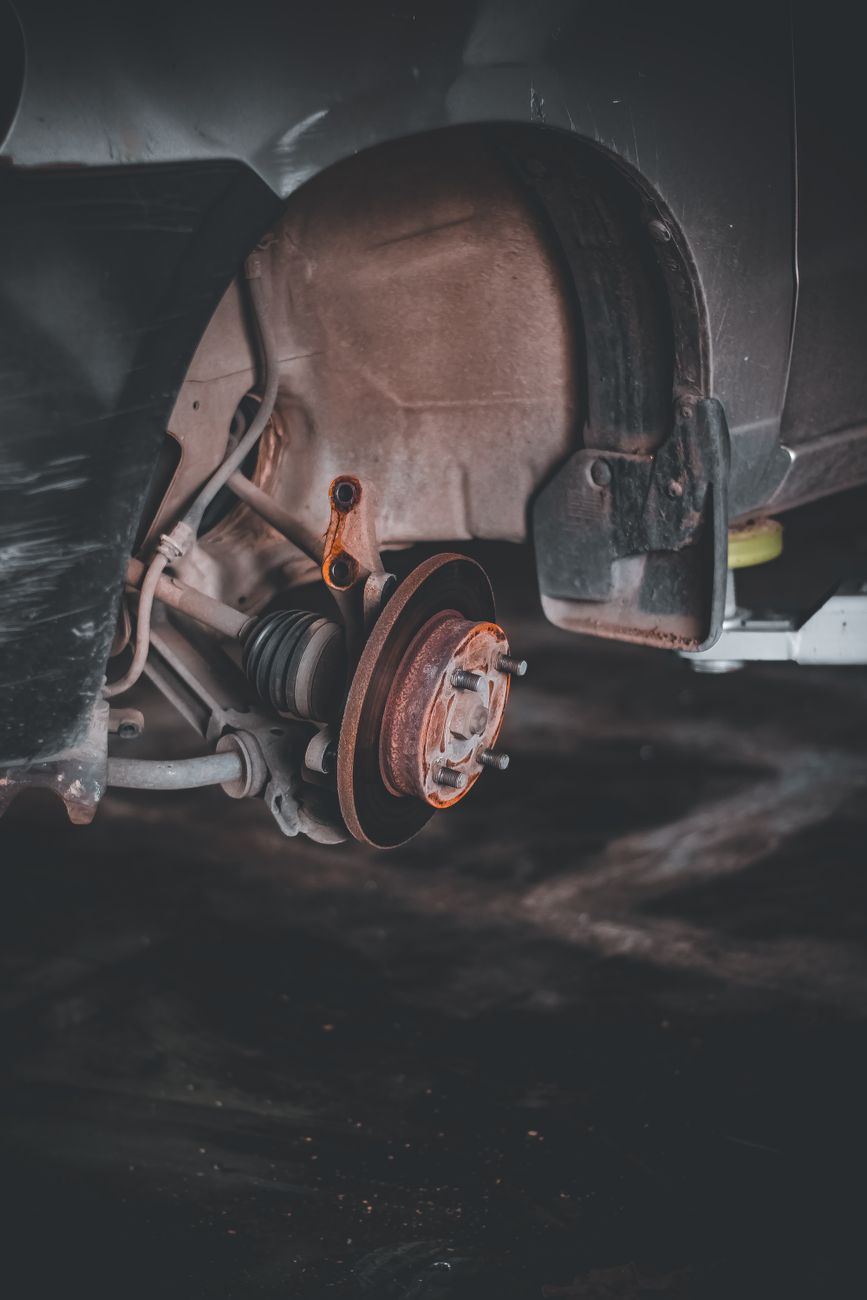
- Visible lip on the disc edge, heavy rust, or deep grooves through the wheel spokes
If you notice one rear wheel producing far more brake dust than the other, that’s often a clue the caliper is not releasing properly.
4. How to diagnose
You can do a lot of useful diagnosis at home before deciding whether to DIY or book it in.
Visual and basic checks (driveway level)
- Look at both rear discs through the wheel spokes:
- Heavy rust patches that don’t clear after a few drives
- Deep scoring/grooves
- Cracks (rare, but serious)
- Significant outer lip
- Check pad thickness if visible. Uneven thickness left-to-right usually points to a sticking caliper.
- After a short drive with minimal braking, carefully feel for heat near each rear wheel (do not touch the disc). One wheel noticeably hotter can indicate dragging.
Measurement (best practice)
- Disc thickness: Compare measured thickness to the minimum spec for your exact Evoque model/year (spec varies by brake package).
- Runout check (dial gauge): If you have braking vibration, a runout measurement helps determine whether the disc or the hub face is the culprit.
Diagnostic tools and scan checks
On JLR vehicles, a scan tool capable of EPB service functions is important. Depending on model year, workshops may use Pathfinder (newer JLR diagnostics) or SDD (older JLR systems) to:
- Put the EPB into service mode
- Check for stored EPB or ABS/DSC faults
- Perform calibration or confirm actuator operation if the EPB behaves abnormally
For context, BMW owners often rely on ISTA, Mercedes on Xentry, and VW/Audi on ODIS for comparable parking-brake service routines and brake system checks.
5. How to fix
Rear brake disc replacement is usually done as a complete rear axle service: discs and pads together. Mixing new discs with old pads is a common cause of noise, poor bite, and uneven bedding-in.
What a correct workshop-style replacement includes
- Confirm parts match the brake system (disc diameter/thickness, vented vs solid, pad shape, EPB compatibility).
- EPB service mode using an appropriate diagnostic tool (Pathfinder/SDD-level function).
- Remove caliper and carrier, then remove the disc.
- Clean the hub face thoroughly (rust here is a major cause of disc runout and vibration).
- Inspect and lubricate slide pins with the correct high-temperature brake grease; replace boots if torn.
- Check piston movement and dust boots. If the piston is stiff or the boot damaged, budget for caliper repair/replacement.
- Fit new discs and pads; torque fasteners to spec (over- or under-torque can cause issues).
- Re-engage EPB and test operation; clear and recheck any faults.
- Bed-in the brakes with a series of controlled stops to transfer an even layer of pad material to the disc surface.
Common “while you’re in there” items
- Pad wear sensor (if fitted and triggered)
- Anti-rattle clips/shims (cheap, but can prevent noise)
- Brake fluid check (if fluid is old, a flush improves pedal feel and protects ABS/DSC components)
If one side wore much faster than the other, don’t just replace discs and pads—insist on addressing the underlying cause (usually slide pins, piston condition, or EPB actuator behavior).
6. Repair costs
Costs vary by country, parts brand, and whether you’re using main dealer, specialist, or independent garage. Typical European ranges:
- Rear discs + pads (aftermarket quality parts): €180–€350
- Rear discs + pads (OEM or premium brands): €300–€550
- Labour (1.5–2.5 hours typical): €150–€400
- Total typical rear brake disc replacement: €330–€850
Possible add-ons if issues are found:
- Rear caliper service/rebuild: €80–€180 per side (labour/kit varies)
- Rear caliper replacement: €250–€600 per side (plus fitting)
- Brake fluid flush: €60–€140
- Diagnostic/EPB service function charge: €30–€90 (often included in labour, sometimes itemised)
If you’re quoted at the high end, ask whether it includes EPB servicing, hub cleaning, new hardware, and a post-repair test drive.
7. Prevention tips
Rear brakes last longer when they’re used and maintained correctly:
- Do occasional firm stops (safely and legally) to help keep rear discs clean and reduce corrosion glazing.
- Avoid holding the car on the EPB at every short stop if your driving style allows; use the foot brake at lights.
- Wash wheels and brakes in winter to remove road salt, especially if you park outdoors.
- Service slide pins during brake jobs; sticky pins are a top cause of uneven wear.
- Use matched pads and discs from reputable brands; cheap pads can be noisy and abrasive, while cheap discs can corrode quickly.
- Don’t ignore minor noises—early attention can prevent caliper damage and overheating.
8. When to see a mechanic
Book a professional inspection if:
- You have grinding noises (may already be metal-to-metal)
- One rear wheel is significantly hotter than the other after normal driving
- The car shows EPB/ABS/DSC warnings
- Braking feels unstable, pulsating, or unpredictable
- You suspect a sticking caliper or you see uneven pad wear
- You don’t have access to a proper EPB service function tool (Pathfinder/SDD equivalent)
A competent independent specialist with the right diagnostics can often do this job to dealer standard at lower cost, but EPB handling and correct torque/cleaning practices are non-negotiable.
9. Frequently Asked Questions
Frequently Asked Questions
Do I need to replace rear pads when I replace rear brake discs on an Evoque?
Yes, it’s strongly recommended to replace pads and discs together so the new disc surface beds in evenly. Old pads can be glazed or uneven and may cause noise, vibration, or reduced braking performance. It also reduces the chance of comebacks and saves labour long term.
Can I replace rear brake discs without putting the EPB into service mode?
On many Evoque variants with an electronic parking brake, you should use the correct service mode to avoid stressing the actuator and to ensure proper retraction. Some vehicles allow mechanical retraction, but it’s model-dependent and risky without the right procedure. A workshop using Pathfinder or SDD-level functions can do this cleanly and confirm there are no stored faults.
Why do my rear discs rust so quickly even though the pads are fine?
Rear brakes often run cooler and do less “self-cleaning,” especially if you do short trips or gentle driving. Surface rust is normal after rain, but pitting and heavy corrosion can build up if the brakes aren’t used firmly from time to time. If rust is severe on one side only, suspect a sticking caliper or slide pins.
What causes vibration after fitting new rear discs?
The most common cause is disc runout from rust or dirt on the hub face, or incorrect wheel/fastener torque. Less commonly, a poor-quality disc or uneven pad bedding-in can create a friction variation that feels like a pulse. A runout check and proper hub cleaning usually prevent this.
How long should rear brake discs last on a Range Rover Evoque?
Many owners see rear discs last roughly 40,000–80,000 km, but it varies widely with driving style, environment, and pad compound. City driving, winter salt, and frequent EPB use can shorten life. Uneven wear suggests a mechanical issue rather than normal wear.