1. Introduction
Premature front brake disc wear on the BMW X1 F48 sDrive18i is a surprisingly common complaint among everyday owners across Europe. Many drivers expect discs to last well over 50,000–80,000 km in mixed use, yet some X1s begin to develop disc lips, vibration, or even scoring far earlier. This can be frustrating because the car is not particularly heavy, and the sDrive18i’s typical petrol engine options (often B38 1.5 three‑cylinder in many EU markets, and in some markets B48 2.0 four‑cylinder) are not inherently hard on brakes.
Recommended Tool: Professional OBD2 Scanner
Recommended Tool: Premium Brake Pads
Recommended Tool: Cooling System Diagnostic Tools
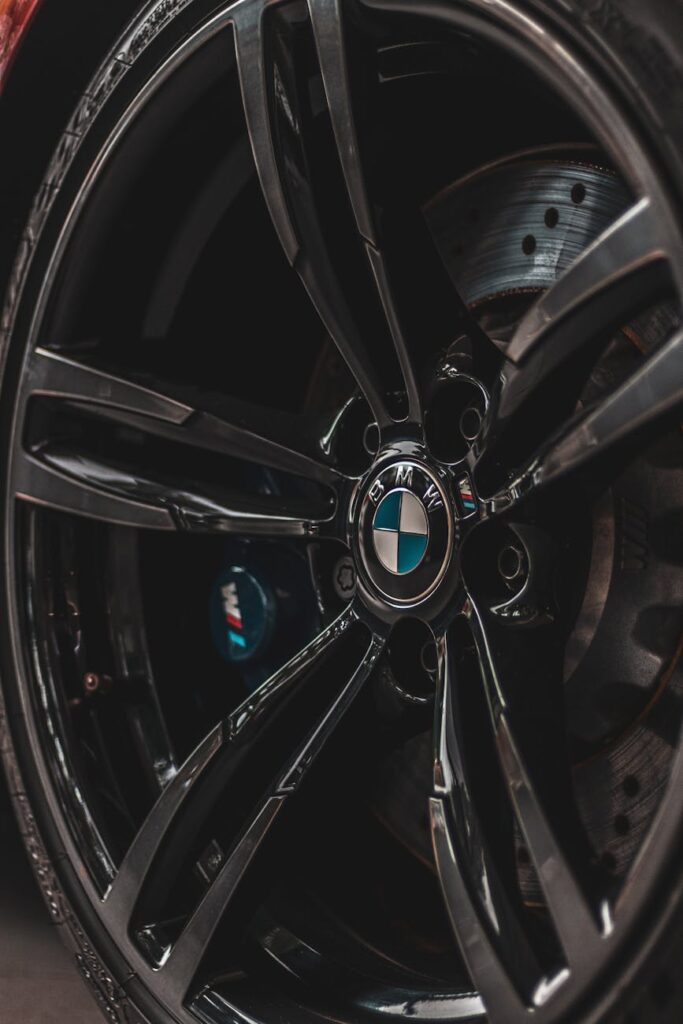
The reality is that modern braking systems are a balancing act between safety, refinement, efficiency and cost. The X1 F48’s front brakes can wear quickly when a few technical and usage factors overlap—especially in urban driving, in wet/salty climates, or when the braking system isn’t bedding in correctly after pad/disc replacement. Understanding why it happens helps you avoid repeat repairs and makes conversations with a workshop more productive.
🔧 Recommended Professional Tool
BMW B48 Diagnostic ToolsRecommended tools for B48 engine diagnostics
✔ Recommended by automotive technicians ✔ Suitable for BMW, Mercedes, VAG & JLR platforms ✔ Fast international shipping
2. Causes
Brake system design and friction material choices
BMW often specifies pad compounds that deliver strong initial bite and quiet operation. Some original‑equipment (OE) pad formulations are relatively abrasive to ensure predictable braking across temperature ranges, which can accelerate disc wear compared with harder aftermarket “long-life” pads.
Urban driving and light braking habits
Short journeys, frequent low-speed stops, and gentle braking can paradoxically increase wear:
- Discs don’t heat evenly, encouraging uneven pad deposits (a common cause of “warped disc” sensations)
- Moisture doesn’t burn off, encouraging surface corrosion that pads then grind away
Corrosion and environmental exposure
In many European regions, winter road salt and damp conditions lead to rapid surface rust. If the car sits for several days, a rust layer forms and the first few brake applications can abrade the disc face. Over time, this contributes to thinning and roughness.
Sticking caliper slide pins or pad carriers
A very typical “premature wear” root cause is not the disc itself but poor caliper movement:
- Dry or corroded slide pins prevent the caliper from releasing fully
- Rusted pad carrier abutments cause pads to bind and drag This can happen even on relatively new cars, especially if previous brake work was rushed.
Wheel and tyre choices (and vehicle spec)
Heavier wheel/tyre setups (e.g., larger diameter wheels with heavier tyres) can increase braking load. Some trims also come with different front brake sizes; mixing pads/discs incorrectly after prior repairs can lead to poor contact and accelerated wear.
Incorrect bedding-in after replacement
New pads and discs need a controlled bedding-in process to transfer an even friction layer. Hard stops from cold, or constant light braking, can create patchy deposits that feel like disc warp and lead to hotspots and uneven wear.
3. Symptoms
Watch for these common signs that front discs are wearing earlier than expected:
- Steering wheel vibration or pulsing during braking, especially from 80–120 km/h
- A scraping or grinding noise, often worse at low speeds
- Visible disc lip (a ridge at the outer edge) sooner than expected
- Uneven pad wear left-to-right, or inner pad worn more than the outer
- Car pulling slightly under braking
- Burning smell after a short drive (possible dragging pad)
- Brake dust increasing noticeably on the front wheels
If you have a brake wear warning on the dash, remember it’s triggered by a sensor in one pad, not by disc thickness. Discs can be near minimum thickness even if the warning hasn’t appeared yet.
4. How to diagnose
Visual and physical checks (basic but valuable)
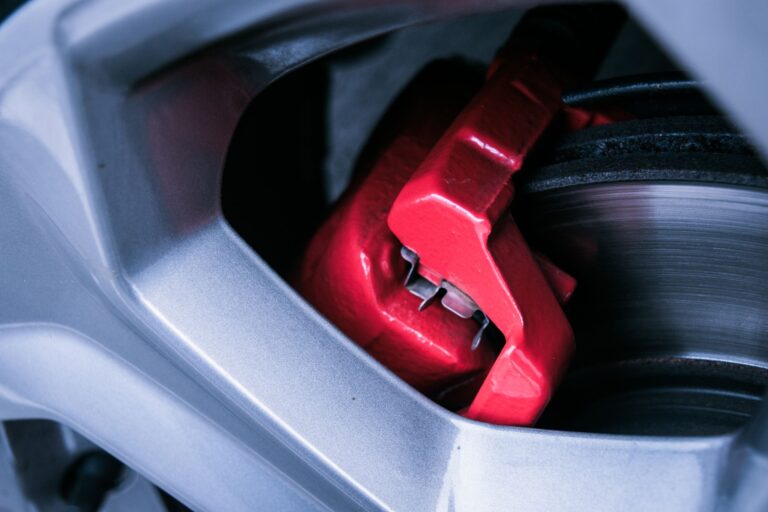
With the wheel off (or through the wheel spokes if visibility allows), look for:
- Scoring, blue heat spots, or cracks on the disc surface
- A heavy outer lip
- Uneven pad thickness (inner vs outer)
- Torn caliper dust boots or wetness around the caliper (possible piston issues)
Measure disc thickness and runout
A workshop should measure:
- Disc thickness with a micrometer at multiple points
- Disc runout with a dial gauge (to confirm if vibration is from runout or pad deposits)
BMW specifies minimum disc thickness values depending on brake option; these should be checked against the exact part number fitted.
Check caliper operation
A common diagnostic step is ensuring the caliper slides freely:
- Remove pads and confirm they move smoothly in the carrier
- Inspect and lubricate slide pins with correct high-temp brake grease
- Clean rust from pad carrier abutments
Consider electronic checks (when relevant)
Most front brake issues are mechanical, but diagnostics can help rule out related problems:
- Use ISTA to check DSC/ABS fault memory and brake pressure plausibility
- Confirm brake pad wear sensor status and mileage history If the car has driver assistance features that use brake interventions (e.g., stability control events), ISTA can reveal related logged faults, though these rarely cause disc wear by themselves.
5. How to fix
Replace discs and pads as a matched set
If discs are below spec, heavily lipped, or uneven, replacing pads alone is false economy. Fit quality discs and pads designed to work together. For everyday road use, many owners prefer reputable OEM-equivalent brands that balance disc life with good cold performance and low noise.
Service the calipers and carriers properly
A “brake job” should include:
- Cleaning pad carrier contact points to bare metal
- Replacing or cleaning pad shims/clips where applicable
- Lubricating slide pins correctly (and replacing boots if damaged)
- Ensuring pads fit freely without forcing
Address corrosion and sticking components
If a piston is sticking, a rebuild or caliper replacement may be needed. A partially seized caliper can destroy a new disc quickly, so it’s worth fixing the root cause before fitting new parts.
Bed in the brakes correctly
After replacement:
- Perform a series of moderate stops from ~60–20 km/h with cooling time between
- Avoid holding the brake pedal hard when stopped immediately after heavy braking
- Avoid aggressive braking for the first 200–300 km unless necessary for safety
6. Repair costs
Costs vary widely across Europe, but realistic ranges (parts + labour) for a BMW X1 F48 sDrive18i are:
- Front discs + pads (OEM-equivalent): €350–€650
- Front discs + pads (BMW OE parts): €500–€900
- Brake fluid change (recommended if overdue): €80–€140
- Caliper slide pin service/clean-up (add-on): €40–€120
- Replace one front caliper (if seized): €250–€500 per side fitted (remanufactured) or €450–€800 (new)
Main dealer pricing can be higher, especially with OE parts and fixed labour times. Independent BMW specialists often offer better value and will be more willing to clean and service carriers rather than simply replace parts.
7. Prevention tips
- Drive it dry: After washing the car or driving through deep water, do a few gentle brake applications to dry the discs.
- Avoid constant feathering: Light continuous braking builds uneven deposits. Use firmer, shorter braking when safe.
- Don’t ignore vibration: Early intervention (cleaning carriers, re-bedding pads) can prevent disc damage.
- Choose parts wisely: If you do lots of city driving, consider pad compounds known for lower disc wear (while keeping good cold bite).
- Service quality matters: Ensure the workshop cleans and lubricates caliper hardware properly, not just swaps parts.
- Winter care: Regularly wash wheels and brakes in winter to reduce salt buildup (avoiding hot brakes).
8. When to see a mechanic
Book an inspection promptly if you notice pulsing under braking, pulling to one side, grinding noises, or a burning smell. Also see a professional if one front wheel produces far more brake dust than the other—this can indicate a dragging caliper. If you’re unsure whether the vibration is disc runout, pad deposits, or suspension wear, a specialist can measure runout and check front control arm bushes and wheel bearings to avoid replacing brakes unnecessarily.
9. Frequently Asked Questions
Frequently Asked Questions
Why do my front discs wear faster than the rear on the X1 F48?
Front brakes do most of the work because weight transfers forward under braking. In city driving, the front discs also see more frequent light applications that promote corrosion and uneven deposits. This combination makes front disc replacement far more common than rear on this model.
Is the “warped disc” feeling always caused by a bent disc?
Not always. Many cases are caused by uneven pad material transfer onto the disc surface, which mimics warp symptoms. Measuring runout and disc thickness variation is the proper way to confirm the real cause.
Can sticking slide pins really wear discs that quickly?
Yes. If the caliper can’t release fully, the pad drags constantly, overheating and grinding down the disc. This can reduce disc life dramatically and may also increase fuel consumption slightly due to drag.
Should I use BMW original discs and pads or aftermarket?
Both can work well if you choose reputable brands and the parts match the correct brake option. BMW OE parts often provide excellent pedal feel but may not always maximise disc lifespan in heavy urban use. A good independent specialist can recommend a balanced setup for your driving pattern.
Do I need ISTA to diagnose premature disc wear?
ISTA is useful for checking DSC/ABS faults and verifying wear sensor status, but disc wear is usually confirmed through physical inspection and measurement. A proper mechanical check of caliper movement and disc runout is typically more important than electronic diagnostics.