1. Introduction
A sticking brake caliper on a Range Rover Sport is more than an annoyance—it can quickly turn into warped discs, overheated pads, reduced fuel economy, and, in the worst cases, a safety risk. Because the Range Rover Sport is heavy and often fitted with large wheels and powerful brakes, even a small amount of brake drag can create a lot of heat. This issue can affect multiple generations (L320 and L494) and may show up whether you drive mainly in town, on motorways, or tow regularly.
Recommended Tool: Professional OBD2 Scanner
Recommended Tool: Premium Brake Pads
Recommended Tool: Cooling System Diagnostic Tools
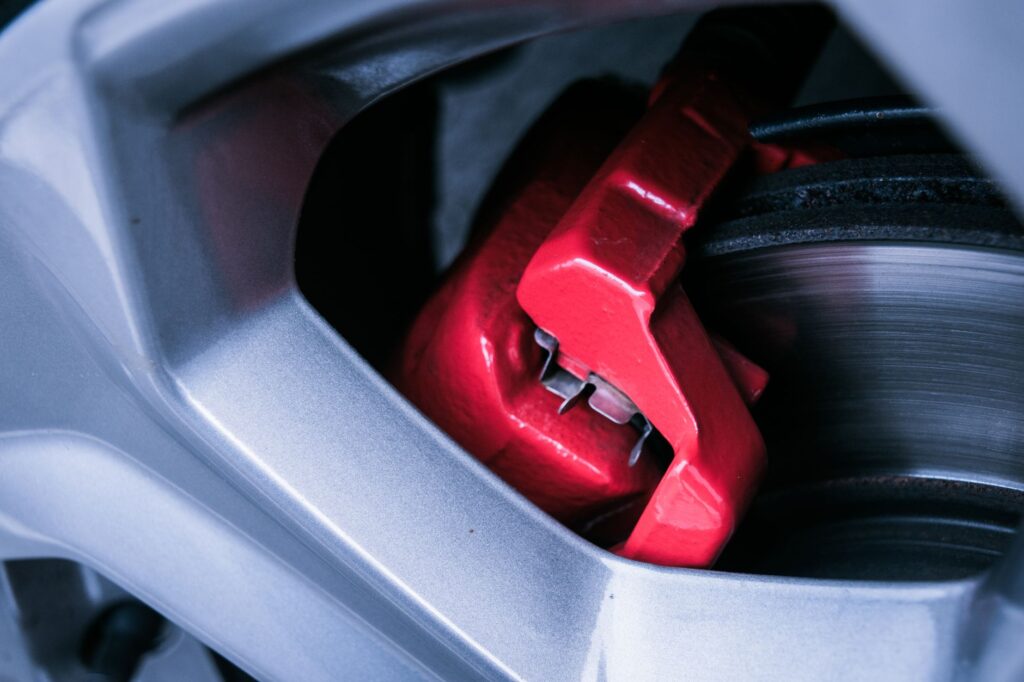
European owners often notice the problem after a tyre change, brake service, or a long downhill drive. It’s also common on cars that do short trips where the brakes don’t fully heat and dry out. The good news: most sticking caliper cases have a clear cause and a practical fix—if you diagnose it properly before replacing expensive parts.
🔧 Recommended Professional Tool
ZF 8HP Transmission KitService tools for ZF 8HP automatic transmission
✔ Recommended by automotive technicians ✔ Suitable for BMW, Mercedes, VAG & JLR platforms ✔ Fast international shipping
2. Causes
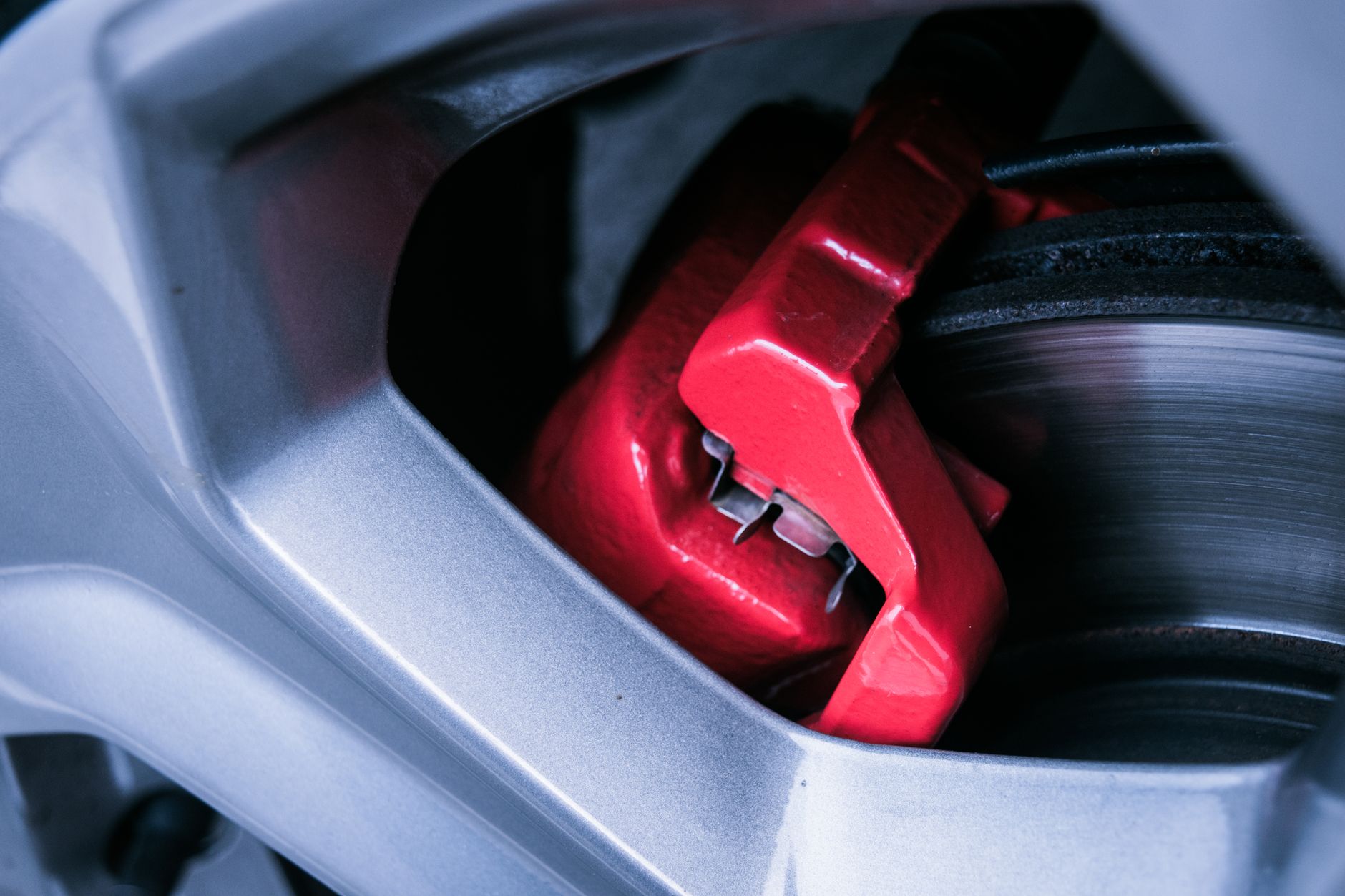
A caliper “sticks” when the piston or sliding mechanism doesn’t release smoothly, leaving the pad lightly (or firmly) pressed against the disc. Common causes include:
Mechanical causes
- Seized caliper slider pins (floating calipers) due to dried-out grease, corrosion, or torn slider boots letting water in.
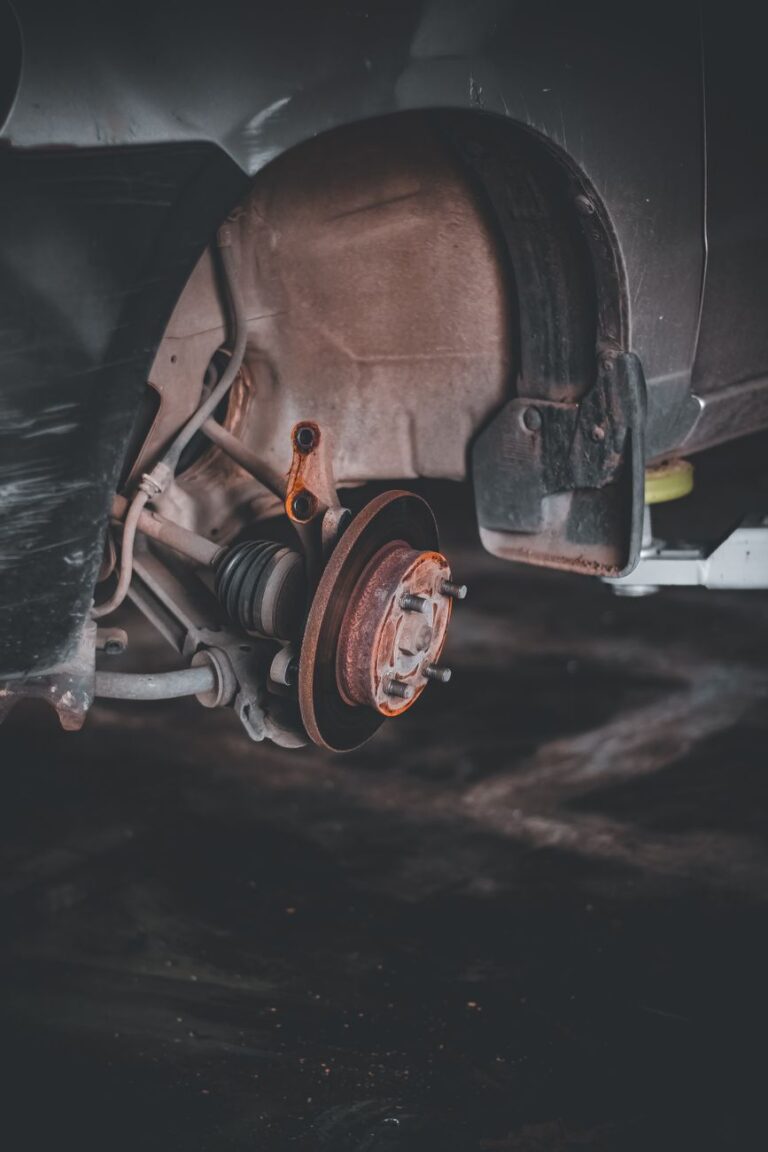
- Piston corrosion or contamination (rust ring on the piston surface) that stops the piston retracting.
- Damaged dust boot allowing moisture and road salt into the piston bore.
- Pads binding in the carrier because of corrosion on the pad abutment surfaces or incorrect pad fitment.
- Warped or heat-damaged components from previous overheating, causing the piston seal to deform and increase drag.
Hydraulic and system-related causes
- Collapsed flexible brake hose acting like a one-way valve: pressure applies the brake but doesn’t release quickly.
- Old or moisture-contaminated brake fluid increasing internal corrosion and swelling seals.
- ABS/DSC hydraulic unit issues (rare, but possible) holding pressure to one corner.
- Electronic parking brake (EPB) issues on rear calipers: the motor or mechanism can fail to return fully.
Usage and environment
- Urban short-trip use where brakes stay damp and corrosion builds.
- Winter road salt exposure accelerating corrosion on pins, carriers, and pistons.
- Heavy towing or mountain driving generating high brake temperatures and stressing seals.
3. Symptoms
A sticking caliper often starts subtly and gets worse. Watch for:
- Car pulling to one side during braking or even while cruising.
- Hot wheel smell (sharp, burning odor) after driving.
- One wheel noticeably hotter than the others; the alloy may feel radiating heat.
- Reduced fuel economy and sluggish acceleration, especially noticeable on motorway runs.
- Steering vibration or brake judder if the disc overheats and develops thickness variation.
- Uneven pad wear: one pad (often the inner) worn much faster than the other.
- Brake dust concentrated on one wheel compared with the rest.
- EPB warnings or rear brake binding on models with electronic parking brake.
If you have an automatic gearbox (common on Range Rover Sport, e.g., ZF 6HP or ZF 8HP depending on model/year), you might also notice the car creeping less freely or feeling like it’s being held back at low speeds.
4. How to diagnose
You can do some basic checks safely, but brake work should be approached carefully. If in doubt, stop and book inspection.
Step-by-step checks
- Compare wheel temperatures after a short drive with minimal braking. An infrared thermometer is ideal; a sticking corner can be 50–150°C hotter than others.
- Lift and spin test (safely on stands): with the car securely raised, spin each wheel by hand. A dragging wheel will resist and stop quickly.
- Check pad wear through the caliper window (if visible) and compare left vs right on the same axle.
- Inspect the disc: blue/purple spots indicate overheating; heavy scoring suggests a pad has been dragging for a while.
Is it mechanical or hydraulic?
A simple workshop-level test helps distinguish:
- If the wheel is dragging, open the bleed screw briefly (catch fluid properly).
- If the wheel frees up immediately, pressure is being held (hose, master cylinder, ABS/DSC unit).
- If it stays tight, the issue is mechanical (piston, sliders, pads binding).
Using diagnostics (where relevant)
If you have access to JLR diagnostics, Pathfinder (newer) or SDD (older) can:
- Read EPB fault codes and run EPB service routines (rear brakes).
- Check for ABS/DSC hydraulic faults or unusual pressure-related codes.
- Perform actuator tests where supported.
A generic OBD scanner may show ABS/DSC faults, but it usually won’t provide the guided tests that Pathfinder/SDD can.
5. How to fix
The correct fix depends on what’s actually stuck.
If slider pins are seized (common)
- Remove caliper, clean and polish slider pins (replace if pitted).
- Clean the caliper bracket and replace slider boots if torn.
- Use the correct high-temperature brake grease sparingly (not copper grease on rubber components).
- Ensure pads move freely in the carrier; clean pad abutments and use appropriate brake lubricant.
If the piston is sticking
- If mild: sometimes a caliper can be saved with a caliper rebuild kit (seal + dust boot) and careful cleaning.
- If corroded or heat-damaged: replace the caliper. On a heavy SUV, replacement is often the more reliable option.
If the flexible hose is collapsed
- Replace the brake hose on that corner (often best in axle pairs).
- Flush and bleed the system with fresh DOT 4 fluid (or the correct spec for your model).
If rear EPB mechanism is involved
- Run the EPB service mode in Pathfinder/SDD before retracting pistons.
- If the motor or screw mechanism binds, replacement of the rear caliper (with EPB motor) is common, sometimes along with the motor depending on design.
Always consider associated parts
If a caliper has been dragging:
- Replace pads and discs on that axle if overheated or uneven.
- Check wheel bearing play (heat can shorten bearing life).
- Inspect tyre condition—overheated brakes can overheat the tyre sidewall.
6. Repair costs
Prices vary by country and whether you use OEM, OE-supplier, or aftermarket parts. Typical European ranges (parts + labour):
- Clean/lube sliders and pad hardware (per axle): €150–€300
Works if caught early and the piston is healthy. - Replace one caliper (front or rear): €350–€750
Includes bleeding; more if EPB calibration is required. - Replace calipers in pairs on an axle: €650–€1,400
Often recommended for balanced braking. - Discs + pads (front axle): €450–€1,200
Range depends heavily on brake size and brand; performance packages cost more. - Flexible hose replacement + bleed: €180–€350
Slightly higher if seized fittings add time. - Brake fluid flush: €90–€160
Often bundled with other brake work.
If the disc has overheated badly, budget for pads + discs + one caliper on that axle: typically €800–€1,800 depending on specification.
7. Prevention tips
A few habits and service choices reduce the chances of a sticking caliper:
- Brake fluid every 2 years (or per JLR schedule): moisture is the enemy of calipers.
- After winter, consider a brake inspection/clean if you drive on salted roads.
- If you do short trips, take an occasional longer drive to fully warm and dry the brakes.
- Avoid resting your foot on the brake at stops; heat soak increases seal stress.
- After washing wheels, drive briefly and brake lightly to dry the discs and pads.
- Use quality pads and correct fitting hardware; poor fit can cause binding.
8. When to see a mechanic
Book a professional inspection immediately if:
- One wheel is too hot to approach or you smell burning after normal driving.
- The car pulls strongly, especially under light braking.
- You see smoke, or the brake pedal feels abnormal (soft, sinking, or very hard).
- The EPB warning appears and the rear brakes bind.
- The issue returns soon after a basic slider service—this often means a piston or hose problem.
A workshop with JLR-capable diagnostics (Pathfinder/SDD) is ideal, especially for EPB-related faults and guided procedures.
9. Frequently Asked Questions
Frequently Asked Questions
Can I keep driving if a brake caliper is sticking slightly?
Driving with any brake drag risks overheating the disc and pad, and it can quickly escalate into brake fade or damage to the wheel bearing. If you suspect sticking, keep the trip short, avoid motorway speeds, and arrange inspection as soon as possible. If there’s a burning smell or strong pull, stop driving.
What’s the most common cause of sticking on a Range Rover Sport?
Seized slider pins and corrosion around pad abutments are very common, especially in wet or salty climates. On higher-mileage cars, piston seal deterioration and internal corrosion become more likely. Rear EPB mechanisms can also contribute on certain models.
How can I tell if it’s the caliper or the brake hose?
If the brake releases when the bleed screw is opened, trapped hydraulic pressure is likely, often caused by a collapsed hose. If opening the bleed screw doesn’t free the wheel, the problem is more likely mechanical, such as sliders or a seized piston. A mechanic can confirm quickly with proper tests.
Do I need to replace pads and discs if one caliper was sticking?
If the disc shows blue heat spots, cracking, heavy scoring, or the pads are unevenly worn, replacement is usually the safest option. Even if the disc looks acceptable, pads that have been overheated can glaze and perform poorly. Many workshops recommend replacing pads and discs on the affected axle for balanced braking.
Should I replace calipers in pairs?
Replacing in pairs on the same axle is often recommended for consistent braking feel and performance, especially if one caliper has failed due to age or corrosion. If the issue was purely a seized slider pin and the caliper itself is healthy, a single-side repair may be reasonable. A brake balance check after repair helps confirm everything is working evenly.