1. Introduction
The Mercedes CLA C117 is a stylish, efficient compact executive car, and in day-to-day European use it’s often driven in exactly the conditions that challenge braking systems: short trips, wet roads, winter salt, and frequent stop-start traffic. A topic that comes up surprisingly often with CLA C117 owners is front brake calipers being replaced earlier than expected—sometimes well before 100,000 km—despite the car not being driven hard.
Recommended Tool: Professional OBD2 Scanner
Recommended Tool: Premium Brake Pads
Recommended Tool: Cooling System Diagnostic Tools
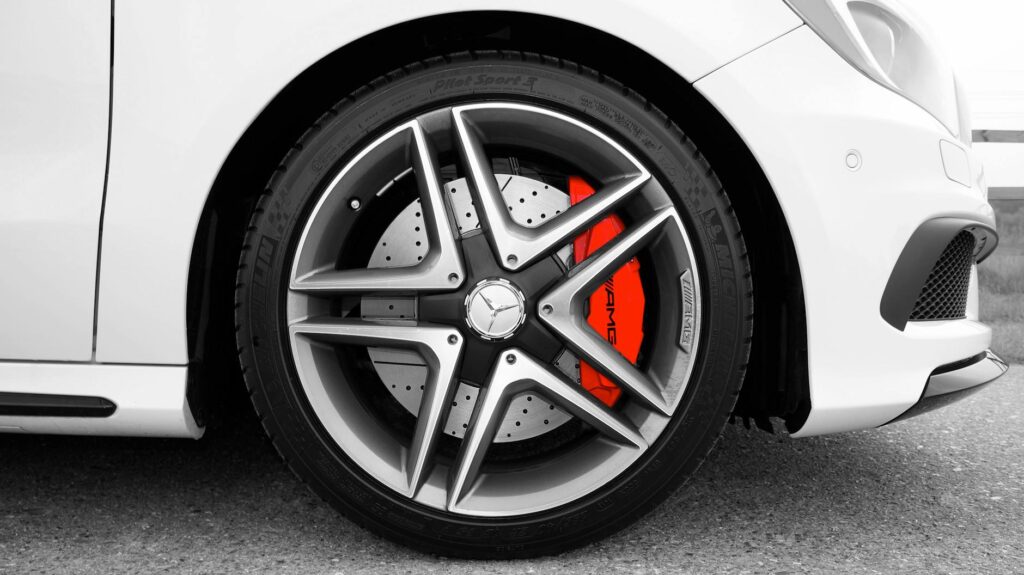
This isn’t usually about “bad brakes” in the generic sense. More often it’s a combination of corrosion, heat management, slider movement issues, and how modern braking and stability systems interact with the hardware. If you also own cars from BMW, Audi/VW Group, or JLR, the pattern will sound familiar: modern cars brake more often than you think, and small mechanical issues can quickly snowball into uneven pad wear, overheating, and sticking calipers.
🔧 Recommended Professional Tool
Cooling System Diagnostic ToolsProfessional coolant tester and infrared thermometer for accurate overheating diagnosis.
✔ Recommended by automotive technicians ✔ Suitable for BMW, Mercedes, VAG & JLR platforms ✔ Fast international shipping
2. Causes
Early front caliper replacement on the CLA C117 is typically driven by one (or more) of these root causes:
Corrosion and moisture ingress
European climates are hard on brakes. Salt, moisture, and road dirt can lead to:
- Seized slider pins on floating calipers
- Rust build-up on pad abutment points (pads can’t retract smoothly)
- Corrosion around piston seals, making piston return sluggish
Sticking slider pins or worn guide hardware
Most CLA C117 front setups rely on smooth caliper sliding action. If the guide pins dry out, pit, or bind, one pad does all the work. That creates heat, glazing, and rapid wear—sometimes to the backing plate—damaging discs and stressing the caliper.
Heat and repeated light braking
A lot of owners do gentle braking around town. Counterintuitively, repeated light braking can keep pads in contact longer, building heat in a way that promotes:
- Pad material transfer and disc hotspots
- Seal hardening over time
- Increased piston drag
Brake fluid age and internal contamination
Brake fluid absorbs moisture. Over time this can corrode internal caliper surfaces and increase the chance of sticking pistons. If fluid changes are skipped beyond the typical 2-year interval, problems show up sooner.
Collapsed or internally restricted brake hoses (less common, but important)
A hose can look fine outside but act like a one-way valve inside. Pressure goes to the caliper, but doesn’t release quickly. That leads to a dragging brake and overheated caliper.
ABS/ESP brake interventions
Modern stability systems can apply a brake lightly to control traction and yaw, even when you’re not “braking hard.” This is normal, but if a caliper is already borderline (stiff slider, rusty pad ears), the extra micro-usage can push it into a constant drag situation.
3. Symptoms
Owners usually notice early caliper issues through practical, everyday signs:
- Car pulls slightly left or right when braking (or even while cruising if the drag is severe)
- Uneven front pad wear, often inner pad worn much faster than outer
- Hot wheel smell after a normal drive; sometimes a faint burning odor
- One front wheel noticeably hotter than the other after a short trip
- Steering vibration when braking, caused by disc hotspots or uneven deposits
- Reduced fuel economy and “heavier” rolling feel
- Brake dust imbalance (one wheel much dirtier)
- In some cases, warning messages related to brake wear or ESP/ABS (not guaranteed)
4. How to diagnose
You can do a lot of diagnosis as an everyday owner, and you can also confirm findings with proper diagnostic equipment.
Quick checks you can do safely
- Compare wheel temperatures after a similar drive (carefully): a dragging caliper often makes one wheel significantly hotter.
- Visual pad check through the wheel: look for one pad much thinner, or discoloration/blueing on the disc.
- Listen for scraping at low speeds with the window down (metal-to-metal indicates extreme wear).
Checks that require lifting the car
If you can safely lift the car (or have a workshop do it):
- Spin the front wheels by hand: a dragging wheel won’t spin freely.
- Inspect slider pin boots for tears and leakage of grease.
- Check pad movement in the carrier: pads should slide without force.
Diagnostic tools and live data (workshop-level)
A Mercedes specialist using Xentry can:
- Check for ABS/ESP faults that may indicate abnormal intervention or sensor issues.
- Perform guided tests (where supported) and confirm there isn’t a control problem masquerading as a mechanical drag.
For comparison, similar brake drag diagnostics on other European brands are often handled via ISTA (BMW), ODIS (VW/Audi), or Pathfinder/SDD (JLR). Even when diagnostics show no faults, that doesn’t rule out a mechanical caliper issue—dragging brakes often leave no electronic footprint.
Rule out the “look-alikes”
A caliper problem can resemble:
- Wheel bearing noise (heat and humming can overlap)
- Tyre issues causing pull
- Warped-feeling braking that’s actually uneven pad deposits from overheating
5. How to fix
The correct fix depends on what you find—avoid replacing parts blindly.
Serviceable issues (best-case)
If the piston is healthy and the caliper body is sound:
- Remove caliper and clean/lubricate slider pins with correct high-temp brake grease
- Replace slider pin boots and hardware if worn
- Clean pad abutments and fit new anti-rattle clips
- Replace pads/discs if overheated or unevenly worn
- Flush brake fluid if overdue
When caliper replacement is the right answer
Replace the caliper if:
- The piston is seized or retracts poorly despite service
- The dust boot is torn and corrosion is visible on the piston
- The caliper has been overheated repeatedly (discoloration, cooked seals)
- Bleed nipple is seized or damaged (common on older units)
- A hose restriction has caused sustained drag long enough to damage the caliper
Don’t forget the hose and fluid
If a caliper has overheated or seized, it’s smart to:
- Inspect/replace the flexi hose on that corner
- Perform a proper brake fluid flush and bleed
- Consider replacing calipers in pairs if wear/age is similar, especially for consistent braking feel
6. Repair costs
Costs vary by country, parts brand (OEM vs OE supplier vs aftermarket), and whether you replace one side or both. Realistic European ranges (parts + labor):
- Caliper service (clean/lube sliders, hardware): €150–€300 per axle
- Front pads + discs (standard quality): €350–€700
- One front caliper replacement (including bleed): €450–€900
- Both front calipers replacement: €800–€1,600
- Add brake hose (one side): €80–€180 extra
- Brake fluid flush: €70–€150
If the disc has been overheated, plan on pads and discs at minimum; fitting a new caliper onto a damaged disc can bring the problem straight back as vibration and poor bedding.
7. Prevention tips
A few habits and maintenance choices can significantly delay caliper trouble:
- Change brake fluid every 2 years (especially in damp or coastal areas).
- At every pad change, insist on:
- Cleaning pad carriers and abutment points
- Lubricating slider pins with correct grease
- Replacing cheap hardware (clips, boots)
- After winter, rinse wheels and brakes gently to reduce salt build-up.
- Avoid resting your foot on the brake pedal in traffic—light constant pressure adds heat.
- If you do mostly short trips, take an occasional longer drive to dry out moisture and reduce corrosion build-up.
- Use reputable pads: ultra-cheap pads can crumble, seize in carriers, or transfer material unevenly.
8. When to see a mechanic
Book a workshop visit quickly if you notice any of the following:
- One wheel is consistently hotter than the other after normal driving
- The car pulls under braking or feels “held back” while cruising
- A burning smell, smoke, or sudden drop in braking performance
- Grinding noises or a brake warning message
- You’ve replaced pads/discs but uneven wear returns within a few thousand kilometres
A proper shop can confirm drag, measure disc condition, pressure-test the hose if needed, and use Xentry to ensure there’s no ABS/ESP-related issue contributing to abnormal brake behavior.
9. Frequently Asked Questions
Frequently Asked Questions
Why do front calipers fail earlier on city-driven CLA C117s?
City driving means frequent braking and more moisture exposure from short trips, which promotes corrosion. Light, repeated braking can also build heat and encourage pads to stick in rusty carriers. If slider pins aren’t serviced at pad changes, drag starts quietly and escalates.
Should I replace one front caliper or both?
If one caliper has clearly seized due to a torn boot or corrosion, replacing that side can be acceptable. However, if the car has higher mileage and both sides are similar age, doing both often gives better balance and avoids a second failure soon after. A workshop can compare piston movement and slider condition side-to-side.
Can a dragging caliper damage the wheel bearing or tyre?
Yes, prolonged heat can shorten wheel bearing life and can also overheat the tyre, especially on motorway drives. It can warp the disc or create uneven deposits that feel like “warped brakes.” Catching it early usually prevents collateral damage.
Will Xentry show a fault code for a sticking caliper?
Often it won’t, because a mechanical drag doesn’t necessarily trigger an electronic fault. Xentry is still useful to rule out ABS/ESP issues and to confirm sensor data looks normal. Mechanical inspection remains the key step.
Is it safe to keep driving if one wheel is getting hotter?
No—excess heat can lead to sudden loss of braking performance, boiling fluid, or even a tyre problem. It can also turn a simple service into a full caliper, pads, and discs replacement. Treat it as urgent.