1. Introduction
The second-generation VW Touareg (internal code 7P) with the 3.0 TDI is a popular European all-rounder: refined on the motorway, capable off-road, and often fitted with air suspension. As these cars age past 10 years and 150,000–250,000 km, a “full suspension overhaul” becomes less of an upgrade and more of a reliability reset. The tricky part for everyday owners is that Touareg suspension problems rarely show up as one obvious broken part—small wear points cascade into uneven tyre wear, vibration, poor ride quality, and warning messages.
Recommended Tool: Professional OBD2 Scanner
Recommended Tool: OEM Suspension Components
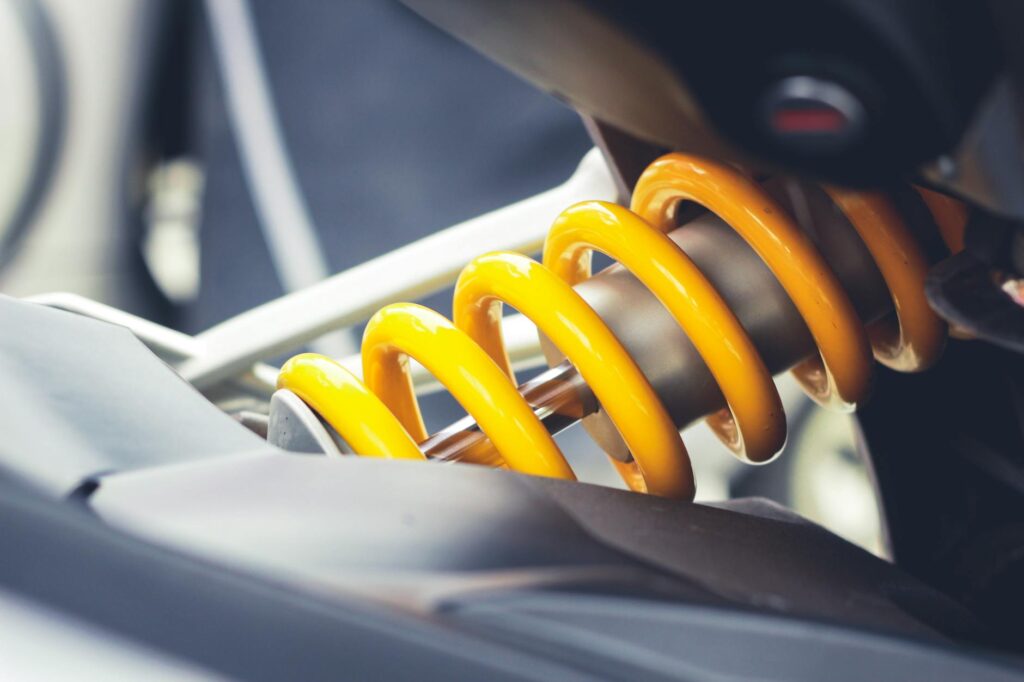
This guide focuses on air-suspension and conventional components you’ll commonly refresh together on a Touareg 7P 3.0 TDI (common engine codes include CASA, CASB, CRC and later variants depending on year/market). It also highlights the failure points that cause repeat repairs if you only replace the most obvious item. Where relevant, you’ll see references to VAG diagnostics such as ODIS, because a proper suspension repair on these cars often involves coding, calibrations, and measured values—not just spanners.
Recommended Tool: Professional OBD2 Scanner
2. Causes
Suspension wear on the Touareg 7P comes from a mix of weight, torque, and European road conditions (potholes, speed bumps, winter salt). Common underlying causes include:
- High vehicle mass and wheel size: Big wheels/low-profile tyres load bushes, control arms, and bearings harder.
- Age-related rubber degradation: Bushes crack and soften with time, not just mileage.
- Air suspension moisture/contamination: Water in the system stresses the compressor and valve block.
- Corrosion: Salt can seize bolts and damage height sensor linkages.
- Driving style and loads: Towing and frequent full-load driving accelerate rear arm and bushing wear.
3. Symptoms
Suspension issues often start subtly. Watch for:
- Uneven tyre wear (inner-edge wear is common when bushings loosen and alignment drifts)
- Clunks or knocks over small bumps (often control arm bushes or anti-roll bar links)
- Vibration through steering at 80–120 km/h (can be wheel balance, but also worn control arm bushes or wheel bearings)
- Floating or “wallowy” ride and poor body control (air struts/dampers weakening)
- Car sits low on one corner after parking (air spring leak or valve block issue)
- Air suspension warnings or “Suspension Fault” messages
- Compressor runs frequently or sounds louder than usual (leak forcing overwork)
- Slow height changes or uneven raising/lowering (valve block, compressor, sensor issues)
4. How to diagnose
A good diagnosis saves money because replacing random parts on a Touareg can get expensive fast.
Visual and basic checks
- Tyres: Look for feathering, inner wear, or “cupping” (often damper/strut issues).
- Ride height: Measure wheel centre to arch on all corners. A consistent low corner suggests a leak.
- Bushes and joints: With the car safely lifted, inspect control arm bushes for cracks, and check ball joints for play.
- Anti-roll bar links: Grab and try to move; any looseness or torn boots are suspect.
- Leaks: Look for oil seepage on dampers (even air struts can show damper leakage).
Air suspension-specific checks
If your Touareg has air suspension, use ODIS (or a high-quality VAG-capable scan tool):
- Read fault codes in the suspension control module (often J197). Note compressor overrun, reservoir pressure, or level control faults.
- Check measured values: system pressure, compressor duty cycle, and each corner’s level sensor readings.
- Leak test: Some tools support guided functions. Otherwise, park at normal height, measure heights, and recheck after several hours.
- Soapy water test: Lightly spray air lines/fittings (where accessible) and look for bubbles—especially near struts and valve block connections.
Mechanical confirmation
- Pry bar test for control arm bush movement.
- Wheel bearing test: Rotate wheel and listen/feel; road test for humming that changes with steering load.
- Alignment report: Before replacing parts, a printout can reveal which corners have drifted and hint at which bush/joint is moving.
5. How to fix
A “full suspension overhaul” usually means renewing wear items in logical groups so you don’t pay for alignment twice and you don’t mask a leak with a new compressor.
Parts list (typical)
Your exact list depends on air vs steel suspension, options, and mileage, but common overhaul parts include:
Front axle (common wear points)
- Upper control arms (left/right), often complete with bushes and ball joints
- Lower control arms (left/right), especially rearward bushes
- Anti-roll bar drop links
- Anti-roll bar bushes (less expensive, often overlooked)
- Front struts:
- Air suspension: complete air strut assemblies (or damper/air spring components depending on design)
- Steel suspension: struts + top mounts/bearings
- Top mounts and bearings (if applicable)
- Bump stops and dust boots (worth doing while apart)
Rear axle
- Rear upper/lower arms (varies by setup) and key bushes
- Rear anti-roll bar links and bushes
- Rear air struts or shocks/springs depending on configuration
Air suspension system (if equipped)
- Compressor (if weak/noisy or overrun faults present)
- Compressor relay (cheap, can cause non-start/overrun issues)
- Valve block (if corner control is inconsistent or internal leak suspected)
- Air lines/fittings O-rings (only if leaking; use correct rated parts)
- Height sensors and link rods (if readings erratic or linkages corroded)
“While you’re there” items
- Wheel bearings (only if noisy/loose; not mandatory in every overhaul)
- Four-wheel alignment (mandatory after arm replacement)
- New hardware/bolts where specified as stretch bolts
Common failure points that cause repeat repairs
- Replacing the compressor without fixing leaks: New compressor will overwork and fail early.
- Ignoring valve block internal leakage: Can mimic a leaking strut by slowly lowering a corner.
- Skipping control arm bushes: You can fit new struts and still have wandering steering and tyre wear.
- Not calibrating ride height after work: Air suspension needs correct basic settings via ODIS.
- Tightening bushes at full droop: Bushes must usually be torqued at normal ride height to avoid preloading and early failure.
Final steps after fitting parts
- Perform ride height calibration/basic settings with ODIS if air suspension is involved.
- Road test and recheck for noises.
- Complete a proper four-wheel alignment using current ride height (especially important on air suspension).
- Re-scan for faults and confirm compressor duty cycle returns to normal.
6. Repair costs
Prices vary by country, brand choice (OEM vs quality aftermarket), and corrosion level. Realistic EU ranges:
- Front control arm set (both sides) + links + alignment: €900–€1,800 (parts + labour)
- Rear arms/bushes + links + alignment (as needed): €700–€1,500
- Single air strut replacement (one corner): €900–€1,800
- All four air struts (full set): €3,200–€6,500
- Compressor replacement (with relay and basic checks): €700–€1,400
- Valve block replacement: €500–€1,100
- Full suspension overhaul (arms, links, air struts, calibration, alignment): €4,500–€9,000
If bolts are seized or subframe adjustments are needed, labour can climb quickly. Conversely, doing arms and links together often reduces total labour versus piecemeal repairs.
7. Prevention tips
- Keep tyres correctly inflated and use a quality tyre brand; poor tyres amplify suspension stress.
- Wash the underbody in winter to reduce corrosion around sensor linkages and arm bolts.
- Don’t ignore small knocks—early links/bushes are cheaper than tyres and struts later.
- For air suspension: If the compressor runs often, investigate immediately. Frequent cycling is the fastest way to kill a compressor.
- Align after any suspension work and after major pothole impacts.
8. When to see a mechanic
Book a professional inspection if:
- The car drops overnight or the compressor runs excessively.
- You have suspension warning messages that return after clearing.
- Steering feels unstable, braking causes pulling, or you see rapid tyre wear.
- You suspect seized bolts or need subframe adjustment—these jobs need proper tooling and experience.
- You want the job done once: a specialist with ODIS can calibrate air suspension correctly and confirm pressures, sensor values, and valve operation.
9. Frequently Asked Questions
Frequently Asked Questions
Does my Touareg 7P always need a new compressor if the suspension sags?
Not necessarily. Sagging is more often caused by leaks at an air strut, airline fitting, or a valve block issue bleeding pressure. A weak compressor is common too, but it should be confirmed with fault codes, pressure readings, and duty-cycle data.
Can I replace just one air strut, or should I do them in pairs?
You can replace a single failed corner, especially if the others are relatively new. If the car is high mileage and the ride feels uneven, doing a pair (fronts or rears) can restore balance and reduce repeat labour.
Why did my new tyres start wearing on the inside after suspension work?
Control arm bushes can allow the wheel geometry to shift under load even if alignment looks acceptable on the rack. Worn arms, incorrect tightening position, or skipping calibration on air suspension can also cause the alignment to change as the car moves.
Is a full control arm kit worth it compared to replacing one arm?
Often yes, because multiple bushes age together and the labour overlap is significant. Replacing a full set on an axle can improve steering feel and reduce the risk of paying for alignment twice.
Do I need diagnostics like ODIS after suspension repairs?
If you have air suspension, yes—height calibration and fault verification are important for correct operation. Even on steel suspension, scanning can help confirm there are no stored faults related to level sensors, steering angle, or chassis systems.