1. Introduction
Oil consumption that seems “too high” is one of the most common ownership complaints on modern turbo petrol engines, and the VW Tiguan 2.0 TSI is no exception. Many European owners first notice it between service intervals: the oil level warning appears, the dipstick shows a drop, and you find yourself topping up more often than expected. Some consumption can be normal on a hard‑worked turbo engine, but repeated top-ups (for example, 1 litre per 1,000–2,000 km) should be treated as a problem to investigate.
Recommended Tool: Professional OBD2 Scanner
Recommended Tool: Transmission Diagnostic Tools
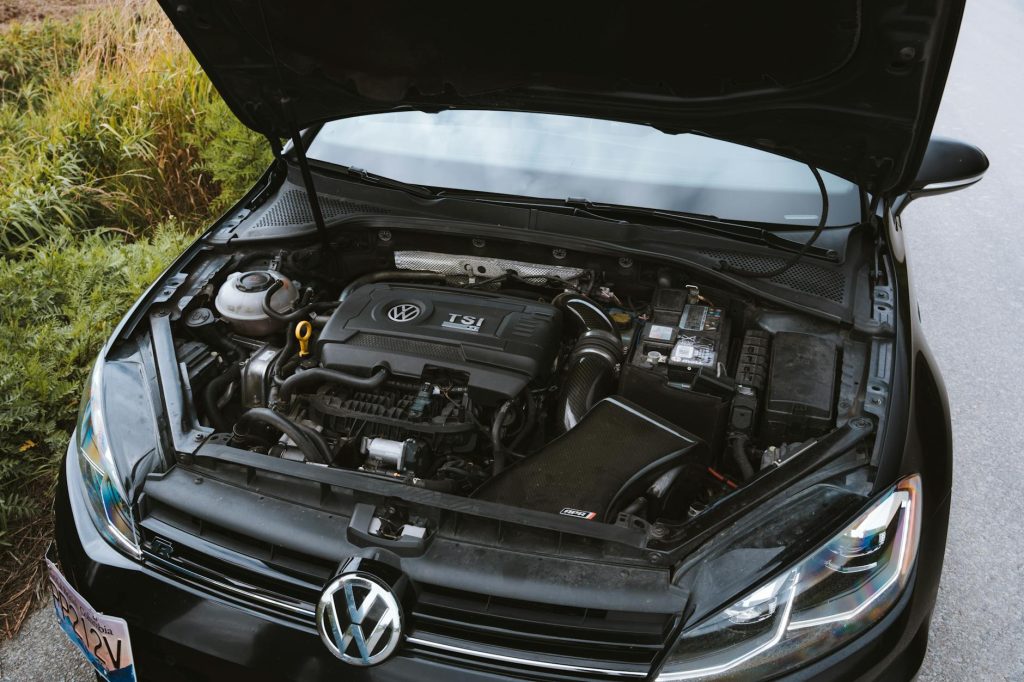
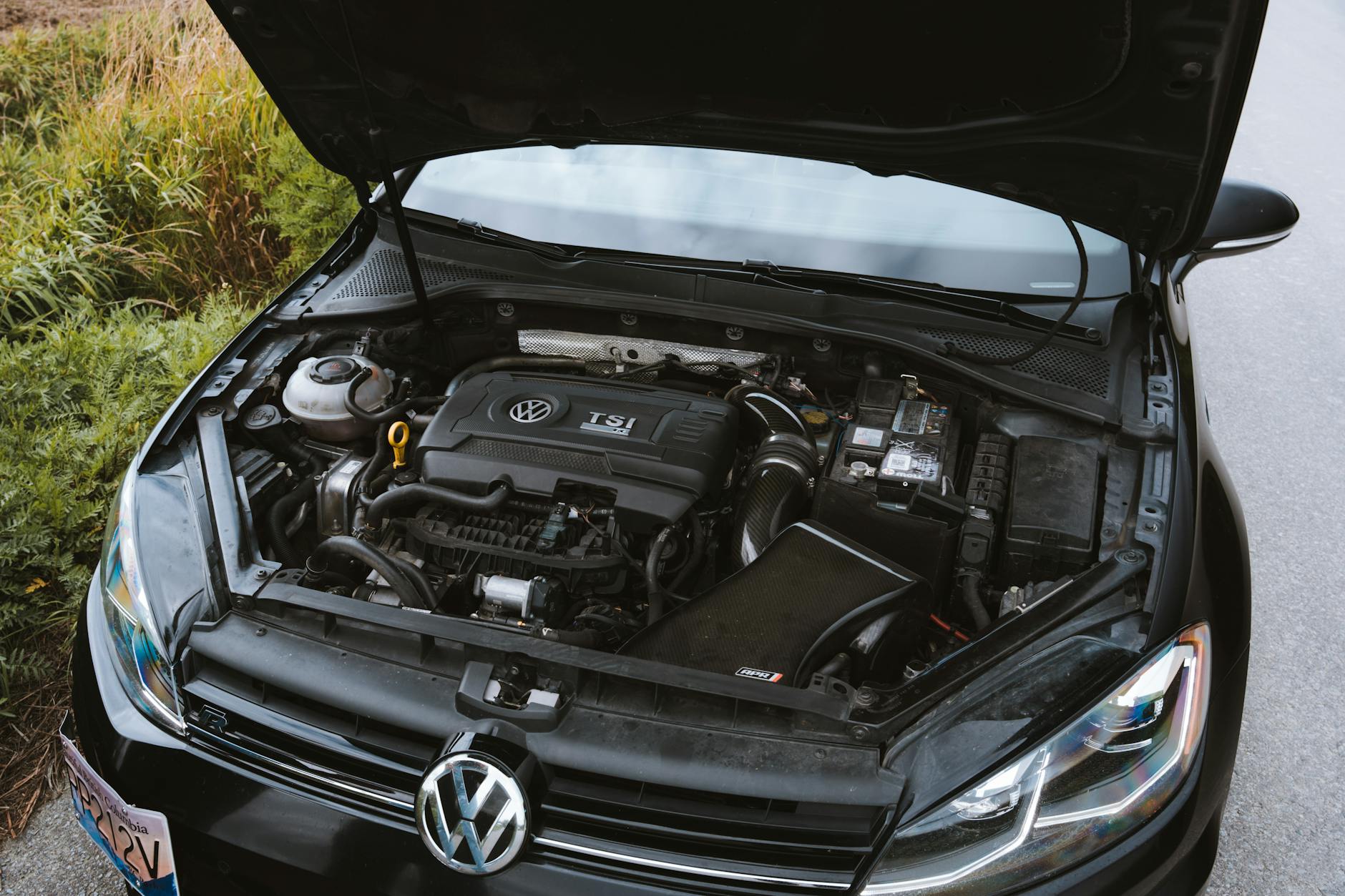
This article focuses on the VW Tiguan with the 2.0 TSI petrol engine used across different model years, including common EA888 variants. The guidance is aimed at everyday drivers, but it also references how a proper workshop will confirm the root cause using VW Group diagnostic processes (ODIS) and basic mechanical checks. If you also own a BMW (e.g., N20), Mercedes (e.g., M274), Audi (EA888), or a JLR model, you’ll recognise many of the underlying patterns—turbo petrol engines are sensitive to oil quality, PCV health, and ring/valve sealing.
Recommended Tool: Professional OBD2 Scanner
🔧 Recommended Professional Tool
BMW N20 Diagnostic & Timing ToolsProfessional tools for BMW N20 engine service
✔ Recommended by automotive technicians ✔ Suitable for BMW, Mercedes, VAG & JLR platforms ✔ Fast international shipping
2. Causes
Oil consumption rarely has a single cause. On the Tiguan 2.0 TSI, the most common contributors are:
Piston rings and cylinder wear (EA888 family)
Some EA888 engines are known for ring design or ring sticking issues that allow oil past the piston into the combustion chamber, especially if oil change intervals were long or the engine ran hot. This can be a gradual problem that worsens over time.
PCV (positive crankcase ventilation) valve failure
A faulty PCV valve (often integrated into the valve cover on many VW/Audi engines) can increase crankcase vacuum or pressure and pull oil vapour into the intake. This can mimic “engine wear” and is one of the first things to rule out.
Turbocharger oil seal leakage
The turbo is lubricated by engine oil. If the turbo’s internal seals wear, oil can enter the intake side (intercooler piping) or exhaust side. This can cause consumption without an obvious external leak.
Valve stem seals (less common, but possible)
Worn valve stem seals can let oil drip into the cylinders during deceleration or overnight parking, leading to start-up smoke and steady consumption.
External leaks that don’t leave obvious puddles
Oil leaks from the timing cover, cam carrier, vacuum pump area (where applicable), oil filter housing, or sump can burn off on hot surfaces and never hit the ground. Undertrays also hide evidence until the leak becomes severe.
Wrong oil specification or extended intervals
Using oil that doesn’t meet the correct VW approval (for many models, VW 502.00/504.00 depending on service regime) or running long intervals can increase volatility and deposit formation, which encourages ring sticking.
3. Symptoms
Oil consumption can be sneaky. Watch for these typical signs:
- Oil level warning on the dash between services
- Frequent top-ups (keep a note of litres added and mileage)
- Blue smoke from the exhaust:
- On start-up (often valve stem seals)
- Under boost (possible turbo seal issue)
- After long downhill engine braking then acceleration (valve seals or rings)
- Oily residue in the intake hosework or intercooler
- Fouled spark plugs or misfires under load
- Increased carbon deposits in the intake (common on direct injection engines)
- No visible leaks, but oily smell after driving (oil burning off on hot parts)
4. How to diagnose
A correct diagnosis is about proving where the oil is going. A good workshop will combine measured consumption testing with targeted checks.
Step 1: Confirm actual consumption
- Fill to the correct level using the correct specification oil.
- Record mileage and oil level precisely (dipstick if equipped; otherwise, use the electronic level reading consistently on level ground).
- Re-check after a defined distance (often 1,000 km). Many VW dealers follow a formal oil consumption test procedure that may include sealing the filler cap/dipstick and documenting results.
Step 2: Scan for related faults (ODIS)
Using ODIS, a technician will check for faults related to:
- Crankcase ventilation/pressure regulation
- Misfires and fuel trim issues (which can worsen oil burning)
- Boost leaks that may contaminate intake with oil mist Even when no codes are present, live data can support the diagnosis.
Step 3: Check for external leaks properly
- Inspect with the undertray removed.
- Look for wetness around the oil filter housing, timing cover, and sump seam.
- UV dye in the oil can help find small leaks.
Step 4: Inspect intake and turbo system
- Check the PCV function (many failures show abnormal vacuum at the oil cap).
- Inspect turbo inlet/outlet pipes and intercooler for pooling oil (a light film is normal; pooling is not).
- Examine charge pipes for excessive oil saturation.
Step 5: Mechanical condition checks
- Compression test and/or leak-down test to assess ring sealing.
- Borescope inspection of cylinder walls for scoring and oil wash.
- Spark plug inspection for oil fouling patterns (one cylinder vs all).
5. How to fix
The right repair depends on what you find. These are the most common fixes, in sensible order:
Replace the PCV valve / breather assembly
If the PCV is faulty, replacing it can significantly reduce consumption. It’s a relatively low-cost, high-value first step before assuming internal engine wear.
Address external leaks
Replace leaking gaskets/seals (oil filter housing seals, cam cover gasket, sump reseal, etc.). Even moderate seepage can add up over thousands of kilometres and may be mistaken for burning.
Turbocharger repair or replacement
If the turbo is passing oil, solutions include:
- Replacing the turbocharger with a quality OEM or OE-equivalent unit
- Cleaning intercooler and intake pipework to remove residual oil A failing turbo should not be ignored: it can worsen consumption and, in severe cases, contaminate the catalytic converter.
Engine internal repair (rings/pistons)
If compression/leak-down results point to ring issues, the long-term fix may involve:
- Removing the engine or cylinder head (varies by model)
- Replacing pistons/rings (often updated parts where applicable)
- Honing cylinders if within spec; addressing scoring if present This is the most expensive path, but it is the correct one when the engine is mechanically worn.
Valve stem seals (when symptoms fit)
If smoke is most noticeable after idling, start-up, or deceleration, valve stem seals may be the culprit. Repair can be moderate to expensive depending on whether the head must come off for your specific engine/version.
6. Repair costs
Costs vary by country and labour rate, but these ranges are realistic for many European workshops (parts + labour):
- Oil consumption test / inspection (including basic checks): €120–€300
- PCV valve/breather assembly replacement: €180–€450
- Fixing common external oil leaks: €250–€900
- Simple gasket/seal: lower end
- Sump reseal or more involved access: higher end
- Turbocharger replacement (with fluids, gaskets, and intake clean-up): €1,200–€2,600
- Valve stem seals: €900–€2,000 (depends heavily on engine layout and method)
- Pistons/rings rebuild (EA888 internal work): €3,500–€7,500
- Can rise if cylinder damage or additional parts (timing components, chain, bearings) are required.
If the vehicle has a DSG gearbox, it’s not directly related to oil consumption, but workshops sometimes recommend combining major engine work with other “while you’re in there” items if access overlaps. Always ask what’s optional vs essential.
7. Prevention tips
You can’t prevent every design-related issue, but you can reduce risk and slow progression:
- Use the correct VW-approved oil (ask for the approval number on the invoice, not just viscosity).
- Shorten oil change intervals if you do lots of short trips or cold starts (many owners choose 10,000–12,000 km instead of long-life).
- Warm up gently: avoid heavy boost until oil temperature is up.
- Monitor consumption: log top-ups and kilometres; patterns are diagnostic.
- Check the PCV system periodically—it’s a common failure point on turbo petrol engines.
- Fix boost or intake leaks promptly: they can increase oil mist carryover and worsen deposits.
8. When to see a mechanic
Book a proper diagnosis if:
- You’re adding more than ~1 litre per 2,000 km consistently
- You see blue smoke under load or on start-up
- The car develops misfires, rough running, or a flashing engine light
- There’s oil in the intercooler piping that seems excessive
- Oil level drops quickly with no visible leaks
A good specialist familiar with VW/Audi engines and equipped with ODIS can often narrow the cause quickly and save you from unnecessary parts replacement. If you also use independent European specialists, look for one that regularly works on EA888 engines and can perform leak-down/borescope checks in-house.
9. Frequently Asked Questions
Frequently Asked Questions
How much oil consumption is considered normal on a VW Tiguan 2.0 TSI?
Some oil use can be normal on turbo petrol engines, especially with high-speed motorway driving. However, needing frequent top-ups (for example, around 1 litre every 1,000–2,000 km) is a strong sign something isn’t right. The key is consistency and whether the rate is increasing.
Can a bad PCV valve really cause high oil consumption?
Yes. A failed PCV can pull oil vapour and liquid oil into the intake, raising consumption without obvious smoke. Because it’s relatively inexpensive compared with internal engine repairs, it’s one of the first items to test and rule out.
Will switching oil viscosity fix the problem?
A slightly thicker oil may reduce consumption in some cases, but it can also mask the real issue and isn’t a proper repair. More importantly, the oil must meet the correct VW approval for your service regime. If rings, turbo seals, or valve seals are worn, viscosity changes won’t solve the root cause.
How do workshops prove whether it’s rings, turbo, or an external leak?
They typically combine an oil consumption test with inspections for leaks, intake/turbo checks for oil pooling, and mechanical testing like compression or leak-down. ODIS scans and live data help rule out related issues that worsen oil burning. A borescope can provide direct evidence of cylinder wall condition and oil wash.
Is it safe to keep driving if I just top up the oil?
Topping up can keep you mobile short-term, but it’s risky if consumption is high or suddenly worsens. Running low can damage the turbo and engine, and burning oil can shorten catalytic converter life. If you notice smoke, misfires, or rapid level drops, get it diagnosed soon.