1. Introduction
Volkswagen’s T-Cross and T-Roc are popular choices across Europe because they’re compact, practical, and relatively affordable to run. But like any modern VW Group car—whether you also own an Audi, SEAT, Škoda, BMW, Mercedes, or a JLR product—maintenance is easier and cheaper when you plan ahead. One area where planning pays off is the braking system: it’s safety-critical, parts wear at predictable rates, and delays can leave you off the road if something isn’t available quickly.
Recommended Tool: Professional OBD2 Scanner
Recommended Tool: Premium Brake Pads
Recommended Tool: Cooling System Diagnostic Tools
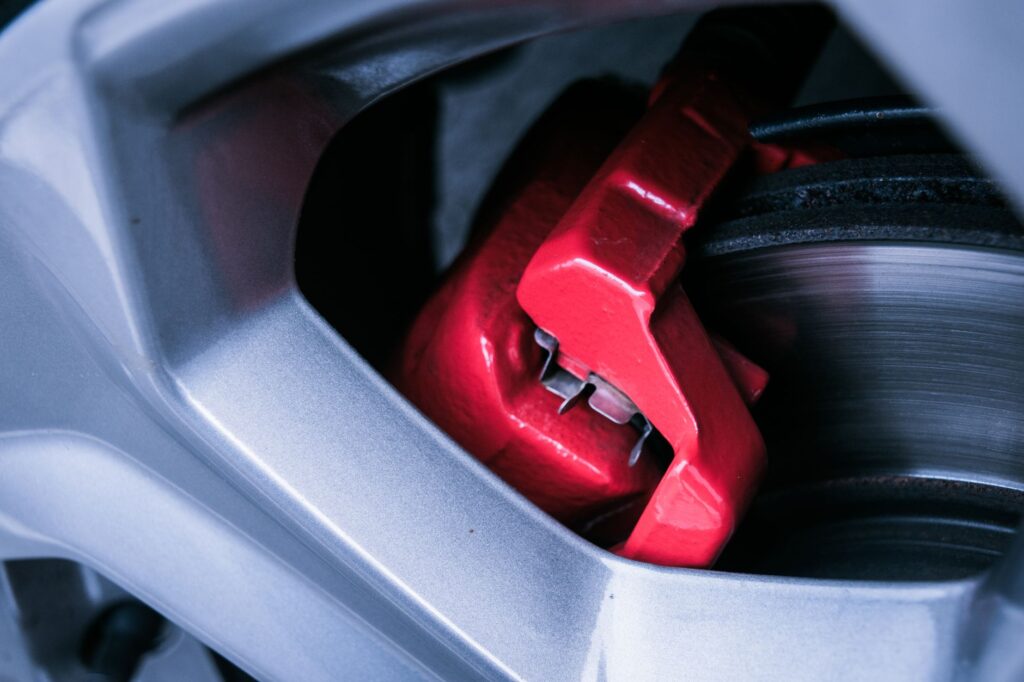
This guide focuses on which brake parts are worth keeping in stock at home (or at least pre-choosing with your preferred parts supplier) for a VW T-Cross and VW T-Roc, including common setups like front ventilated discs and rear discs or drums, and vehicles with electronic parking brake (EPB). Where relevant, we’ll reference VW Group diagnostic workflows via ODIS and include realistic parts + labour cost ranges in Europe.
🔧 Recommended Professional Tool
DSG Transmission Service KitProfessional tools for DSG gearbox service
✔ Recommended by automotive technicians ✔ Suitable for BMW, Mercedes, VAG & JLR platforms ✔ Fast international shipping
2. Causes
Brake parts are consumables, but several factors make T-Cross and T-Roc brake wear more variable than owners expect:
- Driving profile
- Urban stop-start traffic quickly wears pads and can overheat discs.
- Motorway driving wears brakes less, but can lead to corrosion if brakes are rarely used hard.
- Vehicle spec and weight
- Larger wheel/tyre packages and higher trim levels often use bigger brakes and can change pad compound availability.
- 4Motion versions (T-Roc) and higher-output engines can load brakes more.
- Gearbox behaviour
- DSG (DQ200/DQ381 depending on engine and year) can coast more than a traditional torque-converter, changing how often you brake.
- Corrosion and inactivity
- Short trips and wet climates promote disc surface rust; cars that sit for days can develop uneven pad transfer.
- Caliper slider issues
- Sticking slider pins or seized pad ears cause uneven wear, heat, and premature pad/disc replacement.
3. Symptoms
Brake problems tend to give early warnings. Don’t ignore them:
- Squealing or scraping noises
- Light squeal can be pad material; scraping may indicate wear indicators or metal-to-metal contact.
- Steering wheel wobble when braking
- Often blamed on “warped discs,” but commonly disc thickness variation from pad deposits or uneven torque on wheel bolts.
- Longer stopping distances or soft pedal
- Could be worn pads, poor-quality friction material, or fluid issues.
- Vibration through the pedal
- Sometimes ABS activity, but if it happens during gentle braking it can indicate disc/pad issues.
- Parking brake warning light / EPB faults
- On EPB-equipped cars, rear caliper motor issues or binding mechanisms can trigger faults.
- Uneven pad wear left-to-right
- Suggests a sticking caliper, slider, or hose issue.
4. How to diagnose
You can do a lot at home safely, but always prioritise safety (axle stands, correct jacking points, wheel chocks).
Basic checks (owner-friendly)
- Wheel-off visual inspection
- Pads: check remaining friction material (not the backing plate).
- Discs: look for heavy scoring, deep lips at the edge, cracks, blue heat spots.
- Listen and feel
- Noise only on one corner often points to a localized issue (sticking caliper, worn pad).
- Check brake fluid level
- Low fluid can indicate worn pads (normal) or a leak (not normal). Don’t top up blindly if pads are near end-of-life.
Scan tools and diagnostic workflows
If you have access to a scan tool or a workshop that uses VW diagnostics, ODIS can help with:
- EPB service mode (where fitted): retracting rear caliper motors for pad changes and then running basic settings.
- Reading ABS/ESC fault codes related to wheel speed sensors (which can mimic braking issues).
- Checking for brake pressure sensor faults (less common, but can affect pedal feel and warnings).
When measurements matter
A mechanic (or a confident DIYer with the right tools) may measure:
- Pad thickness (mm) and compare across inner/outer pads.
- Disc thickness vs. minimum spec (often stamped on the disc hat).
- Disc runout with a dial gauge if vibration is present.
- Rear caliper mechanism movement on EPB systems.
5. How to fix
The “right” fix depends on what you find, but these are the most common, sensible repairs for T-Cross/T-Roc brakes.
Replace pads (and sometimes discs)
- Pads only can be fine if discs are within spec, not heavily scored, and have a good surface.
- Pads + discs together is often best value, especially if discs have a lip, are corroded, or vibration is present.
Service the hardware properly
A correct brake service isn’t just swapping friction material:
- Clean and lubricate slider pins with appropriate brake grease.
- Replace pad fitting kits (springs/clips) if your setup uses them.
- Clean hub faces to reduce disc runout issues.
- Torque wheel bolts correctly (uneven torque can cause vibration complaints).
EPB-specific steps (if equipped)
- Use ODIS (or an equivalent tool) to:
- Put EPB into service position.
- Complete basic settings after installation.
- If the EPB motor or caliper is faulty, replacement is usually the reliable route rather than trying to rebuild it.
Brake fluid service
VW typically recommends regular fluid changes (often every 2 years). Fresh fluid:
- Improves pedal feel and braking consistency
- Reduces corrosion in ABS components
- Helps avoid costly ABS/ESC hydraulic unit issues later
6. Repair costs
Costs vary by country, parts brand, and workshop rates. Below are realistic European ranges for parts + labour.
- Front pads (T-Cross/T-Roc): €180–€350
- Front pads + discs: €320–€650
- Rear pads (rear disc setup): €170–€330
- Rear pads + discs: €300–€600
- Rear drum shoes (if equipped): €250–€550 (more labour-intensive)
- Brake fluid change: €70–€140
- EPB rear caliper replacement (one side): €350–€750 (including basic settings)
- ABS wheel speed sensor (one corner): €180–€350
Tip: If you own multiple brands (Audi/VW, BMW with ZF 8HP, Mercedes with 9G-Tronic, or JLR products), labour rates and diagnostic time can differ, but brake hardware replacement pricing is often comparable when vehicle size is similar.
7. Prevention tips
Keeping a small “brake parts kit” ready can prevent downtime—especially if you rely on your car daily.
What brake parts to keep in stock (most useful)
- Front brake pads (correct PR code/spec for your car)
- Rear brake pads or rear shoes (depending on rear setup)
- Pad fitting kit / anti-rattle clips (if applicable)
- Brake wear sensor (if your setup uses one; some are integrated into pads)
- Brake cleaner and correct slider grease
What to pre-plan rather than store
- Discs/rotors: bulky to store; instead, identify the correct part numbers and supplier availability.
- EPB caliper: expensive to keep on a shelf, but good to know lead times and options (OE vs reputable remanufactured).
- Brake fluid: don’t store opened bottles for long; buy when needed.
Driving and care habits
- Do a few firm stops occasionally (when safe) to clean disc surfaces.
- Rinse wheels/brakes after winter road salt exposure.
- Avoid resting your foot on the brake pedal while driving (heat and wear).
8. When to see a mechanic
Book a professional inspection promptly if you notice:
- Grinding noises, heavy vibration, or a pulling sensation under braking
- Brake warning lights (ABS/ESC/EPB) or messages that persist after restarting
- A brake pedal that suddenly feels soft, sinks, or requires pumping
- Fluid leaks, strong burning smell, or one wheel getting unusually hot
A workshop with proper VW Group diagnostic capability (ideally ODIS) can also handle EPB procedures correctly and confirm whether a warning is caused by braking hardware, sensors, or an ABS/ESC module issue.
9. Frequently Asked Questions
Frequently Asked Questions
Do the VW T-Cross and T-Roc use the same brake parts?
Not always. Brake setups can differ by engine, trim level, axle type (rear discs vs drums), and PR codes, so you should match parts using the vehicle’s VIN or PR code list. Even within the same model year, disc diameters and pad shapes can vary.
Which brake parts should I keep at home for the fastest repairs?
Front pads are the most useful to keep because they wear fastest and are easy to replace quickly when booked in. If your car has rear discs, keeping rear pads is also sensible; if it has rear drums, keeping shoes is less convenient but can still prevent delays. A small hardware kit (clips/springs) is inexpensive and often forgotten.
Can I change rear pads on an EPB-equipped T-Roc without diagnostics?
It’s risky. Many EPB systems require the caliper motors to retract using a service mode, and incorrect handling can damage the mechanism. A workshop using ODIS (or an equivalent tool) can retract and recalibrate the EPB properly.
Is it worth replacing discs every time I replace pads?
Not always, but it’s often cost-effective. If discs are near minimum thickness, heavily lipped, corroded, or causing vibration, replacing them with pads avoids repeat labour and improves braking feel. If discs measure well and the surface is clean, pads alone can be fine.
What’s the biggest mistake owners make when buying brake parts?
Ordering by model name only. The correct parts depend on exact brake option codes, disc diameter, and sometimes axle configuration, so always confirm with VIN/PR codes or a trusted parts catalogue. Poor-quality pads can also create noise and dust that owners mistake for a mechanical fault.