1. Introduction
Brake discs (rotors) are a wear item on every modern European car, whether you drive a BMW 3 Series with the N20, a Mercedes C-Class with the OM651, an Audi A4 TDI, a VW Group car with DSG, or a JLR product with ZF 8HP. Yet many owners only think about discs when they fail an inspection or the steering wheel starts shaking under braking. In reality, brake disc replacement intervals are not “one-size-fits-all”: driving style, vehicle weight, disc type, and even the pad compound can change disc life dramatically.
Recommended Tool: Professional OBD2 Scanner
Recommended Tool: Premium Brake Pads
Recommended Tool: Cooling System Diagnostic Tools
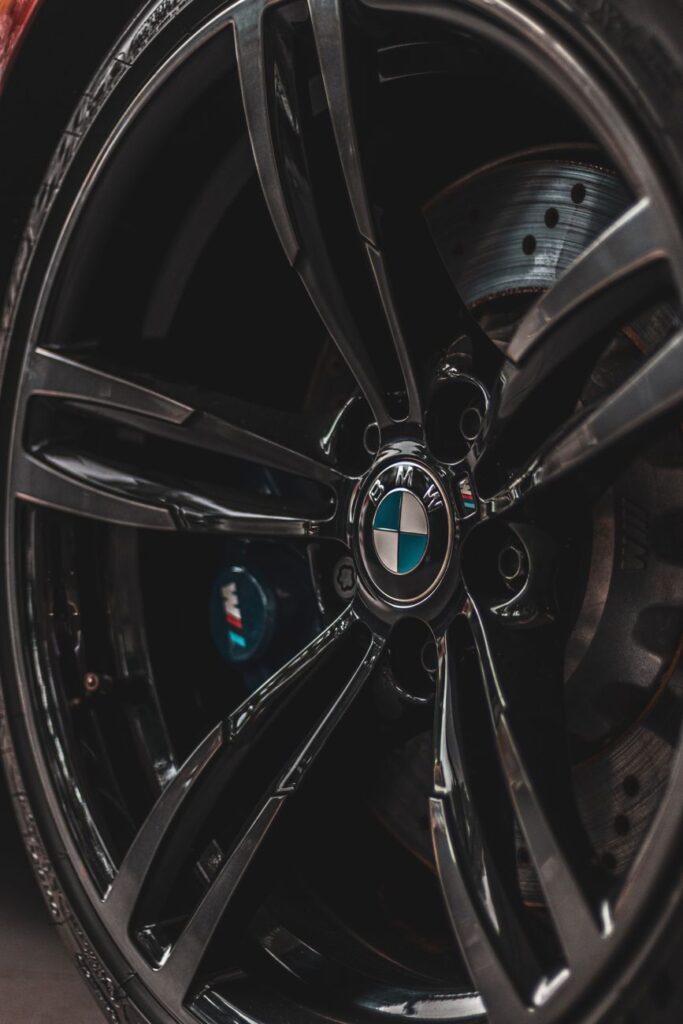
This guide explains how often VW drivers should change brake discs (and how to apply the same thinking to Audi, BMW, Mercedes, and JLR). It focuses on practical checks you can do as an owner and the key points to discuss with your workshop, including the role of diagnostic tools like ODIS (VW/Audi), ISTA (BMW), Xentry (Mercedes), and SDD/Pathfinder (JLR).
🔧 Recommended Professional Tool
BMW N20 Diagnostic & Timing ToolsProfessional tools for BMW N20 engine service
✔ Recommended by automotive technicians ✔ Suitable for BMW, Mercedes, VAG & JLR platforms ✔ Fast international shipping
2. Causes
Brake discs wear and degrade for several reasons, and mileage alone is only part of the story.
Normal wear (friction and heat)
Every brake application transfers heat into the disc and slowly removes material. Heavier vehicles (SUVs, estates) and higher speeds accelerate disc wear.
Pad material and driving style
- Aggressive pads can “eat” discs faster.
- Frequent short trips cause more corrosion and uneven pad deposits.
- Riding the brakes downhill overheats discs, increasing the risk of warping and cracking.
Corrosion and inactivity
In Northern and Central Europe, road salt plus parked periods can cause rust lips and pitting. Even in milder climates, cars that sit for weeks can develop corrosion that creates vibration and noise.
Poor bedding-in or uneven pad deposits
New pads/discs need correct bedding-in. If not, an uneven transfer layer can develop, often mistaken for “warped discs.”
Brake system issues
Sticking caliper sliders, seized pistons, or a parking brake mechanism that doesn’t release fully can overheat discs and cause rapid wear. On some VW Group models with electronic parking brake (EPB), incorrect service procedures can leave components misadjusted.
3. Symptoms
Brake discs rarely “fail” suddenly. More often, they give clear signs:
- Steering wheel shake or vibration under braking (especially from motorway speeds)
- Pulsing brake pedal
- Squealing or grinding noises (grinding can indicate pad-to-metal contact damaging the disc)
- Longer stopping distances or inconsistent bite
- Visible scoring, heavy rust pitting, or a pronounced outer lip on the disc edge
- Burning smell or excessive brake dust on one wheel (possible sticking caliper)
If your VW or Audi has driver-assist features (ACC, AEB), you may also notice inconsistent autonomous braking feel when discs are uneven.
4. How to diagnose
You can do several checks without special tools, but a proper diagnosis should include measurements.
Owner checks (10 minutes)
- Look through the wheel spokes with a torch:
- Check for deep grooves, blue heat spots, or cracks.
- Compare left vs right side; uneven appearance suggests a caliper issue.
- After a normal drive, carefully check if one wheel is much hotter than the others (do not touch the disc; feel heat near the wheel). A hot corner can mean a sticking caliper or EPB problem.
Workshop checks (recommended)
A competent workshop should:
- Measure disc thickness with a micrometer and compare it to the “MIN TH” spec (often stamped on the disc hat).
- Measure disc runout (wobble) with a dial gauge and check hub face cleanliness.
- Inspect pad thickness and wear pattern (tapered pads suggest slider issues).
- Check caliper slide pins, piston movement, and flexible brake hoses.
Using diagnostic tools (when relevant)
Diagnostic tools don’t measure disc thickness, but they help confirm related problems:
- ODIS (VW/Audi/Skoda/SEAT): EPB service mode, ABS/ESC fault codes, brake pressure sensor plausibility, and guided functions after rear brake work.
- ISTA (BMW): DSC faults, brake pad wear sensor status, service reset, and test plans if braking stability issues appear.
- Xentry (Mercedes): SBC/ESP/ABS faults, EPB functions, and brake pressure readings.
- SDD/Pathfinder (JLR): EPB service routines, ABS faults, and calibration-related warnings.
5. How to fix
The fix depends on what’s found—don’t replace discs blindly if the root cause is a sticking caliper or hub corrosion.
Replace discs and pads together (best practice)
On most European cars, fitting new pads to worn or uneven discs increases the risk of noise, judder, and poor bedding-in. Replacing discs and pads as a set is usually the most reliable approach.
Address the underlying cause
- Clean and lubricate caliper slider pins with the correct high-temperature lubricant.
- Replace seized calipers or rebuild where appropriate.
- Clean the hub face thoroughly; rust here can create runout and vibration even with new discs.
- On VW Group rear brakes with EPB, use ODIS (or a proper scan tool) to retract/extend motors correctly and perform any basic setting/adaptation required.
Consider upgraded parts for certain use cases
If you tow, drive in mountainous areas, or do frequent motorway braking:
- Choose reputable OE or OEM-quality discs (Brembo, ATE, TRW, Zimmermann, etc.).
- Consider coated discs to reduce corrosion.
- Use pads that match your driving: low-dust comfort pads may trade some bite for cleanliness, while performance pads may increase disc wear and noise.
Bedding-in matters
Follow the pad/disc manufacturer guidance. As a rule, do a series of moderate stops from 60–20 km/h, allow cooling between stops, and avoid heavy braking with hot new brakes for the first 200–300 km.
6. Repair costs
Costs vary by model, disc size, and whether you have EPB, adaptive cruise, or performance brakes. Below are realistic European ranges for parts + labour at an independent specialist (mainstream models), with dealers typically higher.
VW Group (Golf/Passat/Tiguan; Audi A3/A4 equivalent)
- Front discs + pads: €250–€550 (standard), €450–€900 (larger or performance setups)
- Rear discs + pads (with EPB): €280–€650
- Add-ons if needed:
- Caliper service or slider repair: €60–€150 per axle
- Replacement caliper: €180–€450 each (plus labour and bleeding)
BMW (e.g., 3/5 Series, often with wear sensors; ZF 8HP common)
- Front discs + pads + sensor: €350–€800
- Rear discs + pads + sensor: €300–€700
Mercedes (e.g., C/E-Class, OM651/OM654 diesels)
- Front discs + pads: €350–€850
- Rear discs + pads (with EPB): €320–€750
JLR (Range Rover Evoque/Discovery Sport; larger SUVs higher)
- Front discs + pads: €450–€1,100
- Rear discs + pads: €400–€950
Brake fluid is sometimes recommended during brake work if it’s due: typically €60–€120.
7. Prevention tips
Disc life is about reducing heat spikes, corrosion, and uneven deposits.
- Avoid holding the car on the brake pedal after a hard stop; use the handbrake/EPB when safe to prevent pad imprinting.
- On long descents, use engine braking (especially helpful with DSG and ZF 8HP autos).
- Wash wheels and brakes occasionally in winter to remove salt.
- If the car sits, take it for a short drive and apply the brakes gently to clean surface rust.
- Use quality pads matched to your driving; ultra-hard cheap pads can be false economy.
- Ensure correct wheel bolt torque; uneven torque can contribute to disc distortion and vibration.
8. When to see a mechanic
Book a professional inspection if:
- You feel vibration/pulsing during braking that persists after a few normal drives.
- One wheel produces significantly more brake dust or heat than the others.
- You hear grinding noises or the brake warning light indicates pad wear (common on BMW/Mercedes with sensors).
- Your VW/Audi EPB warns of malfunction after rear brake work—this often needs ODIS-guided functions or correct service mode procedures.
- The car fails inspection due to disc thickness, cracks, or severe pitting.
A good workshop will measure disc thickness/runout and check for caliper or hub issues before quoting.
9. Frequently Asked Questions
Frequently Asked Questions
How often should VW drivers change brake discs?
Many VW drivers replace discs every 60,000–120,000 km, but the correct timing depends on thickness measurements and condition, not mileage alone. City driving, heavy loads, or frequent high-speed braking can shorten disc life significantly. Always replace if the disc is at or below the minimum thickness or shows cracking or severe scoring.
Can I replace only the brake pads and keep the old discs?
You can if the discs are within specification, smooth, and not heavily lipped or corroded, but it increases the chance of noise and judder. New pads need a good disc surface to bed-in properly. Many workshops recommend doing discs and pads together for consistent results.
What causes steering wheel vibration when braking if the discs are “not warped”?
Often it’s disc thickness variation from uneven pad deposits, or runout caused by rust on the hub face. Sticking caliper sliders can also overheat one side and create uneven wear. A dial gauge runout test and a hub cleaning check usually pinpoint the cause.
Do rear brake discs wear as fast as front discs on VW Group cars?
Usually the fronts wear faster because they do more braking, but rears can wear quickly on cars with EPB, brake-based stability control, or frequent stop-start traffic. If a rear caliper or EPB mechanism sticks, rear discs can overheat and wear faster than expected. Comparing left vs right rear condition is a useful clue.
Is it normal for brake discs to rust overnight?
A light surface rust film after rain is normal and should clear within a few brake applications. Deep pitting, flaky rust, or vibration that doesn’t go away suggests corrosion has progressed too far. Coated discs can reduce cosmetic rust, especially in winter climates.