1. Introduction
Many European superminis and small hatchbacks are still sold with rear brake drums, especially on lower-powered trims. The VW Polo AW 1.0 TSI is a common example: depending on market and spec, it may come with rear drums while higher trims (or more powerful variants) get rear discs. That leads to a popular question among everyday owners: is converting the rear brakes from drums to discs worth it, or is it a cosmetic “nice-to-have” that creates more headaches than benefits?
Recommended Tool: Professional OBD2 Scanner
Recommended Tool: Premium Brake Pads
Recommended Tool: Cooling System Diagnostic Tools
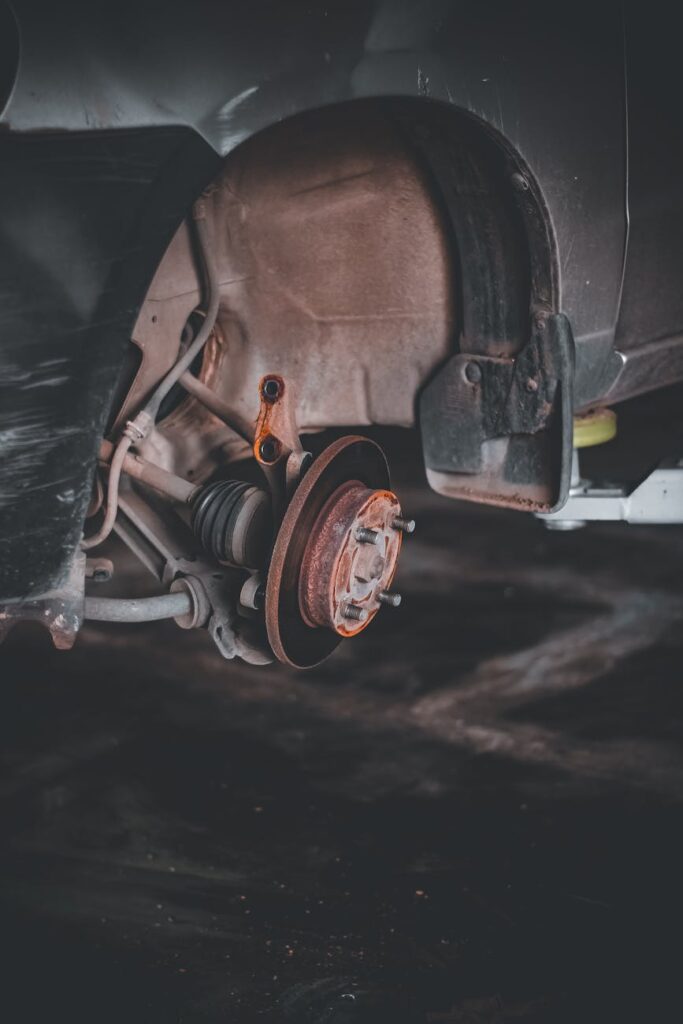
This post breaks down what a rear drum-to-disc conversion actually involves, what changes (and what doesn’t), and how to decide if it’s sensible for your use. While the focus is the Polo AW, the same logic applies to many VW Group cars on the MQB A0 platform and beyond—and the approach is similar to what owners of Audi, BMW, Mercedes, and JLR models face when considering brake upgrades.
🔧 Recommended Professional Tool
Cooling System Diagnostic ToolsProfessional coolant tester and infrared thermometer for accurate overheating diagnosis.
✔ Recommended by automotive technicians ✔ Suitable for BMW, Mercedes, VAG & JLR platforms ✔ Fast international shipping
2. Causes
People usually consider a rear drum-to-disc conversion for one or more of these reasons:
- Frustration with drum maintenance: Drums can seize, adjust poorly, or feel inconsistent if the car sits a lot.
- Appearance: Alloy wheels often show drums clearly; discs generally look “higher spec.”
- Driving style and use case:
- Frequent motorway use with heavy loads
- Hilly routes
- Regular towing (where permitted) or fully loaded family use
- Heat management expectations: Discs dissipate heat more easily than drums, at least in theory.
- Parts availability: Some owners assume discs are cheaper or easier to service (pads vs shoes, simpler inspection).
It’s also driven by online comparisons. Owners see that other trims within the same model range have rear discs and assume it’s a straightforward swap. Sometimes it is—but the details (ABS coding, hubs, parking brake setup) decide whether it stays “straightforward.”
3. Symptoms
A conversion isn’t a repair for most people; it’s an upgrade. But it’s often prompted by symptoms that owners attribute to drums:
- Handbrake feels weak or inconsistent
- Rear brakes squeal, scrape, or “grab” after rain or after the car has stood
- Uneven rear brake effort picked up during inspection or MOT-style testing
- Brake pedal feel doesn’t inspire confidence, especially when braking from higher speed
- Visible corrosion on drum backplates and hardware
- Rear wheels run hot after short journeys (possible binding or failed cylinder)
Important: many of these are caused by neglected maintenance (sticking adjusters, corroded hardware, seized wheel cylinders), not by the drum design itself.
4. How to diagnose
Before spending money on a conversion, confirm whether you actually have a drum problem worth fixing—or just normal drum behavior.
Basic checks you can do at home
- Handbrake travel: If it pulls very high before holding, the shoes may be out of adjustment or worn.
- Wheel temperature: After a normal drive, carefully compare rear wheel temperatures left vs right. A hotter wheel can indicate binding.
- Noise after rain: Light scraping the first few brake applications can be normal; persistent noise suggests hardware or shoe issues.
Workshop-level diagnosis
A good independent VAG specialist can check:
- Rear brake balance and efficiency on a brake roller tester
- Wheel cylinder leaks (brake fluid inside the drum is a red flag)
- Backplate corrosion and shoe hardware condition
- ABS/ESC fault memory and sensor plausibility
If the car is VW Group, many shops use ODIS (or equivalent) to:
- Scan ABS/ESC module for stored faults
- Verify coding and component versions
- Run basic settings where applicable after brake work
If you’re cross-shopping diagnostic expectations: BMW owners are used to ISTA, Mercedes owners to Xentry, and JLR owners to SDD/Pathfinder. The key point is the same—any conversion that changes ABS/ESC-related hardware needs proper coding and verification, not just bolt-on parts.
5. How to fix
You generally have two sensible paths: fix the drums properly or convert to discs. Both can be valid, but they solve different problems.
Option A: Properly refurbish the rear drums (often the best value)
A thorough drum service can restore performance and reliability:
- New brake shoes (quality OEM-equivalent)
- New hardware kit (springs, retainers, adjusters)
- New wheel cylinders (if leaking or seized)
- Clean and lubricate contact points with correct brake grease
- Inspect/replace corroded backplates if necessary
- Adjust and set the handbrake correctly
For many Polo AW owners, this delivers predictable braking and a good handbrake without the complexity of a conversion.
Option B: Rear drum-to-disc conversion (what it really involves)
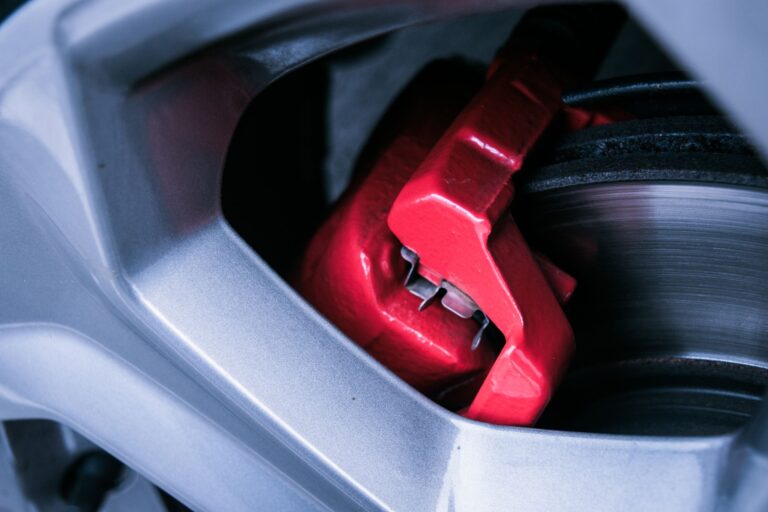
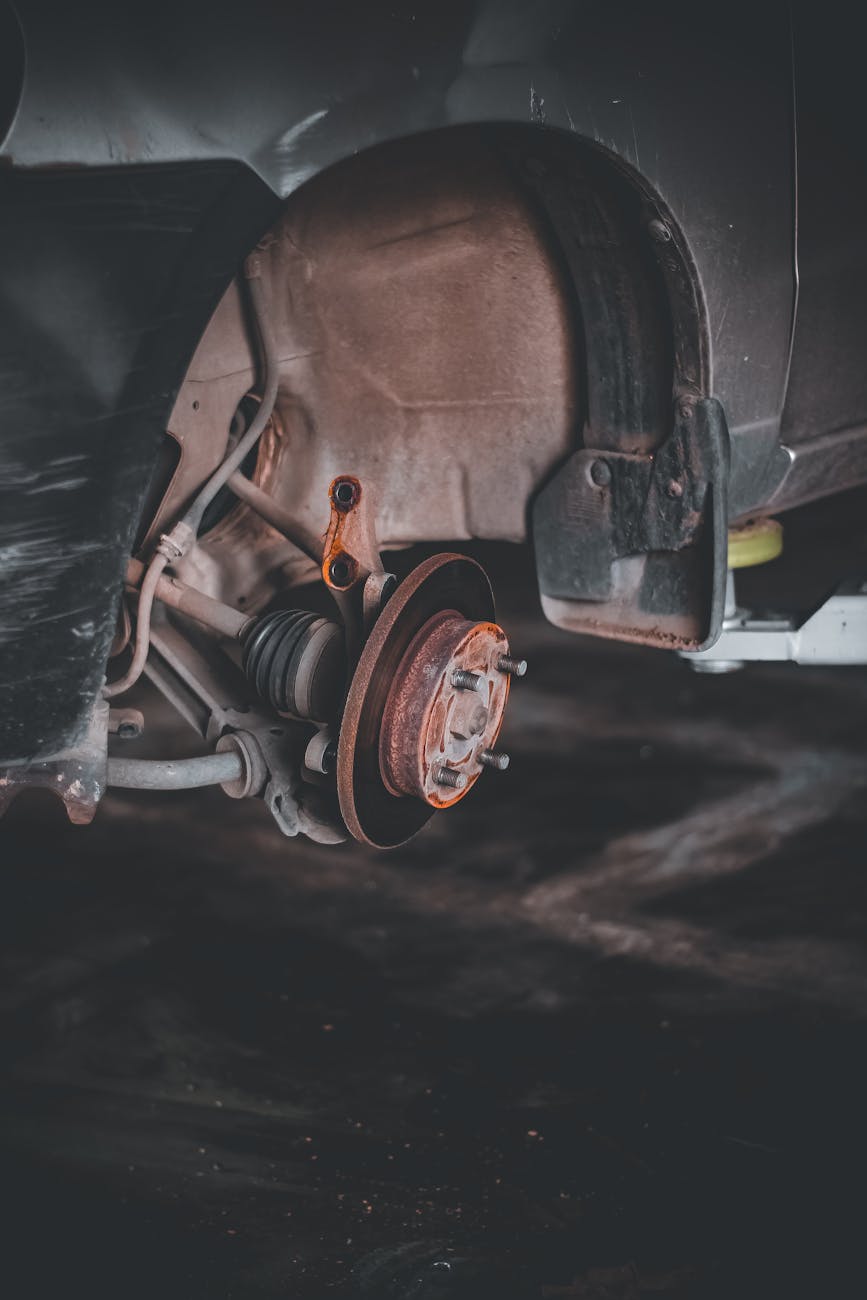
A true conversion typically requires more than discs and pads:
Common parts required (varies by exact axle and trim):
- Rear caliper carriers and calipers (left/right)
- Rear brake discs and pads
- Rear hubs/bearing carriers compatible with disc setup
- Splash shields/backplates for discs
- New brake hoses (sometimes hard lines differ)
- Parking brake components:
- Some setups use a mechanical cable to caliper lever
- Others use a drum-in-disc handbrake (more complex)
- ABS wheel speed sensor compatibility checks (sensors may be same, but mounting points differ)
- Potential master cylinder/ABS module considerations (less common, but coding may be required)
Coding and setup:
- ABS/ESC module may need coding changes so brake force distribution and monitoring match the new rear brake type.
- Using ODIS, a specialist may adapt coding to match a factory disc-brake configuration for the same platform/weight class (where supported).
- After any hydraulic work: proper bleeding (often pressure bleed) and road test to confirm ABS/ESC behavior.
Reality check: If you can source factory-equivalent parts from a higher trim Polo AW (or a closely related MQB A0 model) and the coding path is known, conversions can be tidy. If not, it can become a parts-compatibility puzzle.
6. Repair costs
Costs vary heavily by country, labor rate, and whether you choose OEM, OEM-equivalent, or used parts.
Refurbish drums (parts + labor)
Typical range: €180–€450
- Shoes + hardware: €40–€120
- Wheel cylinders (pair, if needed): €30–€90
- Labor (1.5–3.0 hours): €110–€300
- Add backplates if badly corroded: +€80–€200 parts plus extra labor
Drum-to-disc conversion (parts + labor)
Typical range: €700–€1,600
- Calipers + carriers: €200–€600 (more if new OEM)
- Discs + pads: €120–€250
- Hubs/backplates/ancillaries: €150–€450
- Brake hoses/lines + fluid: €40–€120
- Labor (4–8 hours): €300–€900
- Coding/diagnostics with ODIS: €50–€180
If you use second-hand parts, you might reduce parts cost—but you may add risk (seized calipers, worn carriers, mismatched revisions).
7. Prevention tips
Whether you keep drums or convert, good habits make the biggest difference:
- Drive it regularly: Drums hate long periods of sitting, especially in damp climates.
- Rinse winter salt from wheel arches and rear brakes when possible.
- Service rear brakes proactively every 2–3 years, not only when they fail an inspection.
- Use the handbrake correctly: Apply it firmly when parked; half-applied handbrakes encourage uneven wear and corrosion.
- Brake fluid changes every 2 years help protect cylinders/calipers and maintain performance.
8. When to see a mechanic
Book a professional inspection (and bring your conversion plan if that’s your goal) if:
- The handbrake won’t hold on a hill even after adjustment
- You notice brake fluid loss, rear wheel wetness, or a sinking pedal
- The car pulls, vibrates, or feels unstable under braking
- The rear brakes overheat or smell after short trips
- You want a conversion but need confirmation of:
- Parts compatibility for your exact axle code/spec
- Required ABS/ESC coding and whether it’s supported in ODIS
- Insurance/roadworthiness implications in your country
A reputable VAG specialist will tell you if a conversion is a clean OEM-style retrofit or a custom job likely to cause long-term hassle.
9. Frequently Asked Questions
Frequently Asked Questions
Will rear discs make my VW Polo AW 1.0 TSI stop faster?
In most everyday braking, the front brakes do the majority of the work, so peak stopping distance often changes little. Rear discs can improve consistency in certain repeated-braking or heat-heavy scenarios, but tyre condition and front brake health matter more.
Is the conversion mainly cosmetic, or are there real benefits?
For many owners it’s largely cosmetic and convenience-based (easier inspection and pad changes). Real benefits show up mainly with frequent heavy loads, long descents, or repeated high-speed braking where heat management matters.
Do I need coding with ODIS after converting rear drums to discs?
Often yes, especially if the ABS/ESC module expects a drum setup or a different rear brake configuration. A proper retrofit should be scanned, coded where required, and road-tested to ensure ABS/ESC behavior remains correct.
Can I just swap in discs, calipers, and pads without changing hubs or backplates?
Sometimes the hub/backplate differs between drum and disc variants, so a “simple swap” may not physically fit or align correctly. A specialist should confirm your axle specification and match parts to an OEM disc-brake configuration for your platform.
Will the conversion affect insurance or inspection legality?
It can, depending on country and insurer. Because it’s a braking system modification, you may need documentation, approval, or declaration, and an inspection station may check brake balance and component suitability more closely.