1. Introduction
The front wishbone arm (also called the front control arm) on the VW Polo 6R 1.2 TSI is a key suspension component that keeps the front wheel located correctly while allowing the suspension to move up and down. On European roads—potholes, speed bumps, rough urban surfaces, and winter damage—the wishbone’s rubber bushes and ball joint take a constant beating. When wear starts, you’ll often notice vague steering, clunks, uneven tyre wear, or a car that no longer feels “tight” at motorway speeds.
Recommended Tool: Professional OBD2 Scanner
Recommended Tool: Premium Brake Pads
Recommended Tool: OEM Suspension Components
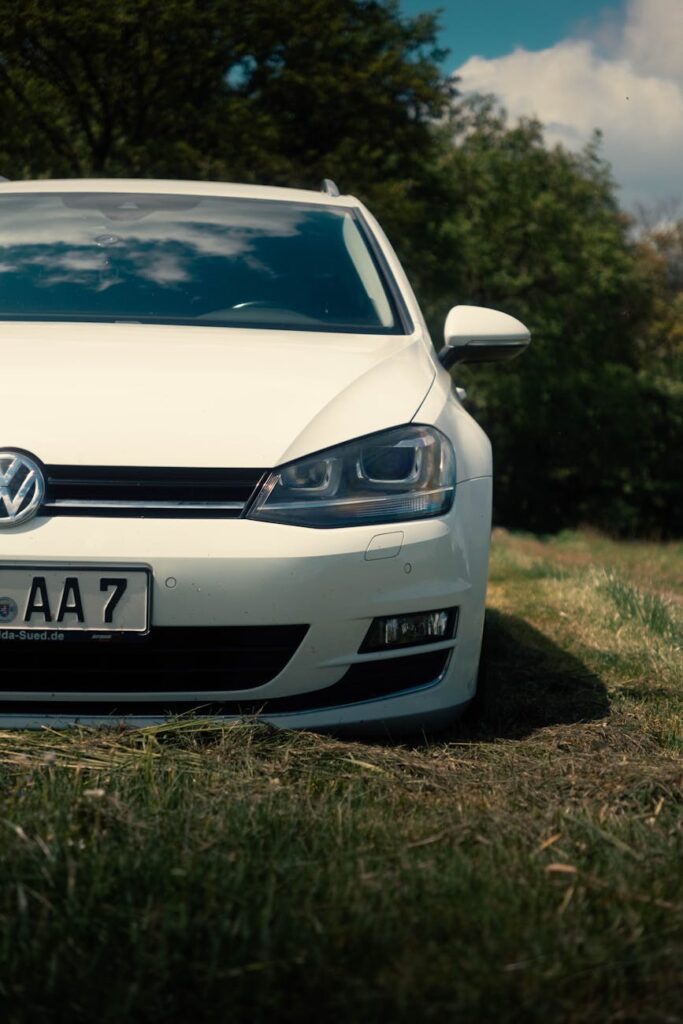
This article is for everyday VW Group owners (and relevant to BMW, Mercedes, Audi, and JLR owners too) who want practical guidance: what fails, what it feels like, how diagnosis works, and how to replace the arm sensibly. While the Polo 6R 1.2 TSI often runs the EA111/EA211 family depending on year, the suspension principles (and the “replace as an assembly” approach) are the same across many modern platforms—including Audi A1, Skoda Fabia, and SEAT Ibiza.
🔧 Recommended Professional Tool
Brake System UpgradePremium brake pads and diagnostic tools for vibration and braking issues.
✔ Recommended by automotive technicians ✔ Suitable for BMW, Mercedes, VAG & JLR platforms ✔ Fast international shipping
2. Causes
Front wishbone arms usually don’t fail all at once; the wear is progressive. Common causes include:
- Age and mileage: Rubber bushings harden and crack over time, especially after 8–12 years.
- Pothole impacts: A single hard hit can deform the arm or damage the ball joint.
- Salt and corrosion: Winter road salt accelerates corrosion on mounting hardware and ball joint protection.
- Worn ball joint boot: Once the rubber boot splits, grease escapes and dirt/water enters, accelerating wear.
- Incorrect installation: Tightening bush bolts with the suspension hanging can “preload” the rubber and shorten its life.
- Cheap parts: Low-quality aftermarket arms often use softer rubber or poor ball joint sealing, leading to early failure.
3. Symptoms
A worn wishbone arm typically shows up as handling changes before it becomes a safety issue. Watch for:
- Clunking/knocking over bumps or when steering at low speed
- Steering wander or the need to constantly correct on the motorway
- Vibration through the steering wheel, especially on rough surfaces
- Uneven tyre wear, often on the inner edges
- Pulling to one side under braking (can also be tyres/brakes, but suspension wear is common)
- Reduced braking stability, where the car feels unsettled as you slow down
On cars with driver-assist systems (even basic ABS/ESP), worn suspension can also contribute to stability control interventions that feel “too eager,” though the system itself may be fine.
4. How to diagnose
A correct diagnosis matters, because a knock can come from drop links, top mounts, track rod ends, or even loose subframe bolts. Here’s a practical approach:
Visual checks (driveway or ramps)
- Look at the front wishbone rear bush for cracking, separation, or oil contamination.
- Check the ball joint boot for splits or grease leakage.
- Compare left vs right: if one side looks “fresh” and the other is cracked, expect asymmetrical handling.
Wheel play checks (safely lifted)
With the wheel off the ground:
- Hold the tyre at 3 and 9 o’clock and rock it: play can indicate track rod end or inner tie rod, but can also be felt when the ball joint is badly worn.
- Hold the tyre at 6 and 12 o’clock: play may suggest ball joint or wheel bearing. A helper can apply the brake to help separate bearing play from joint play.
Lever test (best quick confirmation)
Using a pry bar carefully against the arm (not the boot), you can check if the bush moves excessively or if the ball joint has vertical movement.
Road test clues
- Clunk on initial brake application can indicate bush compliance.
- Knock when steering into a driveway at an angle is often ball joint or rear bush.
Diagnostic tools (when relevant)
On a Polo, you won’t use dealer platforms like ISTA or Xentry, but ODIS (VW Group) can help confirm there aren’t parallel faults (e.g., steering angle sensor calibration issues) and can document alignment-related data after repairs. If you also own BMW/Mercedes/JLR vehicles, the same logic applies: ISTA, Xentry, SDD/Pathfinder won’t “detect” a worn bush directly, but they help rule out related faults and guide calibration after suspension work.
5. How to fix
In most cases, the sensible repair is replacing the entire wishbone arm assembly (arm + bushes + ball joint), rather than pressing bushes in and out. It’s faster, usually more reliable, and avoids paying labour twice.
Replacement tips that matter
- Replace in pairs when possible: If one side is worn, the other is often close behind. Pair replacement improves handling symmetry.
- Use quality parts: OEM or reputable brands (e.g., Lemförder, TRW, Febi—depending on availability and exact application). Cheap arms can feel fine initially, then loosen quickly.
- New bolts where specified: Many VW Group suspension bolts are torque-to-yield. Reusing them can risk loosening or incorrect clamping force.
- Final torque at ride height: Bush bolts should be tightened with the suspension loaded (or supported at normal ride height) to avoid twisting the rubber at rest.
- Get a wheel alignment afterward: Even if nothing “looks” out, control arm geometry affects toe and camber.
OEM cross-references (how to approach it)
VW Group part numbers can vary by PR code, engine, and production date. The safest method is:
- Decode via VIN and PR codes
- Cross-check the arm number against OEM catalogues
- Confirm whether your Polo uses a separate ball joint or an integrated design (many are integrated on smaller platforms)
If you’re comparing listings online, verify:
- Left vs right orientation
- Bush design and bracket shape
- Ball joint taper and mounting style
6. Repair costs
Costs vary by country, labour rate, and whether bolts/alignment are included. Realistic European ranges:
Parts (per side)
- Aftermarket budget wishbone arm: €40–€80
- Good-quality aftermarket/OE supplier: €80–€160
- Genuine VW part (where available): €140–€250
- New bolts/hardware: €10–€30
Labour (per side)
- Typical labour time: 1.0–1.8 hours
- Labour cost range: €80–€220 (depending on local rates)
Wheel alignment
- Front axle alignment check/adjust: €60–€120
Total typical invoice
- One side (quality parts + alignment share): €220–€450
- Both sides (quality parts + alignment): €420–€800
If rust complicates bolt removal or the ball joint is seized, expect added labour.
7. Prevention tips
You can’t stop wear completely, but you can extend component life and catch problems early:
- Avoid hard pothole impacts where possible; slow down before rough patches.
- Keep tyres properly inflated; underinflation increases suspension load.
- Wash winter salt off the underside periodically, especially after harsh conditions.
- Check bushes annually during tyre changes or servicing.
- Fix small knocks early: A worn bush can accelerate tyre wear and stress other suspension parts (drop links, track rods).
8. When to see a mechanic
Book a professional inspection if:
- You hear persistent clunks that don’t go away after checking obvious items (loose wheel bolts, obvious tyre damage).
- The car pulls under braking or feels unstable at speed.
- You see uneven inner tyre wear—this can become expensive quickly.
- The steering feels vague or doesn’t self-centre properly.
- You don’t have safe lifting equipment: suspension checks require the car to be securely raised.
A good independent VW specialist can confirm wear quickly and advise whether to replace one side or both, and whether you also need drop links, top mounts, or track rod ends.
9. Frequently Asked Questions
Frequently Asked Questions
Do I have to replace the whole wishbone arm, or can I replace just the bushes?
You can replace bushes alone on some setups, but labour is often similar to fitting a complete arm and pressing bushes can add cost and variability. A complete arm usually gives more predictable results because you also get a fresh ball joint. For most owners, replacing the full arm assembly is the simplest and most durable option.
Should I replace both front wishbone arms at the same time?
If one side is worn, the other is commonly not far behind, especially on cars with similar mileage and road exposure. Replacing both helps keep handling consistent left-to-right and can reduce the chance of a second alignment visit. If budget is tight, replacing only the failed side is possible, but monitor the other side closely.
Will I need a wheel alignment after replacing a wishbone arm?
Yes, it’s strongly recommended. Even small geometry changes can affect toe and tyre wear, and the steering wheel may sit off-centre without adjustment. An alignment also confirms there isn’t another underlying issue.
What’s the difference between OEM, OE supplier, and cheap aftermarket arms?
OEM is the genuine branded part sold through the manufacturer network. OE supplier parts are often made by the same companies that produce components for the factory, and they typically offer very similar quality. Cheap aftermarket parts may use lower-grade rubber and seals, which can lead to faster wear and repeated labour costs.
Can a worn wishbone arm cause vibration that feels like wheel imbalance?
Yes, it can, especially if the rear bush allows the wheel to move slightly under load. That said, vibration is also commonly caused by tyres, wheel balance, or a bent rim, so it’s worth checking those too. A proper inspection will separate suspension movement from wheel-related vibration.