1. Introduction
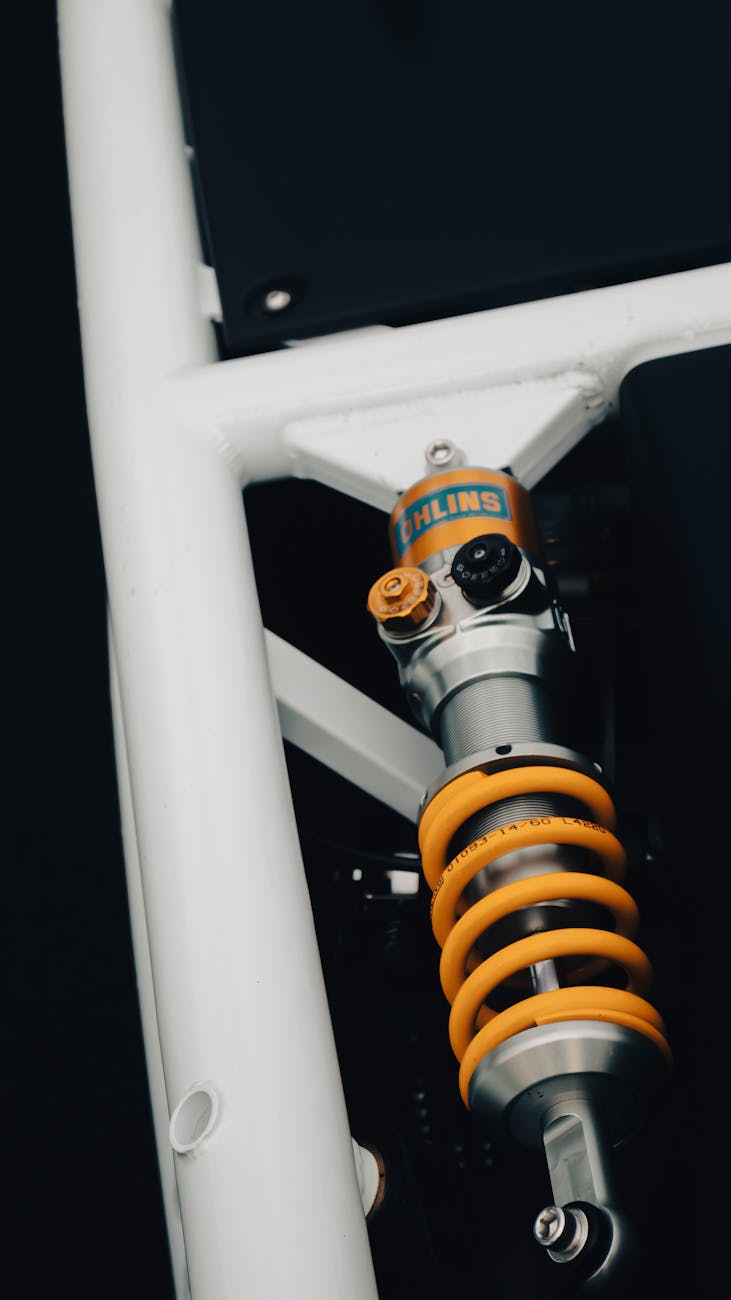
Rear shock absorbers on the VW Passat B8 (2014–2023) do more than “smooth out bumps.” They keep the rear tyres planted, help the car stay stable under braking, and control how the body moves when you’re loaded up with passengers or luggage. When shocks wear out, the car can still feel “okay” around town—until you hit an emergency stop, a wet roundabout, or a fast motorway lane change and discover the rear end is no longer as controlled as it should be.
Recommended Tool: Professional OBD2 Scanner
Recommended Tool: OEM Suspension Components
Recommended Tool: Transmission Diagnostic Tools
This guide is for everyday European owners comparing OEM vs aftermarket rear shock options for the Passat B8—most commonly on 2.0 TDI variants (EA288 engine family) with either 6-speed manual or DSG (DQ250/DQ381 depending on model year/trim). The same buying logic also helps owners of Audi, BMW, Mercedes, and JLR products, where suspension choices similarly affect ride, safety, and tyre wear.
🔧 Recommended Professional Tool
DSG Transmission Service KitProfessional tools for DSG gearbox service
✔ Recommended by automotive technicians ✔ Suitable for BMW, Mercedes, VAG & JLR platforms ✔ Fast international shipping
2. Causes
Rear shocks are wear items. They degrade slowly, which is why many owners don’t notice until performance is clearly reduced. Common causes on the Passat B8 include:
- Age and mileage: Seals harden, oil aerates, and damping fades (often noticeable from ~120,000–180,000 km, sometimes earlier on poor roads).
- Heavy loading and towing: Frequent full-boot loads or towing stresses the rear dampers and mounts.
- Bad road surfaces: Repeated pothole hits can bend a damper rod or damage internal valves.
- Leaking seals: Even a light misting can become a proper leak, reducing damping quickly.
- Worn top mounts/bushings: These can mimic shock wear and create noise even if the damper is still decent.
- Wrong parts fitted previously: Incorrect damping rate (or mixing left/right brands) can create instability and odd ride behaviour.
3. Symptoms
Rear shock issues often show up as “handling feel” changes rather than a single obvious fault. Typical symptoms include:
- Rear end feels floaty or bouncy, especially over undulating roads
- Extra body movement after speed bumps (more than one rebound)
- Knocking/clunking from the rear (often mounts or bushings, but can be internal damper play)
- Rear squat feels excessive when accelerating (more noticeable on torquey 2.0 TDI)
- Longer braking distance or rear instability under heavy braking
- Uneven rear tyre wear (cupping/scalloping)
- Poor traction on wet roads, with traction control intervening earlier than usual
If your Passat has DCC (Dynamic Chassis Control), symptoms can be more pronounced because a failing damper can also trigger faults or inconsistent ride height/feel between modes.
4. How to diagnose
You don’t need a workshop to do initial checks, but a proper diagnosis helps you avoid replacing the wrong parts.
Quick driveway checks
- Visual inspection: Look for oil leaks down the damper body. A light film isn’t always fatal; a wet, dirty streak usually is.
- Bounce test (limited value): Push down on the rear corner and release. If it rebounds more than once, damping may be weak—but modern suspensions can “pass” this test even with worn shocks.
- Listen for noise: A clunk over small bumps can be a top mount, drop link, or loose trim—don’t assume shock failure.
- Tyre check: Run your hand over the tyre tread; cupping can suggest poor damping.
Road test clues (best done safely)
- Find a familiar uneven road and drive at a consistent speed.
- Note whether the rear feels like it keeps oscillating after a bump, or if it skips sideways mid-corner.
- With passengers/luggage, see if the rear becomes noticeably less controlled.
Scan tools (helpful on DCC cars)
On Passat B8, VAG diagnostics via ODIS (or a good independent VAG tool) can check for:
- DCC-related fault codes (if equipped)
- Ride mode inconsistencies
- Wiring/connector issues at the damper (on electronically controlled dampers)
If you’re cross-shopping logic from other brands: BMW owners might confirm related chassis faults in ISTA, Mercedes in Xentry, and JLR in SDD/Pathfinder—but for a standard non-DCC Passat, faults often won’t store even when shocks are worn.
Rule of thumb
If one rear shock is clearly weak or leaking, replace both rears as a pair. Mixing new/old often causes imbalance and unpredictable handling.
5. How to fix
Fixing rear damping issues is usually straightforward: replace the rear shocks (and ideally the related wear parts), then align/check the car.
What to replace (recommended)
- Rear shock absorbers (pair)
- Top mounts/bushings (often inexpensive and worth doing “while you’re in there”)
- Bump stops and dust boots if cracked or missing
- Check rear springs for cracks and rear anti-roll bar links for play (not always necessary, but common companions)
OEM vs aftermarket: how to choose
OEM (Volkswagen Genuine / factory supplier)
Pros:
- Predictable ride quality close to factory tuning
- Best chance of matching left/right damping and NVH
- Often the safest choice if you value original comfort and stability
Cons:
- Higher price
- Counterfeit risk if buying from unknown online sellers
Best for:
- Owners who want “like-new Passat” ride
- Cars with DCC (where correct spec matters more)
- Long motorway use where stability matters
Aftermarket (quality brands)
Aftermarket isn’t automatically “worse.” Many reputable brands either supply OEM or build to similar standards.
Pros:
- Lower cost for comparable performance
- Wider choice (comfort-focused vs sportier damping)
- Easier availability from trusted motor factors
Cons:
- Big variation between budget and premium lines
- Some “cheap” dampers can feel underdamped or harsh
- Ride may not match factory exactly
Best for:
- Higher-mileage cars where cost matters
- Owners who want a slightly firmer or more controlled feel (choose the right product line)
Important: DCC-equipped Passat B8
If your car has DCC, you typically need electronic dampers that match the system. Using non-DCC shocks can trigger faults and degrade performance. Confirm PR codes and part numbers before ordering; a VAG specialist can verify via VIN and ODIS.
After fitting
- Ensure fasteners are tightened to correct torque (many are torque-to-yield)
- Check ride height sits evenly
- Consider a 4-wheel alignment check, especially if you changed mounts or noticed tyre wear
6. Repair costs
Prices vary across Europe (labour rates, parts supply, and whether your car has DCC). Realistic ranges:
Non-DCC rear shocks (typical Passat B8)
- Parts (pair):
- OEM: €220–€450
- Quality aftermarket: €160–€350
- Budget aftermarket: €90–€180 (not recommended for long-term handling consistency)
- Labour: €150–€300 (about 1.0–2.0 hours depending on shop and corrosion)
- Optional add-ons:
- Mounts/bump stops/boots: €40–€120
- Alignment check: €80–€150
Total typical: €350–€750 (more if extra hardware is seized or additional rear suspension parts are worn)
DCC-equipped cars
- Parts (pair): often €600–€1,200+ depending on brand and availability
- Labour: €200–€400
- Possible coding/basic settings: may be required; allow €50–€150 depending on workshop
Total typical: €850–€1,700
7. Prevention tips
You can’t stop shocks wearing out, but you can slow down the damage and catch issues earlier:
- Avoid hitting potholes and kerbs—especially with low-profile tyres
- Keep tyres at correct pressures (underinflation increases suspension load)
- Don’t ignore small rear knocks; a worn mount can accelerate damper wear
- If you tow regularly, consider more frequent inspections
- Rotate tyres and watch for cupping/scalloping—often an early clue
- After winter, rinse road salt from the underbody to reduce corrosion on fasteners and mounts
8. When to see a mechanic
Book a professional inspection if:
- You see oil leaking from a rear damper
- The car feels unstable on the motorway or in crosswinds
- Rear tyre wear becomes uneven or noisy
- There’s persistent clunking you can’t clearly identify
- You have DCC faults, warnings, or drive mode inconsistencies (a shop with ODIS is ideal)
Also consider a mechanic if you’re unsure about correct parts. Passat B8 suspension varies by axle load rating, trim, and options—ordering by VIN reduces mistakes.
9. Frequently Asked Questions
Frequently Asked Questions
How do I know if my Passat B8 has DCC, and why does it matter for rear shocks?
If your car has selectable suspension modes that change damping feel, it may have DCC. The correct way to confirm is by VIN build data/PR codes or a scan with ODIS. DCC cars require compatible electronic dampers; fitting standard shocks can cause faults and poor ride control.
Is it okay to replace only one rear shock absorber?
It’s strongly discouraged. A new shock on one side and a worn shock on the other can create uneven damping, affecting stability under braking and in corners. Replacing shocks in axle pairs gives consistent handling and usually improves tyre wear.
Are aftermarket rear shocks as good as OEM for the Passat B8 2.0 TDI?
Quality aftermarket shocks from reputable brands can be very close to OEM in comfort and control, and sometimes equal the original supplier. The risk is mainly with very cheap units, which may wear faster or feel mismatched. If you value factory ride, choose OEM or a premium aftermarket line designed for OE-style comfort.
Should I replace rear mounts and bump stops when I do the shocks?
Often yes, especially on higher-mileage cars. Mounts and bump stops are inexpensive compared with the labour and can prevent knocks, premature wear, and repeat visits. If they look cracked, collapsed, or noisy, replacing them is good value.
Will new rear shocks fix rear knocking noises?
Not always. Knocking can come from top mounts, anti-roll bar links, spring seats, or even loose exhaust hangers and boot trim. A proper inspection—ideally with the suspension unloaded—helps pinpoint the source before you spend money on parts.