1. Introduction
Brake dust is one of the most common “why won’t my wheels stay clean?” complaints among European car owners. It’s especially noticeable on Audi, VW, BMW, Mercedes, and Jaguar/Land Rover models because many of these cars leave the factory with high-friction brake pads designed for strong cold-bite and consistent stopping power. The downside is that some pad and rotor combinations shed a lot of material, turning your front wheels dark within days—particularly in city driving.
Recommended Tool: Professional OBD2 Scanner
Recommended Tool: Premium Brake Pads
Recommended Tool: Cooling System Diagnostic Tools
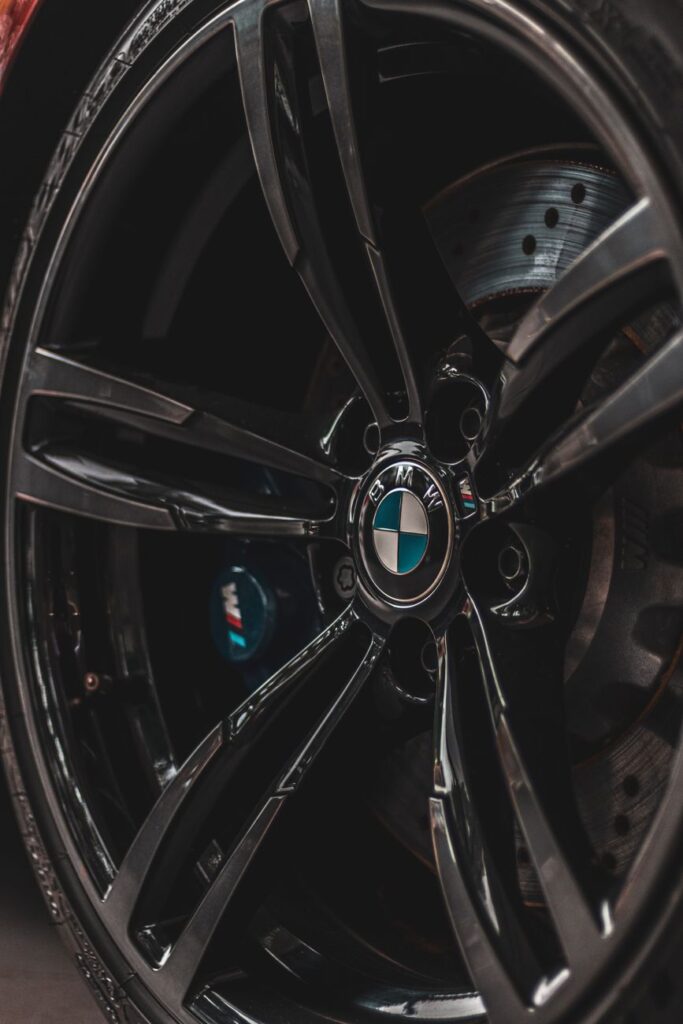
The good news: heavy brake dust is often normal, but it can also be a clue that something isn’t working as intended. This guide explains why it happens, what’s normal vs not, how to diagnose it in a driveway-friendly way, and what practical solutions actually reduce dust without compromising safety.
🔧 Recommended Professional Tool
DSG Transmission Service KitProfessional tools for DSG gearbox service
✔ Recommended by automotive technicians ✔ Suitable for BMW, Mercedes, VAG & JLR platforms ✔ Fast international shipping
2. Causes
Brake dust is a mix of pad material, rotor material, road grime, and sometimes corrosion products. On VW Group cars (VW, Audi, Škoda, SEAT, Cupra, Porsche), dust levels are mainly influenced by pad compound choice and braking system setup.
Common reasons VW Group cars produce heavy brake dust
- High-friction OEM pad compounds
Many factory pads prioritize initial bite and predictable stopping in wet/cold conditions, which often means more dust. - Pad and rotor material pairing
Softer pads are easier on rotors but can dust more. Some semi-metallic pads also shed visible dark particles. - Urban driving and automatic transmissions
Stop-start traffic creates lots of light braking, which increases pad wear and dust. DSG and torque-converter automatics can encourage “creep” braking, especially in parking and congestion. - Performance brakes and bigger wheels
S/RS models, GTI/GTD, R models, and vehicles with larger brakes (or aggressive aftermarket pads) can generate more dust simply because they’re capable of more braking force. - Sticking caliper slide pins or piston issues
If a caliper doesn’t release cleanly, the pad drags the rotor, creating excessive dust and heat. - Electronic parking brake (EPB) rear caliper problems
Some models with EPB can suffer from partial drag if the mechanism or calibration is off. - Wheel and tire choice
Open-spoke wheels show dust more. Dark metallic dust is also more visible on light-colored wheels.
3. Symptoms
Brake dust itself is normal, but certain patterns suggest a problem rather than just “dusty pads.”
Usually normal
- Front wheels get dirty faster than rear wheels (front brakes do most of the work).
- Dust is evenly distributed on both front wheels.
- Brakes feel smooth, quiet, and consistent.
Possible fault indicators
- One wheel gets much dirtier than the others (dragging caliper or stuck pad).
- Brake smell after normal driving (overheating/drag).
- Steering wheel vibration under braking (rotor thickness variation or uneven pad transfer).
- Squealing/grinding noises, especially when warm.
- Reduced fuel economy or the car feels slightly “held back.”
- Excessive brake heat on one corner (wheel feels unusually hot compared with others).
4. How to diagnose
You don’t need a workshop to do basic checks, but you should be careful—brakes can get very hot. If you suspect drag, let the car cool before touching anything.
Step-by-step checks for everyday owners
- Compare dust patterns
After 2–3 days of normal use, check if dust is similar left-to-right on the same axle. A big difference points to a mechanical issue rather than pad choice. - Quick heat comparison
After a normal drive (no hard braking), park and carefully feel near each wheel (without touching the disc). If one corner radiates much more heat, suspect pad drag. - Visual inspection through the wheel
Look for:- Uneven pad thickness left vs right
- Deep rotor grooves or heavy rust lips
- Pads sitting crooked (possible seized slides)
- Listen and feel
Light scraping at low speed can be normal, but persistent scraping, pulsing, or a “dead” pedal feel warrants deeper inspection. - Check for fault codes and EPB status (when relevant)
If your car has an electronic parking brake, a scan can help. VW Group owners with access to ODIS (dealer-level) or a capable scan tool can check for EPB/ABS-related faults, brake pad wear sensor codes, or calibration issues. While brake dust won’t trigger codes by itself, a dragging EPB motor or ABS/ESC issue sometimes will.
When to stop DIY diagnosing
- If the car pulls to one side under braking
- If you smell burning after short trips
- If the wheel is too hot to approach comfortably
5. How to fix
Your solution depends on whether the dust is “normal dusty” or “dusty because something’s wrong.”
If it’s normal dust from pad choice
- Switch to low-dust pads
A quality ceramic or low-metallic “low dust” pad reduces visible dust dramatically. Choose a reputable brand and the correct spec for your exact model and brake size. - Consider matched rotors
Some pads behave best with a particular rotor finish or material. Replacing pads only can work, but pairing pads with fresh rotors can improve bedding and reduce uneven deposits. - Improve wheel protection
A proper wheel sealant or ceramic coating won’t stop dust, but it makes cleaning much easier and reduces staining.
If there’s likely brake drag or uneven wear
- Clean and lubricate caliper slide pins
Seized or dry slide pins cause uneven pad contact and excess dust. This is common on cars used in wet/salty climates. - Service or replace sticking calipers
A sticking piston seal can keep a pad lightly applied. Sometimes a rebuild is possible; often a replacement caliper is more cost-effective. - Address EPB issues on rear calipers
If the rear brakes drag, the EPB mechanism may need service or replacement, followed by a proper calibration using ODIS-capable tooling. - Brake fluid service (if overdue)
Old fluid can contribute to sticking issues under heat and increases corrosion risk in calipers. Many VW Group schedules suggest fluid every 2 years.
Bedding-in matters
After pad/rotor changes, correct bedding-in reduces noise, vibration, and uneven transfer layers that can mimic “dirty, grabby brakes.” Follow the pad manufacturer’s process; avoid hard stops immediately after installation unless instructed.
6. Repair costs
Costs vary by model (Golf vs Touareg), brake size, and whether you have standard or performance brakes. Below are realistic EU/UK-style ranges for parts + labor.
- Front pads only (standard brakes): €180–€350
- Front pads + rotors (standard): €350–€700
- Rear pads only: €160–€320
- Rear pads + rotors: €300–€650
- Low-dust pad upgrade (pads only, per axle): add €20–€80 versus basic pads
- Caliper slide service (per axle): €80–€180 (if no parts needed)
- Replace one caliper (standard): €250–€600
- Replace EPB rear caliper (one side) + calibration: €350–€800
- Brake fluid flush: €70–€140
- Performance models (GTI/R/S/RS): often 30–80% higher depending on rotor type and pad spec
If you drive a model with larger brakes or multi-piston calipers, expect higher parts prices and sometimes more labor time.
7. Prevention tips
Brake dust can’t be eliminated, but it can be reduced and managed.
- Choose the right pad compound for your driving
If you mainly commute and don’t tow or drive hard, a low-dust pad is usually a good fit. If you regularly drive mountain roads, prioritize temperature stability and fade resistance. - Wash wheels safely and regularly
Don’t let dust bake on for months—especially on diamond-cut wheels where staining can become permanent. - Apply a wheel sealant or ceramic coating
This doesn’t reduce dust production, but it makes weekly cleaning fast and reduces corrosion spotting. - Avoid riding the brakes
Use engine braking where appropriate (especially on long descents) and maintain safe following distances to reduce constant light braking. - Keep brake fluid fresh
Regular fluid changes help the system operate consistently and reduce internal corrosion risk.
8. When to see a mechanic
Book a professional inspection if any of the following apply:
- One wheel is consistently much dustier than the others
- You notice burning smells, smoke, or extreme heat from one corner
- The car pulls under braking or the steering wheel shakes during braking
- You hear grinding (possible pad-to-metal contact)
- You have an EPB warning light or ABS/ESC faults that accompany brake drag
A good independent specialist familiar with VW Group cars—and ideally equipped with proper diagnostic tooling—can confirm whether you’re dealing with pad compound dust or a mechanical problem like a seized slide or EPB malfunction.
9. Frequently Asked Questions
Frequently Asked Questions
Why do my VW or Audi front wheels get dirty so much faster than the rear?
Front brakes do most of the stopping, so the front pads wear faster and create more dust. Many VW Group OEM pad compounds also prioritize strong initial bite, which typically produces more visible dust. This is usually normal if both front wheels look similar.
Is brake dust a sign that my pads are worn out?
Not by itself. Pads can produce heavy dust even when they have plenty of thickness left, especially with high-friction compounds. The best indicator is a visual pad thickness check or a wear sensor warning if your car is equipped.
Can low-dust pads reduce braking performance?
Some low-dust pads have slightly less initial bite when cold, depending on the brand and compound. For normal commuting, many quality low-dust options remain safe and predictable, but you should match the pad to your driving style and vehicle weight. If you drive hard or tow, choose a pad known for higher temperature stability.
Why is only one wheel covered in brake dust?
That often points to a sticking caliper, seized slide pins, or a pad that isn’t retracting properly. It can also happen with EPB-equipped rear calipers if the mechanism is dragging. A prompt inspection is recommended to prevent rotor damage and overheating.
Will ceramic coating stop brake dust from sticking?
It won’t stop dust from being created, but it makes wheels much easier to clean and helps prevent staining. Dust will still accumulate, just with less scrubbing needed. For best results, clean and decontaminate the wheel thoroughly before applying the coating.