1. Introduction
If you drive a VW Golf Mk7 (2012–2020), you already know it’s one of the most “all-round” cars in Europe: refined enough for motorway commuting, compact enough for city streets, and available with everything from the 1.0 TSI to the GTI/R performance models. But like any modern hatchback, the Golf Mk7’s suspension has a handful of common weak points that show up as the mileage climbs, especially on rough roads, cars running larger wheels, or vehicles with adaptive damping (DCC).
Recommended Tool: Professional OBD2 Scanner
Recommended Tool: OEM Suspension Components
Recommended Tool: Transmission Diagnostic Tools
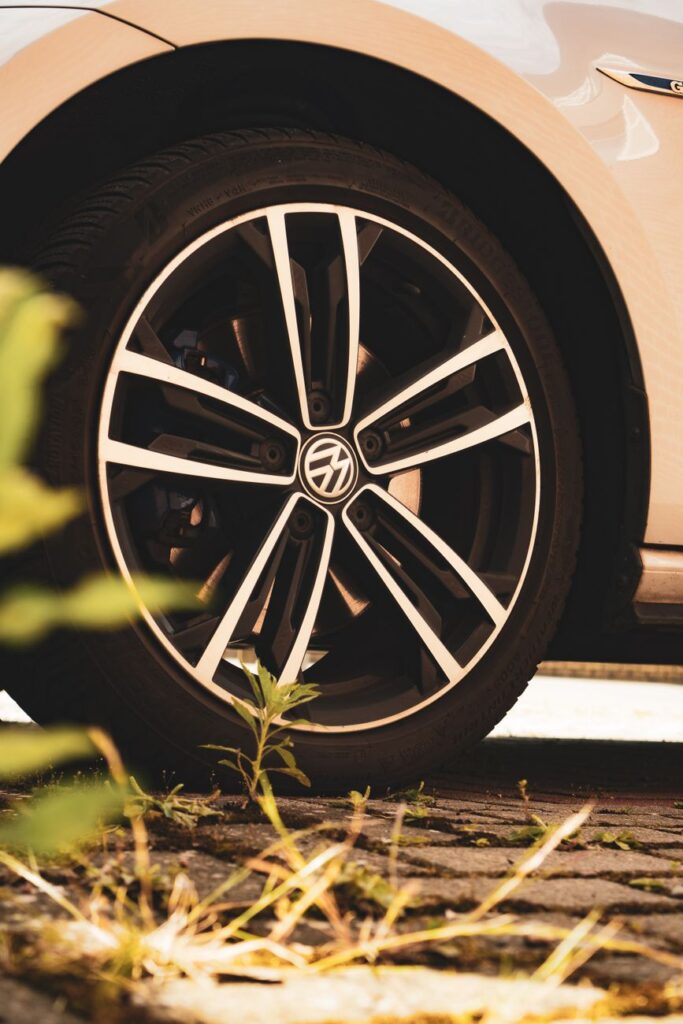
This guide is written for everyday owners, not mechanics. The goal is to help you recognise typical suspension faults early, understand what usually causes them, and have a realistic idea of diagnosis and repair costs at independent specialists versus main dealers. Where relevant, you’ll also see references to VW Group diagnostic routines in ODIS, because many workshops use it to confirm sensor or module-related issues.
🔧 Recommended Professional Tool
DSG Transmission Service KitProfessional tools for DSG gearbox service
✔ Recommended by automotive technicians ✔ Suitable for BMW, Mercedes, VAG & JLR platforms ✔ Fast international shipping
2. Causes
Suspension problems on the Mk7 usually come down to wear, impact damage, or corrosion-related play. The most common causes include:
-
Worn front control arm rear bushes (hydrobushes)
These take a lot of load during braking and over bumps. They can soften, crack, or leak fluid, leading to vague steering and instability. -
Drop links and anti-roll bar bush wear
Often the first source of low-speed clunks. Cheap aftermarket links can also fail early. -
Top mounts and bearings (front strut mounts)
The bearing can bind or the rubber can split, causing creaks, knocks, or poor self-centring of the steering. -
Shock absorber wear or leaks (standard or DCC)
Conventional dampers gradually lose control; DCC dampers can fail more abruptly and are far more expensive. -
Rear trailing arm bushes and rear shock mounts
These can cause rear-end “steer” feeling, thumps, or uneven tyre wear. -
Wheel/tyre impacts and alignment drift
Potholes bend rims, damage tyres, and can knock alignment out—often mistaken for “bad suspension” when the root cause is geometry. -
Lowered springs and oversized wheels
Common on GTI/R and modified cars; they increase suspension travel demands and can accelerate bushing and damper wear.
3. Symptoms
Suspension issues tend to announce themselves gradually. Watch for:
- Clunking or knocking over speed bumps or cobbles
- Creaking when turning at low speed (parking manoeuvres)
- Steering that feels vague, twitchy, or “windscreen-wipery” on motorways
- Car pulling left/right, especially under braking
- Excessive bouncing after a bump, or a harsh crashy ride
- Uneven tyre wear (inside edges are a classic sign of alignment or bush play)
- Steering wheel not returning smoothly to centre
- On DCC cars: suspension mode not changing feel, or warning messages (less common, but possible)
4. How to diagnose
You don’t need a ramp to do a first-pass check, but you do need to be systematic.
Basic checks you can do at home
- Tyre and wheel check:
Look for bulges, cupping, inner-edge wear, or bent rims. Uneven wear can mimic suspension faults. - Bounce test (limited value, but helpful):
Push down firmly on each corner. If it continues to oscillate, damping may be weak. - Listen and localise:
Clunks over bumps are often drop links, top mounts, or control arm bushes. Rear knocks can be shock mounts or rear bushes.
What a good workshop will do
A competent VW specialist will typically:
- Perform a road test on broken surfaces and smooth roads to separate tyre noise from suspension knocks.
- Do a lever-bar inspection of bushes and ball joints with the car lifted and suspension loaded appropriately.
- Check for damper leaks and broken spring ends (springs can snap at the bottom coil).
- Measure wheel alignment and inspect for accident or kerb impact.
- If DCC is fitted, run a scan with ODIS to check for stored faults in the damping control module, sensor plausibility, and coding issues after previous repairs.
Notes for DSG-equipped cars
While the DSG gearbox (e.g., DQ200/DQ250 depending on engine) isn’t part of the suspension, drivetrain mounts can create thumps that feel like suspension knocks. A workshop may check engine/gearbox mounts if the noise occurs during take-up or gear changes rather than bumps.
5. How to fix
The right repair depends on what’s worn—and replacing the wrong part is common when noises are misdiagnosed.
Common fixes
- Front control arm rear bushes or complete control arms
Many workshops replace the whole arm for speed and warranty reasons, especially if the ball joint is also worn. - Drop links and anti-roll bar bushes
Often inexpensive and effective for clunks. Use quality parts; bargain links can rattle again quickly. - Top mounts and bearings
Best replaced in pairs. If you’re doing mounts, it’s often sensible to assess the dampers at the same time. - Shock absorbers (standard or DCC)
Replace in axle pairs. DCC shocks may require coding/adaptation checks in ODIS depending on the model year and system. - Rear bushings/mounts
Rear shock mounts and trailing arm bushes can transform stability when worn.
Alignment is part of the repair
After any suspension work affecting arms, subframes, or struts, plan for a four-wheel alignment. On the Mk7, correct geometry is crucial for straight-line stability and tyre life.
6. Repair costs
Costs vary by country, labour rate, and whether you use OEM, OE-supplier, or budget aftermarket parts. Below are realistic European ranges (parts + labour):
- Front drop links (pair): €120–€250
- Anti-roll bar bushes: €150–€300 (labour can dominate depending on access)
- Front top mounts + bearings (pair): €250–€500
- Front control arms (pair, complete): €450–€900
(If only rear bushes are replaced, it can be cheaper, but labour may rise.) - Front shocks (pair, standard): €500–€1,000
- Front shocks (pair, DCC): €1,200–€2,200
- Rear shocks (pair, standard): €350–€700
- Rear shocks (pair, DCC): €900–€1,800
- Four-wheel alignment: €80–€160
- Diagnosing a noise (road test + inspection): €60–€150
(Some workshops waive it if you proceed with repairs.)
Tip: If your Golf is a GTI/R or regularly carries heavy loads, uprated OE-supplier components can make sense, but avoid overly stiff parts that worsen ride and accelerate wear elsewhere.
7. Prevention tips
You can’t prevent all wear, but you can slow it down and catch issues early:
- Keep tyres correctly inflated and avoid mixing budget tyres with premium ones across an axle.
- Get alignment checked after any big pothole hit or kerb strike, not just after tyre replacement.
- Avoid running very low-profile tyres unless you accept higher suspension wear risk.
- Wash winter salt off the underbody when possible; corrosion accelerates seized fasteners and bushing deterioration.
- Don’t ignore small knocks—a worn drop link is cheap; leaving it can stress other components.
8. When to see a mechanic
Book an inspection promptly if you notice any of the following:
- The car feels unstable during braking or lane changes
- A repeated clunk appears over small bumps and is getting worse
- Tyres are wearing unevenly or cords are showing on the inner edge
- Steering feels notchy, doesn’t self-centre, or you hear a spring “twang”
- You have DCC warnings or the ride suddenly becomes very harsh on one corner
A good independent VW Group specialist with ODIS access can usually pinpoint the issue faster, especially on DCC-equipped cars where electronic and mechanical faults can overlap.
9. Frequently Asked Questions
Frequently Asked Questions
Is it safe to keep driving with a suspension knock on my Golf Mk7?
It depends on the cause. A worn drop link may be more annoying than dangerous, but a failing control arm bush or ball joint can affect braking stability and steering control. If the car feels unstable or the noise worsens quickly, have it inspected soon.
How do I know if my Golf has DCC, and does it change repair options?
If you have selectable driving modes that noticeably change ride firmness, you may have DCC (some trims also label it explicitly). DCC dampers are significantly more expensive than standard shocks, and correct diagnosis with ODIS is recommended before replacing parts.
Why did my tyres wear on the inside edges even though the car drives “fine”?
Inside-edge wear is often caused by alignment drift, worn bushes, or a slightly shifted subframe after an impact. The car can still track straight while the tyres scrub, especially at motorway speeds. A proper four-wheel alignment and bushing check usually reveals the cause.
Should I replace suspension parts in pairs?
Yes for most items that affect damping and balance, such as shocks and top mounts, because side-to-side differences can alter handling. For small items like a single damaged drop link, some workshops will replace one, but replacing both often prevents repeat visits.
Can a suspension problem feel like a DSG issue?
Yes, particularly if the “thump” happens during take-up or gear changes rather than over bumps. Worn engine/gearbox mounts can mimic suspension knocks, so a workshop may check mounts alongside the usual suspension components.