1. Introduction
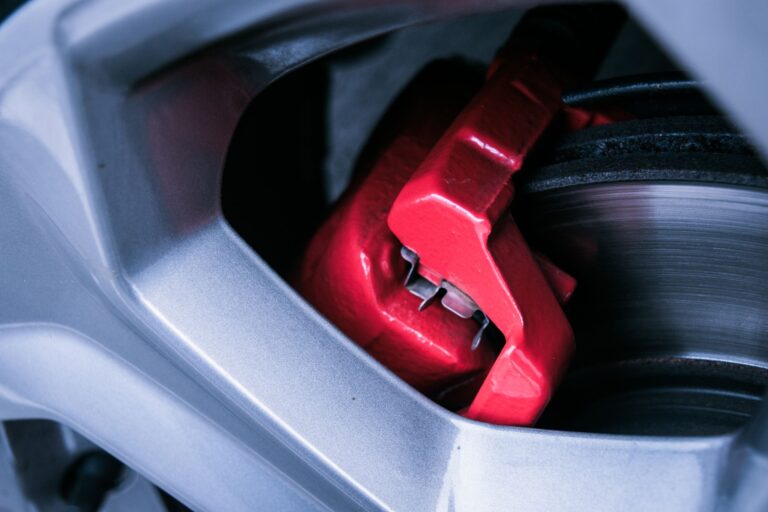
Front brake discs (rotors) on the VW Golf MK7 GTI work hard: the car is quick, relatively heavy over the front axle, and often driven with enthusiasm. Disc “cracking” sounds dramatic, but it can range from harmless surface heat-checking to deeper cracks that compromise braking safety. For everyday European owners—whether you’re coming from a BMW with an N20 and ZF 8HP, a Mercedes OM651 diesel, an Audi with DSG, or a JLR product—this is a familiar theme: modern performance brakes run hot, and heat management matters.
Recommended Tool: Professional OBD2 Scanner
Recommended Tool: Premium Brake Pads
Recommended Tool: Cooling System Diagnostic Tools
This guide explains why MK7 GTI front discs crack, what symptoms to watch for, how to diagnose the severity, and what upgrades genuinely help (without turning your car into a noisy track toy). It’s written for owners, not mechanics, but includes the right level of detail to have an informed conversation with a workshop.
🔧 Recommended Professional Tool
BMW N20 Diagnostic & Timing ToolsProfessional tools for BMW N20 engine service
✔ Recommended by automotive technicians ✔ Suitable for BMW, Mercedes, VAG & JLR platforms ✔ Fast international shipping
2. Causes
Disc cracking is nearly always heat-related, sometimes combined with mechanical stress or poor fitment. Common causes on the MK7 GTI include:
-
Repeated high-temperature braking
- Fast road driving, mountain descents, and heavy motorway braking can create rapid heat cycles.
- If the pads and discs aren’t suited to that heat, micro-cracks form.
-
Thermal shock
- Driving hard and then hitting deep water, washing the wheels immediately after spirited driving, or parking with hot discs can create uneven cooling.
- Uneven cooling is a classic trigger for heat-check cracks.
-
Pad material mismatch
- Aggressive pads on standard discs can increase disc surface temperature and stress.
- Some aftermarket “fast road” pads bite well but run hotter, which can accelerate cracking if the disc isn’t designed for it.
-
Sticking caliper slider pins or uneven pad contact
- If one pad drags, the disc overheats locally and cracks start from hot spots.
- This can happen gradually and is easy to miss until vibration appears.
-
Incorrect wheel bolt torque or dirty hub face
- Over-torqued bolts or an uneven hub mounting surface can distort the disc.
- Distortion increases localized heating and can start cracks from stress points.
-
Low-quality discs or counterfeit parts
- Poor casting quality, inconsistent metallurgy, and bad machining are more crack-prone.
- Counterfeit “premium” discs do exist; buying from reputable sources matters.
3. Symptoms
Not every visible mark means the disc is unsafe, but these are the common signs owners notice:
- Vibration or steering wheel shimmy under braking
- Often described as “warped discs,” but usually it’s uneven friction material transfer or disc thickness variation.
- Brake judder when slowing from motorway speeds
- New squealing or scraping noises
- Longer stopping distances or inconsistent pedal feel
- Visible lines on the disc surface
- Fine, short hairlines can be heat-checking.
- Longer cracks that run toward the outer edge are more concerning.
- One wheel generating noticeably more brake dust or heat
- A hint that a caliper is sticking.
4. How to diagnose
You can do a basic inspection at home, but a proper diagnosis should confirm whether the disc is merely heat-checked or actually cracked through a meaningful depth.
Visual and physical checks (owner level)
- Look through the wheel spokes with a torch
- Note where the lines are: random surface hairlines vs. longer cracks running radially.
- Check both sides if possible
- Cracks on the inner face can be worse and are easy to miss.
- Feel for a lip and surface ridges (when cool)
- A pronounced lip suggests significant wear; worn, thin discs run hotter.
Simple functional checks
- After a normal drive, cautiously check wheel heat
- A significantly hotter front wheel can suggest dragging brakes.
- Listen for a light scrape at low speed
- Can indicate pad wear down to backing plate or debris, but also a warped dust shield.
Workshop diagnosis (recommended for certainty)
A good independent VAG specialist can:
- Measure disc thickness and disc thickness variation
- Check caliper slider movement and piston return
- Inspect pad wear pattern
- Scan for brake and ABS faults using ODIS
- ODIS won’t “detect cracked discs,” but it can reveal related issues (e.g., wheel speed sensor faults after overheating or if a bearing is affected).
- Road test to reproduce judder and confirm it’s brake-related
If the car has been modified (tuned ECU/TCU, higher boost, or frequent hard use), it’s also worth being honest with the workshop—more performance means more brake energy to manage.
5. How to fix
The correct fix depends on crack severity and the underlying cause. If there are meaningful cracks, the solution is usually replacement, not machining.
Replace discs and pads as a matched set
For the MK7 GTI, the safest approach is:
- New front discs + new front pads
- Fresh hardware where applicable (retaining springs, bolts if specified)
- Brake fluid check
- If fluid is old, it can boil sooner and worsen heat issues.
Address root causes
- Service calipers
- Clean and lubricate slider pins with correct high-temp brake grease.
- Replace damaged boots; a torn boot invites corrosion and sticking.
- Clean hub faces
- Rust or debris can cause disc runout and vibration.
- Torque wheel bolts correctly
- Use a torque wrench and correct pattern to avoid distortion.
Best upgrade for cracking prevention (without harsh compromises)
For many everyday GTI owners, the best “upgrade” isn’t a huge big-brake kit—it’s a high-quality disc and pad combination designed to manage heat:
- High-carbon, OEM-quality plain or lightly slotted discs
- High-carbon discs resist heat-checking better than cheap castings.
- Avoid heavily drilled discs for daily use; holes can become crack initiation points.
- Quality fast-road pads with stable temperature range
- Choose pads known for consistent friction without excessive rotor aggression.
- High-temperature brake fluid
- Especially if you drive in the Alps, tow occasionally, or do repeated high-speed braking.
A full big-brake kit can help if you regularly overheat brakes, but it adds cost, may require wheel clearance checks, and can increase pad/disc replacement costs.
6. Repair costs
Prices vary by country, labor rate, and whether you choose OEM, OEM-equivalent, or performance parts. Typical European ranges (parts + labor):
- Front discs + pads (OEM-equivalent quality): €280–€550
- Parts: €160–€330
- Labor: €120–€220
- Higher-quality high-carbon discs + premium pads: €450–€850
- Parts: €280–€600
- Labor: €170–€250
- Caliper service (slider pins/boots cleaning and lubrication): €80–€200
- Often added on if uneven wear is found.
- Brake fluid change: €70–€140
- Big brake kit (front, branded): €1,800–€3,500+
- Plus potentially higher ongoing consumable costs.
If discs are cracked and you continue driving, you risk damaging pads, calipers, and possibly wheel bearings—turning a €400 job into something far more expensive.
7. Prevention tips
A few habits and smart choices reduce the chance of disc cracking:
- Bed in new pads and discs properly
- Follow the pad manufacturer’s procedure to avoid uneven material transfer.
- Avoid thermal shock
- Don’t wash wheels immediately after hard driving.
- After a spirited run, drive gently for a few minutes to cool brakes gradually.
- Use the right components
- Prefer high-carbon, reputable discs and matched pads.
- Avoid cheap drilled rotors for daily use.
- Maintain calipers
- Periodically service slider pins, especially in wet/salty climates.
- Change brake fluid on schedule
- Old fluid boils easier, increasing pedal fade and heat stress.
- Be mindful on long descents
- Use engine braking where sensible (DSG can be manually held in a lower gear), and avoid riding the brakes.
8. When to see a mechanic
Book a workshop inspection promptly if:
- Cracks are long, clearly visible, and extend toward the outer edge
- You feel strong vibration/judder when braking from speed
- There’s pulling to one side under braking
- One front wheel is consistently hotter or produces much more brake dust
- The brake pedal feels soft, braking effort changes suddenly, or you’ve experienced fade
A VAG specialist with ODIS can confirm there are no related ABS/ESC issues and ensure the braking system is operating evenly after parts are fitted.
9. Frequently Asked Questions
Frequently Asked Questions
Are small hairline marks on my MK7 GTI front discs always dangerous?
Not always. Fine, short surface lines are often heat-checking and can appear on performance-oriented cars without immediate danger. The concern rises when cracks are long, deepen over time, or reach the disc edge.
Can drilled rotors reduce cracking on the Golf GTI?
For daily driving, drilled rotors often crack sooner because the holes concentrate stress and heat. They can look sporty, but they’re not usually the best choice for durability. A high-carbon plain or lightly slotted disc is typically a safer long-term option.
Why do my new discs judder after a few weeks—are they already cracked?
Judder is more commonly caused by uneven pad material transfer or disc thickness variation than true disc warping. It can happen if pads weren’t bedded in correctly or if a caliper slider is sticking. A workshop can measure runout and thickness variation to confirm.
Should I replace pads if I’m only changing cracked front discs?
Yes, in most cases. Old pads may have uneven deposits or heat damage that can ruin the new discs quickly. Replacing discs and pads together helps ensure consistent bedding and braking performance.
Will a big brake kit solve disc cracking permanently?
It can reduce overheating by increasing thermal capacity, but it’s not a magic fix. If driving style, pad choice, or caliper issues remain, you can still overheat and damage components. For many owners, premium discs, matched pads, and fresh fluid deliver the best balance of cost and results.