1. Introduction
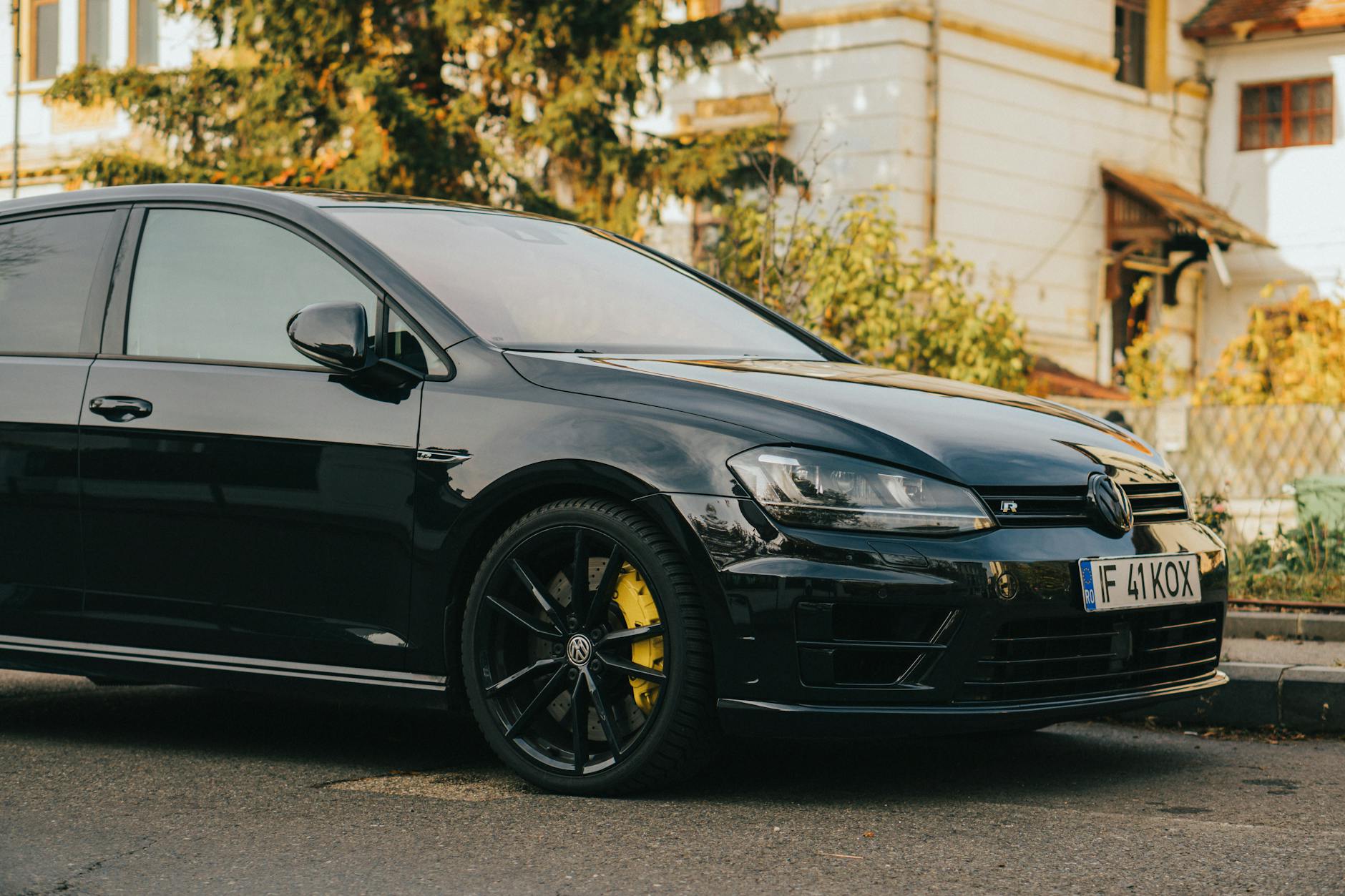
Front brake discs (rotors) on the VW Golf Mk7 1.4 TSI are wear items, but choosing the right size and parts can be surprisingly confusing. Depending on model year, trim, engine output (e.g., 1.4 TSI with codes such as CHPA/CZCA/CZDA), gearbox (MQ200 manual or DQ200 DSG), and especially brake package, the Golf can use different disc diameters, thicknesses, and pad shapes. Add in PR codes (VW’s option codes), OEM part number supersessions, and the temptation to “upgrade” discs without checking caliper compatibility, and it’s easy for everyday owners to buy the wrong parts.
Recommended Tool: Professional OBD2 Scanner
Recommended Tool: Premium Brake Pads
Recommended Tool: Cooling System Diagnostic Tools
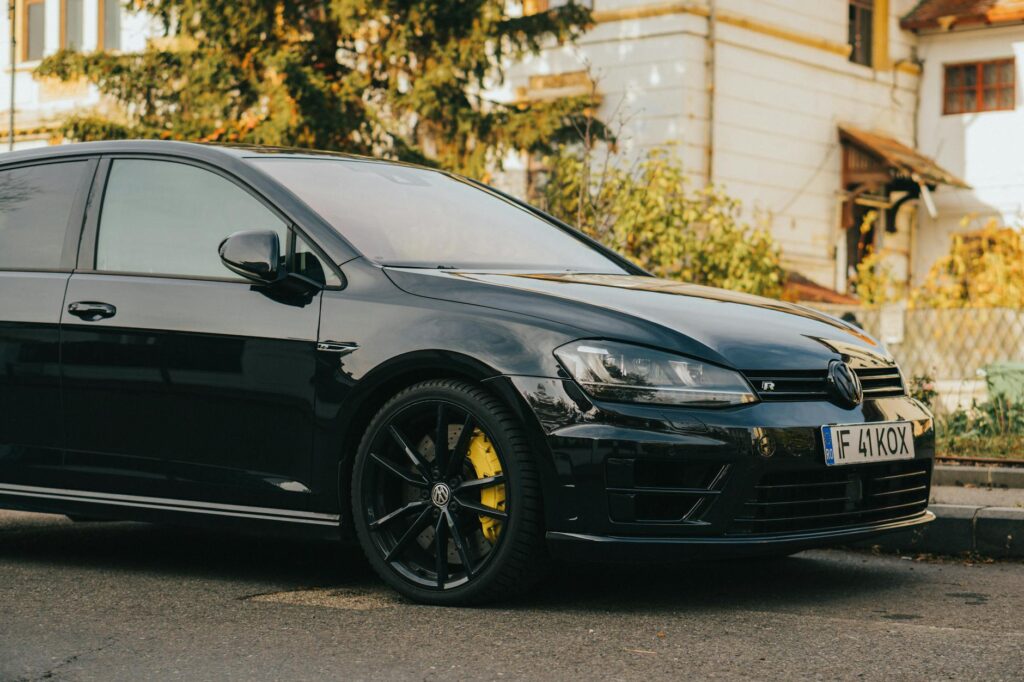
This guide explains how to identify your correct front disc size, how to confirm OEM numbers and fitment, what symptoms point to worn or warped discs, and what replacement typically costs in Europe. While written with the Golf Mk7 1.4 TSI in mind, the approach is similar across VW Group vehicles (Audi, SEAT, Škoda), and it’s also a useful mindset for BMW, Mercedes, and JLR owners who are used to checking vehicle-specific build data and using tools like ISTA, Xentry, Pathfinder or SDD for confirmation.
🔧 Recommended Professional Tool
DSG Transmission Service KitProfessional tools for DSG gearbox service
✔ Recommended by automotive technicians ✔ Suitable for BMW, Mercedes, VAG & JLR platforms ✔ Fast international shipping
2. Causes
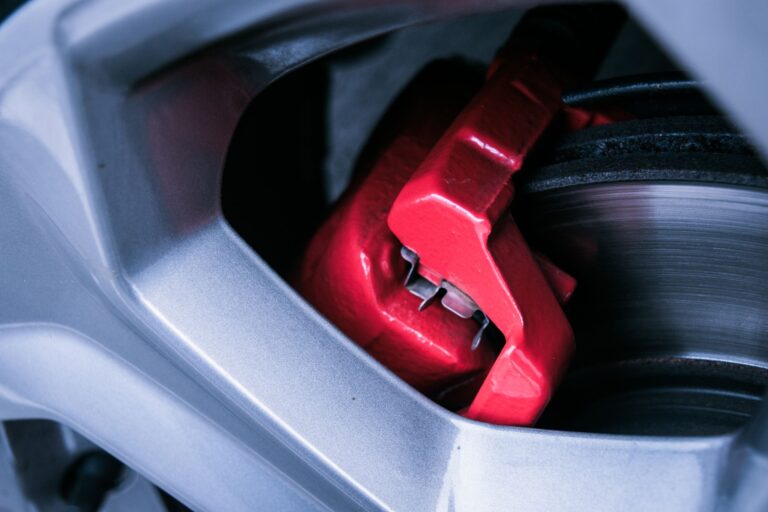
Front brake discs usually need replacement because of normal wear, but several factors can shorten their life or create problems before they’re “technically” worn out:
- Normal wear and corrosion: Urban driving and infrequent heavy braking can leave rust lips and uneven pad deposits.
- Overheating: Repeated hard stops (mountain driving, towing, or fast motorway braking) can cause hot spots and disc thickness variation.
- Poor-quality pads or discs: Cheap friction materials can deposit unevenly, causing vibration that feels like “warping.”
- Incorrect wheel bolt torque: Over-tightened or unevenly torqued bolts can distort the disc and hub interface.
- Sticky caliper slider pins or uneven pad pressure: One pad wears faster and overheats the disc on one side.
- Wrong disc for the caliper carrier: A common mistake when parts are ordered by “Golf Mk7” instead of by PR code or measured size.
3. Symptoms
If your Golf Mk7 is telling you the front discs are due, owners typically notice one or more of the following:
- Steering wheel shake during braking from motorway speeds
- Pulsation through the brake pedal
- Longer stopping distances or brakes feeling “grabby”
- Grinding noises (often pad backing plates contacting the disc)
- Visible lip on the disc edge or heavy rust pitting
- Uneven pad wear left vs right (a hint of caliper or slider issues)
A key point: vibration is not always a “warped disc.” Very often it’s uneven pad material transfer or hub/disc runout caused by dirt, corrosion, or torque issues.
4. How to diagnose
Check the disc size and brake PR codes
VW Group cars are best diagnosed with the vehicle’s build information:
- PR codes are listed on the vehicle data sticker (often in the boot/spare wheel well area) and in the service book. Look for brake-related PR codes (for example, front brake system codes that correspond to disc diameter/caliper type).
- If you have access to ODIS (or your independent garage does), the brake system and PR code info can be confirmed electronically using the VIN.
Measure what’s on the car (simple owner-friendly checks)
Even without special tools, you can confirm basics:
- Disc diameter: measure across the disc face (edge to edge) with a tape measure. Common Golf Mk7 front disc diameters include 288 mm and 312 mm (and in some variants, larger setups).
- Disc thickness: the nominal thickness is cast or printed on many discs (e.g., “25 mm”). The legal minimum (“MIN TH”) may also be marked.
- Caliper carrier clearance: a larger disc generally needs a matching carrier; you can’t simply install a larger diameter disc under the same carrier.
Check for runout and hub issues (best done at a garage)
If you feel vibration:
- Ask for disc runout measurement with a dial gauge.
- Ensure the hub face is checked for corrosion and cleaned; even a thin rust layer can cause lateral runout.
Verify OEM part numbers and supersessions
VW OEM numbers can supersede; what you find online may be an older number. The safest workflow is:
- VIN-based lookup (dealer or reputable catalog)
- Confirm disc size + thickness + center bore + bolt pattern
- Match to pads and carrier type
If you’re cross-shopping brands (ATE, TRW, Brembo, Zimmermann), ensure the aftermarket reference explicitly matches your OEM fitment and PR code.
5. How to fix
Choose the correct front disc specification
For a Golf Mk7 1.4 TSI, the “right” disc depends on your brake package. Common fitments include:
- 288 mm vented front discs (often paired with a specific floating caliper and carrier)
- 312 mm vented front discs on higher-spec trims or certain packages
Do not rely on engine size alone; two 1.4 TSI cars can have different front brakes. Confirm by PR code or physical measurement.
Replace discs and pads as a set
In most cases, replace:
- Both front discs
- Front pads
- Pad wear sensor (if fitted, depending on exact setup)
- Caliper carrier bolts (recommended if specified as stretch/one-time-use)
Replacing discs without pads often leads to noise, poor bedding-in, and rapid disc issues.
Key fitment tips (to avoid repeat problems)
- Clean the hub face thoroughly: use a wire brush and brake cleaner; the disc must sit perfectly flat.
- Use correct bolt torque: tighten wheel bolts to VW spec (commonly around 120 Nm on many VW Group models—verify for your wheels). Uneven torque is a frequent cause of vibration after brake work.
- Check slider pins and boots: lubricate with correct brake grease; replace boots if torn.
- Bedding-in: follow pad manufacturer guidance. A typical approach is gentle stops to gradually build heat, avoiding sitting stationary with hot brakes pressed hard.
If you want to “upgrade” from 288 to 312 mm
This is not just discs and pads:
- You may need the matching caliper carrier (and sometimes different calipers/shields).
- Confirm wheel clearance and the full PR-code compatible kit.
If in doubt, use a VIN-based parts check through a VW specialist, or ask an independent with ODIS access.
6. Repair costs
Typical European pricing varies by country and brand choice. Realistic ranges for a Golf Mk7 front disc and pad replacement are:
- Parts (mid-range aftermarket, e.g., ATE/TRW): €140–€260 (discs + pads)
- Parts (OEM or premium performance): €220–€450
- Labor (independent specialist): €90–€180 (about 1.0–1.5 hours)
- Labor (main dealer): €180–€350+
Total typical cost:
- Independent: €230–€440
- Dealer: €400–€800
Add €20–€60 if you replace small hardware (bolts, clips) and €30–€120 if a caliper service (slider pins, boots) is needed.
7. Prevention tips
You can extend disc life and reduce vibration complaints with a few habits:
- Brake firmly now and then: occasional stronger stops (when safe) help keep discs clean and reduce rust buildup.
- Avoid holding the car on the brakes after hard stops: if the discs are hot, staying clamped in one spot can create pad imprint.
- Rinse winter salt off wheels: road salt accelerates corrosion on disc hats and edges.
- Torque wheels correctly: especially after tire shops; ask them to hand-torque to spec.
- Use matched pad/disc brands and correct compound: overly aggressive pads on standard discs can accelerate wear and noise.
8. When to see a mechanic
Book a professional inspection if:
- You have persistent steering shake after replacing discs/pads (runout or hub issues need proper measurement)
- One front wheel is much hotter than the other (possible sticking caliper)
- The brake pedal is spongy or sinks (hydraulic issue, not just discs)
- You hear metal-on-metal grinding (pads may be fully worn)
- You’re unsure of PR code fitment and need VIN-level confirmation (a VW specialist with ODIS can confirm quickly)
Even if you do DIY brakes, a quick post-repair check by a reputable independent can be worthwhile for safety-critical work.
9. Frequently Asked Questions
Frequently Asked Questions
How do I know if my Golf Mk7 1.4 TSI has 288 mm or 312 mm front discs?
The most reliable method is checking the brake PR codes on the vehicle data sticker or doing a VIN-based lookup. You can also measure the disc diameter directly across the face, but PR codes ensure you match the correct caliper carrier and pads. If a previous owner changed parts, measurement is especially important.
Can I fit 312 mm discs if my car currently has 288 mm discs?
Not usually with discs alone, because the caliper carrier must match the larger radius. A proper upgrade typically needs the correct carrier (and sometimes additional hardware) plus confirmation of wheel clearance. If you’re not sure, a VW specialist can confirm compatibility via VIN and PR codes.
What OEM numbers should I use for front discs on the Golf Mk7?
OEM numbers vary with brake package and can be superseded over time, so the safest approach is VIN-based lookup rather than copying a number from a forum. Many aftermarket catalogs list multiple options for the same model year, so matching diameter, thickness, and PR code is essential. If you have access to ODIS at an independent garage, it can confirm the correct part family quickly.
Why do my brakes shake after new discs and pads?
Common causes include dirt or rust on the hub face, incorrect wheel bolt torque, or disc runout from installation issues rather than defective parts. Uneven bedding-in and pad deposits can also mimic warped discs. A dial gauge runout check and re-cleaning the hub surface often fixes it.
Should I replace front pads and discs together?
Yes in most cases, because old pads won’t bed properly to new discs and can cause noise, vibration, or reduced braking performance. Replacing both sides together also keeps braking balanced left-to-right. It’s also a good time to service slider pins and inspect caliper boots.