1. Introduction
A front-end rattle that seems to come from “somewhere under your feet” can ruin an otherwise refined drive, especially in a VW Arteon (3H) with the 2.0 TSI. One of the most common and least dramatic causes is a worn front sway bar (anti-roll bar) link. The sway bar link is a small but important suspension component that connects the anti-roll bar to the strut or control arm, helping keep the car stable and flat in corners.
Recommended Tool: Professional OBD2 Scanner
Recommended Tool: Premium Brake Pads
Recommended Tool: OEM Suspension Components
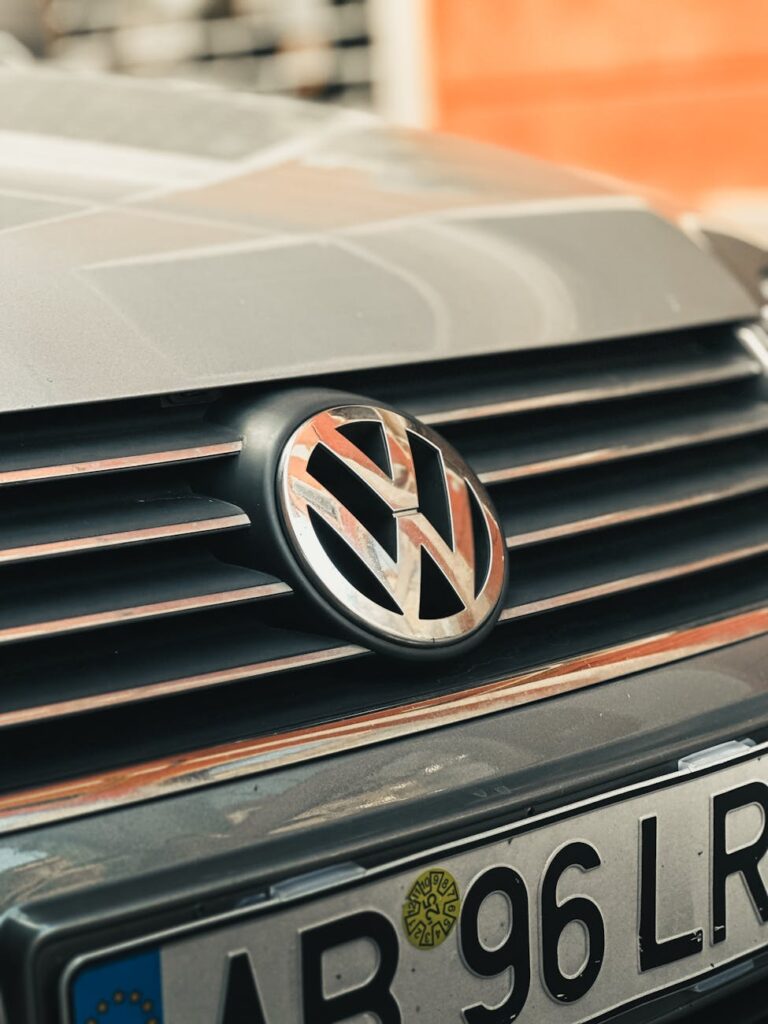
Because the Arteon shares a lot of MQB-based suspension design with other VW Group models, this issue and its fixes are well understood. The good news: diagnosis is straightforward, replacement is usually quick, and the cost is typically far lower than major suspension work. The tricky part is that the noise can mimic bushings, top mounts, or even loose brake hardware—so it pays to confirm the culprit before buying parts.
🔧 Recommended Professional Tool
DSG Transmission Service KitProfessional tools for DSG gearbox service
✔ Recommended by automotive technicians ✔ Suitable for BMW, Mercedes, VAG & JLR platforms ✔ Fast international shipping
2. Causes
A sway bar link rattle is usually caused by play developing in the link’s ball joints or by fasteners that no longer clamp properly. On the Arteon, the links live in a harsh environment: water, salt, potholes, and repeated steering/suspension movement.
Common causes include:
- Worn ball joints inside the end link
The protective boot can crack or lose its seal, allowing dirt and water in, washing grease out, and accelerating wear. - Loose or improperly torqued link nuts/bolts
If the link was replaced before and not torqued correctly at ride height (or the stud spun during tightening), it can work loose. - Aftermarket links of poor quality
Cheaper links can develop play quickly, especially on heavier cars with larger wheels/low-profile tyres like many Arteon trims. - Related looseness nearby that amplifies the noise
A tired anti-roll bar bushing, a slightly loose subframe brace fastener, or even worn strut top mounts can make a marginal link sound worse.
3. Symptoms
Sway bar link noise is often speed- and road-texture dependent rather than engine-speed dependent (so it doesn’t change if you rev in neutral). Typical signs include:
- Rattle or rapid tapping over small bumps (cobblestones, rough tarmac, expansion joints)
- Clunk when one front wheel hits a bump more than the other (driveways, offset speed humps)
- Noise at low speeds that seems to disappear on smooth motorway surfaces
- Slightly “looser” feel in quick direction changes, though many owners notice noise before handling changes
- Intermittent nature: it may be louder in cold weather or after rain
If you have a DSG gearbox (common on the Arteon 2.0 TSI) and hear a knock during parking manoeuvres, don’t assume it’s drivetrain-related—suspension links can be surprisingly loud at full steering lock on uneven ground.
4. How to diagnose
You don’t need to be a mechanic, but you do need a methodical approach. Start by confirming the noise and narrowing it to the front suspension.
Step 1: Reproduce the noise safely
- Drive slowly over a rough surface with the radio off and windows slightly open.
- Try a light slalom left-right at low speed in an empty area. Sway bar link noise often changes when the suspension loads side to side.
Step 2: Quick visual check
With the car parked on level ground:
- Look behind the front wheels for the vertical link rod running between the anti-roll bar and strut area.
- Check for torn rubber boots, missing hardware, or shiny “witness marks” suggesting movement.
Step 3: Hands-on check (best with the front lifted)
If you can safely lift the front and support it on axle stands:
- Grab the sway bar link and try to move it by hand.
A good link should feel solid; a worn one may click, shift, or feel loose. - Use a small pry bar carefully to apply light force and listen/feel for knocking.
Step 4: Rule out lookalikes
These can sound similar:
- Anti-roll bar bushings: more of a creak/squeak or dull knock, often affected by wet weather.
- Top mounts/bearings: can groan or knock when turning the steering wheel at standstill.
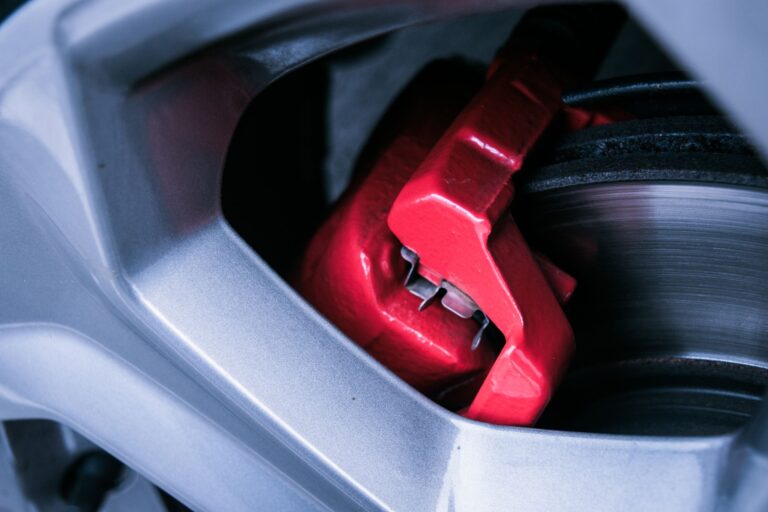
- Loose brake pads/caliper hardware: rattle over bumps that may change when lightly applying the brakes.
Step 5: Workshop-level confirmation (optional)
If you’re unsure, a VW specialist can confirm quickly on a lift. For VW Group cars, ODIS can help rule out steering angle sensor or chassis electronics issues, but for a pure rattle it’s mainly a physical inspection rather than a scan-tool diagnosis.
5. How to fix
In most cases, the fix is simply replacing the worn sway bar link(s). It’s generally recommended to replace both sides on the front axle, because if one has wear, the other is often not far behind.
Parts choice
- OE/OEM-quality links are strongly advised for longevity and noise control.
- Avoid ultra-budget links; they may save money now but can rattle again within a year.
Replacement overview (what a shop will do)
- Raise the car and remove the front wheel(s).
- Support the suspension as needed so the link isn’t under tension.
- Remove the link fasteners. Often the stud requires a counter-hold (hex/Torx) to prevent spinning.
- Install the new link and torque to specification.
Important note on tightening
A common mistake is tightening with the suspension hanging. Many VW Group suspension fasteners are designed to be torqued with the suspension near normal ride position to avoid bushing preload issues. While sway bar links themselves are ball-jointed (less sensitive than bonded rubber bushings), correct torque and secure seating still matter for preventing loosening and noise.
Alignment?
Replacing sway bar links alone typically does not require a wheel alignment, because you’re not changing camber/toe adjustment points. If other suspension work is done at the same time (control arms, subframe movement), then alignment becomes sensible.
6. Repair costs
Prices vary by country and labour rate, but these are realistic European ranges for a VW Arteon 3H:
- Front sway bar links (pair), parts: €50–€180
(Aftermarket budget to OEM-quality; some dealers will be higher.) - Labour: €80–€220
Usually 0.7–1.5 hours depending on corrosion and workshop procedure. - Typical total (both sides): €150–€400
Dealer pricing can push higher, especially if they bundle inspection fees.
If only one side is replaced, you might see totals as low as €120–€250, but doing both often offers better value and reduces the chance of a second visit.
7. Prevention tips
You can’t completely prevent wear, but you can extend component life and catch problems early:
- Rinse road salt in winter (basic underbody wash helps boots and joints).
- Avoid aggressive kerb impacts—low-profile tyres transmit more shock to links and joints.
- Address rattles early: a small amount of play can accelerate and stress adjacent bushings.
- Choose quality parts when replacing suspension components; the front end of a heavy fastback like the Arteon benefits from OEM-grade hardware.
- Combine jobs smartly: if you’re already replacing struts or doing a front suspension refresh, replacing links at the same time saves labour overlap.
8. When to see a mechanic
See a professional if:
- The noise is accompanied by steering pull, vibration, or instability.
- You notice uneven tyre wear (could indicate alignment or control arm issues).
- There is metal-on-metal clunking or the sound is getting rapidly worse.
- Fasteners are corroded or seized and you don’t have the tools to handle it safely.
- You want a definitive diagnosis on a lift. A good independent VW specialist can quickly distinguish link play from top mounts, control arm bushes, or subframe-related noises and can document findings properly.
If your car is still under warranty or an extended service plan, have it inspected first; sway bar links may be covered depending on terms and mileage.
9. Frequently Asked Questions
Frequently Asked Questions
Can a sway bar link rattle cause MOT/TÜV failure?
Yes, if there is noticeable play in the ball joint or the link is loose, it can be flagged as a safety-related suspension defect. Even if it passes initially, worsening play can lead to failure later. Fixing it early avoids repeat inspection fees.
Should I replace one sway bar link or both on my VW Arteon?
Replacing both front links is usually recommended because wear tends to be similar side-to-side. It also helps keep handling consistent and reduces the chance of another rattle soon after. If one link is clearly new and the other is worn, replacing only the worn side can be reasonable.
Is it safe to drive with a rattling sway bar link?
In many cases the car remains drivable, but the handling can become less precise, especially during quick lane changes. If the joint is severely worn, it can eventually separate, which can create unpredictable noises and movement. Treat it as a near-term repair rather than an emergency only if the noise is mild and handling feels normal.
Why does the rattle sometimes disappear on smooth roads?
Sway bar link play is most noticeable when the suspension is moving quickly over small, repeated bumps. Smooth roads don’t excite the loose joint as much, so the noise fades. Temperature can also affect how tight the joint feels, making the rattle come and go.
Do I need ODIS to diagnose a sway bar link rattle?
Not usually, because it’s a mechanical wear issue best found by physical inspection and movement tests. ODIS can be helpful to rule out other chassis or steering system faults if you have warnings or multiple symptoms. For a simple rattle with no fault lights, a lift inspection is typically the fastest route.