1. Introduction
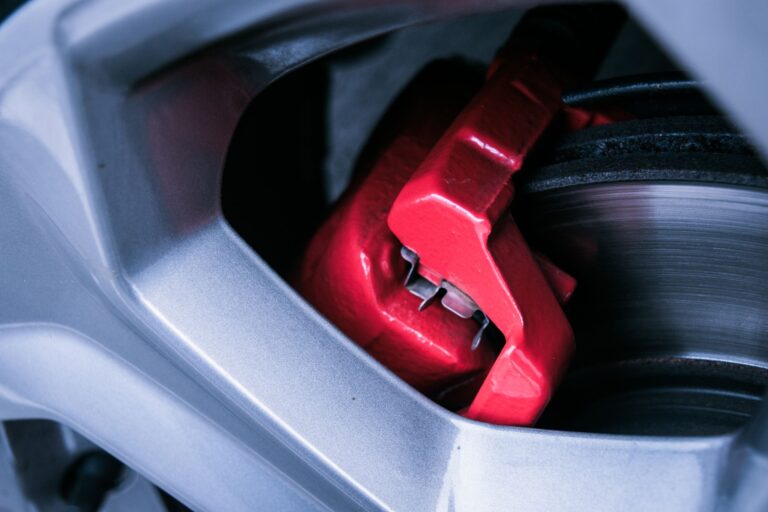
Choosing the right brake discs (rotors) for a Seat Leon Mk3 Cupra 2.0 TSI isn’t just about “bigger is better.” The Cupra’s performance level—especially on EA888 Gen 3 engines (commonly CJXC/CJXG depending on market) paired with the DSG (DQ250 6-speed or later DQ381 7-speed in some variants)—means braking components must match your driving style, wheel size, and typical heat load. The correct disc choice improves stopping consistency, reduces vibration, and can significantly cut running costs over time.
Recommended Tool: Professional OBD2 Scanner
Recommended Tool: Premium Brake Pads
Recommended Tool: Cooling System Diagnostic Tools
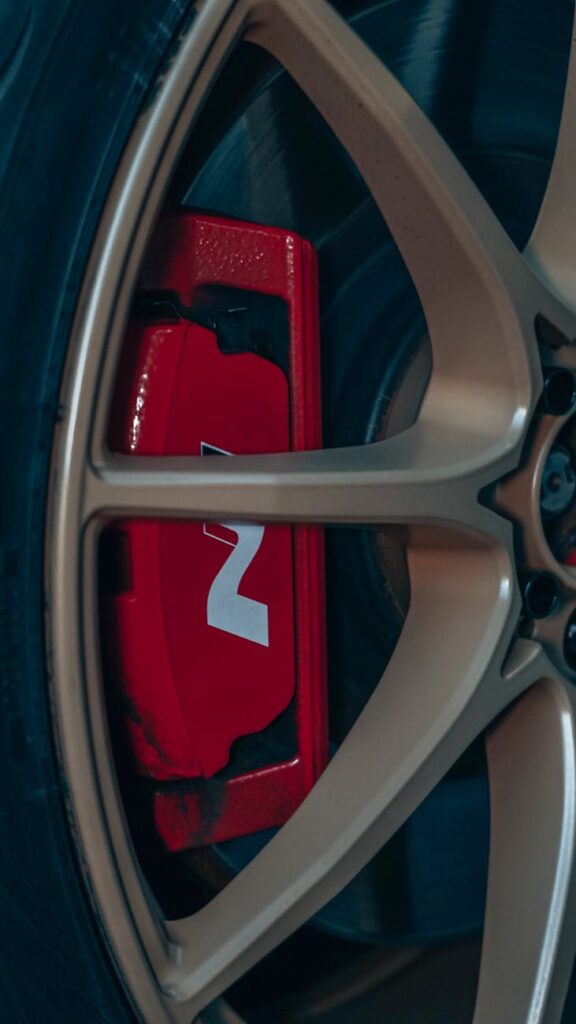
This guide is written for everyday European car owners who want a sensible, high-performance setup without turning the car into a noisy, dust-heavy track toy. The same decision-making approach also applies to other VW Group performance models (Golf GTI/R, S3, Octavia vRS) and even to premium cars from BMW, Mercedes, Audi, and JLR—where rotor type, pad material, and heat management matter just as much.
🔧 Recommended Professional Tool
EA888 Engine Diagnostic ToolsEssential tools for EA888 engine diagnostics
✔ Recommended by automotive technicians ✔ Suitable for BMW, Mercedes, VAG & JLR platforms ✔ Fast international shipping
2. Causes
People usually end up “needing” a brake disc selection guide because something in the current setup isn’t working well. Common causes include:
- Heat overload from driving style
- Repeated hard stops (motorway exits, mountain roads) push discs beyond their ideal temperature range.
- Incorrect disc type for the use case
- Plain OEM-style discs are quiet and durable, but can feel inconsistent when pushed hard.
- Aggressive drilled discs can crack if quality is poor or if they’re frequently heat-cycled.
- Pad/disc mismatch
- A high-friction pad on a basic disc can increase wear and noise.
- A low-dust comfort pad can feel weak when hot, even with a “sport” disc.
- Wheel and caliper constraints
- Disc diameter and hat design must match the Cupra’s calipers and your wheel clearance.
- Installation and bedding-in issues
- Incorrect torque, dirty hub faces, or poor bedding can cause runout and vibration that people mistakenly blame on “warped discs.”
3. Symptoms
If your current discs aren’t suited to your Cupra’s demands, you’ll usually notice one or more of the following:
- Brake fade: the pedal feels firm but the car doesn’t slow as strongly after repeated braking.
- Judder/vibration through the steering wheel under braking (often from disc thickness variation or hub corrosion).
- Squealing or grinding that wasn’t present before.
- Uneven pad wear left-to-right or inner-to-outer pad faces.
- Cracks around drill holes (on drilled discs) or visible heat spotting/blueing.
4. How to diagnose
You can diagnose disc suitability and condition without being a mechanic, but a structured check helps. If you have access to VW diagnostics, ODIS can show brake-related fault history (ABS/ESC events) and help rule out wheel speed sensor issues that can mimic braking instability.
Practical checks you can do
- Visual inspection
- Look for lip edges, scoring, heat spots, and cracks.
- Check if the disc surface is smooth or patchy (uneven transfer layer from pads).
- Measure thickness
- Use a basic caliper gauge; compare to the minimum thickness stamped on the disc or listed by the manufacturer.
- Check hub cleanliness
- Corrosion between hub and disc can cause runout and vibration even with new discs.
- Test drive (safe conditions)
- Do 2–3 medium stops from 80–30 km/h. If vibration appears only when hot, heat management or bedding may be the issue.
When it’s worth a workshop measurement
Ask for:
- Lateral runout measurement with a dial gauge
- Disc thickness variation (DTV) check
These are quick to do and often cheaper than replacing parts blindly.
5. How to fix
Fixing the problem usually means selecting a disc type that matches your use, then pairing it with an appropriate pad and fitting it correctly.
Step 1: Choose the right disc type
Plain (OEM-style) high-quality discs
Best for: daily driving, occasional spirited runs, minimal noise.
Pros: quiet, long life, predictable.
Cons: can show fade sooner in repeated heavy braking.
Slotted/grooved discs
Best for: fast road use, mountain driving, heavier heat load.
Pros: better bite consistency, helps de-gas pads, resists glazing.
Cons: more pad wear and some noise.
Drilled discs (only from reputable brands)
Best for: looks + moderate fast road use where quality is proven.
Pros: initial bite and water dispersion.
Cons: higher crack risk if low quality or frequently overheated.
Two-piece floating/semi-floating discs
Best for: frequent hard driving, occasional track days.
Pros: excellent heat control, reduced risk of vibration, lighter unsprung mass.
Cons: expensive; can have light clicking noises.
Step 2: Match discs with pads (critical)
For a Cupra, pick pads based on your priorities:
- Low-dust comfort pads: clean wheels, quieter, but less consistent when pushed hard.
- Fast road pads: better temperature range, stronger bite, more dust.
- Track-biased pads: great when hot, can be noisy and weak when cold.
A sensible “fast road” setup often gives the best real-world improvement without downsides.
Step 3: Fit properly and bed-in correctly
- Clean hub faces thoroughly (rust here causes most “warped disc” complaints).
- Use correct torque settings for wheel bolts.
- Bed-in pads/discs with a controlled sequence (your pad manufacturer usually provides a procedure). Improper bedding can create uneven pad deposits that feel like warped rotors.
6. Repair costs
Costs vary by country and brand, but these ranges are realistic for Europe (parts + labour):
- Front discs + pads (quality OEM-style)
- Parts: €180–€350
- Labour: €120–€250
- Total: €300–€600
- Front slotted/grooved discs + fast road pads
- Parts: €280–€550
- Labour: €120–€250
- Total: €400–€800
- Two-piece front discs + performance pads
- Parts: €650–€1,200
- Labour: €150–€300
- Total: €800–€1,500
- Brake fluid flush (recommended with upgrades)
- Parts: €15–€40
- Labour: €50–€120
- Total: €70–€160
If you also need caliper slider servicing or new carrier bolts, add €40–€150.
7. Prevention tips
- Use the right pad for your driving: many “disc problems” start with the wrong pad compound.
- Change brake fluid on schedule (often every 2 years): old fluid boils sooner, increasing fade.
- Avoid holding the brake pedal after a hard stop: it can imprint pad material onto a hot disc.
- Wash wheels/brakes after winter: road salt accelerates hub corrosion and runout.
- Torque wheels correctly: uneven torque can contribute to vibration and uneven wear.
8. When to see a mechanic
See a professional if:
- You have persistent vibration even after cleaning hubs and bedding properly.
- The pedal feel changes or the car pulls to one side under braking.
- You suspect ABS/ESC intervention or wheel speed sensor faults—having a workshop scan with ODIS can quickly pinpoint issues.
- You see cracks, deep scoring, or the disc is near minimum thickness.
A competent independent VAG specialist can also advise on disc/pad combinations that work well on the Leon Cupra platform without making the car unpleasant day-to-day.
9. Frequently Asked Questions
Frequently Asked Questions
Do I need bigger brake discs on a Leon Mk3 Cupra for fast road driving?
Not usually. A quality disc and pad combination with fresh brake fluid solves most fade and consistency issues for road use. Bigger discs and calipers make more sense if you frequently drive hard downhill, tow, or do track days.
Are drilled discs a bad idea on the Cupra?
They’re not automatically bad, but quality matters more than the holes. Cheap drilled discs can crack around the holes after repeated heat cycles. If you want the benefits without the risk, slotted discs are often a safer upgrade.
Why do new discs sometimes “warp” after a few weeks?
True warping is less common than people think. Most vibration comes from uneven pad deposits or runout caused by rust on the hub face or incorrect wheel bolt torque. Proper cleaning, correct installation, and correct bedding-in prevent the majority of cases.
Should I replace pads when I replace discs?
Yes, in almost all cases. Old pads can transfer an uneven layer onto the new discs and cause noise or vibration. Replacing both together also ensures the friction pairing is correct from the start.
Is it worth upgrading brake fluid when changing discs?
Yes, especially on a performance model like the Cupra. Fresh fluid improves pedal consistency and raises boiling resistance, which reduces fade on repeated hard stops. It’s a relatively low-cost upgrade with a noticeable real-world benefit.