1. Introduction
Coolant loss with no visible leak is one of the most frustrating issues for Range Rover Sport owners. You top up the expansion tank, the level drops again after a few drives, yet there’s no puddle on the driveway and no obvious drip under the car. On modern JLR powertrains—whether it’s the 3.0 TDV6/SDV6 (often referenced as AJV6), the 5.0 Supercharged V8 (AJ133), or the 2.0 Ingenium (AJ200D/AJ200P variants)—cooling systems run hot, pressurised, and tightly packaged. Small failures can evaporate coolant before it ever reaches the ground, or the coolant may be going somewhere you can’t see.
Recommended Tool: Professional OBD2 Scanner
Recommended Tool: Cooling System Diagnostic Tools
Recommended Tool: Transmission Diagnostic Tools
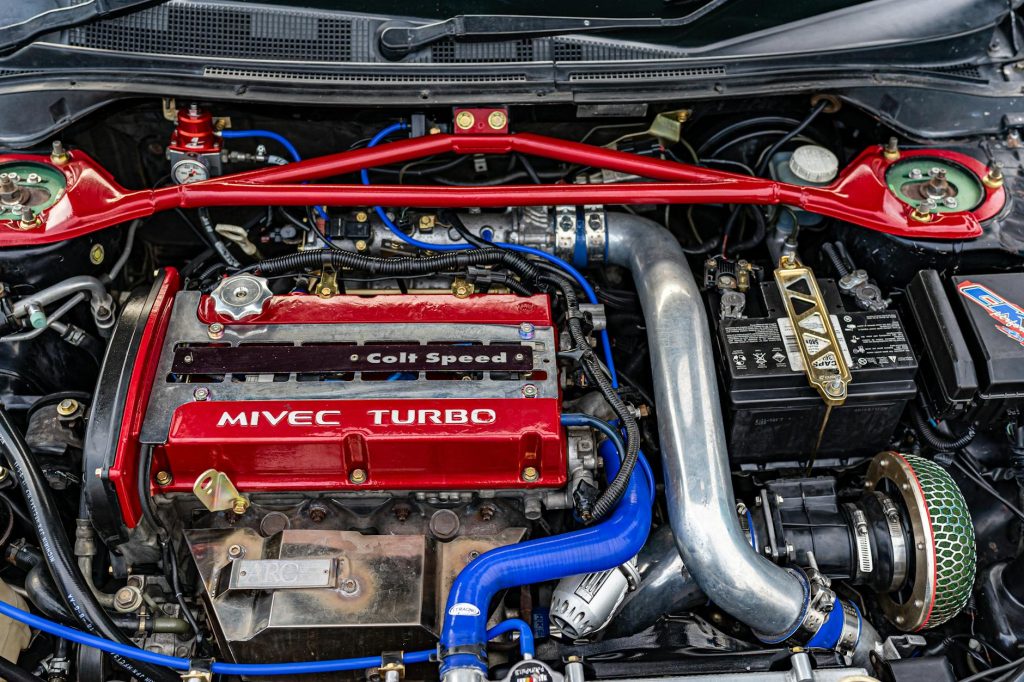
This article explains the most common real-world causes, what you’ll notice, how to diagnose it as an everyday owner, and what repairs typically cost in Europe.
🔧 Recommended Professional Tool
JLR Ingenium Engine ToolsRecommended tools for Ingenium engine diagnostics
✔ Recommended by automotive technicians ✔ Suitable for BMW, Mercedes, VAG & JLR platforms ✔ Fast international shipping
2. Causes
Coolant can disappear without an obvious leak for several reasons. The most common on Range Rover Sport models include:
External leaks that evaporate before dripping
- Hairline cracks in the expansion tank or cap seal failures that vent coolant as vapour.
- Thermostat housing seepage (common on many modern engines due to plastic housings and heat cycling).
- Coolant crossover pipes and quick-connect fittings that weep only under pressure.
- Water pump weep hole leaks that spray a fine mist onto hot components, evaporating instantly.
- EGR cooler leaks (diesels) where coolant escapes internally within the EGR system and leaves through the exhaust as steam.
Internal coolant loss (no external drip)
- EGR cooler internal crack (especially on diesel applications): coolant enters the intake/exhaust path.
- Head gasket leakage: can be subtle at first, especially if it only opens under boost or high cylinder pressure.
- Oil cooler or heat exchanger issues (engine oil cooler or transmission heat exchanger depending on model): coolant can mix internally with oil or be lost into another circuit.
Cooling system pressure management issues
- Expansion tank cap not holding pressure: lowers boiling point and increases evaporation.
- Incorrect coolant mixture: wrong concentration can boil off more easily and reduce corrosion protection, accelerating leaks.
3. Symptoms
Coolant loss without a visible leak often shows up as “small clues” rather than a single dramatic failure. Watch for:
- Low coolant warning appearing intermittently, then more frequently.
- Sweet smell after a drive, especially near the front of the car or by the wheel arches.
- Dried coolant residue (white/pink crust) around hose joints, thermostat housing, or the expansion tank seam.
- Heater performance changes (less heat at idle, temperature fluctuates).
- Cooling fans running more often than usual.
- Misfires on cold start (possible coolant ingress into a cylinder on some engines).
- Exhaust steam beyond normal condensation, especially once fully warm (more suspicious on diesels with EGR cooler faults).
4. How to diagnose
You can do several checks at home, then decide whether a workshop diagnostic session is needed.
Basic owner checks (engine cold)
- Mark the coolant level on the expansion tank with a pen and note mileage. Track drop rate over a week.
- Inspect the expansion tank and cap closely for hairline cracks and staining around the cap seat.
- Look for crusty deposits around hose connections, thermostat housing, and radiator end tanks.
- Check engine oil and filler cap: creamy residue can indicate coolant mixing, though short trips can also cause harmless condensation.
- Look for wet carpet in the front footwells (heater matrix leak—less common, but possible).
Practical DIY tests
- Cooling system pressure test: a hand pump tester pressurises the system. Many slow leaks only show under pressure. If pressure drops but you can’t see a leak, suspect internal loss.
- UV dye test: adding dye to the coolant and checking with a UV torch after a few drives often reveals “invisible” seepage points.
Workshop-level diagnosis (recommended if loss continues)
A good independent Land Rover specialist can use Pathfinder/SDD to:
- Read stored overheat events and coolant temperature plausibility issues.
- Command cooling fan tests and monitor live data trends. They may also use:
- Exhaust gas “sniff” test at the expansion tank for combustion gases (head gasket indicator).
- Borescope inspection if a cylinder is suspected of ingesting coolant.
- EGR cooler pressure testing (diesels) to confirm internal leakage.
5. How to fix
The correct repair depends entirely on where the coolant is going. The key is to avoid “parts darts” and confirm the failure point.
Common fixes
- Expansion tank and cap replacement: often overlooked; a weak cap can cause repeated loss.
- Thermostat housing and related seals: replace as an assembly if there’s staining or seepage.
- Water pump replacement: if there’s play, noise, or evidence of dried coolant near the pump area.
- Hose and quick-connect fitting replacement: especially if the car has had prior cooling system work and seals were reused.
- Radiator replacement: end tanks can seep only when hot.
Diesel-specific: EGR cooler
If the EGR cooler is leaking internally, the fix is typically:
- Replace the EGR cooler assembly and any associated gaskets/clamps.
- Refill with the correct JLR-approved coolant and bleed the system properly (air pockets can mimic coolant loss and create overheating spikes).
Internal engine repairs (less common but serious)
If tests indicate combustion gases in the coolant or coolant in a cylinder:
- Head gasket repair may be required, and the cylinder head must be checked for flatness. This is not a job to delay—continued driving risks overheating and major engine damage.
6. Repair costs
Costs vary by country and engine, but these are realistic European estimates including parts and labour at an independent specialist (dealer pricing can be higher):
- Expansion tank + cap: €180–€450
- Thermostat housing replacement: €350–€900
- Water pump replacement: €500–€1,200
- Coolant hose/fitting repair (single leak point): €200–€600
- Radiator replacement: €600–€1,400
- EGR cooler replacement (diesel): €900–€2,200
- Head gasket repair: €2,500–€6,000+ (can rise significantly if overheating has caused further damage)
Diagnostic time is typically €80–€200 for pressure testing, dye testing, and a proper inspection. If Pathfinder/SDD diagnostics and more advanced testing are needed, expect €150–€350 depending on depth.
7. Prevention tips
Cooling systems don’t like neglect, especially on heavy, high-load SUVs. These habits reduce the odds of repeat coolant loss:
- Use the correct coolant spec and mixture ratio; don’t top up repeatedly with plain water.
- Fix small losses early: slow leaks often become sudden failures.
- Replace the expansion tank cap periodically if it’s old and the cooling system has been serviced.
- Avoid overheating events: if temperature rises abnormally, stop and investigate—don’t “drive it home.”
- Inspect after major work: after any cooling or intake work, recheck hose connections and clamps a week later.
8. When to see a mechanic
Book in promptly if any of the following occur:
- Coolant level drops noticeably every few days.
- The heater blows cold intermittently or the temperature gauge fluctuates.
- You see persistent white steam from the exhaust once fully warm.
- The engine overheats even once, or you get repeated warnings.
- There’s evidence of oil/coolant mixing or misfires on start-up.
A specialist with JLR experience and access to Pathfinder/SDD can save you money by pinpointing the issue before parts are replaced unnecessarily.
9. Frequently Asked Questions
Frequently Asked Questions
Why is my Range Rover Sport losing coolant but leaving no puddle?
Many leaks evaporate on hot engine parts or only occur under pressure while driving. Fine mist from a water pump or a small seep at a thermostat housing can disappear before it reaches the ground. Internal losses through an EGR cooler (diesel) or head gasket can also leave no external trace.
Can a bad expansion tank cap really cause coolant loss?
Yes. If the cap can’t hold the correct pressure, coolant can boil at a lower temperature and vent as vapour through the overflow system. This often shows up as repeated low-coolant warnings with little visible leakage.
How can I tell if it’s the EGR cooler on a diesel?
A leaking EGR cooler may cause unexplained coolant loss with occasional white steam from the exhaust and a sweet smell. Pressure testing may show a loss without external dripping, and a specialist can confirm with targeted testing. It’s important to fix quickly because coolant entering the intake/exhaust path can create further issues.
Is it safe to keep topping up and driving?
Only as a short-term measure to prevent overheating while you arrange diagnosis. Repeated topping up can mask a worsening fault and risks sudden overheating, which can damage the engine. If the level drops quickly or warnings repeat, stop driving and have it checked.
What’s the first diagnostic step a workshop should do?
A cooling system pressure test with a thorough visual inspection is usually the best start. If nothing is found, a UV dye test and checks for combustion gases in the coolant help narrow it down. For JLR vehicles, reviewing live data and fault history with Pathfinder/SDD can also point to related cooling or EGR issues.