1. Introduction
A knocking, creaking, or “clunk” from the rear of a Mercedes-Benz GLC (X253) can quickly spoil an otherwise quiet cabin—especially on European roads with speed bumps, cobbles, and patched tarmac. On the GLC 300 in particular (commonly paired with the 9G‑TRONIC 9G‑Tronic gearbox, type 725.0, depending on year/market), rear suspension noises often come down to the shock absorber system or its mounting hardware rather than a major drivetrain issue. The challenge is that many rear-end noises sound similar: shocks, top mounts, control arm bushes, anti-roll bar links, and even loose trim can mimic one another.
Recommended Tool: Professional OBD2 Scanner
Recommended Tool: Premium Brake Pads
Recommended Tool: Portable Jump Starter
This guide is written for everyday owners, not mechanics. It explains the most common causes of rear shock absorber noise on the X253 GLC 300, what you can check safely at home, how a workshop will diagnose it using Mercedes tools like Xentry, and what a sensible repair looks like—without guesswork or unnecessary parts swapping.
🔧 Recommended Professional Tool
Automotive Battery TesterCheck battery health and charging system performance with precision.
✔ Recommended by automotive technicians ✔ Suitable for BMW, Mercedes, VAG & JLR platforms ✔ Fast international shipping
2. Causes
Rear shock-related noise usually comes from wear, looseness, or incorrect damping behavior. On the X253 GLC 300, the most common root causes include:
- Worn rear shock absorber (internal wear)
- Valve wear or gas pressure loss can cause knocking over small bumps.
- Damaged or perished shock top mount / upper rubber bushing
- Rubber can crack, compress, or separate, creating a dull thud.
- Loose or corroded shock fasteners
- A slightly loose lower bolt can cause a repeatable clunk.
- Failed bump stops or dust boots
- Missing/crumbled bump stops can create harsh impacts and noise.
- Rear spring seat issues
- A cracked spring pad or incorrectly seated spring can sound like a bad shock.
- Adaptive damping/air suspension-related issues (if equipped)
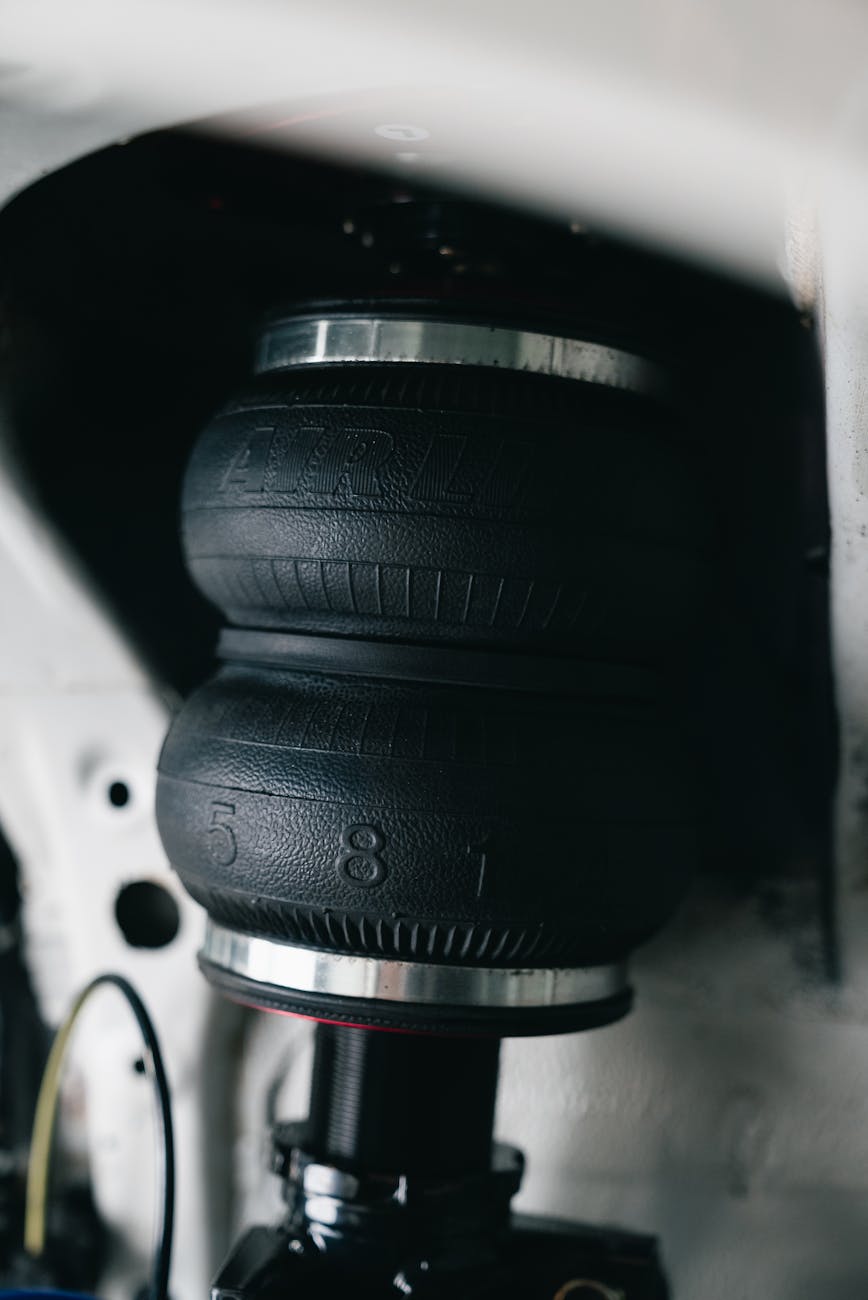
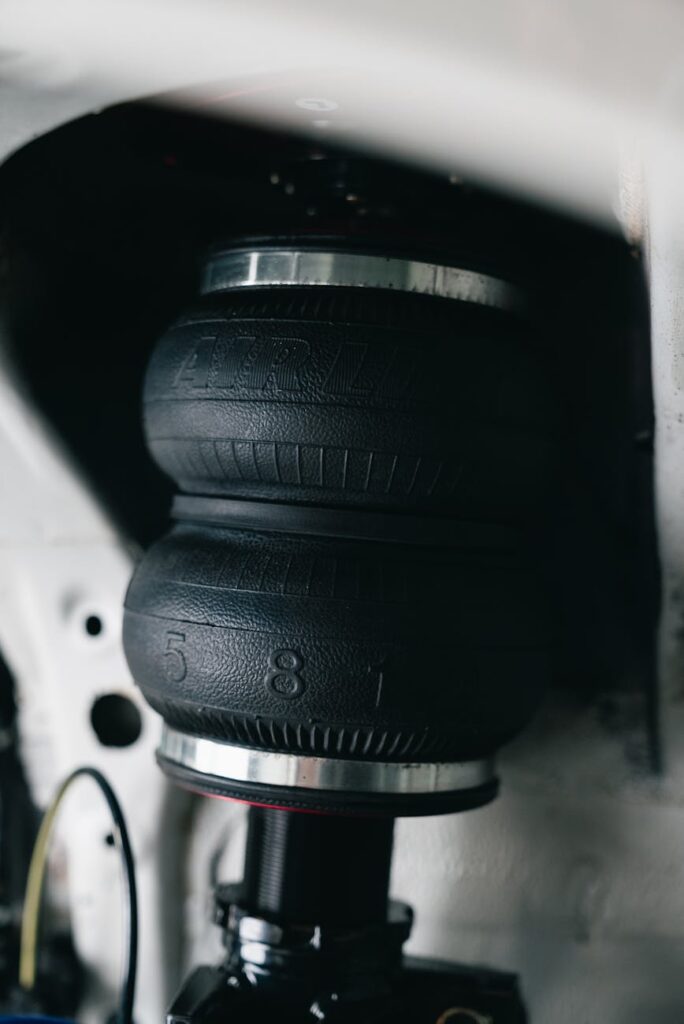
- Vehicles with AIRMATIC or adaptive dampers can develop noise from a leaking air spring, a sticking valve, or a damper with faulty internal control. X253 variants differ by spec, so equipment matters.
- “Not the shock” but easily confused
- Anti-roll bar drop links, rear control arm bushes, subframe bushes, or a loose exhaust heat shield can all mimic a shock knock.
3. Symptoms
Owners usually notice rear shock noise under specific conditions. Typical symptoms include:
- Clunk/knock from the rear over potholes, sharp edges, or speed bumps
- Creaking or groaning when the rear suspension compresses (parking ramps, driveways)
- Rattle-like tapping on rough surfaces at low speed
- Bouncy ride or the rear feeling unsettled after dips (more than one rebound)
- Uneven tyre wear (less common for shocks alone, but can happen if damping is poor)
- Fluid seepage on the shock body (on conventional dampers)
If the noise is worse with passengers or luggage, that often points to suspension travel issues (bump stops, shock control, spring seats) rather than interior trim.
4. How to diagnose
A correct diagnosis saves money because rear suspension parts can be pricey and labour adds up. You can do a basic check at home, then confirm with a workshop.
Checks you can do safely
- Bounce test (basic indicator, not definitive)
- Push down firmly on the rear corner and release. Excessive bouncing suggests weak damping, but many modern setups feel stiff even when worn.
- Visual check through the wheel arch
- Look for oil misting on the shock, torn dust boots, or crumbled bump stops.
- Listen for side-to-side differences
- Drive slowly over a known bump with windows down. A noise consistently on one side narrows the search.
- Boot and spare wheel area inspection
- Remove loose items, check the spare wheel well, and ensure the boot floor and tool kit are secure. It’s surprising how often “suspension noise” is luggage or a loose battery cover.
What a good workshop will do
A competent shop familiar with Mercedes chassis work will typically:
- Road test with a technician
- Reproduce the noise on the same surface, then compare left vs right.
- Lift inspection with suspension loaded (ideal)
- Using a drive-on ramp or supporting the suspension at ride height helps find play that disappears when wheels hang.
- Check for play
- Top mount movement, shock lower bush wear, anti-roll bar links, and control arm bushes.
- Torque check critical fasteners
- Particularly the lower shock bolt and upper mount hardware.
- Use Xentry (Mercedes diagnostic) when applicable
- If the car has adaptive damping or AIRMATIC, Xentry can read fault codes, check ride-height plausibility, run component tests, and confirm whether the system is compensating abnormally. Even if no fault codes are present, live data can still help.
If you also own other brands: BMW owners might think of ISTA tests for EDC dampers, VAG owners of ODIS for DCC, and JLR owners of SDD/Pathfinder for adaptive damping. The principle is the same: confirm whether an electronically controlled damper/air system is behaving abnormally before replacing parts.
5. How to fix
The fix depends on what’s actually worn or loose. The key is not to replace shocks blindly if the mount or link is the culprit.
Common repair approaches
Replace rear shock absorbers (pair)
- Best practice is to replace shocks in pairs on the rear axle for balanced damping.
- If your GLC has adaptive dampers, ensure the replacement part matches the option code; coding or calibration may be required.
Replace shock mounts/top bushes and hardware
- Even when the shock is fine, a worn mount can knock.
- Many workshops replace mounts, bump stops, dust boots, and related hardware “as a kit” when shocks are out, because the labour overlap is significant.
Address related parts if found worn
- Anti-roll bar drop links: inexpensive and commonly noisy.
- Spring pads/seats: cheap parts, big difference in noise.
- Control arm bushes: more labour, but sometimes the real cause of a dull thud.
After repair: what should be done
- Road test on the same route that reproduced the noise.
- Check ride height and alignment
- Alignment isn’t always mandatory for a simple shock swap, but if any arms were loosened/replaced, do a proper rear alignment. Poor alignment can lead to tyre wear and instability.
6. Repair costs
Prices vary by country, labour rate, and whether you choose OEM (original supplier) parts or aftermarket. Below are realistic European ranges (parts + labour):
- Rear shock absorbers (standard, pair): €450–€900
- Parts €200–€500, labour 1.5–3.0 hours depending on access and corrosion.
- Rear shock absorbers (adaptive/AIRMATIC-related dampers, pair): €900–€1,800+
- Parts are significantly more; some variants require additional calibration steps.
- Shock mounts/bump stops/boots (both sides): €150–€350
- Often added during shock replacement for minimal extra labour.
- Anti-roll bar drop links (pair): €180–€350
- Frequently misdiagnosed as shocks due to similar noise.
- Spring pads/seats (rear): €120–€250
- Low parts cost; labour depends on whether the spring needs to be unloaded.
If a garage proposes replacing multiple rear suspension components “to be safe,” ask for a written diagnosis and which part has measurable play or visible damage.
7. Prevention tips
You can’t prevent all wear, but you can slow it down and catch issues early:
- Avoid repeated hard impacts (deep potholes, high-speed speed bumps) where possible.
- Keep tyre pressures correct
- Underinflation increases suspension work and can worsen bottoming-out.
- Rinse winter salt from the underbody
- Corrosion accelerates bushing and fastener issues, and makes later repairs harder.
- Don’t ignore small noises
- Early mount or link wear is cheaper than running a worn damper until it affects tyres and stability.
- Load sensibly
- Regularly driving heavily loaded increases rear suspension stress; consider checking rear components more often.
8. When to see a mechanic
Book a professional inspection if any of the following apply:
- The rear noise is getting louder or happens on every small bump
- The car feels bouncy, unstable, or “floaty” at motorway speeds
- You see oil leakage on the shock body
- There’s uneven tyre wear starting on the rear axle
- The vehicle has adaptive damping/AIRMATIC warnings, or ride height looks uneven
A workshop with Mercedes experience and Xentry access is ideal for electronically controlled suspension variants, as it reduces the chance of replacing the wrong components.
9. Frequently Asked Questions
Frequently Asked Questions
Can I keep driving if my GLC 300 has rear shock absorber noise?
If it’s a minor rattle from a mount or drop link, you can often drive short-term, but you should still diagnose it soon. If the car feels unstable, bounces excessively, or the noise is a heavy knock, reduce driving and get it inspected promptly.
Do rear shocks need to be replaced in pairs on the X253?
Yes, replacing both rear shocks together is strongly recommended to keep damping balanced side-to-side. Mixing an old weak shock with a new one can affect braking stability and cornering feel, especially in wet conditions.
How can I tell if it’s the shock absorber or the anti-roll bar link?
Shock noise often sounds like a dull thud on compression, while drop links can produce a sharper rattle over repeated small bumps. A workshop can confirm by checking for play with the suspension loaded and isolating components during inspection.
Will Xentry show a fault code for a noisy rear shock?
Not always. Mechanical wear in a conventional shock or mount often produces no codes, but Xentry can help when adaptive damping or AIRMATIC is involved by checking system faults, plausibility, and live data.
Is it worth fitting aftermarket shocks instead of OEM?
Quality aftermarket shocks from reputable brands can be a good value if they match the exact specification of your suspension. For adaptive or electronically controlled dampers, sticking with OEM-equivalent parts is usually safer to avoid compatibility and calibration issues.