1. Introduction
The Mercedes W213 E300 is a comfortable long-distance car, and on models equipped with AIRMATIC air suspension, the system’s compressor is the heart of that comfort. When the air suspension compressor starts to fail, the car may sit unevenly, ride harshly, or show warnings on the dash—often at the worst time (cold mornings, long trips, or after leaving the car parked). For everyday owners across Europe—whether you drive Mercedes, BMW, Audi, VW Group, or JLR—the story is familiar: modern air suspension delivers a great ride, but it depends on a handful of expensive components working perfectly.
Recommended Tool: Professional OBD2 Scanner
Recommended Tool: Portable Jump Starter
Recommended Tool: Cooling System Diagnostic Tools
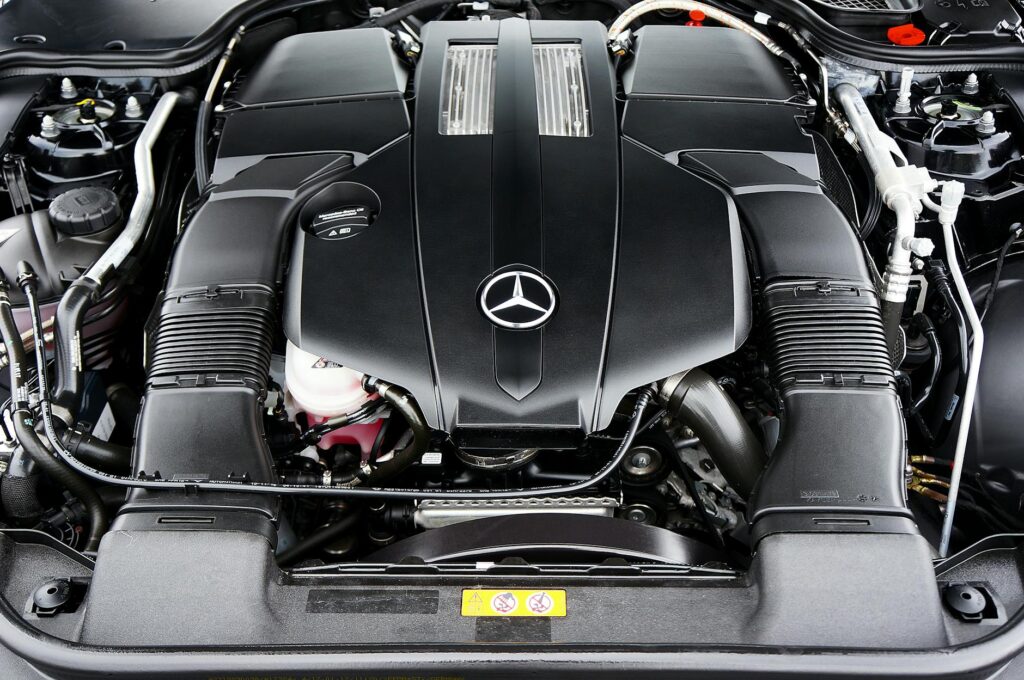
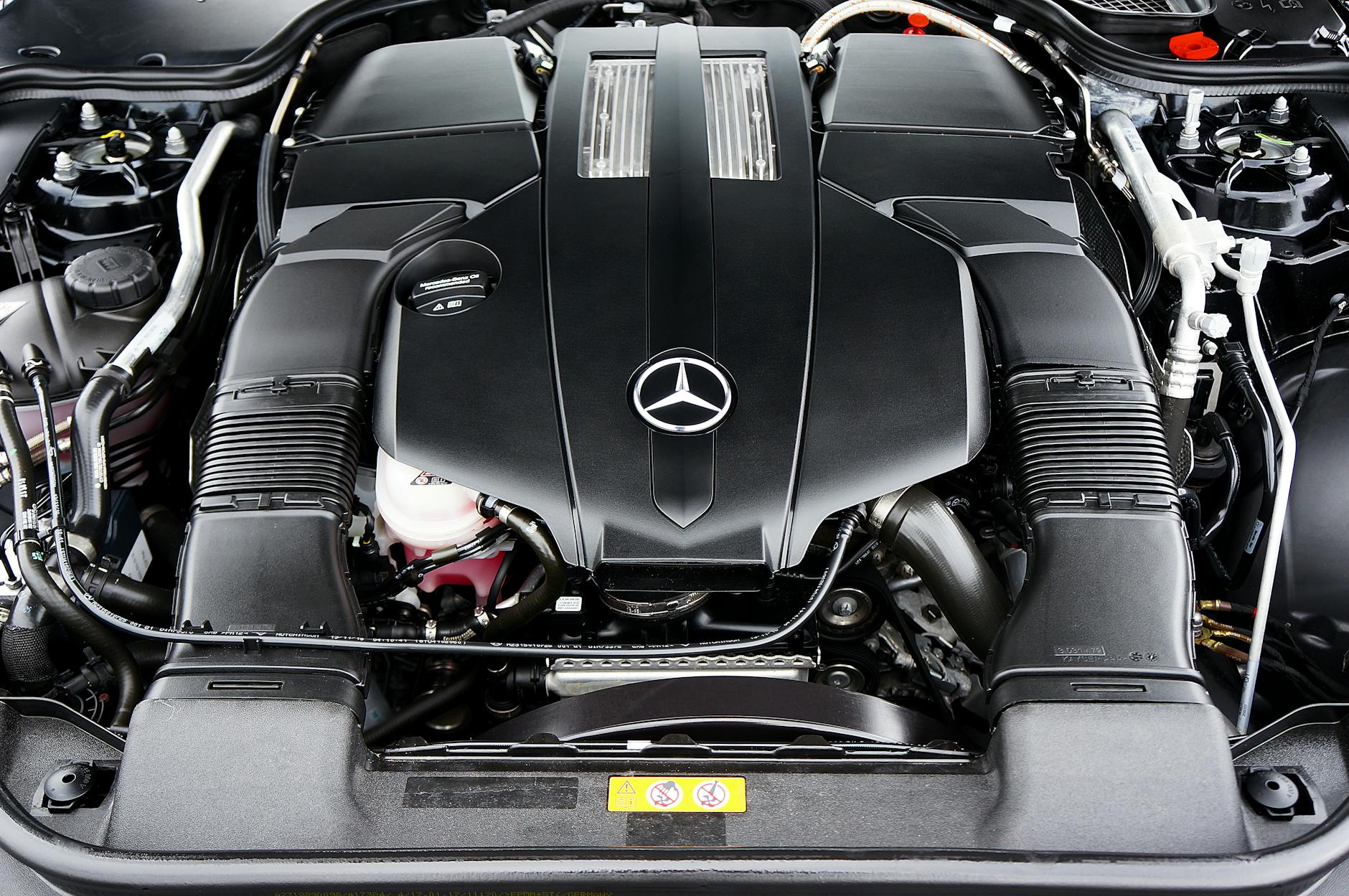
This article focuses on compressor failure on the W213 E300 (typically the M274 petrol engine paired with the 9G-TRONIC 9-speed automatic, 9G/725.0). Even though the engine and gearbox aren’t the cause, they influence where components sit, how heat builds up, and how long the compressor works to maintain correct ride height.
🔧 Recommended Professional Tool
Cooling System Diagnostic ToolsProfessional coolant tester and infrared thermometer for accurate overheating diagnosis.
✔ Recommended by automotive technicians ✔ Suitable for BMW, Mercedes, VAG & JLR platforms ✔ Fast international shipping
2. Causes
Air suspension compressors rarely fail “out of nowhere.” Most are damaged by overwork caused by leaks or restricted airflow. Common causes on the W213 include:
- Air leaks in the system
- Leaking air struts/bellows, air lines, or valve block O-rings force the compressor to run too often.
- Moisture and contamination
- A saturated or failing dryer cartridge allows water into the system, leading to corrosion and sticking valves.
- Clogged intake filter or poor air supply
- If the compressor can’t breathe freely, it runs hotter, draws higher current, and wears faster.
- Electrical issues
- Weak relay contacts, poor ground points, or an aging battery can cause low voltage, slow compressor speed, and overheating.
- Age and duty cycle
- Short trips, frequent height adjustments, and heavy loads increase compressor run time and heat cycles.
- Underlying valve block problems
- A sticking valve block can mimic compressor weakness by not distributing pressure properly.
On other brands, the pattern is similar: Range Rover (Pathfinder/SDD diagnostics) compressors fail after leaks; Audi/VW (ODIS) systems can overwork the pump due to leaking reservoir lines; BMW air systems diagnosed in ISTA show “control time exceeded” faults when the compressor can’t reach target pressure.
3. Symptoms
A failing W213 air suspension compressor typically shows a mix of ride-height and warning symptoms. Watch for:
- Car sitting low after parking
- Often one corner drops first; overnight sag is a strong leak clue.
- “AIRMATIC” / suspension warning messages
- Warnings may appear after startup or when driving over bumps.
- Compressor running loudly or frequently
- A healthy compressor is audible but shouldn’t sound strained or run for long periods.
- Slow height changes
- The car takes longer than normal to rise, especially in cold weather.
- Uneven ride height or “nose up/nose down” stance
- Could be a leak, valve block issue, or compressor that can’t build pressure.
- Harsh ride
- If the system can’t maintain pressure, the suspension may feel stiff or unsettled.
- Car may enter a limited function mode
- Some failures cause the system to protect itself by disabling automatic leveling.
4. How to diagnose
Diagnosis matters because replacing the compressor without fixing a leak often leads to a second failure. A practical approach includes both basic checks and proper scan tool reading.
Step-by-step checks you can do
- Listen after unlocking/starting
- If the compressor runs immediately and for a long time, suspect a leak or weak pump.
- Visual ride-height check
- Park on level ground and measure arch-to-ground at each corner; compare after 2–8 hours.
- Inspect for obvious airline damage
- Look for rubbing, crushed lines, or wet/dirty areas around fittings.
Proper diagnostic scan (recommended)
Use Mercedes Xentry (or a high-quality aftermarket scanner with chassis modules) to read suspension faults and live data. Look for:
- Compressor run-time limits exceeded
- Pressure build-up too slow
- Reservoir pressure implausible
- Valve block actuation faults
- Voltage supply faults (important—battery/charging issues can trigger false symptoms)
Leak testing (the most important step)
- A workshop will use soapy water on air lines, strut connections, and the valve block to spot bubbles.
- Some use ultrasonic leak detectors.
- Xentry actuator tests can command fill/vent functions to isolate whether the leak is at a corner (strut) or central (valve block/reservoir).
If you’re cross-shopping experiences: BMW owners often see similar logic in ISTA with “filling time too long,” while VW/Audi in ODIS can show compressor over-temperature and “pressure not reached” faults.
5. How to fix
The correct fix depends on why the compressor is failing.
If the compressor is weak or seized
- Replace the compressor assembly (often supplied with dryer unit depending on kit).
- Replace the relay if it shows heat damage or high resistance.
- Clear faults and perform calibration/ride-height adaptation in Xentry.
If the compressor is fine but overworked
You must address the underlying cause:
- Replace leaking air strut(s) if the bellows leak or the strut is internally failing.
- Repair/replace air lines or fittings if bubbling is found.
- Service or replace the valve block if it sticks or leaks internally.
- Replace the dryer cartridge if moisture is present or the system has been open.
Important practical notes
- Don’t keep commanding height changes repeatedly when warnings appear; it can overheat the compressor.
- After repairs, ensure the system achieves target pressure quickly and holds it with the car parked.
6. Repair costs
Costs vary across Europe depending on labour rates (independent vs main dealer), parts brand, and whether additional leaks are present. Realistic ranges:
-
Air suspension compressor replacement (W213)
- Parts: €450–€1,200 (aftermarket vs OEM)
- Labour: €150–€400 (1–2.5 hours typical)
- Total: €600–€1,600
-
Compressor relay / wiring repair
- Parts: €20–€80
- Labour: €50–€200
- Total: €70–€280
-
Dryer cartridge/service kit (if separate)
- Parts: €40–€150
- Labour: €80–€200
- Total: €120–€350
-
Valve block replacement
- Parts: €200–€600
- Labour: €150–€400
- Total: €350–€1,000
-
Air strut replacement (per corner, if leaking)
- Parts: €600–€1,600 (varies by axle and brand)
- Labour: €200–€600
- Total: €800–€2,200 per corner
A common scenario is a compressor replaced for €900–€1,400, followed by discovery of a leaking front strut. A good workshop will insist on leak testing first to avoid that outcome.
7. Prevention tips
You can’t make an air suspension compressor last forever, but you can reduce how hard it works:
- Fix small sags early
- A minor leak quickly turns into compressor overwork.
- Keep the car’s electrical system healthy
- A weak battery or charging issue can cause low voltage and more compressor stress.
- Avoid unnecessary height changes
- Constantly raising/lowering for driveways increases duty cycle.
- Rinse winter salt from wheel arches
- Salt and grime accelerate corrosion on fittings and lines.
- Choose quality parts
- Cheap compressors may be noisy and short-lived; consider OEM or reputable suppliers.
8. When to see a mechanic
Book a workshop visit if any of the following happen:
- The car drops noticeably overnight or sits unevenly
- The compressor runs often or sounds strained
- You see repeated suspension warnings or the car refuses to raise
- The ride becomes harsh or unstable
- You suspect moisture contamination (especially after system work)
Choose a shop that can run Xentry and understands AIRMATIC leak diagnosis. The right tools and method save money by preventing unnecessary parts replacement.
9. Frequently Asked Questions
Frequently Asked Questions
Why does my W213 E300 sink overnight—does that mean the compressor is bad?
Not necessarily. Overnight sinking usually points to a leak at an air strut, line, or valve block, which then forces the compressor to work harder the next morning. A compressor can be perfectly healthy but still struggle if the system can’t hold pressure.
Can I keep driving with an air suspension compressor fault?
Often you can drive short distances, but it depends on how low the car sits and whether the system has disabled leveling. Continued driving while the compressor runs constantly can overheat it and turn a repair into a bigger bill. If the car is very low or handling feels unsafe, stop and get it inspected.
Will replacing the compressor alone fix the problem?
Only if the compressor is the true root cause. If there’s a leak, the new compressor will be overworked and may fail early as well. Proper diagnosis with Xentry and a leak test is the best way to avoid repeat repairs.
Is an aftermarket compressor a good idea for the W213?
A quality aftermarket unit can be fine, but the cheapest options may be noisy, slow to build pressure, or have a shorter lifespan. Ask whether the kit includes a dryer and whether the supplier offers a meaningful warranty. Labour is a significant part of the cost, so saving a little on parts can be a false economy.
What diagnostic information should I expect a workshop to provide?
You should expect fault codes, compressor run-time or pressure build-up data, and confirmation of whether leaks were found. A good shop will show before/after values and confirm the car holds pressure when parked. If they recommend major parts without leak testing, ask for more evidence.