1. Introduction
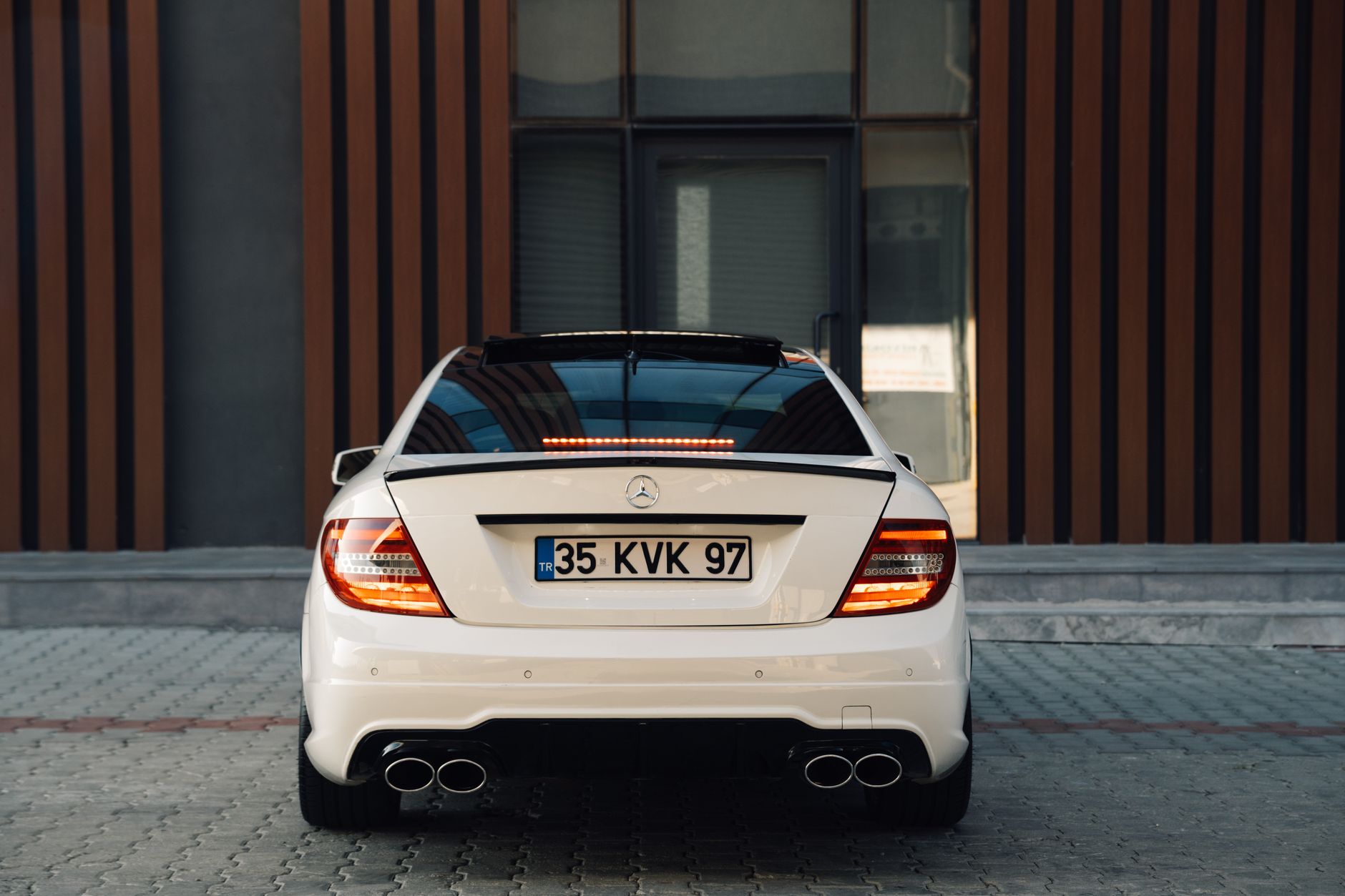
The Mercedes-Benz W204 C-Class (2007–2014) is widely loved for its solid cabin, confident motorway manners, and “smaller Mercedes” feel. But as these cars move deeper into higher-mileage territory, rear suspension problems are one of the most common reasons owners start noticing knocks, vague handling, or uneven rear tyre wear. This matters whether you drive a C180 Kompressor, a C220 CDI with the OM651, or a C250 CDI—because most rear suspension wear is chassis-related rather than engine-specific.
Recommended Tool: Professional OBD2 Scanner
Recommended Tool: OEM Suspension Components
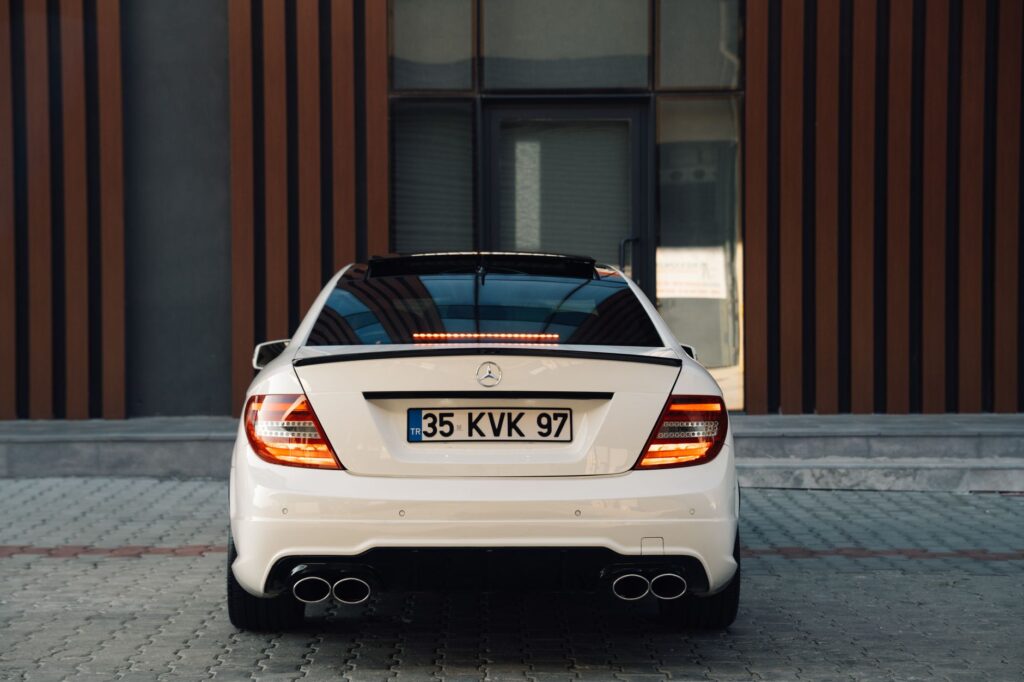
This guide is written for everyday European owners who want to understand what fails, what it feels like from the driver’s seat, and what a sensible diagnostic and repair plan looks like. It also helps you talk confidently to an independent specialist or main dealer—and avoid paying for parts you don’t actually need.
Recommended Tool: Professional OBD2 Scanner
🔧 Recommended Professional Tool
Mercedes OM651 Diesel ToolsAdvanced diesel diagnostic tools for OM651
✔ Recommended by automotive technicians ✔ Suitable for BMW, Mercedes, VAG & JLR platforms ✔ Fast international shipping
2. Causes
Rear suspension issues on the W204 typically come from normal wear plus European road conditions (potholes, speed bumps, salt, and heavy loads). The most common root causes include:
- Worn rear control arm bushes
Rubber bushes age, crack, and soften, allowing unwanted movement under load. - Rear ball joints and track rod ends
These develop play, leading to clunks and unstable toe settings. - Rear subframe mounting bushes
Less frequent than arm bushes, but when worn they cause dull thuds and a “loose” rear end feeling. - Rear shock absorbers and top mounts
Dampers weaken over time; top mounts can crack or separate, especially after harsh impacts. - Coil spring issues
Springs can sag or (less commonly) fracture near the lower coil, sometimes hidden by road grime. - Wheel bearing wear
Not strictly suspension, but often misdiagnosed as suspension noise. - Alignment drift after impacts
A hard pothole strike can shift settings and accelerate tyre wear, even if no single part is “broken.”
If your W204 has larger wheels (common on AMG-line trims), suspension wear may show sooner due to lower tyre sidewalls and higher impact loads.
3. Symptoms
Rear suspension problems usually announce themselves gradually. Typical signs include:
- Clunking or knocking from the rear over speed bumps or rough roads
- A vague, “rear-steer” sensation on motorways, especially in crosswinds or when changing lanes
- Uneven rear tyre wear, often on the inside edge
- Squeaks or creaks when the rear axle articulates (driveways, ramps)
- Rear-end squat or bouncing after bumps (weak dampers)
- Steering wheel not centred or the car feeling “dog-tracked” after an alignment
- Humming/roaring that changes with speed (can indicate wheel bearing rather than suspension)
Don’t ignore early tyre wear. A worn toe link or bush can destroy a pair of rear tyres quickly, which is often more expensive than fixing the underlying problem.
4. How to diagnose
You can do a lot before replacing parts—especially if you approach diagnosis systematically.
Basic checks you can do at home
- Tyre inspection: Look for inner-edge wear, cupping, or feathering on rear tyres.
- Bounce test (limited value): Excessive bouncing suggests weak shocks, but modern cars can mask this.
- Listen for repeatable noises: Note whether knocks happen on compression (bumps) or during acceleration/braking transitions.
Visual inspection (best on a lift)
A proper inspection usually requires the car safely lifted with the suspension supported at normal ride height (important for bush assessment).
A workshop will typically:
- Check play in rear arms and ball joints using a pry bar and hands-on movement.
- Inspect bush cracking, separation, or leakage (some bushes appear intact but are soft and allow movement).
- Check for broken spring coils at the bottom seat.
- Look for shock leaks and worn top mounts.
- Spin wheels and listen for wheel bearing noise; check for roughness.
Alignment and live data clues
A four-wheel alignment printout is often the quickest way to spot what’s wrong:
- Rear toe out of spec or unstable side-to-side can point to worn toe links/bushes.
- Camber excessive may be normal on some setups, but big left/right differences can indicate damage or sagging.
Diagnostic tools (when relevant)
Rear suspension wear is mostly mechanical, but diagnostics can still help:
- Xentry (Mercedes) can check for related fault codes and confirm if any stability control interventions are unusual (e.g., yaw rate plausibility issues that can be worsened by poor rear geometry).
- If you also own other marques: ISTA (BMW), ODIS (VW/Audi), and Pathfinder/SDD (JLR) won’t diagnose W204 suspension wear directly, but the same principle applies—use OEM tools to rule out sensor faults before chasing mechanical noises.
5. How to fix
The best repairs address the worn components and then restore correct geometry with an alignment.
Common, effective repair approaches
- Replace worn rear control arms or individual bushes
Many owners choose complete arms because pressing bushes can be labour-intensive and results vary with aftermarket bush quality. - Renew toe links/track rods (rear) if there’s play or seized adjusters
Seized adjusters are common on older European cars; replacing the link can save time and ensure alignment is achievable. - Replace rear shock absorbers and mounts in pairs
If one damper is leaking or weak, the other is usually close behind. New mounts prevent repeat noises. - Replace springs if cracked or sagging
Always do both sides to maintain balance. - Subframe bush replacement (only if confirmed worn)
This is more involved and should be done by a workshop familiar with W204 rear axle work.
Parts quality guidance
- Stick with OEM or premium brands (e.g., Lemförder, TRW, Sachs/Bilstein depending on application). Very cheap arms can introduce new vibrations or last only a year.
- If you want sharper handling, some owners consider polyurethane bushes, but they can increase noise and harshness—often not ideal for daily driving.
After repairs: alignment is not optional
Even if the car “feels fine,” you should book a proper four-wheel alignment after rear suspension work. It protects tyres and restores stable handling.
6. Repair costs
Costs vary by country, labour rate, and parts choice. Typical European ranges (parts + labour):
- Rear alignment only: €90–€180
- Rear toe link / track rod replacement (pair): €250–€500
- Rear control arm replacement (one arm): €200–€450
- Multiple rear arms (common refresh on higher mileage): €600–€1,300
- Rear shock absorbers + mounts (pair): €450–€900
- Rear springs (pair): €300–€650
- Rear wheel bearing (one side): €250–€500
- Rear subframe bushes: €900–€1,800 (labour-heavy)
A realistic “sort the rear end properly” bill for a tired W204—arms/links plus alignment—often lands around €800–€1,500, depending on how many components are genuinely worn.
7. Prevention tips
You can’t stop rubber ageing, but you can slow the damage and catch problems early:
- Keep tyres correctly inflated and rotate where appropriate (if tyre setup allows).
- Avoid heavy kerb impacts and take speed bumps slowly—especially with 18–19" wheels.
- Wash the underside in winter to reduce salt-related corrosion on adjusters and fasteners.
- Do an alignment check if you hit a major pothole or notice the steering wheel off-centre.
- Inspect tyres monthly—inner-edge wear is easy to miss until cords show.
8. When to see a mechanic
Book a professional inspection if you notice any of the following:
- Repeated knocking/clunking that you can’t pinpoint
- Rapid or uneven tyre wear, especially inside edges at the rear
- The car feels unstable at motorway speeds or wanders under light steering inputs
- A recent pothole impact followed by new noise or handling changes
- You suspect subframe bush issues (these need correct tools and procedures)
Choose a workshop that can show you the play in the suspension on the lift, explain what’s actually worn, and provide an alignment report afterward.
9. Frequently Asked Questions
Frequently Asked Questions
Can rear suspension wear cause ESP or traction control to intervene more often?
Yes. If rear toe or camber is drifting due to worn links or bushes, the car can feel unstable and the stability system may step in sooner. Xentry won’t “find” a worn bush, but it can help rule out sensor issues and confirm the car isn’t reacting to a faulty yaw or wheel-speed signal.
Why do my rear tyres wear on the inside edge even after an alignment?
If a toe link, control arm bush, or ball joint has play, the alignment can look correct while stationary but shift on the road under load. The result is continued inside-edge wear. The fix is replacing the worn component(s) and then realigning.
Is it worth replacing individual bushes or should I replace complete arms?
Complete arms are often simpler and more consistent because they come with new bushes and joints. Pressing bushes can be cost-effective, but only if the workshop has the right tooling and uses high-quality bush parts. For many owners, full arms reduce the risk of repeat work.
How do I tell a wheel bearing noise from a suspension knock?
A wheel bearing usually produces a humming or roaring that changes with speed and sometimes with gentle cornering load. Suspension knocks are more linked to bumps, driveway ramps, or acceleration/braking transitions. A workshop can confirm by spinning the wheel on a lift and checking for roughness and play.
Can I keep driving with a rear suspension clunk if the car still feels okay?
It’s risky. Minor wear can become sudden play, which can affect handling and tyre wear quickly—costing more in the long run. If the clunk is new or getting worse, have it inspected soon.