1. Introduction
Delayed reverse engagement is a common complaint on the Mercedes GLE Coupé fitted with the 9G‑Tronic automatic gearbox (typically the 9G‑TRONIC 725.0 series). You select R, there’s a pause, sometimes a slight bump, and only then the car begins to move. For everyday owners, this can feel like a safety issue—especially when reversing out of a parking space on a busy street—yet the cause can range from a simple fluid level problem to internal hydraulic wear.
Recommended Tool: Professional OBD2 Scanner
Recommended Tool: Cooling System Diagnostic Tools
Recommended Tool: Transmission Diagnostic Tools
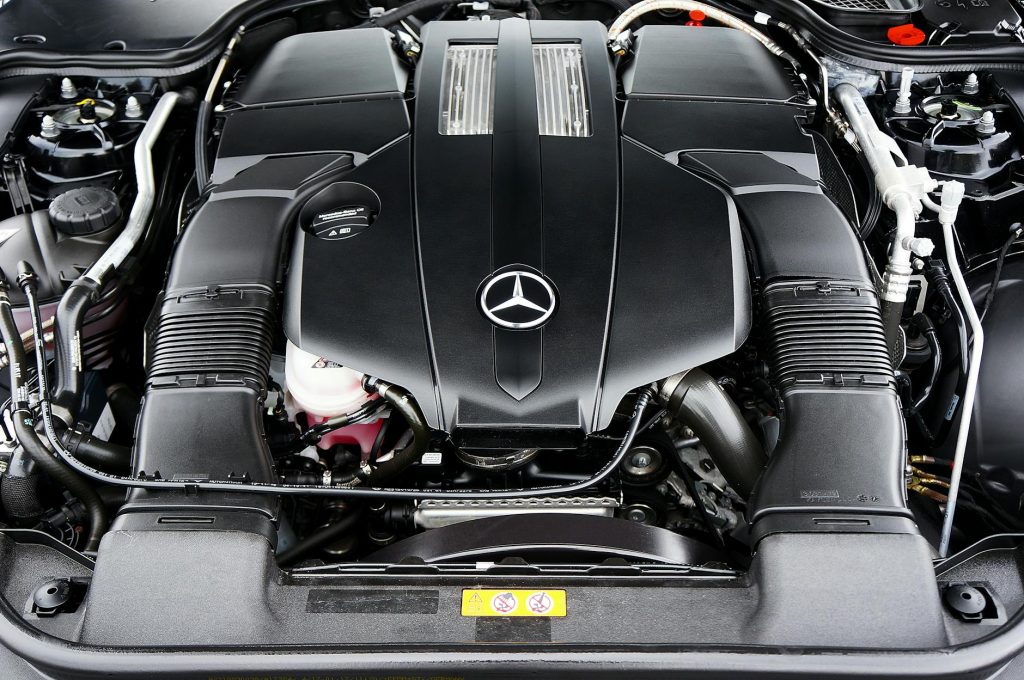
Because the GLE Coupé often runs higher torque engines (for example OM642 V6 diesel, OM656 inline‑six diesel, or M276 petrol V6 depending on model year and market), the transmission’s clutch packs and hydraulic system work hard. The good news is that a structured diagnosis—often using Xentry and a proper test drive routine—usually pinpoints the issue without guesswork.
🔧 Recommended Professional Tool
Cooling System Diagnostic ToolsProfessional coolant tester and infrared thermometer for accurate overheating diagnosis.
✔ Recommended by automotive technicians ✔ Suitable for BMW, Mercedes, VAG & JLR platforms ✔ Fast international shipping
2. Causes
Delayed engagement into reverse on a 9G‑Tronic is usually related to hydraulic pressure build-up, fluid condition, or control/valve issues. Common causes include:
- Low or incorrect automatic transmission fluid (ATF) level
- Can happen after an improper service or a small leak at the transmission pan, connector sleeve, or cooler lines.
- ATF degradation or contamination
- Overheating, long service intervals, or mixed fluid specifications can reduce friction performance and slow clutch application.
- Valve body wear or sticking valves
- Hydraulic valves can stick with varnish buildup, leading to delayed clutch fill times.
- Conductor plate / speed sensor or electrical control issues
- Faulty sensor readings can cause the transmission to hesitate while it validates conditions for gear engagement.
- Adaptation values out of range
- The gearbox “learns” clutch fill times; if these drift due to wear or fluid issues, reverse can become slow to apply.
- Internal clutch pack wear (reverse elements)
- Less common, but possible on higher mileage cars, towing use, or repeated overheating.
- Software calibration issues
- Some vehicles benefit from a TCU (EGS) update that improves engagement behavior.
3. Symptoms
Owners usually describe one or more of the following:
- A 1–3 second delay after selecting Reverse before the car moves
- A thump or bump when reverse finally engages
- Reverse engages normally when cold, but delays when hot (or the opposite)
- Occasional “Transmission/Visit Workshop” message or stored fault codes (even if no warning is shown)
- Slight flare in engine rpm during the delay
- Hesitation is worse after shifting from D to R quickly, such as during tight parking maneuvers
If the delay is getting progressively longer, treat it as more urgent—small hydraulic issues can turn into clutch damage if ignored.
4. How to diagnose
A good diagnosis combines a road test, basic checks, and proper scan tool data. For Mercedes, Xentry is the gold standard, though some high-end independent workshops use equivalent tools.
Basic checks you can do as an owner
- Confirm the issue happens in a repeatable way: cold start vs fully warm, after short stop, after long drive.
- Check for signs of leakage:
- Fresh oil around the transmission pan perimeter
- Wetness near the transmission electrical connector area
- Oil residue around cooler lines
Workshop-level diagnostic steps (what to ask for)
Using Xentry, the technician should:
- Perform a full fault code scan of the transmission control unit (and related modules)
- Check live data for:
- Gear request vs gear actual
- Clutch fill/adaptation values
- Transmission oil temperature
- Line pressure targets (where available)
- Run guided tests (actuation tests) for solenoids where supported
- Verify the correct fluid specification and fluid level using Mercedes procedure (temperature-dependent level checking)
Useful observations during a test drive
- Time the delay from selecting R to engagement at:
- 30–40°C ATF temp (warming up)
- 70–90°C ATF temp (normal operating)
- Note whether shifting to Neutral briefly before Reverse changes behavior
- Observe if reverse delay occurs more after an aggressive stop or slope parking
A consistent delay that worsens with heat often points to fluid thinning, valve body wear, or clutch leakage.
5. How to fix
The correct fix depends on what diagnostics reveal. Common repair paths include:
1) Correct ATF level and fix leaks
If fluid is low, the reverse clutch may take longer to fill. A workshop should:
- Identify and repair the leak (pan gasket, connector sleeve, seals, cooler line fittings)
- Refill with the correct Mercedes-approved ATF
- Recheck level at the specified temperature
2) Transmission service (fluid + filter/pan)
On many 9G‑Tronic applications, the pan may be plastic with an integrated filter. Replacing it and refreshing fluid can improve engagement if the old fluid is degraded.
- Best practice includes resetting and relearning adaptations (where applicable) after service, using Xentry.
3) Adaptation reset and software update
If the transmission is mechanically healthy but “learned” values are no longer optimal:
- Update transmission software (if updates are available for your VIN)
- Reset adaptation values and complete the adaptation drive routine
4) Valve body repair or replacement
If sticking valves or solenoid issues are confirmed:
- Valve body replacement or specialist rebuild can restore correct hydraulic behavior
- This is a common mid-level fix when fluid service alone doesn’t help
5) Internal repair (clutches/torque converter where applicable)
If there is confirmed internal wear (excessive adaptation limits, recurring slip codes, debris in pan):
- The gearbox may require partial rebuild or replacement
- This is the most expensive scenario, but it’s not the first step unless evidence supports it
6. Repair costs
Prices vary widely across Europe by country, labor rate, and whether you use a dealer or a transmission specialist. Typical ranges (parts + labor):
- Diagnostic scan + test drive (Xentry): €80–€180
- Fix minor leak + correct ATF level: €200–€600
- 9G‑Tronic service (pan/filter + fluid): €450–€900
- Software update + adaptation reset: €120–€300 (often combined with other work)
- Valve body replacement/rebuild: €1,200–€2,500
- Gearbox internal repair/rebuild: €3,500–€6,500+
- Factory reman/used gearbox replacement: €4,500–€9,000 (plus coding/adaptations)
If the car has been driven for a long time with harsh engagement, budget risk increases because clutch damage can follow.
7. Prevention tips
Reverse engagement problems often start small, so prevention is mostly about fluid health and heat management:
- Service the transmission fluid earlier than “lifetime” claims, especially if you tow, drive in mountains, or do lots of stop-start city driving. Many owners choose 60,000–80,000 km intervals.
- Fix small leaks quickly; low ATF level is a common trigger for delayed engagement.
- Avoid repeated fast rocking between D and R when parking—pause briefly in Neutral if needed.
- Let the car idle for a moment after cold start before immediate tight maneuvers, especially in winter.
- If you feel shudders or bumps, don’t keep “testing it”; get it scanned before it worsens.
8. When to see a mechanic
Book a workshop visit if:
- Reverse delay exceeds 1 second consistently
- Engagement comes with a strong clunk or the car lurches
- You see any gearbox warning message or limp mode behavior
- The delay worsens when hot, or you notice burning smell or abnormal noises
- You recently had transmission work done and the problem started afterward (possible incorrect fluid level/spec)
A Mercedes specialist with Xentry is ideal, but a reputable transmission workshop familiar with 9G‑Tronic hydraulics can also handle it correctly.
9. Frequently Asked Questions
Frequently Asked Questions
Is a slight delay into reverse normal on a 9G‑Tronic?
A very brief pause can happen as the transmission confirms conditions and builds pressure, especially when cold. A consistent delay of 1–3 seconds, or any delay that is getting worse, is not considered normal behavior. If it’s accompanied by a thump, it deserves diagnosis.
Can low ATF really cause delayed reverse engagement without other symptoms?
Yes. Reverse requires a specific clutch application, and if the clutch circuit takes longer to fill due to low fluid, you can get a delay without obvious slipping in forward gears. A proper temperature-based level check is essential.
Will a fluid and filter service fix it?
Sometimes, especially if the ATF is old or the level is slightly off. If the delay remains after correct service and adaptation procedures, the cause is more likely valve body wear, solenoid control issues, or internal leakage. A scan with Xentry helps decide the next step.
What fault codes are commonly associated with this issue?
It varies by VIN and software version, but codes related to gear monitoring, pressure control, or excessive adaptation values are common. Some cars show no dashboard warning even when the transmission control unit stores “pending” or intermittent faults. That’s why reading the module directly matters.
Is it safe to keep driving with delayed reverse engagement?
Short-term gentle driving may be possible, but it carries risk. If the delay is due to low fluid or clutch wear, continued driving can accelerate damage and turn a moderate repair into a rebuild. It’s best to diagnose early.