1. Introduction
A “Mercedes GLC Air Suspension Malfunction” warning can be unsettling, especially because the GLC’s AIRMATIC system is designed to deliver a smooth ride, keep the vehicle level under load, and adjust height for comfort and ground clearance. When that warning appears, the car is telling you the suspension system can’t control air pressure the way it should. In everyday terms: the vehicle may not sit level, may feel harsher, may sag overnight, or may lock itself into a limited ride height to protect components.
Recommended Tool: Professional OBD2 Scanner
Recommended Tool: Portable Jump Starter
Recommended Tool: Cooling System Diagnostic Tools
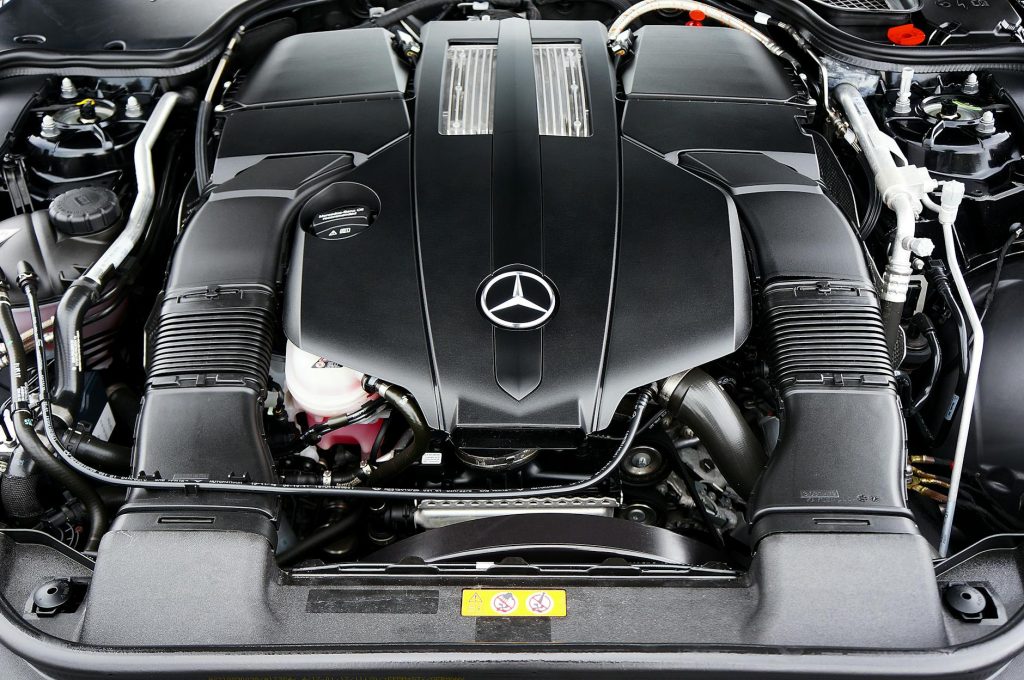
Two of the most common culprits behind this warning are the air compressor and the valve block (also called the valve unit or distribution block). The compressor creates pressurized air, and the valve block routes that air to each air spring/strut. If either one fails—or if there’s a leak forcing them to work too hard—the system will detect abnormal pressure behavior and set the warning.
🔧 Recommended Professional Tool
Cooling System Diagnostic ToolsProfessional coolant tester and infrared thermometer for accurate overheating diagnosis.
✔ Recommended by automotive technicians ✔ Suitable for BMW, Mercedes, VAG & JLR platforms ✔ Fast international shipping
This guide explains what typically causes the problem, what you’ll notice as a driver, how diagnosis works, and what fixes are realistic for most owners.
2. Causes
Compressor-related causes
The compressor is the “pump” of the system. Problems here often stem from wear or overwork.
- Compressor wear/failure: Internal components wear out over time, leading to weak output or a compressor that won’t run.
- Overheating due to leaks: If an air strut or line leaks, the compressor runs more often trying to maintain pressure, which shortens its life.
- Moisture contamination: If the dryer cartridge is saturated or failing, moisture can enter the system and damage compressor internals or freeze in cold weather.
- Electrical or relay issues: A failing relay, fuse, wiring issue, or poor ground can prevent the compressor from running reliably.
Valve block (valve unit) causes
The valve block controls which corner of the car receives or releases air.
- Sticking or leaking solenoid valves: Valves can stick open/closed or leak internally, causing uneven height or slow settling.
- Internal seal failure: Seals can degrade, allowing pressure to bleed between circuits or back to the compressor.
- Contamination: Dirt or moisture can interfere with valve operation, creating inconsistent ride height behavior.
Other contributors that mimic compressor/valve block failure
Even when the warning points you toward the compressor or valve block, the root cause can be elsewhere.
- Air spring/strut leaks: Rubber bellows can crack with age, especially in climates with road salt or extreme temperature swings.
- Air line leaks or loose fittings: A small leak can create big symptoms over time.
- Height sensor faults: If a ride-height sensor or linkage fails, the system may “think” the vehicle is too high/low and respond incorrectly.
- Control module/software issues: Less common, but possible after low voltage events or if updates are needed.
3. Symptoms
What you may feel or see
- Vehicle sagging on one corner after parking, or sitting low in the rear/front.
- Uneven stance (one side higher than the other).
- Harsh ride quality compared to normal, as the system may lock into a protective mode.
- Height adjustment not working (won’t raise/lower when commanded).
- Long compressor run time when starting the car, or frequent cycling while driving.
What you may hear
- Compressor running loudly or longer than usual.
- Hissing sounds near a wheel well or under the vehicle (often indicates an air leak).
- Clicking from the valve block area (sometimes normal, but repeated clicking with no height change can indicate a valve issue).
Dashboard and warning signs
- Air suspension malfunction warning appearing intermittently at first, then becoming persistent.
- Vehicle limited to a fixed height or a “reduced function” mode.
- In some cases, additional stability/driver-assist warnings if the car detects abnormal ride height.
4. How to diagnose
Start with simple, owner-friendly checks
- Observe the vehicle height after parking overnight.
If one corner drops consistently, that often points to a leaking air spring/line near that corner—though a valve block that leaks internally can also cause settling. - Listen at startup.
A compressor that runs for a long time may be compensating for a leak or may be weak and struggling to build pressure. - Check for obvious damage.
Look around wheel wells for cracked rubber bellows, damaged wiring near height sensors, or anything hanging down.
Use scan data (best next step)
A scan tool that can read Mercedes chassis/suspension codes is the most direct route to answers. Generic code readers may not show the relevant AIRMATIC fault details.
Common diagnostic clues include:
- Compressor performance codes (pressure not reached, compressor overrun time, thermal shutdown).
- Valve block solenoid codes (electrical fault, implausible pressure change).
- Reservoir pressure values that don’t match expected behavior.
- Corner height sensor readings that don’t correlate with actual stance.
Leak detection methods
A shop may use:
- Soapy water testing on air lines/fittings/air springs to find bubbles.
- Smoke testing in some cases.
- Pressure decay tests to see how quickly the system loses pressure.
Important note: A failing compressor is often a result of a leak. If you replace the compressor without fixing the leak, the new compressor may fail prematurely.
5. How to fix
Fixing compressor issues
Depending on what’s found:
- Replace the compressor assembly if it’s weak, seized, or repeatedly overheating.
- Replace the compressor relay/fuse if the compressor is fine but not being powered consistently.
- Replace the dryer cartridge/desiccant if moisture contamination is suspected (often done with compressor service).
After replacement, the system typically needs:
- Calibration/initialization and fault clearing with a capable scan tool.
- Verification of reservoir pressure build time to ensure normal operation.
Fixing valve block issues
- Replace the valve block/valve unit if internal leakage or sticking valves are confirmed.
- Inspect/clean electrical connectors if codes indicate intermittent electrical faults.
- In some cases, relearn/calibration procedures are required so the system properly controls height at each corner.
If the real problem is a leak elsewhere
- Replace leaking air springs/struts (very common on higher-mileage vehicles).
- Repair/replace damaged air lines or fittings.
- Replace faulty height sensors or linkages if the suspension is moving correctly but the readings are wrong.
Because the system is interconnected, the best repair plan addresses the underlying cause (leak, moisture, electrical), not only the component that triggered the warning.
6. Prevention tips
- Don’t ignore early sagging. A small leak today can burn out a compressor later.
- Keep the undercarriage clean in winter. Road salt and grime accelerate rubber and connector aging.
- Maintain a healthy battery. Low voltage can trigger errors and cause erratic compressor/valve behavior.
- Avoid repeated height cycling when there’s a known issue. Constant raising/lowering can overwork the compressor if the system is already struggling.
- Have the system checked promptly after unusual noises. A compressor that suddenly gets loud is often warning you before complete failure.
7. When to see a mechanic
You should schedule service if:
- The warning is persistent or the vehicle is stuck at an abnormal height.
- The compressor runs frequently or for long periods after each start.
- The vehicle leans, bottoms out, or the ride becomes unusually harsh.
- You suspect an air leak but can’t pinpoint it safely.
Air suspension diagnosis is very data-driven, and many fixes require a scan tool for proper calibration and to confirm that pressure and height values are within spec. A shop experienced with Mercedes suspension systems can also prevent repeat failures by checking for leaks and moisture issues before installing major parts.
8. Frequently Asked Questions
Frequently Asked Questions
Can I keep driving with a Mercedes GLC air suspension malfunction warning?
You can often drive short distances, but the car may limit ride height and handling may change. If the vehicle is sagging significantly or the ride is very harsh, continued driving can stress tires and suspension components. It’s best to drive gently and arrange diagnosis soon.
How can I tell if it’s the compressor or a leak in an air strut?
A weak compressor often runs longer than normal and may trigger “pressure not reached” type faults. A leak typically shows up as the vehicle dropping at one corner after sitting, plus frequent compressor cycling to recover height. Scan data and a leak test are usually needed to be sure.
What does a failing valve block feel like compared to other problems?
Valve block issues commonly cause inconsistent leveling, slow height changes, or the car settling even when air springs look fine. You may notice the vehicle corrects height on one side but not the other, or changes happen in odd steps. Fault codes for specific solenoids or implausible pressure changes can point toward the valve unit.
If I replace the compressor, do I also need to replace the dryer?
In many cases, yes—especially if the compressor is original or has been overheating. A saturated dryer allows moisture into the system, which can damage the new compressor or contribute to valve block issues. Many repair plans include the dryer service as cheap insurance.
Why did the warning come and go before becoming constant?
Early on, a small leak, a sticking valve, or marginal compressor output may only fail under certain conditions (cold weather, heavy load, repeated height adjustments). As the problem worsens, the system can no longer maintain pressure or control height reliably, so the warning becomes persistent. Intermittent warnings are a strong sign to diagnose sooner rather than later.