1. Introduction
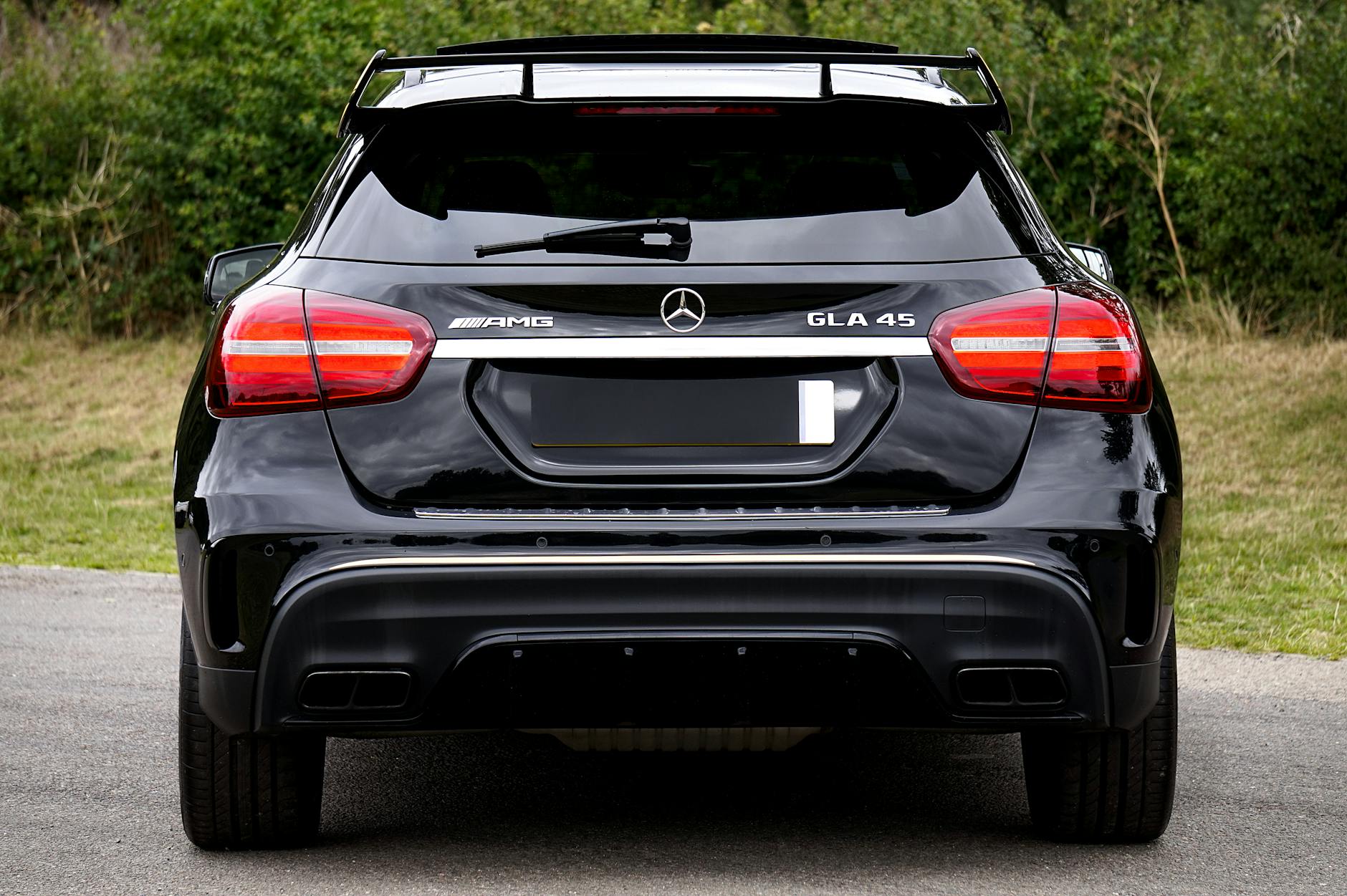
Rear axle bushings are small parts with a big job: they isolate vibration, keep the rear suspension aligned, and help your Mercedes GLA X156 200 feel stable and quiet on European roads. Over time, these rubber-and-metal mounts wear out from heat, load, salt, potholes, and constant twisting forces from braking and acceleration. When they deteriorate, the rear axle can shift slightly under load, affecting handling, tyre wear, and even safety systems that rely on stable wheel geometry.
Recommended Tool: Professional OBD2 Scanner
Recommended Tool: OEM Suspension Components
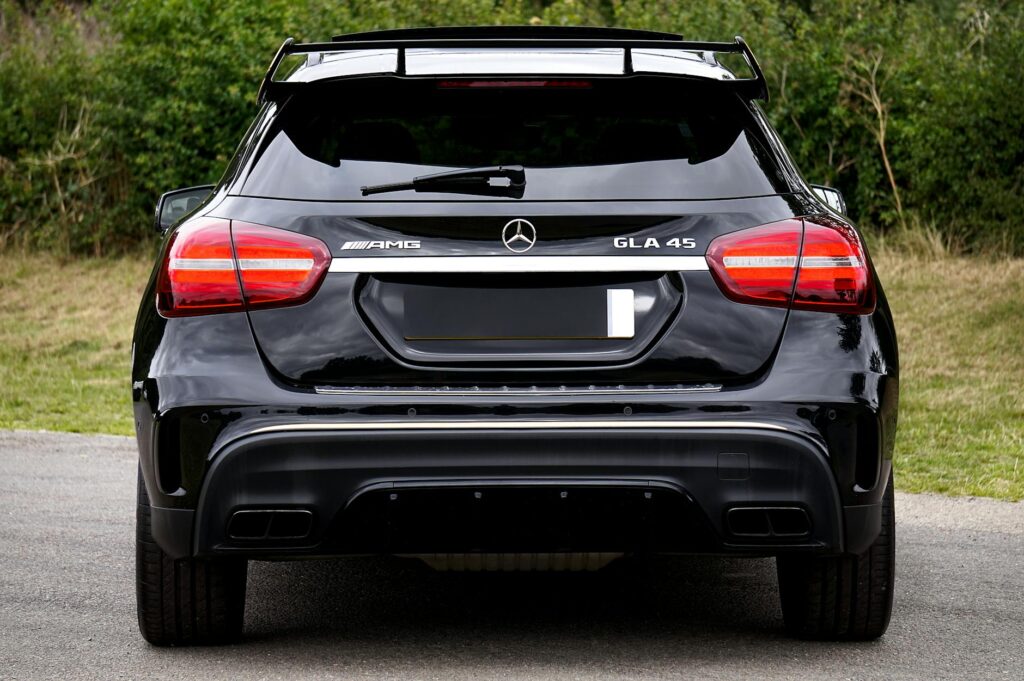
This guide focuses on the Mercedes GLA X156 200 and explains a realistic wear timeline, the causes of bushing failure, how you can spot symptoms early, and what replacement usually involves. Even if you also own a BMW, Audi, VW Group car, or a JLR product, many of the signs and checks are similar—especially if your vehicle uses a multi-link rear suspension with rubber compliance bushes.
Recommended Tool: Professional OBD2 Scanner
2. Causes
Rear axle bushing wear is usually gradual, but certain conditions can accelerate it:
- Age and mileage: Rubber hardens and cracks with time, even on low-mileage cars.
- Road impacts: Potholes, kerb strikes, speed bumps taken quickly, and rough urban streets increase bushing stress.
- Load and towing: Frequent heavy loads (luggage, passengers) or towing increases rear axle movement and accelerates fatigue.
- Climate and road salt: Salt and moisture can corrode the bushing sleeves and nearby hardware, making the rubber fail sooner and replacement harder.
- Driving style: Repeated hard braking and brisk acceleration create torsional loads that twist the axle mounts.
- Wheel and tyre choices: Larger wheels, low-profile tyres, and stiff suspension setups transmit more shock into bushings.
On the GLA X156 200, this wear often shows up as a combination of noise and rear-end instability. While the exact layout can vary by model year and drivetrain, the principle is the same: bushings are designed to flex within a controlled range, and once they lose elasticity or tear, the axle can “steer” slightly on its mounts.
3. Symptoms
A worn rear axle bushing doesn’t always announce itself with a dramatic failure. Most owners notice a few subtle changes first:
- Clunking or knocking from the rear over bumps, driveway ramps, or cobbled streets
- Rear-end “wiggle” or delayed response in quick lane changes or motorway curves
- Thudding sensation when braking firmly, as the axle shifts slightly
- Uneven rear tyre wear, especially feathering or rapid inner-edge wear after alignment
- Increased road noise or vibration that wasn’t there before
- ESP/traction intervention feels more frequent in wet conditions, because wheel geometry is less consistent
Because the GLA sits relatively high compared to a traditional hatchback, some owners dismiss these symptoms as “normal crossover movement.” If the behaviour is new or worsening, it’s worth investigating.
4. How to diagnose
You can do several checks at home, then confirm with a proper inspection. A workshop can also use Mercedes diagnostic tooling to rule out related issues.
At-home checks (safe and simple)
- Visual look (wheels on the ground): Use a torch to inspect visible rubber around rear mounting points. Look for cracking, separation, or shiny metal where the rubber has shifted.
- Listen test: Drive slowly over small bumps with the rear seats down (quiet cabin). A dull knock from one side is a common clue.
- Tyre inspection: Run your hand across the rear tread. If it feels “saw-toothed” or uneven, worn bushings or alignment issues may be present.
Workshop checks (more conclusive)
A garage will typically:
- Lift the car and inspect bushings under load: Many bushings look fine hanging free but show play when the suspension is supported at normal ride height.
- Use a pry bar to check movement: Excessive movement or visible rubber tearing indicates replacement is due.
- Check rear alignment readings: Toe changes can hint at bushing compliance problems.
- Rule out other rear noises: Anti-roll bar links, shock mounts, wheel bearings, or exhaust mounts can mimic bushing noise.
Diagnostic tools (when relevant)
Rear axle bushing wear itself often won’t trigger a fault code. However, a Mercedes specialist may use Xentry to check for related issues such as:
- Steering angle and yaw sensor plausibility (especially if stability control feels odd)
- ABS/ESP fault memory (intermittent wheel speed sensor issues can be mistaken for handling changes)
If you also own other brands, the same logic applies: ISTA (BMW), ODIS (VAG), and Pathfinder/SDD (JLR) are excellent for ruling out sensor or control-unit causes when the real issue is mechanical play.
5. How to fix
The fix is straightforward in concept: replace the worn bushing(s) and restore correct rear axle geometry. In practice, it can be labour-intensive because bushings are press-fit and often corroded in place.
Typical repair approach
- Replace the affected rear axle bushing(s): Many workshops recommend doing both sides to keep handling balanced.
- Use the correct press tools: Pressing bushings in/out without proper tools risks damaging the axle carrier or installing the bushing incorrectly.
- Replace one-time-use bolts where specified: Some suspension bolts are torque-to-yield and should not be reused.
- Perform a 4-wheel alignment after replacement: This is not optional if you want stable handling and good tyre life.
What to consider when choosing parts
- OEM vs quality aftermarket: OEM typically restores factory feel. A high-quality aftermarket bushing can be fine, but very cheap rubber often fails early or adds noise.
- Standard rubber vs more rigid options: Harder bushes can sharpen handling but may increase vibration and cabin noise—usually not what most daily drivers want.
If the car has high mileage, the mechanic may also recommend checking rear shocks, top mounts, and anti-roll bar bushes/links at the same time, as the labour overlap can be significant.
6. Repair costs
Costs vary with country, labour rates, rust level, and whether additional arms or hardware are required. For a Mercedes GLA X156 200 in Europe, realistic ranges are:
- Rear axle bushing(s) parts: €40–€180 (depending on OEM vs aftermarket and whether one or both sides)
- Labour: €250–€600 (press work and subframe/axle carrier access can add time)
- 4-wheel alignment: €90–€180
Typical total
- One side only (if applicable): €380–€750
- Both sides (recommended in many cases): €500–€1,050
If corrosion is heavy or bolts seize, the job can exceed these ranges due to extra labour and replacement hardware. Also note that tyre wear from misalignment can become a hidden cost; a pair of rear tyres can easily add €200–€500 depending on brand and size.
7. Prevention tips
You can’t prevent rubber from ageing, but you can slow wear and catch problems early:
- Avoid harsh impacts: Slow down for speed bumps and take potholes seriously—especially with larger wheels.
- Keep tyres correctly inflated: Underinflation increases sidewall flex and loads the suspension more.
- Don’t ignore early noises: A small knock today can become accelerated tyre wear next month.
- Wash underside in winter: If you drive in salted regions, an underbody rinse helps reduce corrosion around mounts.
- Do alignment checks periodically: If you notice the steering wheel off-centre or uneven tyre wear, book an alignment before tyres are ruined.
8. When to see a mechanic
Book a professional inspection if any of the following apply:
- The car clunks from the rear over small bumps and it’s getting worse
- You feel the rear step sideways slightly in corners or during braking
- Rear tyres show rapid or uneven wear
- The car feels less stable at motorway speeds, especially in crosswinds
- You’ve recently hit a pothole hard and the handling changed afterward
A reputable independent specialist familiar with Mercedes chassis work will have the right press tools and know when to replace associated hardware. Even if no fault codes exist in Xentry, a mechanical inspection is often the decisive step.
9. Frequently Asked Questions
Frequently Asked Questions
How long do rear axle bushings last on a Mercedes GLA X156 200?
Many owners see noticeable wear between 80,000 and 140,000 km, but city potholes, heavy loads, and winter salt can shorten that. Time matters too—rubber can degrade even if mileage is low. If handling changes or tyre wear appears, inspect earlier.
Can worn rear axle bushings cause uneven rear tyre wear?
Yes, because excessive bushing compliance can let rear toe shift under load. That can “scrub” the tyres and create feathering or accelerated inner-edge wear. An alignment may not hold properly until the bushings are renewed.
Will Xentry show a fault code for worn rear axle bushings?
Usually not, because bushing wear is a mechanical issue that doesn’t directly generate an electrical fault. Xentry is still useful to rule out ABS/ESP or sensor issues that can feel similar on the road. A physical inspection remains the key test.
Is it okay to replace only one rear axle bushing?
It’s sometimes done if one side is clearly damaged from an impact, but it can leave the car feeling slightly unbalanced. Because labour overlap is significant, many workshops recommend replacing both sides together. This also helps the alignment stay consistent.
Do I need a wheel alignment after replacing rear axle bushings?
Yes, a 4-wheel alignment is strongly recommended. New bushings change how the rear axle sits and can alter toe and camber readings. Skipping alignment can undo the benefits of the repair and shorten tyre life.