1. Introduction
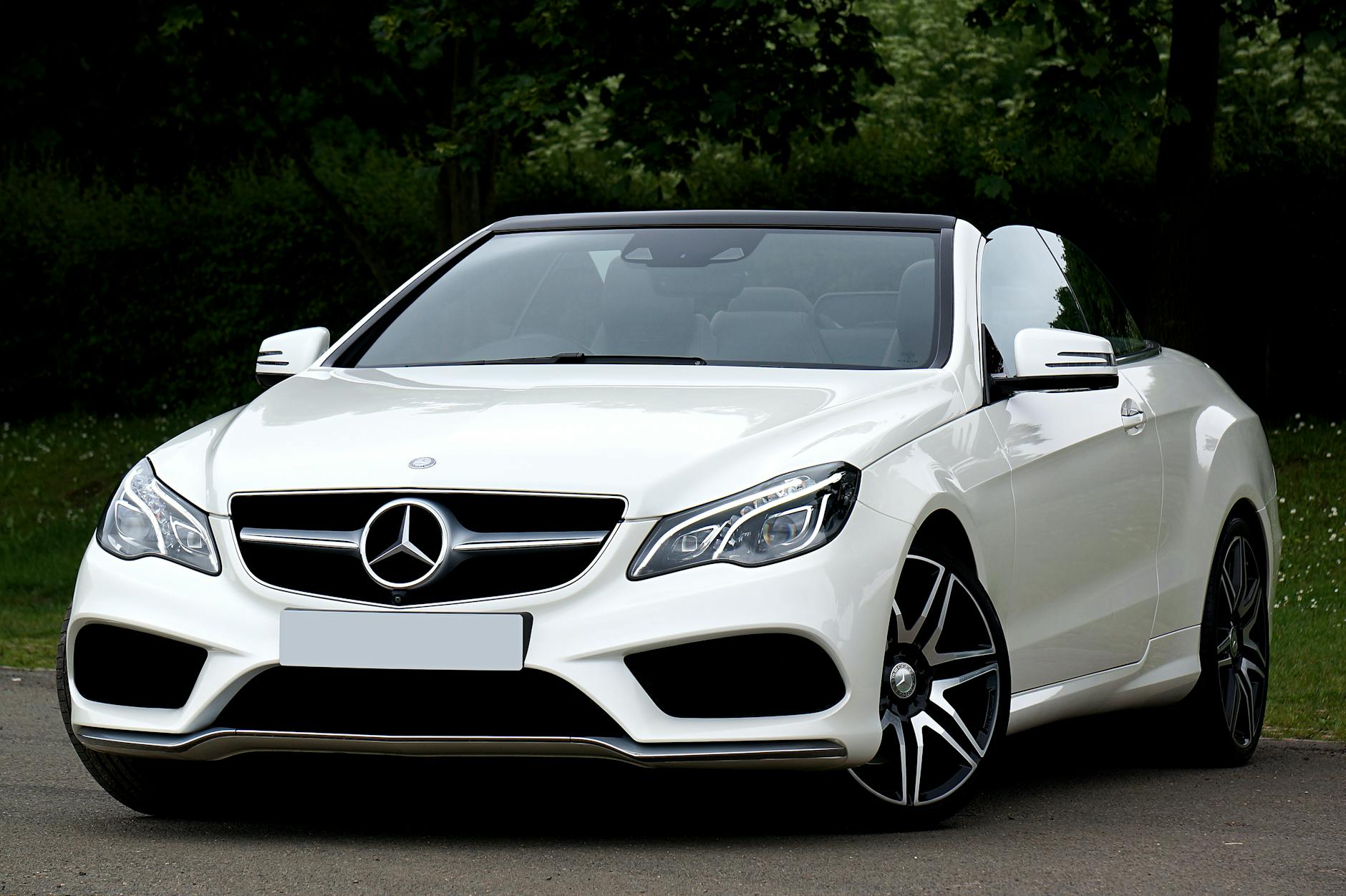
If you drive a Mercedes C238 E400 Coupé (the E-Class Coupé built on the W213-era platform), one of the most noticeable “daily-life” choices is suspension setup: Sport vs Comfort. It affects far more than cornering feel. It changes how the car deals with broken urban tarmac, motorways, speed bumps, passengers, tyre wear, and even how expensive some components can be to maintain over time.
Recommended Tool: Professional OBD2 Scanner
Recommended Tool: Premium Brake Pads
Recommended Tool: OEM Suspension Components
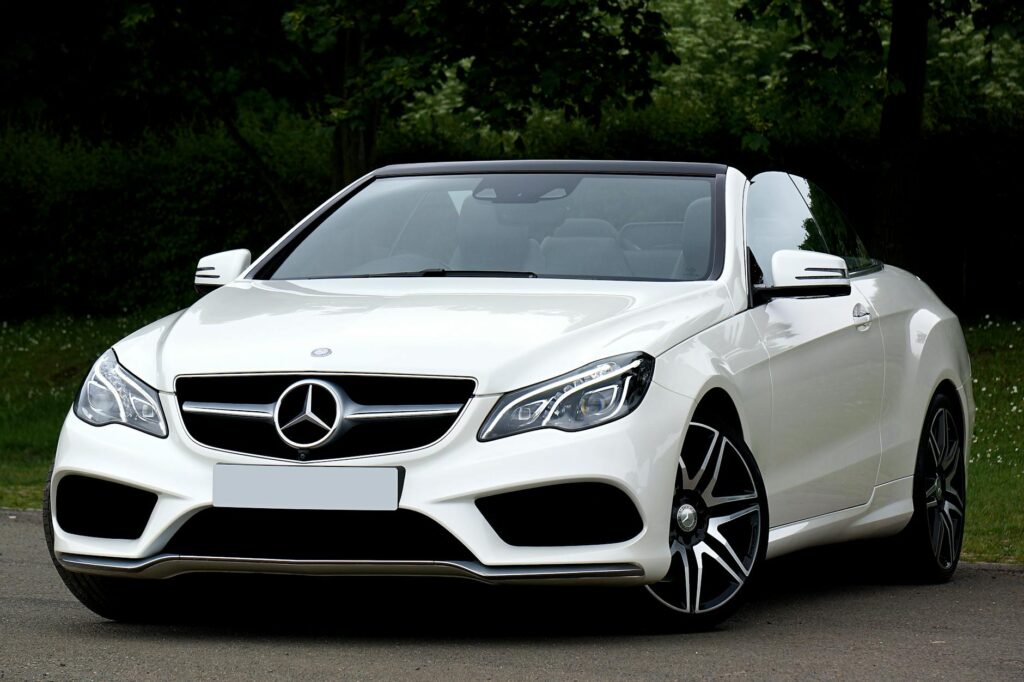
European roads are a mixed bag—smooth autobahns, coarse asphalt, cobblestones, potholes and aggressive traffic calming. Choosing the right suspension tune (and understanding what it really changes) helps you get the best from the car and avoid paying for parts you didn’t realise you were stressing. This guide is written for everyday owners—whether you also run a BMW with adaptive dampers, an Audi/VW with DCC, or a JLR on air suspension.
🔧 Recommended Professional Tool
Brake System UpgradePremium brake pads and diagnostic tools for vibration and braking issues.
✔ Recommended by automotive technicians ✔ Suitable for BMW, Mercedes, VAG & JLR platforms ✔ Fast international shipping
2. Causes
The “Sport vs Comfort” decision isn’t just a button on the dash; it’s the result of several hardware and software factors:
-
Spring and damper rates
- Sport setups typically use stiffer springs and firmer damper valving.
- Comfort setups prioritise compliance and isolation.
-
Adaptive damping calibration (if equipped)
- Many C238 cars have electronically controlled dampers that alter firmness based on drive mode and sensor inputs.
- The difference is mainly software tuning, but the dampers themselves are more complex than passive units.
-
Wheel and tyre package
- Larger wheels (19–20") with low-profile tyres reduce sidewall cushioning.
- Run-flat tyres (more common on some brands, less so on Mercedes) also amplify harshness.
-
Road inputs and vehicle load
- Heavy luggage, passengers, and poor road surfaces reveal the trade-offs more clearly.
- Coupés can feel firmer than expected due to body rigidity and shorter rear cabin packaging.
-
Driver priorities
- Some owners value steering response and body control; others value ride comfort and cabin quietness.
- Where you drive (city vs motorway vs rural) matters as much as how you drive.
3. Symptoms
“Symptoms” here means what you’ll feel day to day when the setup doesn’t match your use—or when components start wearing.
Comfort mode or Comfort suspension: what you’ll notice
- Smoother over small bumps and rough patches
- Less crashiness over potholes and expansion joints
- Slightly more body movement (pitch under braking, roll in corners)
- Less steering “bite” on quick direction changes
Sport mode or Sport suspension: what you’ll notice
- Sharper turn-in and more controlled body movement
- More road texture coming through the seat and steering
- Increased impact harshness over speed bumps and broken surfaces
- Greater chance of rattles developing over time on poor roads (not guaranteed, but common across brands)
Signs something is wearing (either setup)
- Knocking/clunking over bumps (often drop links, top mounts, or control arm bushes)
- Uneven tyre wear (inner shoulder wear is common if alignment is off)
- Steering shimmy at motorway speeds (wheel balance, bent wheel, or worn suspension joint)
- “Floaty” feeling or extra bouncing after bumps (dampers losing control)
4. How to diagnose
You don’t need to be a mechanic, but a structured check can save money and avoid replacing good parts.
Basic owner checks
- Tyres: Check pressures cold and inspect for inner-edge wear and sidewall damage.
- Wheel condition: Look for bends or cracks on inner rims (common after pothole hits).
- Bounce test (limited value): Excessive bouncing can indicate weak dampers, but modern suspensions can mask this.
Workshop-level diagnosis (recommended)
A good independent specialist can confirm what’s going on using both physical inspection and OEM diagnostics:
- Visual inspection on a lift
- Check for damper leaks, torn bushes, play in ball joints, worn drop links, and cracked top mounts.
- Road test with a technician
- Helps distinguish tyre noise vs suspension knock and identifies whether harshness is normal for your wheel/tyre setup.
- Diagnostic scan
- On Mercedes, Xentry can check for faults in adaptive damping or chassis electronics if fitted.
- This is similar to BMW owners using ISTA, VAG owners using ODIS, and JLR owners using Pathfinder/SDD.
Alignment confirmation
If you feel instability, tramlining, or uneven tyre wear, request a 4-wheel alignment printout. Sportier settings and big wheels can be sensitive to toe/camber being slightly out.
5. How to fix
There’s no single “fix” because Sport vs Comfort is a preference—unless you’re correcting a mismatch (e.g., harsh ride due to tyres) or addressing worn parts.
If the ride is too harsh
- Tyre change (often the biggest improvement)
- Move to a more comfort-oriented tyre model; avoid ultra-stiff sidewalls.
- Consider downsizing from 20" to 19" (or 19" to 18" where brake clearance allows).
- Check tyre pressures
- Overinflation makes any suspension feel brutal.
- Replace worn suspension consumables
- Drop links, control arm bushes, and top mounts can transmit noise and harshness when tired.
- Adaptive damper recalibration/check
- If equipped, ensure there are no stored faults and that ride height/sensor inputs are correct (Xentry).
If the car feels too soft or “floaty”
- Confirm damper condition
- Worn dampers reduce control; adaptive dampers can fail internally without obvious leaks.
- Refresh key components
- Top mounts and control arms restore precision.
- Alignment to correct spec
- A proper alignment can make the car feel tighter without changing suspension hardware.
If you’re choosing between Sport and Comfort before buying
- If most driving is city commuting, passengers, and mixed roads, Comfort is usually the better daily choice.
- If you drive faster rural routes, motorways, or enjoy sharper handling, Sport can be satisfying—especially if you keep wheel size sensible.
6. Repair costs
Costs vary widely across Europe (labour rates, parts availability, and OEM vs quality aftermarket). These are realistic ranges for parts + labour:
- 4-wheel alignment: €120–€250
- Front drop links (pair): €180–€350
- Control arm (each, depending on arm): €350–€900
- Top mounts/bearing plates (front pair): €300–€650
- Standard (passive) damper replacement (each): €350–€750
- Adaptive damper replacement (each, if equipped): €900–€1,800
- Set of premium tyres (19–20" fitments): €800–€1,600
- Bent wheel repair or replacement (each): €120–€400 repair, €500–€1,200 replacement (OEM designs cost more)
If your car has advanced chassis electronics, budget for diagnostic time (€80–€180) using Xentry. This often prevents incorrect parts replacement.
7. Prevention tips
- Choose wheel size for your roads: Bigger isn’t always better on European city streets.
- Keep tyre pressures correct: Check monthly and before long trips.
- Do alignment checks after pothole impacts: Even one big hit can knock toe out.
- Avoid cheap tyres: They can be noisy, harsh, and wear unevenly—making the car feel worse than it is.
- Listen for early noises: Fixing a worn drop link is cheaper than letting vibration accelerate wear elsewhere.
- Service with a specialist who understands chassis options: Especially if adaptive damping is fitted.
8. When to see a mechanic
Book a professional inspection if you notice any of the following:
- Persistent knocking/clunking over small bumps
- Steering vibration that wheel balancing doesn’t fix
- Uneven tyre wear (especially inside edges)
- The car feels unstable under braking or during lane changes
- Suspension warnings or drive mode changes that don’t feel consistent (adaptive damping systems)
Ask the workshop to scan the car with Xentry and provide an alignment report. The combination of fault codes, live data, and mechanical inspection is the fastest route to an accurate diagnosis.
9. Frequently Asked Questions
Frequently Asked Questions
Is Sport suspension always uncomfortable on the C238 E400 Coupé?
Not always, but it can feel firm on poor surfaces, especially with 20-inch wheels and low-profile tyres. On smoother motorways it often feels controlled and composed. Your tyre choice and pressures can make a bigger difference than many expect.
Can I “code” Comfort to feel like Sport (or vice versa)?
Drive modes can change damping behaviour if your car has adaptive dampers, but coding won’t replicate different springs or anti-roll bar hardware. Some changes are software-based, others are purely mechanical. If you’re considering coding, ensure the car is fault-free and properly calibrated in Xentry.
Does Comfort suspension reduce wear on suspension parts?
Comfort tuning can reduce harsh impacts transmitted into bushes and joints, particularly on rough roads. However, wear depends heavily on wheel size, tyre stiffness, driving environment, and mileage. Regular alignment and quality tyres are key regardless of mode.
What’s the most cost-effective way to improve ride comfort?
Start with tyres and wheel size, then confirm pressures and alignment. Many owners see a major improvement by choosing a more compliant tyre model or moving down one wheel size. Only after that should you consider replacing suspension components unless there’s a confirmed fault.
Should I avoid adaptive dampers because they’re expensive?
Adaptive dampers improve the car’s versatility and can be excellent for mixed driving. They do cost more if a damper fails, but failures aren’t guaranteed and proper diagnosis prevents unnecessary replacement. If you value comfort and control in one package, the benefits can justify the risk.