1. Introduction
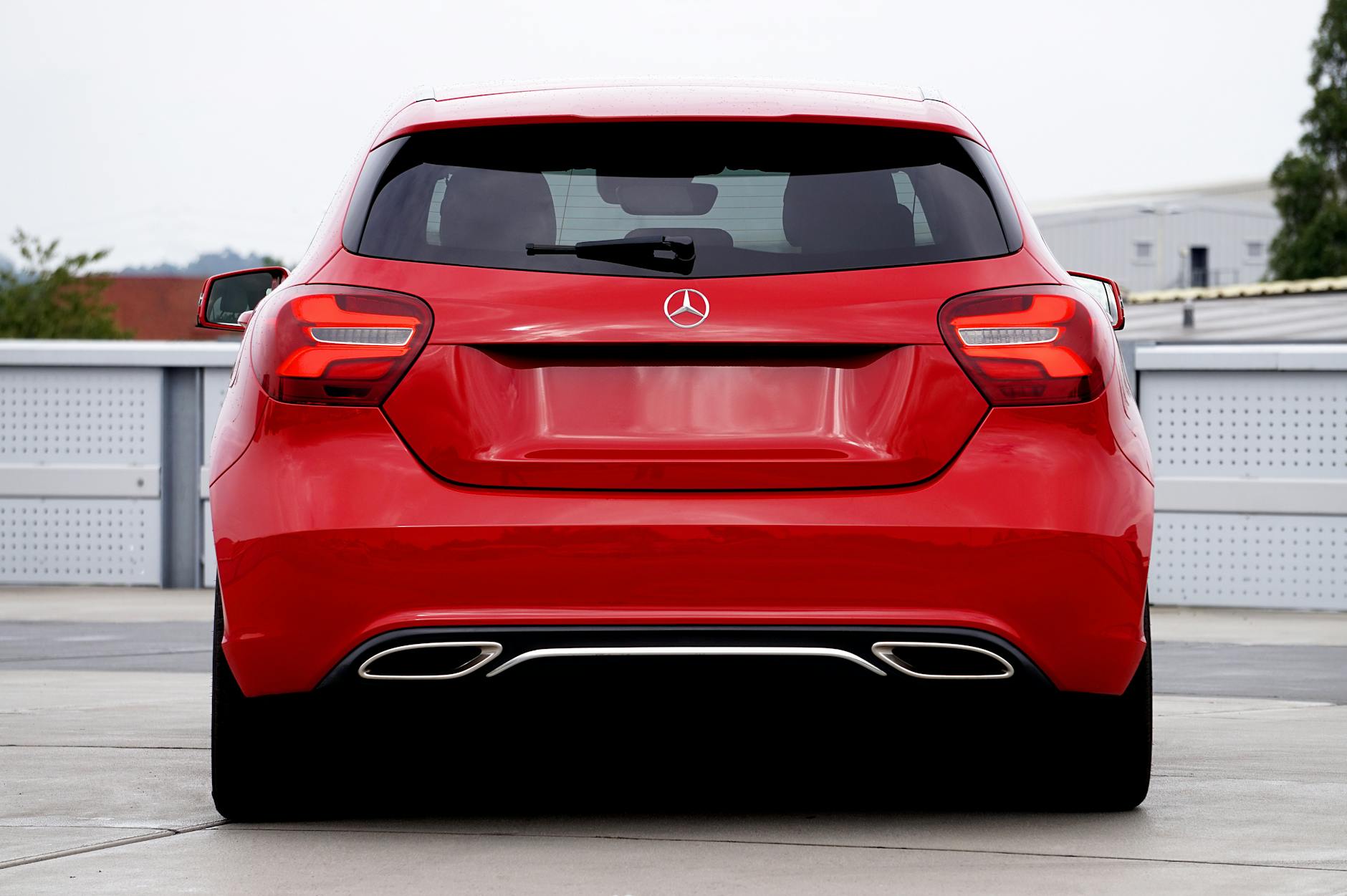
Rear shock absorbers don’t get the same attention as engines, gearboxes, or brakes, but they play a huge role in how your car feels every day—especially on European roads with sharp potholes, speed bumps, and uneven cobblestones. On a Mercedes A-Class W177 A200, worn or poorly matched rear shocks can make the car feel nervous on the motorway, unsettled on roundabouts, and harsh over small bumps. Because the W177 platform is often equipped with different suspension packages (standard, comfort-oriented setups, and sportier trims), choosing the right replacement matters more than many owners realise.
Recommended Tool: Professional OBD2 Scanner
Recommended Tool: Premium Brake Pads
Recommended Tool: OEM Suspension Components
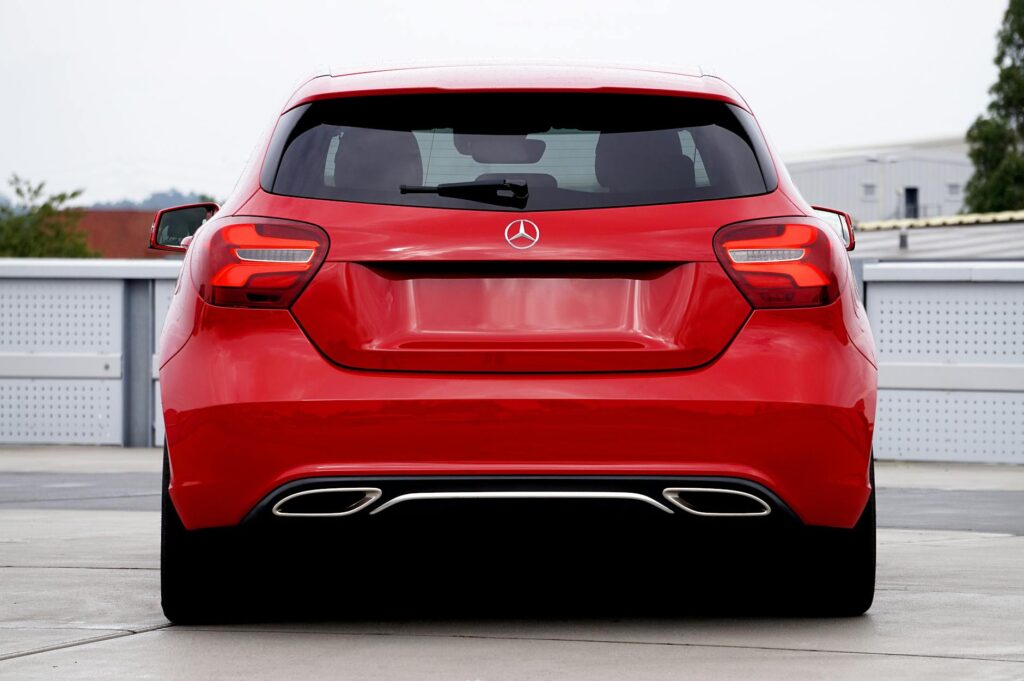
A common question is whether to buy OEM (original equipment manufacturer) rear shocks from Mercedes (or the original supplier) or to choose a quality aftermarket alternative. The right answer depends on how you drive, your budget, and whether your car has options that affect damping rates and ride height. This guide compares OEM vs quality aftermarket rear shock absorbers for the W177 A200 in practical terms—what fails, how to diagnose it, how to fix it properly, and what it typically costs in Europe.
🔧 Recommended Professional Tool
Brake System UpgradePremium brake pads and diagnostic tools for vibration and braking issues.
✔ Recommended by automotive technicians ✔ Suitable for BMW, Mercedes, VAG & JLR platforms ✔ Fast international shipping
2. Causes
Rear shocks wear out gradually, and most failures come down to age, road conditions, and load. On the A-Class W177, rear suspension is relatively compact and sensitive to the condition of its dampers, bump stops, and top mounts.
Common causes include:
- Normal internal wear: The shock’s valves and seals degrade over time, reducing damping control even if there’s no obvious leak.
- Fluid leaks: A damaged seal lets hydraulic fluid escape, reducing damping and eventually causing bouncing and poor stability.
- Impact damage: Repeated hits from potholes or curb strikes can bend the shock rod or damage the internal piston.
- Overloading: Regularly carrying heavy luggage, tools, or passengers accelerates wear—especially on cars that spend time on rough roads.
- Worn bump stops or mounts: A shock can be “fine” but still feel bad if the bump stop is crumbling or the upper mount is worn, allowing knocking and extra movement.
- Mismatched parts: Installing the wrong damping specification (or mixing left/right brands or types) can cause an imbalanced feel and premature wear.
OEM shocks are designed to match the car’s factory spring rates and ride characteristics. Quality aftermarket shocks can match OEM closely—or sometimes improve control—depending on the brand and exact part number chosen.
3. Symptoms
Rear shock issues often show up as comfort or handling complaints rather than a single dramatic failure. Typical symptoms on the W177 A200 include:
- Bouncier ride after dips or speed bumps (the rear continues to oscillate instead of settling quickly)
- Rear-end float at motorway speeds, especially on undulating surfaces
- More harshness over small bumps (a worn shock can “pack down” and transmit impacts)
- Clunking or knocking from the rear (often linked to mounts, bump stops, or loose hardware)
- Uneven tyre wear on the rear axle (cupping/scalloping can be a clue)
- Reduced stability under braking (rear feels light or unsettled, especially in wet conditions)
If your A200 has driver assistance systems that rely on stable body control, poor damping can also make the car feel less composed during evasive manoeuvres.
4. How to diagnose
You don’t need to be a mechanic to gather good evidence before spending money. A basic check plus a road test usually reveals whether shocks are a likely cause.
Visual checks (driveway inspection)
- Look behind the rear wheels for oil misting or wetness on the shock body.
- Check for torn dust boots, damaged bump stops, or corrosion around the mounts.
- Compare left and right: if one side looks wetter or sits differently, it’s a strong hint.
Simple ride test
- Press down firmly on the rear corner and release. Excessive bouncing suggests weak damping, but many modern cars can “pass” this test even with worn shocks—so don’t rely on it alone.
Road test clues
- Drive over a series of small bumps at low speed: worn shocks often feel jiggly rather than controlled.
- On a safe open road, note if the rear feels floaty or needs steering corrections on uneven surfaces.
Workshop-level confirmation
A workshop can:
- Use a suspension shaker test (where available) to measure damping performance.
- Check for play in links and mounts with the car lifted.
- Scan for chassis-related fault codes if applicable. While the W177 A200 typically doesn’t require coding for conventional rear shocks, workshops may still use Xentry to confirm vehicle configuration and rule out related issues.
If you’re cross-shopping parts, confirm your car’s suspension option codes and whether it has any special setup that changes damper specification.
5. How to fix
Rear shocks should usually be replaced in pairs (left and right). Replacing only one can create uneven damping, which affects stability and braking balance.
OEM vs quality aftermarket: what’s the real difference?
OEM (or OEM supplier equivalent)
- Best choice if you want the car to feel exactly like it did when new.
- Typically the safest option for cars with specific suspension tuning packages.
- Often higher cost, but predictable fit and durability.
Quality aftermarket (premium brands)
- Can be very close to OEM ride and lifespan if you choose a reputable brand and the correct part number.
- Some options are slightly firmer, which can improve control but may feel less “Mercedes-comfort” over broken surfaces.
- Best value when you want good performance without dealer pricing.
What to replace together:
- Rear shocks (both sides)
- Upper mounts/top bearings if there’s any noise or visible wear
- Bump stops and dust boots (cheap parts that protect the new shocks)
- Inspect rear springs; replace if cracked or badly corroded
After installation, it’s good practice to:
- Torque suspension fasteners at the correct ride height (important for bushing life).
- Test drive and listen for noises.
- Consider a wheel alignment check if tyre wear is present or if other rear suspension parts were disturbed.
6. Repair costs
Prices vary by country, labour rate, and whether you choose OEM, OEM-equivalent, or premium aftermarket.
Typical European ranges for a Mercedes A-Class W177 A200 rear shock replacement (pair):
- Quality aftermarket shocks (pair): €180–€350
- OEM/OE supplier shocks (pair): €300–€600
- Mounts/bump stops/dust boots (recommended add-ons): €60–€180
- Labour (1.5–2.5 hours typical): €150–€400
- Optional alignment check: €80–€150
Total estimated cost (parts + labour):
- Aftermarket, straightforward job: €350–€750
- OEM parts, with mounts and extras: €550–€1,200
If seized bolts, corrosion, or additional worn links are found, costs can rise. Conversely, independent specialists familiar with Mercedes platforms and using Xentry for configuration checks often come in well below main-dealer pricing.
7. Prevention tips
Rear shocks last longer when they’re protected from repeated impacts and excessive loads. A few habits make a real difference:
- Avoid hitting potholes at speed; slow down for sharp impacts.
- Keep tyre pressures correct; over- or under-inflation can worsen impact loads.
- Don’t ignore worn bump stops or torn dust boots—these shorten shock life.
- If you regularly carry heavy loads, consider choosing shocks designed for that use, but keep damping balanced and matched to your springs.
- Rotate tyres and monitor rear tyre wear patterns; cupping can be an early hint of damping decline.
8. When to see a mechanic
Book a professional inspection if:
- You see any oil leakage on a rear shock.
- The car feels unstable on the motorway or bounces excessively after bumps.
- There’s a persistent rear clunk/knock, especially over broken roads.
- Rear tyres show scalloping/cupping or rapid uneven wear.
- You’re unsure which suspension specification your W177 A200 uses and want the correct parts first time.
A good independent Mercedes specialist can confirm the build spec, check related suspension components, and ensure the repair is done safely and quietly. If other systems are involved, they may use Xentry to verify configuration and rule out fault codes that could affect handling or stability functions.
9. Frequently Asked Questions
Frequently Asked Questions
Should I replace rear shocks on my W177 A200 in pairs?
Yes. Replacing both rear shocks keeps damping balanced left-to-right, which helps stability, braking, and tyre wear. Replacing only one side can make the car feel uneven and may lead to faster wear of the new shock.
Are OEM rear shocks worth the extra money compared with quality aftermarket?
OEM is usually the best option if you want the original ride and are unsure about suspension variants. Quality aftermarket can be excellent value, but only if you choose a reputable brand and the exact specification for your suspension setup. The wrong aftermarket part can make the rear feel too firm, too soft, or mismatched.
Will changing rear shocks require coding or calibration?
For conventional rear shocks on the W177 A200, coding is typically not required. However, workshops may still check the car with Xentry to confirm configuration and ensure there are no related chassis or stability faults. If your car has uncommon suspension options, verifying the spec before ordering parts is important.
How long do rear shocks typically last on an A-Class W177?
Many last around 80,000–140,000 km, depending on road quality and load. Cars driven frequently on rough urban roads or with regular heavy cargo may need them earlier. Gradual wear means you may notice improved control immediately after replacement even if the old shocks weren’t leaking.
Can worn rear shocks cause uneven rear tyre wear?
Yes. Weak damping allows the tyre to bounce slightly over bumps, which can create cupping or scalloped wear. If you replace shocks, it’s wise to inspect tyre condition and consider an alignment check if wear is already present.