1. Introduction
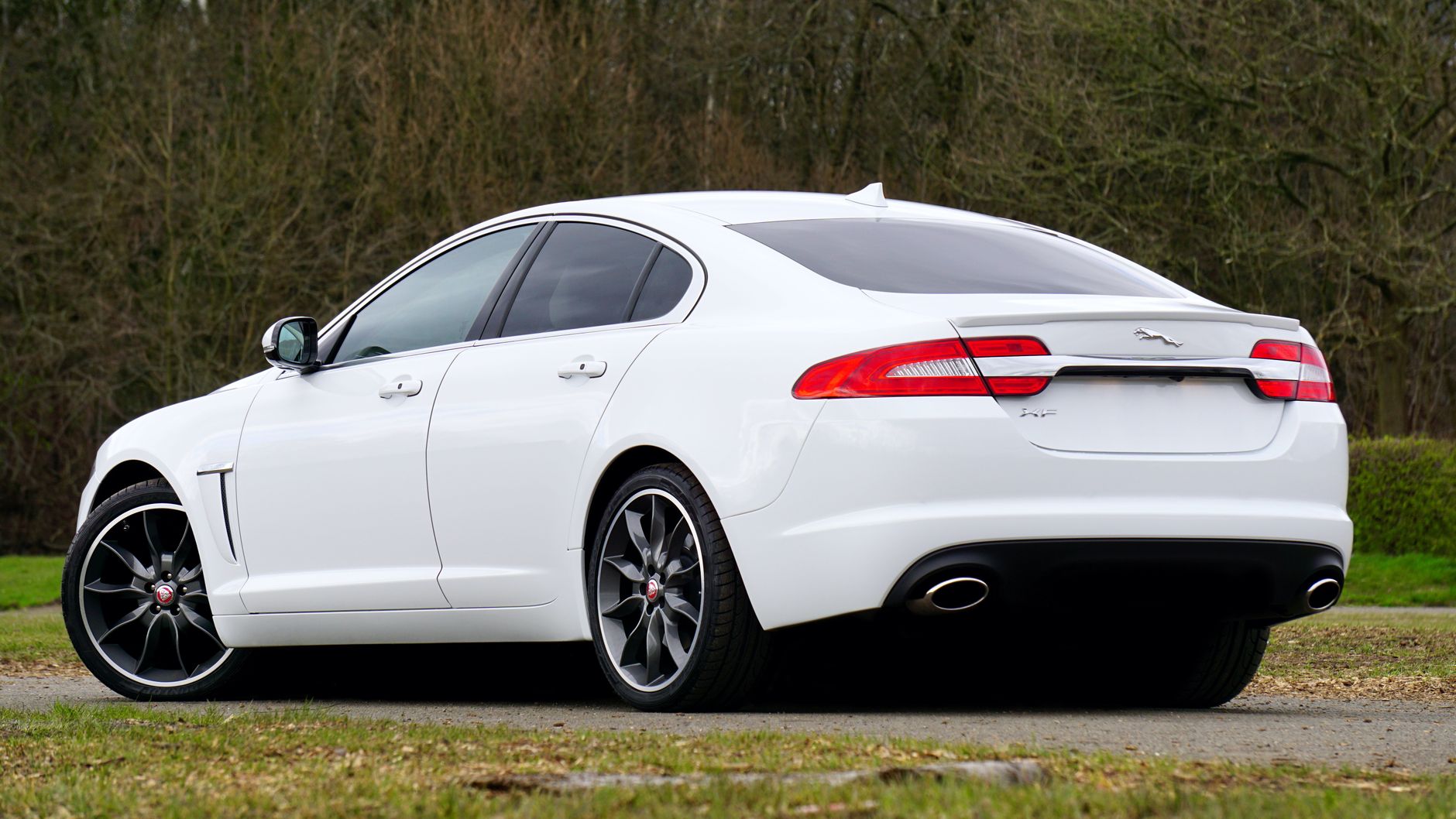
If you drive a Jaguar XF X250 2.7D (the AJD-V6/DT17 2.7 twin-turbo diesel), you may eventually notice a dull thump on take-off, a vibration on the motorway, or a “busy” rear end on uneven roads. One overlooked culprit is the rear differential bushing (or bushings, depending on model year and mount design). These rubber mounts isolate drivetrain movement, reduce noise, and keep the differential correctly aligned under load.
Recommended Tool: Professional OBD2 Scanner
Recommended Tool: Premium Brake Pads
Recommended Tool: OEM Suspension Components
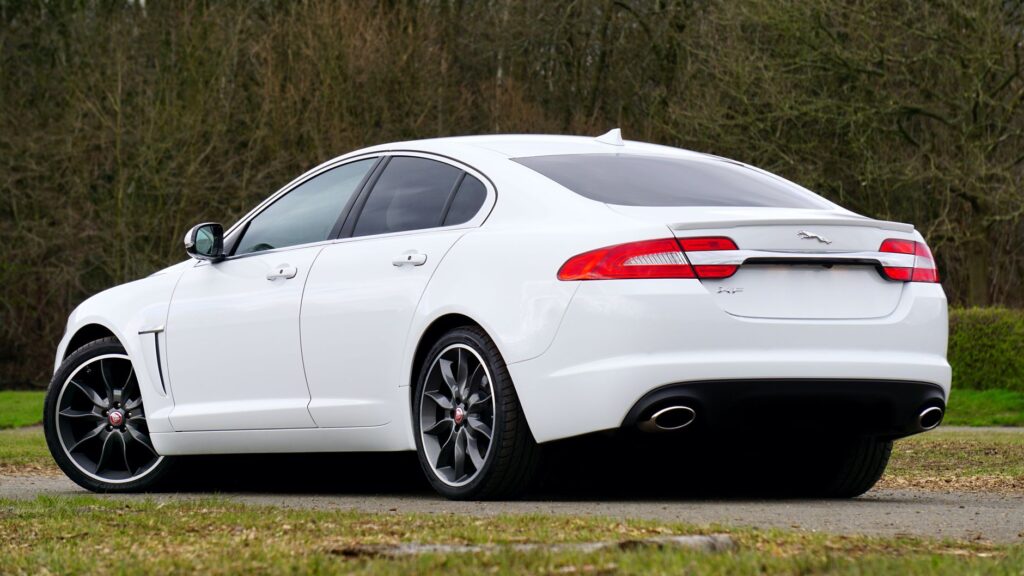
Because the XF is a heavy, high-torque saloon—often paired with the ZF 6HP26 automatic—the rear mounts work hard. Many European owners also compare the feel to what they know from BMW (for example E60/E90 rear subframe and diff bush wear), Mercedes (rear carrier mounts), Audi/VW (rear diff mounts on quattro), and Land Rover/JLR products in general. The good news: when correctly diagnosed and replaced, the car can feel dramatically tighter and quieter.
🔧 Recommended Professional Tool
Brake System UpgradePremium brake pads and diagnostic tools for vibration and braking issues.
✔ Recommended by automotive technicians ✔ Suitable for BMW, Mercedes, VAG & JLR platforms ✔ Fast international shipping
2. Causes
Rear differential bushings wear for a mix of age, torque, and road conditions. Common causes on the XF X250 2.7D include:
- High diesel torque and drivetrain “wind-up”: The 2.7D produces strong low-end pull, which repeatedly loads and unloads the mount.
- Age-related rubber degradation: Heat cycles, oil vapour, and general oxidation harden the rubber and crack it over time.
- Fluid contamination: Leaking differential oil, or even other fluids that reach the bushing, can soften rubber and accelerate failure.
- Worn companion parts: Tired subframe bushes, propshaft centre support bearing, or gearbox mount can shift loads onto the differential mount.
- Frequent stop-start driving and towing: Repeated torque reversals (drive to overrun) fatigue the bushing faster.
- Impact damage: Kerb strikes or underbody hits can tear the rubber or distort the mounting bracket.
3. Symptoms
A worn rear differential bushing rarely announces itself with a single “perfect” symptom. More often, owners describe a change in refinement:
- Clunk or thud when selecting Drive/Reverse (especially after a cold start)
- Knock on take-off or when lifting off the throttle at low speeds
- Driveline shunt (a fore-aft rocking sensation) during gentle acceleration
- Vibration under load between roughly 60–120 km/h, sometimes mistaken for wheel balance
- Rear-end “wiggle” on uneven roads as torque changes mid-corner
- Increased cabin drone on motorway cruising, as isolation decreases
- Visible diff movement if observed safely while the drivetrain is loaded (more on that below)
If you also feel harsh gear engagements, remember the XF 2.7D’s ZF 6HP26 can have its own issues; however, a failing diff mount can make a healthy gearbox feel rough.
4. How to diagnose
Start with a sensible rule-out check
Before focusing on the bushing, confirm basics:
- Tyre condition and pressures
- Rear wheel bearings (listen for speed-related humming)
- Rear brakes not dragging
- Propshaft and CV joints for play
Use scan tools to check for related clues
The bushing itself won’t trigger a fault code, but diagnostic tools help rule out other causes:
- JLR SDD or Pathfinder: check for gearbox adaptation issues, driveline-related faults, or abnormal wheel speed sensor data that could mimic vibration.
- If you’re cross-shopping experience from German brands: ISTA (BMW), Xentry (Mercedes), and ODIS (VAG) similarly help exclude gearbox misbehaviour, misfires, or traction-control interventions that can feel like driveline lash.
Physical inspection (best done on a lift)
A workshop-style inspection is most reliable:
- Visual check: Look for cracked rubber, separated rubber-to-metal bonding, or “wet” bushings contaminated by oil.
- Pry-bar test: With the car safely raised, a technician applies controlled leverage to see if the differential shifts excessively in its mount.
- Loaded movement check: With the vehicle properly secured, a helper may gently apply drive and reverse torque while the tech observes movement (done carefully to avoid danger).
- Check the bracket and bolts: Loose or stretched fasteners can mimic bushing failure.
A key diagnostic hint: if the clunk is most noticeable during torque reversal (on/off throttle) rather than over bumps, driveline mounts—especially the differential bushing—move to the top of the list.
5. How to fix
Decide on bushing-only vs. mount assembly replacement
Depending on parts availability and design, you may replace:
- Just the bushing(s) (press-in rubber/metal components), or
- A complete mount/bracket assembly with bushings pre-fitted
Bushing-only replacement can be cheaper on parts but more labour-intensive.
Typical replacement approach (what a good shop will do)
- Support the differential with a transmission jack to prevent strain on the propshaft and driveshafts.
- Remove undertrays/heat shields as needed.
- Mark alignment if applicable, and unbolt the mount/bracket.
- Press out old bushing(s) using a hydraulic press and the correct drifts, or a dedicated bushing tool. Improvised methods can damage the housing.
- Clean the bore and inspect for corrosion or ovalisation.
- Press in new bushing(s) in the correct orientation (some bushes are directional).
- Reinstall and torque to spec with the vehicle at the correct ride height if required (important for bushing pre-load).
- Road test for noise, clunks, and vibration.
Consider “while you’re in there” items
If symptoms have been present for a while, a good mechanic may recommend inspecting:
- Rear subframe bushes
- Propshaft centre bearing/support
- Differential pinion seal (oil leaks that can contaminate mounts)
- Rear suspension arms and toe links (worn bushes can confuse the diagnosis)
6. Repair costs
Costs vary widely across Europe based on labour rate and whether you replace just the bushing or the complete mount.
Typical parts + labour estimates (Europe):
- Bushing(s) only (press-in): €250–€550 total
- Parts: €40–€120
- Labour: 2.0–4.0 hours (press work can add time)
- Complete mount/bracket assembly: €350–€800 total
- Parts: €150–€400+
- Labour: 1.5–3.0 hours
- If additional mounts are needed (subframe/gearbox/propshaft support): add €200–€900+ depending on scope
Main dealer pricing is typically higher, but independent JLR specialists often offer excellent value—especially if they have the correct press tools and Jaguar experience.
7. Prevention tips
You can’t stop rubber ageing, but you can slow premature wear:
- Fix leaks early: Differential oil contamination shortens bushing life.
- Avoid repeated harsh torque reversals: Aggressive on/off throttle at low speed loads mounts heavily.
- Keep tyres matched and balanced: Vibration encourages bushing fatigue and can mask the real problem.
- Service the drivetrain sensibly: If your ZF 6HP26 has rough engagements, consider a fluid service and adaptation check; harsh shifts can hammer mounts.
- Inspect during routine work: When the car is on a lift for tyres or brakes, ask for a quick look at differential mounts and subframe bushes.
8. When to see a mechanic
Book a professional inspection if:
- The clunk is getting worse or happens every time you shift D/R
- You feel vibration under load that isn’t solved by wheel balancing
- There’s visible differential movement or a noticeable “thump” through the seat
- You see oil around the differential or mount area
- The car feels unstable at the rear under acceleration (safety-related)
A proper shop will confirm the fault rather than guessing, and will check related components so you don’t pay twice.
9. Frequently Asked Questions
Frequently Asked Questions
How long do rear differential bushings last on a Jaguar XF X250 2.7D?
Many last around 120,000–200,000 km, but city driving, towing, and poor roads can shorten that. Age matters as much as mileage because rubber hardens and cracks over time. If the car is over 10–15 years old, inspection is worthwhile even without severe symptoms.
Can a worn differential bushing damage other parts?
Yes, excessive differential movement can stress the propshaft, driveshaft joints, and even contribute to premature wear in subframe bushes. It can also exaggerate driveline lash, making the gearbox feel harsher than it really is. Fixing the mount early often prevents a cascade of secondary issues.
Will diagnostic tools like SDD or Pathfinder confirm a failed bushing?
Not directly, because a rubber bushing failure usually won’t set a fault code. However, SDD/Pathfinder can help rule out gearbox control issues, traction-control interventions, or sensor faults that can mimic driveline problems. The final confirmation is typically visual inspection and a controlled movement test.
Is it safe to keep driving with a bad rear diff bushing?
If it’s mild, it may be drivable, but it tends to worsen and can lead to more noise, vibration, and component stress. A severe failure can cause loud knocks and unpredictable driveline behaviour during throttle changes. Treat it as a “fix soon” item, especially if the rear end feels unsettled.
Should I replace other mounts at the same time?
Not always, but it’s smart to inspect the rear subframe bushes and propshaft support while access is available. If multiple mounts are similarly aged, replacing them together can restore refinement and reduce labour duplication. A good mechanic will base recommendations on actual play and condition, not mileage alone.