1. Introduction
Brake pads on the Mercedes C-Class W204 C180 are a classic “wear item”: they’re designed to be consumed gradually so the discs (rotors) can last longer and braking stays smooth and predictable. The problem is that many everyday drivers only notice pads when they’re already dangerously thin, the brake warning has been ignored, or the disc has been damaged—turning a simple pad swap into a larger job. This matters even more if your W204 is doing mixed driving (short trips, school runs, urban traffic), where brakes can wear faster than you expect.
Recommended Tool: Professional OBD2 Scanner
Recommended Tool: Premium Brake Pads
Recommended Tool: Cooling System Diagnostic Tools
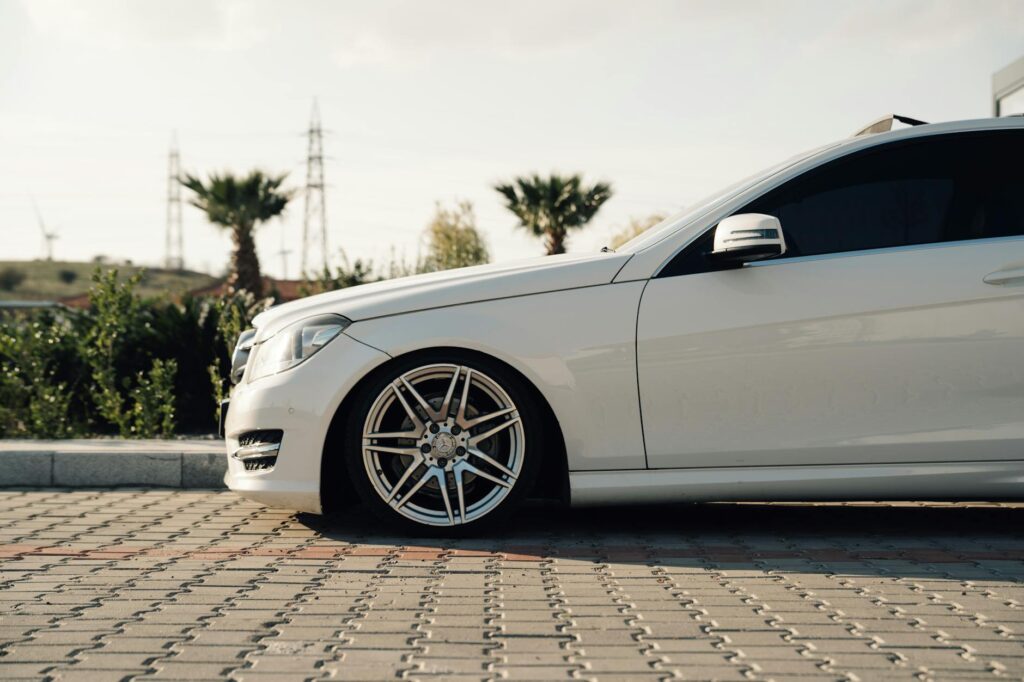
Although this article focuses on the Mercedes W204 C180, the same principles apply to most European cars—BMW 3 Series, Audi A4, VW Passat/Skoda Superb (DSG or manual), and JLR models—because modern braking systems often include pad wear sensors, electronic service counters, and stability/ABS systems that depend on healthy friction material. You don’t need to be a mechanic to spot worn pads, but you do need to know what “normal” looks and sounds like before it becomes expensive.
🔧 Recommended Professional Tool
DSG Transmission Service KitProfessional tools for DSG gearbox service
✔ Recommended by automotive technicians ✔ Suitable for BMW, Mercedes, VAG & JLR platforms ✔ Fast international shipping
2. Causes
Brake pads wear for predictable reasons, but the rate varies widely. Common causes on the W204 platform include:
- Driving style and route
- Frequent stop-start city driving, hill driving, and late heavy braking wear pads quickly.
- Sticking brake caliper or slider pins
- Corrosion or dried grease can cause a pad to drag, overheating and wearing unevenly.
- Old or contaminated brake fluid
- While fluid doesn’t “wear pads,” moisture-contaminated fluid can contribute to heat-related issues and poor caliper operation over time.
- Cheap pad material
- Low-quality pads can wear fast, squeal, dust heavily, and transfer uneven material to discs.
- Worn or damaged brake discs
- If discs are heavily lipped, grooved, or below minimum thickness, new pads can wear oddly or make noise.
- Electronic wear sensor triggered and ignored
- Many Mercedes setups use a sensor on one pad (often front left or similar depending on model). If it triggers and you keep driving, you can quickly go from “low pad” to metal-on-metal.
3. Symptoms
A W204 C180 often gives you multiple warnings before it becomes critical. Watch for:
- Dash warning or service message
- Brake pad wear warnings may appear in the cluster. Don’t assume it’s “just a reminder.”
- Squealing or high-pitched chirping
- Many pads have a wear indicator that squeals when pad material is low.
- Grinding noise
- A harsh grinding sound often means the pad friction material is gone and the backing plate is contacting the disc.
- Longer stopping distances or a “harder” feel
- Not always pads alone, but thin pads plus overheated discs can reduce confidence.
- Vibration during braking
- Can come from disc issues, but worn pads can contribute if they overheat or wear unevenly.
- Pulling to one side
- Often indicates uneven pad wear, a sticking caliper, or a seized slider pin.
- Excessive brake dust on one wheel
- A single wheel that’s much dirtier can indicate a dragging brake.
4. How to diagnose
You can do a basic diagnosis safely at home with a torch and a calm, methodical approach.
Visual check (no special tools)
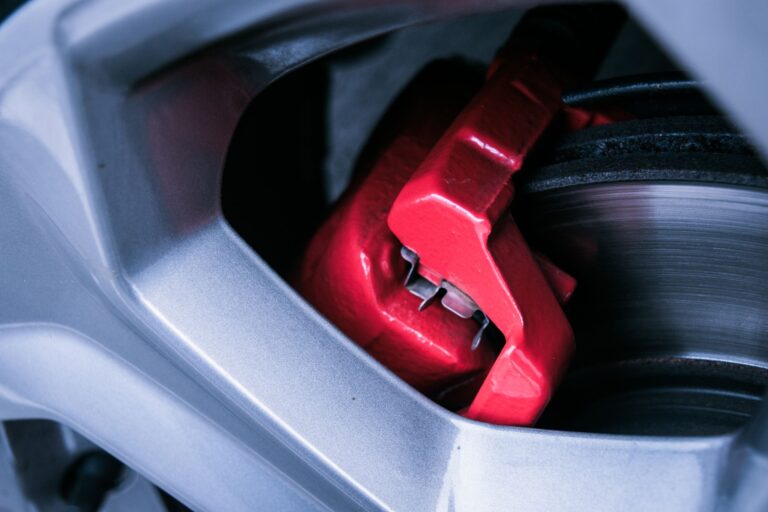
- Look through the wheel spokes at the outer pad (where visible).
- You’re checking the friction material thickness, not the metal backing plate.
- As a simple rule:
- 8–12 mm: healthy
- 4–6 mm: plan replacement soon
- 3 mm or less: replace urgently
- Check for uneven wear (inner pad thinner than outer) which suggests slider/caliper issues.
Listen and feel
- Squeal at light braking can be wear indicators.
- Grinding means stop driving and inspect immediately.
- A burning smell after a short drive can indicate a dragging caliper.
Use a diagnostic tool (helpful, not mandatory)
On Mercedes, a proper scan can reveal brake-related faults or service counters:
- Xentry/Star Diagnosis: can read stored faults from ABS/ESP modules and sometimes brake pad wear sensor statuses depending on configuration. For other brands (if you’re comparing household cars):
- BMW ISTA can show CBS brake service data and faults.
- VAG ODIS can show brake system faults and wear-related warnings.
- JLR SDD/Pathfinder can report brake module issues and service information.
Check disc condition at the same time
- Run a finger carefully along the disc edge (engine off, car secure): a large outer lip suggests disc wear.
- Look for deep grooves, cracking, or blue heat spots.
5. How to fix
For most W204 C180 owners, the correct fix is straightforward: replace pads (and sometimes discs), address any underlying caliper/slider issues, and reset service data correctly if applicable.
Pad replacement (typical)
- Replace pads on an axle as a set (both fronts or both rears).
- Replace the pad wear sensor if fitted and triggered; it’s usually inexpensive and prevents repeat warnings.
- Clean and lubricate slider pins with the correct high-temp brake grease (not copper grease on rubber parts).
When discs should be replaced too
Replace discs if:
- They are below minimum thickness (often stamped on the disc hat).
- There’s heavy lipping, cracking, or deep scoring.
- You’ve had metal-on-metal contact (grinding), which usually ruins the disc surface.
Caliper and hardware considerations
- If pads wore unevenly, have the shop inspect:
- Slider pins and boots
- Caliper piston movement
- Brake hoses (rare, but internal collapse can cause dragging)
- Consider replacing pad fitting kits/anti-rattle clips if worn.
6. Repair costs
Costs vary by country, parts choice (OEM vs quality aftermarket), and whether discs are included. Typical European pricing (parts + labor):
- Front pads only (W204 C180): €180–€320
- Rear pads only: €160–€280
- Front pads + discs: €350–€650
- Rear pads + discs: €300–€600
- Pad wear sensor (if required): €15–€40 fitted (often bundled into labor)
- Caliper slider service (if sticking): add €40–€120
- Caliper replacement (if seized): add €250–€600 per side depending on OEM/remanufactured
If you drive on worn pads until grinding starts, expect discs to be non-reusable—turning a budget pad job into a full axle brake overhaul.
7. Prevention tips
A few habits significantly extend brake life and reduce surprise repairs:
- Check pad thickness every 10,000–15,000 km (or at tyre rotations).
- Rinse winter salt off wheels and brakes when possible; corrosion contributes to sticking sliders.
- Avoid resting your foot on the brake pedal; even light drag generates heat and wear.
- Use engine braking sensibly (especially on hills) to reduce heat in the braking system.
- Choose quality pads (OEM or reputable brands). Cheap pads often cost more over time due to noise, dust, and faster wear.
- Brake fluid service on schedule (often every 2 years). It supports reliable braking and reduces corrosion risk inside components.
8. When to see a mechanic
Book a professional inspection immediately if you notice any of the following:
- Grinding noise or scraping that changes with braking
- Brake warning message combined with poor braking feel
- Car pulls to one side when braking
- Steering wheel vibration under braking that’s getting worse
- One wheel much hotter than the others after a normal drive (possible dragging caliper)
- Brake pedal sinking or spongy feel (this is not a pad issue alone—treat as urgent)
A good independent specialist familiar with Mercedes systems can also confirm faults using Xentry and measure disc thickness accurately, preventing unnecessary parts replacement.
9. Frequently Asked Questions
Frequently Asked Questions
How thin can my W204 C180 brake pads get before I must replace them?
As a practical rule, plan replacement at 4–5 mm and replace urgently at 3 mm or less. The wear sensor may trigger around this range, but don’t rely on it as your only indicator. Inner pads can wear faster than outer pads, so a full inspection matters.
Why do I hear squealing even though the car still stops fine?
Squealing is often a wear indicator or pad material resonance, especially at light braking. It can also happen if pads are glazed, discs are lipped, or cheap pad compounds are fitted. If the sound is new or persistent, check pad thickness and disc condition soon.
If the brake wear warning comes on, can I keep driving for a while?
You may have limited remaining pad material, but the safe answer is to inspect as soon as possible. If the sensor has contacted the disc, pad life can drop quickly—especially in city driving. Continuing until you hear grinding can destroy the discs and increase repair costs substantially.
Should I replace brake discs every time I replace pads?
Not always. Discs can stay if they are above minimum thickness, not heavily lipped or scored, and braking is smooth. However, if the discs are worn, heat-spotted, or you’ve had metal-on-metal contact, replacing discs with pads is usually the best outcome.
Can diagnostics like Xentry help identify worn brake pads?
Xentry is useful for reading brake/ESP module faults and confirming warning triggers, but it won’t replace a visual pad measurement. The most reliable method is still checking friction thickness and disc condition directly. Diagnostics are best for confirming related issues such as sensor circuits or ABS/ESP faults.