Introduction
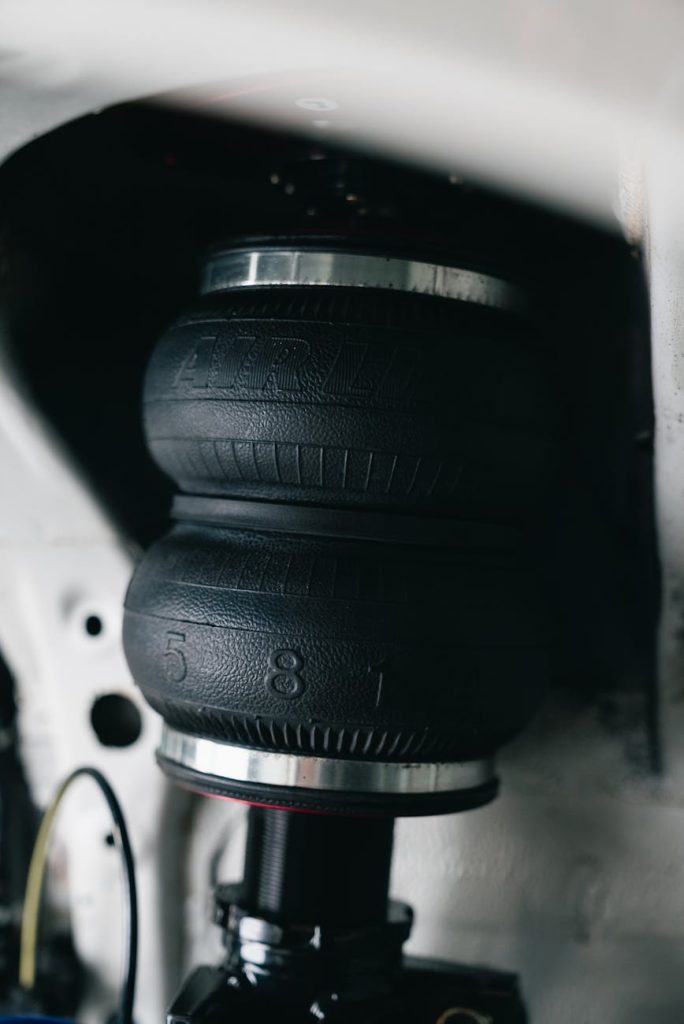
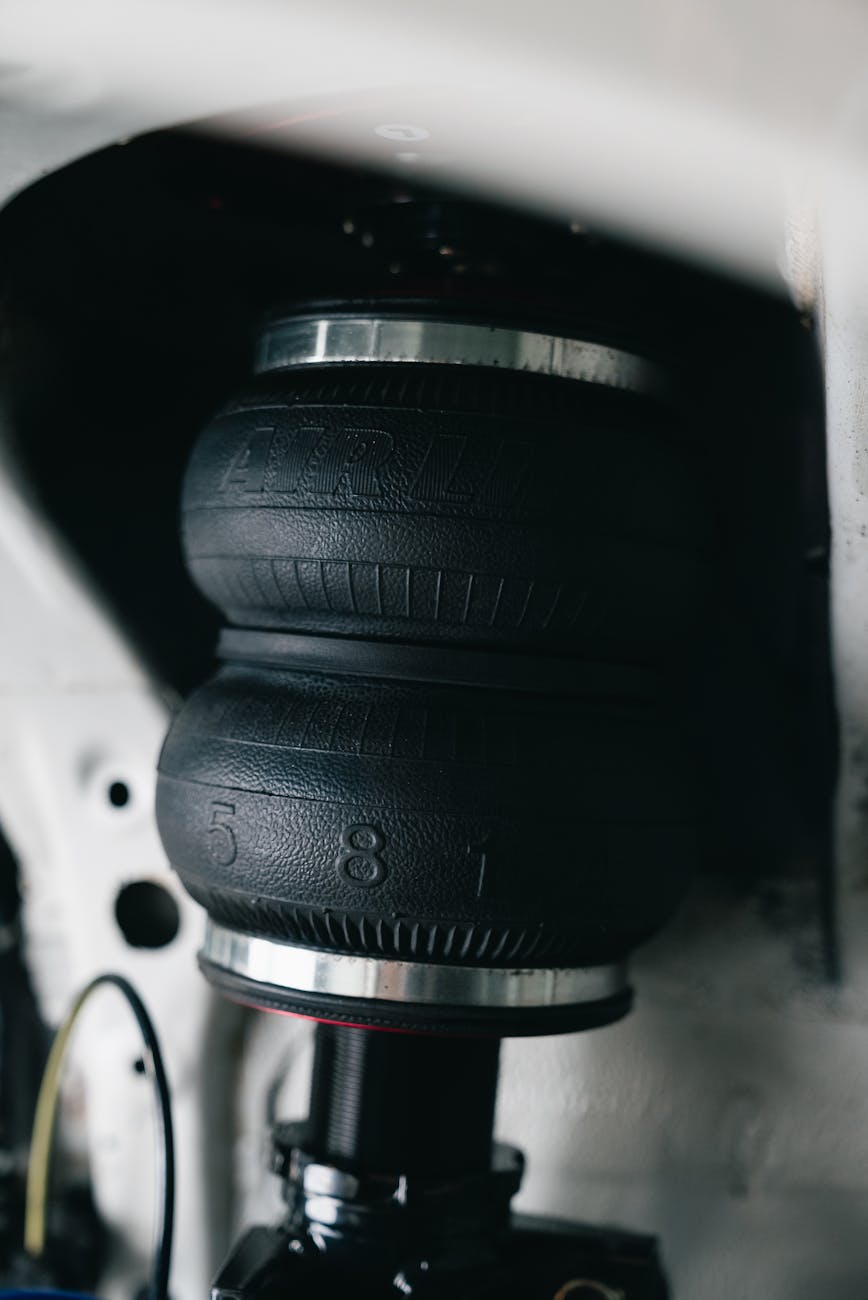
Seeing an air suspension warning message on a BMW X5 G05 can be unsettling—especially because the vehicle may still drive “normally” at first. The G05’s air suspension (often called two-axle air suspension or adaptive air suspension, depending on trim and options) uses air springs, a compressor, valves, sensors, and control modules to keep the SUV level, comfortable, and stable under different loads and drive modes. When something in that system is out of range—pressure, ride height, temperature, or electrical signals—the car warns you to protect the system and maintain safe handling.
Recommended Tool: Professional OBD2 Scanner
Recommended Tool: Portable Jump Starter
Recommended Tool: Cooling System Diagnostic Tools
This article explains the most common causes, what symptoms to look for, how diagnosis typically works, and what repairs usually cost—so you can make informed decisions before you approve work.
🔧 Recommended Professional Tool
Cooling System Diagnostic ToolsProfessional coolant tester and infrared thermometer for accurate overheating diagnosis.
✔ Recommended by automotive technicians ✔ Suitable for BMW, Mercedes, VAG & JLR platforms ✔ Fast international shipping
Causes
Air suspension warnings usually come from one of three categories: air leaks, air supply problems, or sensor/electrical issues. On the X5 G05, the most common causes include:
- Air leak in an air spring (air strut/air bag)
- Rubber bellows can develop cracks or leaks over time, especially in harsh climates.
- Leaking air lines or fittings
- Small leaks at connectors can slowly bleed pressure and trigger height faults.
- Weak or failing compressor
- Compressors wear out, can overheat, or lose efficiency; the system may time out trying to build pressure.
- Faulty valve block (distribution valve)
- Valves can stick or leak internally, causing uneven height or pressure loss overnight.
- Ride height sensor issues
- A height sensor or linkage can be damaged by road debris, corrosion, or improper jacking.
- Electrical problems
- Blown fuses, corroded connectors, damaged wiring, or low battery voltage can confuse the suspension control unit.
- Software/calibration problems
- After suspension work or alignment, the vehicle may require a ride-height calibration.
- Moisture in the system
- A saturated dryer or water ingress can lead to valve problems and compressor stress.
Symptoms
Your BMW may show the warning even before you notice major drivability problems. Pay attention to these common signs:
- Vehicle sits unevenly
- One corner lower than the others, or front/rear sag.
- Car lowers overnight
- A classic sign of a slow leak (bag, line, or valve block).
- “Chassis function restricted” or suspension warning message
- Often paired with a notice that ride height adjustment is limited.
- Harsh ride or bouncy feel
- The system may lock into a safe mode, or an air spring may not be supporting properly.
- Compressor running frequently
- If you hear the compressor often, it may be compensating for a leak or struggling to build pressure.
- Height adjustment won’t work
- The vehicle may refuse to raise/lower to protect the compressor or due to a stored fault.
- Handling changes
- More body roll, wandering, or instability—especially with heavy loads.
How to diagnose
For everyday owners, the goal is to gather clues safely and avoid guessing. A proper diagnosis usually combines scan-tool data with physical checks.
Basic checks you can do at home
- Check your battery health
- Low voltage can trigger chassis and suspension faults. If the car cranks slowly or you have other electrical warnings, start there.
- Look at ride height on level ground
- Park on a flat surface and visually compare gaps at each wheel arch.
- Listen after parking
- A short compressor run can be normal. Repeated or long runs may indicate a leak or weak compressor.
- Check for obvious damage
- Look behind each wheel for torn rubber bellows, dangling sensor linkages, or damaged wiring (don’t crawl under an unsupported vehicle).
What a shop will typically do
A competent BMW-capable shop will usually:
- Scan the suspension control module for fault codes
- Codes often point toward “pressure build-up time,” “ride height plausibility,” or specific corner sensor errors.
- Read live data
- Ride height sensor values, compressor temperature, requested vs. actual pressure, and valve commands.
- Perform a leak test
- Soap solution on air springs/lines, or using a smoke/ultrasonic method depending on equipment.
- Check compressor performance
- Time to reach target pressure and whether it overheats or shuts down.
- Verify calibration
- If components were replaced or alignment was done, ride-height calibration may be required.
How to fix
The correct repair depends on the root cause. Below are common fixes and realistic cost ranges (prices vary by region, parts choice, and labor rates).
Replace a leaking air spring/air strut
- What it fixes: Sagging corner, overnight drop, repeated compressor operation.
- Typical cost: $900–$2,200 per corner
- Parts pricing varies widely (OEM vs. quality aftermarket). Labor can be significant due to removal, calibration, and alignment considerations.
Repair/replace leaking air lines or fittings
- What it fixes: Slow leaks, uneven height, compressor overwork.
- Typical cost: $200–$700
- Can be less if it’s a simple fitting; more if lines are routed in hard-to-reach areas.
Replace compressor and/or relay/dryer components
- What it fixes: Can’t raise vehicle, “pressure build-up” faults, compressor overheats.
- Typical cost: $900–$2,000
- Some repairs include a dryer service; a failing relay can mimic compressor failure in some cases.
Replace valve block (distribution valve)
- What it fixes: Vehicle drops unevenly, inconsistent height control, internal leak-down.
- Typical cost: $500–$1,200
- Diagnosis is important here because symptoms can look like an air spring leak.
Replace ride height sensor or linkage
- What it fixes: Incorrect height readings, warning messages after hitting debris or improper lifting.
- Typical cost: $250–$650
- Often straightforward, but calibration may still be needed.
Calibration / software updates
- What it fixes: Incorrect stance after repairs, warning messages without hardware failure, post-alignment issues.
- Typical cost: $150–$400
- Usually requires BMW-capable diagnostic equipment.
Important: If your compressor has been running constantly due to a leak, replacing only the compressor without fixing the leak can lead to another failure quickly.
Prevention tips
You can’t prevent every suspension issue, but you can reduce risk and avoid expensive secondary damage.
- Address warnings early
- Continued driving with leaks can overwork the compressor and valve block.
- Avoid lifting the vehicle incorrectly
- Use correct jack points; improper lifting can stress sensors/linkages and lines.
- Keep the underbody clean in winter climates
- Road salt accelerates corrosion on linkages, connectors, and fittings.
- Watch for repeated compressor activity
- If the compressor runs frequently after parking or at startup, schedule inspection.
- Maintain a healthy battery
- Weak batteries create low-voltage events that can trigger chassis faults and module communication issues.
- Don’t overload regularly
- Frequent heavy loads increase system demand and can speed wear.
When to see a mechanic
Schedule professional service promptly if:
- The X5 leans noticeably or sits unusually low.
- The warning returns after clearing or after a short drive.
- The compressor runs often, sounds strained, or the vehicle won’t raise.
- You notice handling changes, bottoming out, or tire rubbing.
- Multiple warning messages appear (chassis, drivetrain, stability control), which can indicate voltage or communication problems.
If the vehicle drops significantly or feels unstable, it’s safer to limit driving and have it inspected—towing may be the best option to avoid tire damage and unsafe handling.
Frequently Asked Questions
Can I keep driving with an air suspension warning on my BMW X5 G05?
You may be able to drive short distances if the vehicle remains level and handling feels normal, but the system could be in a restricted mode. If the car is sagging, riding harshly, or the warning returns quickly, continued driving can overwork the compressor and increase repair costs. Treat it as a “soon” problem, not a “someday” problem.
Why does my X5 sit lower overnight but looks fine after I start it?
This usually points to a slow air leak in an air spring, a line fitting, or an internal leak in the valve block. When you start the car, the compressor may refill the system and restore the height temporarily. The longer you wait, the more likely the compressor will be stressed from frequent refilling.
What’s the most common repair cost for the G05 air suspension warning?
The most common expensive repair is replacing a leaking air spring/strut, often ranging from about $900 to $2,200 per corner depending on parts and labor. Compressor or valve block repairs are also common and typically fall between $500 and $2,000. Accurate diagnosis matters because replacing the wrong part can quickly exceed the cost of a proper inspection.
Will replacing one air spring mean I should replace both sides?
Not always, but it can be a smart choice in some cases. If one air spring has failed due to age and the other side has similar mileage and conditions, the second may not be far behind. Ask your shop to assess condition, leak evidence, and whether ride height and damping behavior are balanced.
Do I need an alignment after air suspension repairs?
Often yes, especially if an air strut is replaced or ride height calibration changes the vehicle’s stance. Incorrect ride height can affect camber and toe, leading to uneven tire wear. Many shops recommend calibration first and alignment afterward for best results.