1. Introduction
BMW’s G30-generation 5 Series (2017–2023) 540i is a popular choice for European drivers who want a refined daily car with serious pace. Most 540i models use the B58 3.0-litre turbocharged inline-six paired with the ZF 8HP automatic gearbox, and many buyers choose either Sport Line or M Sport trim. What often surprises owners is that “M Sport” can mean more than bumpers and wheels—on some cars it also changes the braking hardware.
Recommended Tool: Professional OBD2 Scanner
Recommended Tool: Premium Brake Pads
Recommended Tool: Transmission Diagnostic Tools
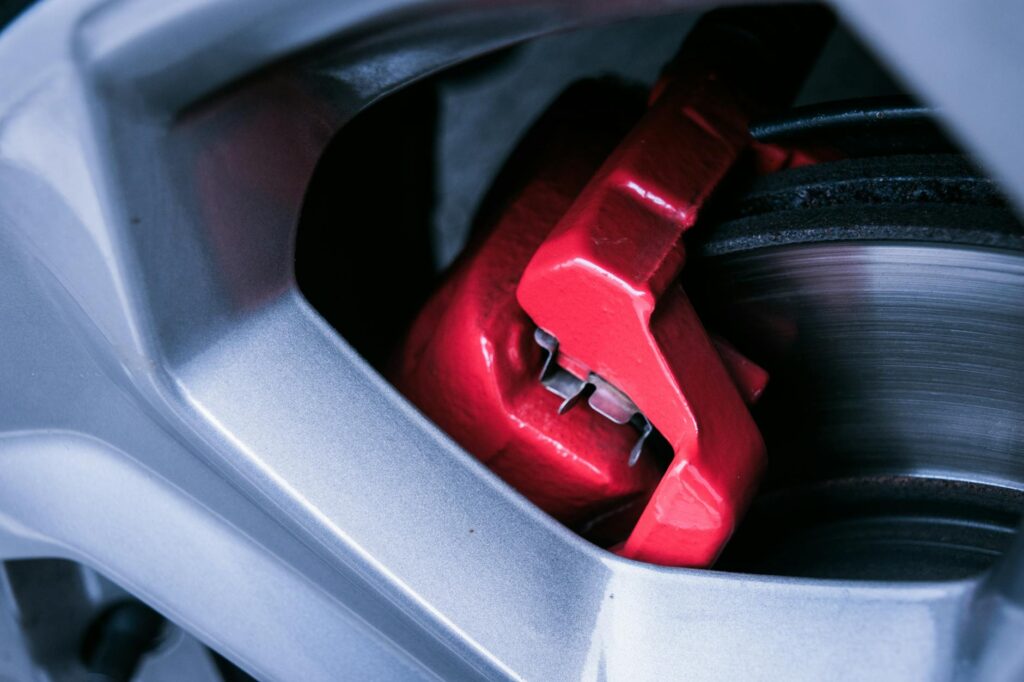
If you’re comparing cars, ordering parts, or planning a brake upgrade, it’s worth understanding the difference between the Sport Line brake system and the M Sport brake system. The wrong discs or pads can lead to noise, poor braking feel, fitment issues, and wasted money. This guide explains what changes, why it matters, how to identify what your car has, and what it typically costs to repair or upgrade in Europe.
🔧 Recommended Professional Tool
ZF 8HP Transmission KitService tools for ZF 8HP automatic transmission
✔ Recommended by automotive technicians ✔ Suitable for BMW, Mercedes, VAG & JLR platforms ✔ Fast international shipping
2. Causes
The “difference” between Sport Line and M Sport brakes isn’t caused by a fault—it’s caused by factory optioning and market-specific equipment. Confusion happens because BMW offers several brake configurations that can overlap with trim lines.
Common reasons owners encounter uncertainty:
- M Sport appearance package vs M Sport brake option: Some cars have M Sport body styling but standard brakes.
- Previous owner modifications: Painted calipers, aftermarket pads, or “M” stickers can mislead.
- Parts catalogue ambiguity: Online listings may group brakes by trim instead of by axle size, caliper type, or option codes.
- Market differences: Equipment can vary by country, model year, and whether the car was ordered with towing, high-performance tyres, or certain wheel sizes.
In short: the trim badge alone isn’t a reliable indicator. The hardware and option codes are what matter.
3. Symptoms
You usually notice the brake system difference in daily driving through feel and heat tolerance rather than obvious “symptoms.” However, when the wrong parts are fitted, symptoms become clear.
What you might notice with different systems:
-
Sport Line / standard brakes (typical feel):
- Smooth, quiet operation
- Adequate stopping power for normal road use
- More prone to fade after repeated high-speed braking
-
M Sport brakes (typical feel):
- Stronger initial bite
- Better resistance to fade on motorway descents or spirited driving
- Sometimes more brake dust and occasional low-speed squeal depending on pad compound
Symptoms of mismatched or incorrect parts (common after DIY or budget repairs):
- Vibration or judder under braking (disc mismatch or poor disc quality)
- Constant squeal even after bedding-in
- Uneven pad wear left-to-right
- Caliper or wheel clearance issues after fitting larger discs
- Brake warning messages if a wear sensor is misfitted or damaged
4. How to diagnose
You don’t need to be a mechanic, but you do need to confirm what’s actually on the car. There are three practical routes: visual checks, VIN/option codes, and diagnostic/parts software.
Visual checks (quick and practical)
- Look through the wheel spokes
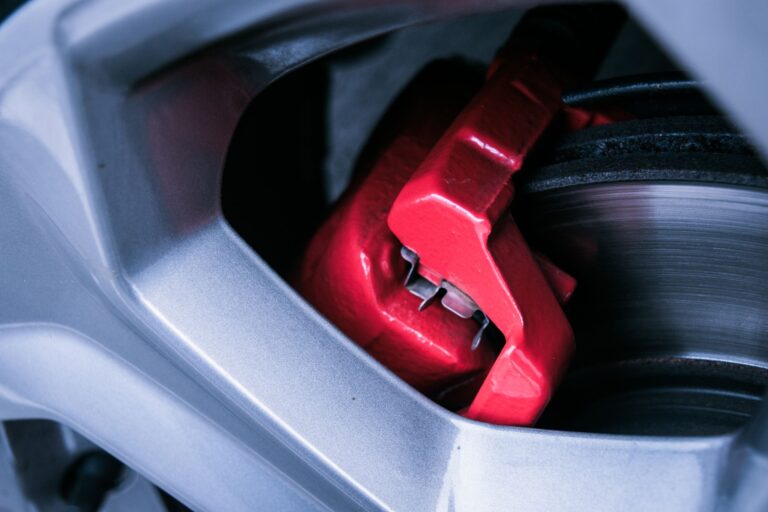
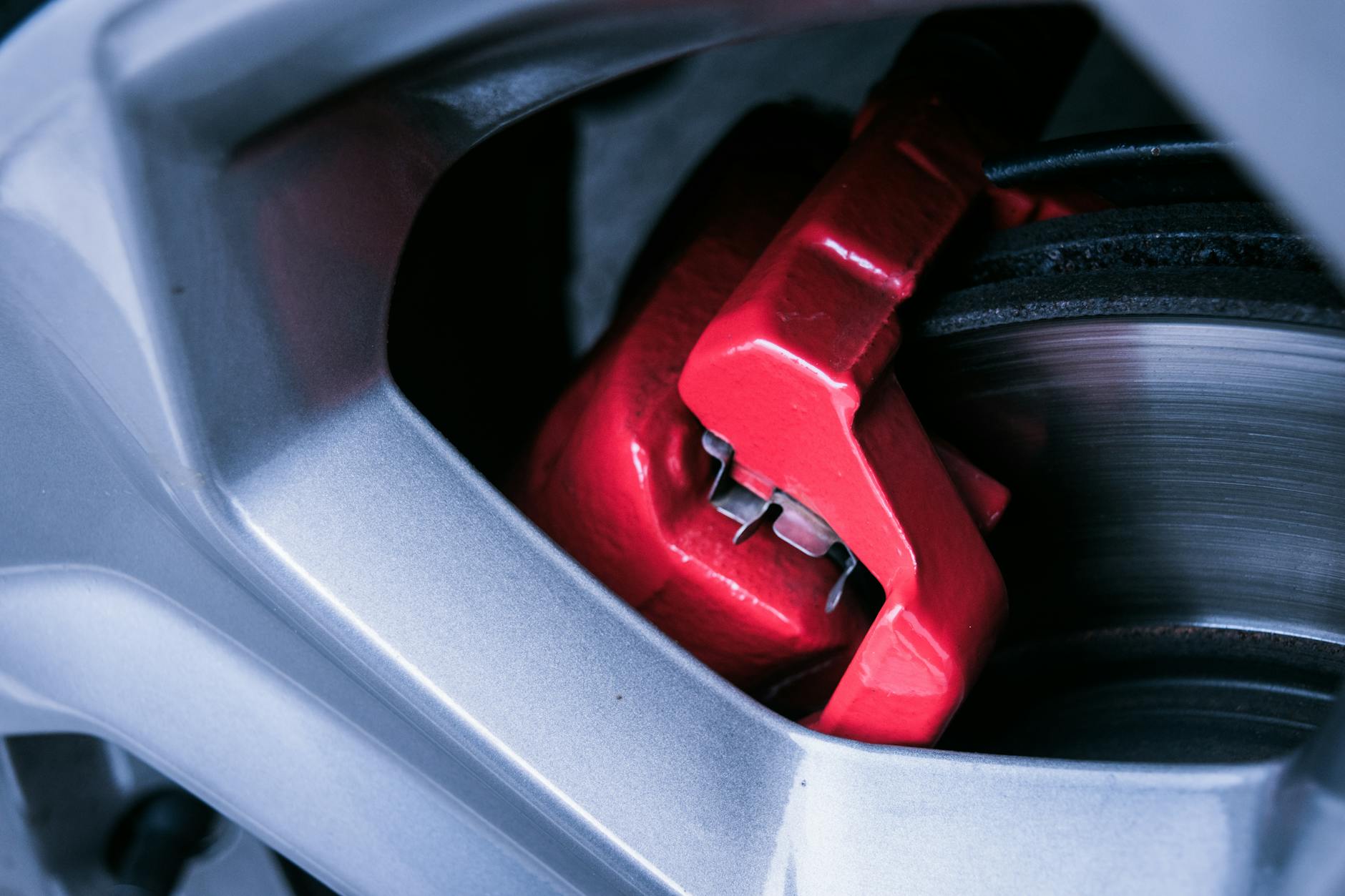
- M Sport brakes often have larger calipers and, on many cars, blue calipers with “M” branding (but calipers can be painted).
- Measure disc diameter
- You can roughly compare to wheel size, but the best method is to read the disc size stamped on the disc hat or measure with a ruler/tape when the wheel is off.
- Check front caliper type
- Many M Sport setups use larger multi-piston fixed calipers (depending on exact option), whereas standard setups are more often sliding calipers.
Confirm via VIN / option codes (most reliable)
Ask for the vehicle’s option list (build sheet). You can get this from a BMW dealer, reputable VIN decoders, or parts systems. The key is to find brake-related option codes (these vary by market). If you’re unsure, a BMW parts counter can confirm the exact front and rear disc and pad part numbers from the VIN.
Use BMW diagnostic and parts tools (if you have access)
- ISTA (BMW’s diagnostic software) won’t “tell you” disc diameter directly, but it helps confirm the car’s configuration and can be useful if you’re troubleshooting wear sensor faults, DSC issues, or brake service resets.
- For cross-brand context: Mercedes owners use Xentry, VW Group owners use ODIS, and JLR owners use Pathfinder/SDD for similar configuration and service functions—BMW’s equivalent ecosystem is ISTA for diagnosis plus VIN-based parts catalogues for hardware identification.
Practical tip: if you’re buying a used G30 540i, request a photo of the front brakes with the wheel turned full lock and a photo of the option list. That prevents costly surprises later.
5. How to fix
“Fix” depends on what you’re trying to achieve: correct a parts mistake, restore performance, or upgrade.
If the car has the wrong discs/pads fitted
- Replace discs and pads with VIN-correct parts for your exact brake system.
- Fit new wear sensors if required (BMW often uses pad wear sensors on specific corners).
- Perform a proper bedding-in procedure to avoid noise and uneven material transfer.
If you want to upgrade from Sport Line/standard to M Sport brakes
Upgrading can be worthwhile if you tow, drive in mountainous areas, or do frequent high-speed motorway runs. But it’s not always a simple “bigger disc” swap.
Typical upgrade considerations:
- Calipers and carriers: Larger discs usually require different carriers; multi-piston setups require matching calipers.
- Dust shields: May need replacing to clear larger discs.
- Brake hoses: Often reusable, but check routing and fittings.
- Wheels: Ensure clearance. Some M Sport brake setups need minimum wheel sizes and certain spoke designs.
- Coding: Usually not required just for hardware, but if you change to a fundamentally different brake package, it’s smart to check for DSC/brake system compatibility. ISTA can help verify there are no stored faults and can reset service functions.
If braking feel is poor but parts are correct
- Flush brake fluid (especially if older than 2 years)
- Check for sticking caliper slide pins (more common on sliding calipers)
- Use quality pads and discs (OEM, ATE, Textar, Brembo—avoid unknown budget brands)
6. Repair costs
Costs vary widely across Europe depending on labour rates and whether you choose OEM, OEM-equivalent, or performance parts. Below are realistic ranges including parts and labour.
Typical costs (EUR):
- Front discs + pads (standard/Sport Line type): €450–€900
- Front discs + pads (M Sport / larger setup): €650–€1,300
- Rear discs + pads: €350–€750
- Brake fluid flush: €80–€160
- Pad wear sensor(s): €25–€60 each fitted (often added during pad replacement)
- Caliper rebuild/slide service (per axle, if sticking): €150–€350 (labour-heavy; parts modest)
- Upgrade to M Sport brakes (front-focused, depending on what’s needed): €1,200–€2,800
- This can rise if you need wheels/tyres to clear the calipers.
Dealers tend to sit at the top of these ranges. Independent BMW specialists are often 20–40% less, especially if you supply quality parts.
7. Prevention tips
You can’t “prevent” the equipment difference, but you can prevent confusion, premature wear, and avoidable brake problems.
- Always buy brakes by VIN, not by trim name or wheel size alone.
- Change brake fluid every 2 years (more often if you drive hard or in mountains).
- Wash wheels and calipers in winter to reduce corrosion from road salt.
- Bed in new pads/discs properly: gentle heat cycles, avoid heavy stops when new.
- Avoid cheap discs/pads: savings often disappear due to noise, judder, and shorter life.
- Check wheel clearance before upgrades: especially with winter wheels.
8. When to see a mechanic
Book a professional inspection (ideally a BMW specialist) if:
- You feel vibration through the steering wheel when braking from motorway speeds.
- The car pulls left/right under braking (possible caliper issue or tyre/brake imbalance).
- You see brake warnings that don’t clear after pad replacement/service reset.
- You’re planning an M Sport brake retrofit and want it done correctly with proper torque specs and brake bleeding procedure.
- You suspect mismatched parts—an experienced shop can confirm disc sizes, caliper types, and order the correct parts quickly.
A shop with BMW experience and access to ISTA can also confirm there are no related DSC/ABS faults and can carry out service resets cleanly after work is completed.
9. Frequently Asked Questions
Frequently Asked Questions
Does Sport Line automatically mean standard brakes on a G30 540i?
Not always, but most Sport Line cars have the standard brake setup unless a brake upgrade was optioned. The only reliable way to confirm is by VIN/option codes or by checking the physical disc and caliper type.
Do M Sport brakes stop the car in a shorter distance in normal driving?
In everyday road use, the difference is often more about pedal feel and heat resistance than dramatic stopping distances. Good tyres and correct brake condition usually matter more than caliper size for typical commuting.
Can I fit M Sport pads on standard Sport Line brakes?
Only if the pad shape matches your calipers. Pads are specific to the caliper design, so mixing pad types can cause fitment problems and poor braking performance.
Will larger M Sport brakes fit under my existing wheels?
Not guaranteed. Clearance depends on wheel diameter and spoke design, and some winter wheels that fit standard brakes will not clear larger calipers. Always test-fit or confirm with a fitment guide before buying parts.
Is a brake fluid flush really necessary if I’m changing discs and pads?
Yes, if the fluid is older than about two years or you’ve had any heat-related fade. Fresh fluid improves pedal consistency and helps protect ABS/DSC components over time.