1. Introduction
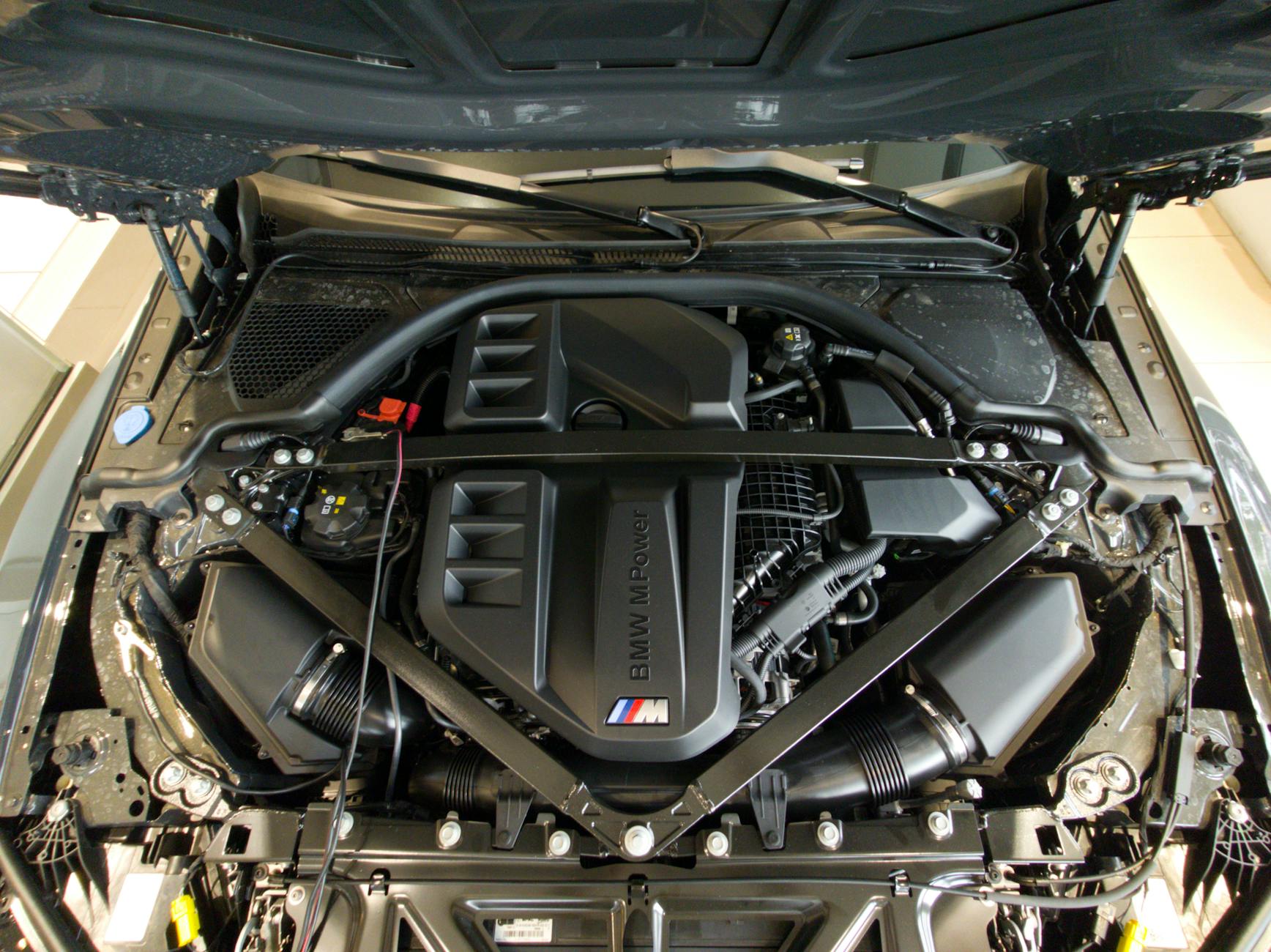
Coolant loss without a visible leak is one of the more frustrating issues for everyday car owners, especially on modern turbocharged petrol engines that run hotter and use complex cooling systems. If you have a BMW 3 Series G20 with the B48 engine and you’re topping up coolant but never see a puddle under the car, you’re not alone. The same “disappearing coolant” pattern also crops up across other European brands (Audi/VW TSI, Mercedes M274, JLR Ingenium), but the B48 has a few common hotspots worth understanding.
Recommended Tool: Professional OBD2 Scanner
Recommended Tool: Cooling System Diagnostic Tools
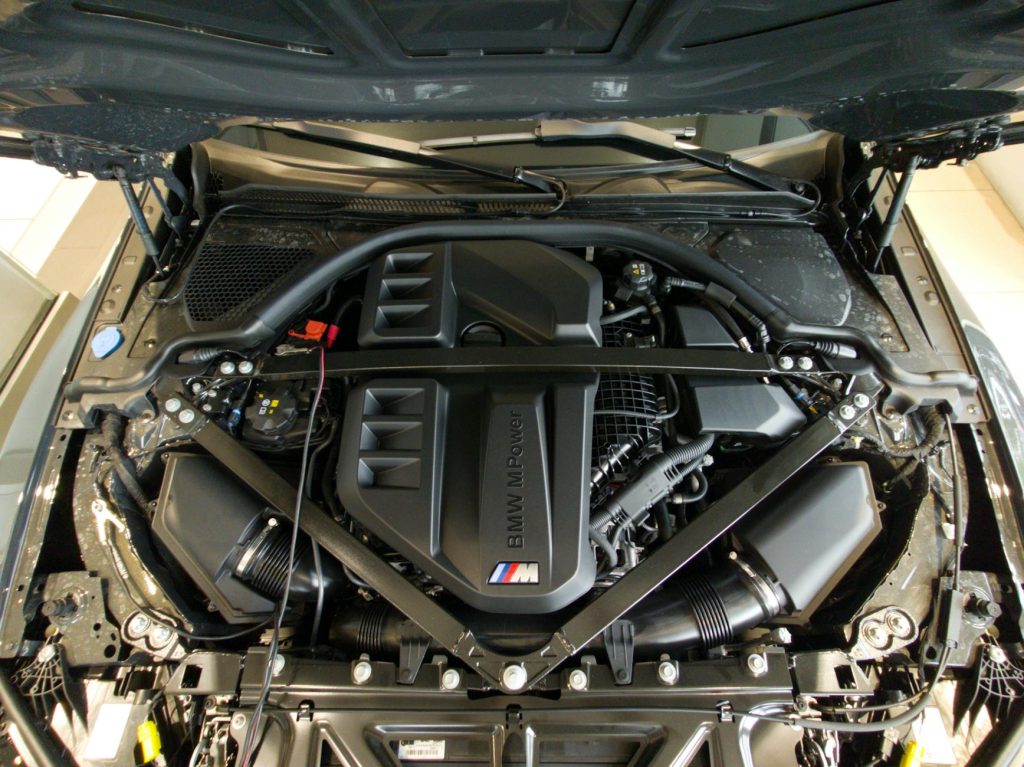
Ignoring slow coolant loss can lead to overheating, cylinder head damage, warped components, or turbocharger problems. The good news is that most causes are diagnosable with a structured approach and, in many cases, are not catastrophic if caught early.
Recommended Tool: Professional OBD2 Scanner
🔧 Recommended Professional Tool
BMW B48 Diagnostic ToolsRecommended tools for B48 engine diagnostics
✔ Recommended by automotive technicians ✔ Suitable for BMW, Mercedes, VAG & JLR platforms ✔ Fast international shipping
2. Causes
On the BMW G20 B48, coolant can be lost externally in ways that evaporate before dripping, internally through the engine, or through pressure control issues that push coolant out of the system.
Common causes include:
- Hairline leaks at plastic components
- Expansion tank seams, small hose connectors, quick-connect fittings
- Thermostat housing or integrated coolant module sealing surfaces (varies by B48 version)
- Water pump or pump seal seepage
- Some leaks only show under load/temperature and leave minimal evidence
- Radiator or intercooler coolant circuit leaks (if equipped)
- Small stone impacts can cause misting rather than dripping
- Coolant cap/pressure cap not holding correct pressure
- A weak cap can vent coolant as vapour, leaving little trace
- Heater circuit seepage
- Hoses to the bulkhead, heater valve connections, or a small heater core leak
- Internal consumption
- Head gasket failure (less common than external leaks, but possible)
- EGR cooler is not a typical B48 issue like on some diesels (e.g., BMW B47), but internal coolant/oil mixing can still happen via other faults
- Turbocharger cooling line leaks
- Small leaks near hot components evaporate quickly
- Improper bleeding after prior work
- Trapped air can cause repeated low coolant warnings and apparent “loss”
3. Symptoms
You may not see any coolant on the ground, but the car often gives subtle clues:
- Coolant level warning in iDrive or on the cluster, especially after cold start
- Sweet smell (ethylene glycol) after driving, particularly near the front grille or wheel arch
- White residue/crust around hose joints, expansion tank neck, radiator end tanks, or under the cap
- Intermittent heating issues
- Cabin heat fluctuates, especially at idle (air pockets in system)
- Temperature behaviour changes
- Electric fan running more often, temperature rising faster under load
- Misfire/rough start (more concerning)
- Could indicate coolant entering a cylinder overnight
- Oil condition changes (rare but serious)
- “Milky” oil or mayonnaise-like residue under the oil cap can indicate coolant contamination (also possible with short trips/condensation, so don’t jump to conclusions)
4. How to diagnose
A good diagnosis avoids random parts swapping. If you’re comfortable doing basic checks, you can narrow it down before booking the car in.
Visual checks (owner-level)
- Check coolant level only when cold and note how much you add each time.
- Inspect for white/pink/blue crust (depending on coolant type) around:
- Expansion tank seams and sensor area
- Upper and lower radiator hoses
- Thermostat housing/coolant module area
- Turbo coolant lines and nearby connections
- Look under the engine cover and undertray for dried staining, not just wetness.
Pressure testing (workshop-level, but very effective)
A cooling system pressure test can reveal leaks that don’t show otherwise. The system is pressurised to spec and monitored for pressure drop.
- Ask the workshop to pressure test cold and warm if the first test is inconclusive.
- If the leak is heat-related, a technician may use a borescope and mirror to check hidden areas.
UV dye test
If coolant loss is slow, UV dye in the coolant can make tiny leaks obvious under UV light. This is especially useful when coolant evaporates on hot engine parts.
Checking for internal leaks
If no external leak is found:
- Block test (combustion gas test) at the expansion tank can detect exhaust gases in coolant (head gasket or cylinder head issue).
- Spark plug inspection: a “steam-cleaned” plug can hint at coolant entry.
- Cylinder leak-down test (more advanced) confirms which cylinder is affected.
Brand-specific diagnostics
While physical testing matters most, diagnostic software can provide clues:
- BMW ISTA can show coolant temperature trends, electric water pump operation (where applicable), and stored faults related to thermal management.
- For comparison, other owners may encounter similar thermal management fault patterns in ODIS (VW/Audi), Xentry (Mercedes), or Pathfinder/SDD (JLR), but the principle is the same: confirm the mechanical issue first.
5. How to fix
The correct fix depends on the confirmed source of loss. Typical repairs on a B48 fall into a few categories:
Fixing minor external leaks
- Replace coolant cap if it fails pressure testing or shows damaged seals.
- Replace leaking hose(s) or quick-connect O-rings (often sold as part of the hose assembly).
- Replace a cracked expansion tank or level sensor seal.
Thermostat housing / coolant module repairs
If seepage is found at the thermostat housing or integrated coolant module:
- Replacement is usually the sensible option; resealing rarely lasts.
- Ensure proper coolant type and correct bleeding procedure afterward.
Water pump-related fixes
If the pump is leaking or failing:
- Replace the pump assembly and any associated seals.
- Consider replacing thermostat at the same time if access overlaps (depends on variant and labour).
If internal leakage is confirmed
- Head gasket or cylinder head work is far more involved:
- Confirm with block test and leak-down before committing.
- If coolant is entering a cylinder, avoid driving long distances; overheating or hydro-lock risk is low with small leaks but not zero.
Correct bleeding and refill
BMW cooling systems can be sensitive to trapped air. After any cooling work:
- Use the correct coolant specification and mix ratio.
- Follow the proper bleeding procedure; many workshops use ISTA-guided routines where applicable.
- Verify stable cabin heat and consistent coolant level after several heat cycles.
6. Repair costs
Costs vary widely across Europe based on labour rates and parts availability, but these ranges are realistic for independent specialists (dealer pricing can be higher).
- Coolant cap replacement
- Parts + labour: €30–€90
- Expansion tank replacement
- Parts + labour: €180–€450
- Coolant hose / connector replacement (one or two hoses)
- Parts + labour: €150–€500
- Thermostat housing / coolant module replacement
- Parts + labour: €350–€900
- Water pump replacement
- Parts + labour: €500–€1,200
- Radiator replacement
- Parts + labour: €450–€1,200
- Heater core replacement (if leaking into cabin)
- Parts + labour: €800–€1,800 (dash work can be significant)
- Head gasket repair (if confirmed)
- Parts + labour: €2,000–€4,500+ depending on machining needs and what’s replaced “while you’re in there”
7. Prevention tips
You can’t prevent every failure, but you can catch coolant loss before it becomes expensive.
- Check coolant level monthly (more often before long trips).
- Address any coolant warning promptly; don’t keep topping up for months without finding the cause.
- Keep the engine bay clean enough to spot fresh residue.
- Use the correct coolant specification; mixing incompatible coolants can accelerate seal wear.
- After any cooling system work, recheck level over the next 1–2 weeks as small air pockets purge.
- If you often do short trips, occasionally take a longer drive to stabilise temperatures and help reveal heat-related leaks.
8. When to see a mechanic
Book the car in promptly if:
- You need to add coolant more than once every few weeks.
- There’s a smell of coolant after every drive.
- The heating becomes inconsistent or you hear gurgling behind the dashboard.
- The temperature gauge rises above normal, the fan runs excessively, or you get drivetrain/engine temperature warnings.
- You suspect internal leakage (misfires on cold start, white smoke that persists when warm, unexplained pressure in the cooling system).
A good independent BMW specialist can combine pressure testing, UV dye, and ISTA checks to avoid guesswork.
9. Frequently Asked Questions
Frequently Asked Questions
Why do I lose coolant but never see a puddle under my BMW G20?
Small leaks can land on hot engine or turbo components and evaporate before dripping. Plastic fittings and hose joints can also seep only under pressure, leaving just a dried crust. A pressure test and UV dye usually make these leaks visible.
Can a bad coolant cap really cause coolant loss?
Yes. If the cap can’t hold the correct pressure, the system may vent coolant vapour or push small amounts out of the overflow, especially after hard driving. It’s a cheap part and worth testing or replacing if there are no other obvious leaks.
Is coolant loss on the B48 usually a head gasket problem?
Most cases are external leaks from hoses, the expansion tank, thermostat housing/coolant module, or the water pump area. Head gasket failure is less common but should be considered if there are misfires, persistent white smoke, or a positive combustion-gas test.
What tests should I ask a workshop to perform first?
Ask for a cooling system pressure test and a careful visual inspection for dried residue, ideally with the undertray removed. If nothing is found, request a UV dye test and a combustion-gas (block) test. If internal leak suspicion remains, a leak-down test helps confirm it.
Is it safe to keep driving if I just top up coolant?
Short-term driving can be okay if the loss is very slow and temperatures remain stable, but it’s risky to rely on topping up. Coolant loss can suddenly worsen, and overheating can cause major engine damage. If the warning returns quickly, stop driving and diagnose it properly.