1. Introduction
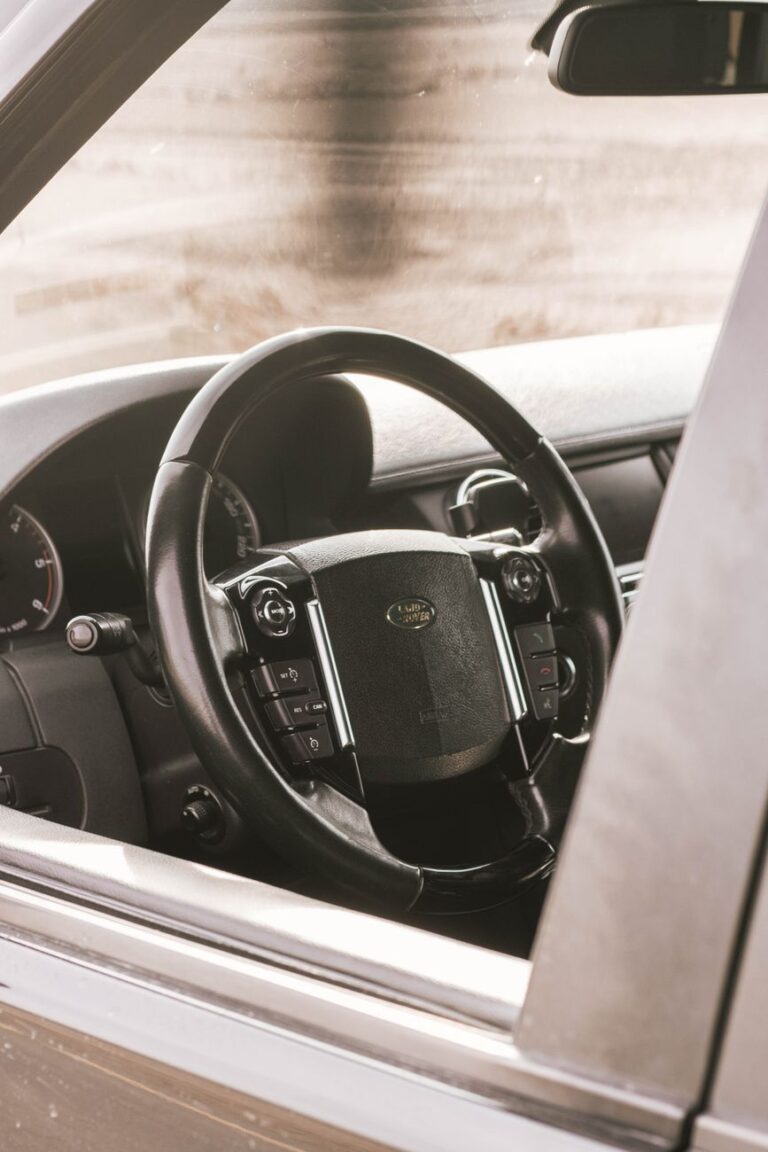
If you own a higher-mileage BMW F30 320i, chances are you’ve experienced steering wheel shake under braking at some point—often described as “warped brake discs.” While brake disc warping is a common phrase, the root cause is often more nuanced than a disc literally bending. On the F30 320i (typically with the N20 engine and a ZF 8HP automatic, or a 6-speed manual), braking vibrations usually come from uneven friction material transfer, disc thickness variation, heat stress, or worn suspension components that amplify what you feel.
Recommended Tool: Professional OBD2 Scanner
Recommended Tool: Premium Brake Pads
Recommended Tool: Cooling System Diagnostic Tools
The good news: most cases are fixable without guesswork if you approach the problem methodically. This guide explains why it happens at high mileage, how to confirm the real cause, what repairs actually work, and how to choose replacement discs and pads that suit European driving—motorways, city traffic, hills, and occasional spirited runs.
🔧 Recommended Professional Tool
BMW N20 Diagnostic & Timing ToolsProfessional tools for BMW N20 engine service
✔ Recommended by automotive technicians ✔ Suitable for BMW, Mercedes, VAG & JLR platforms ✔ Fast international shipping
2. Causes
High-mileage brake vibration is rarely “one thing.” On the F30, the most common causes include:
Heat and driving pattern related
- Uneven pad material transfer (a.k.a. “hot spots”): After repeated hard braking or holding the brake pedal firmly when discs are very hot, pad material can deposit unevenly on the disc surface.
- Overheating from long downhill braking: Riding the brakes builds sustained heat, especially if the car is loaded or driven in mountainous areas.
- Repeated high-speed stops: Motorway braking from high speed can push standard discs and pads beyond their comfort zone.
Parts and installation related
- Disc thickness variation (DTV): Microscopic thickness differences cause pulsing and vibration. DTV often develops from deposits and heat cycling rather than a visibly “warped” disc.
- Incorrect bedding-in of new pads/discs: Gentle driving is fine, but never bedding them properly (or overheating them immediately) can create uneven friction layers.
- Poor-quality discs/pads: Budget parts can have inconsistent metallurgy or friction material, making them more sensitive to heat.
- Hub corrosion or dirt between hub and disc: Even a small rust scale can make the disc sit slightly off-center, leading to lateral runout.
- Improper wheel bolt tightening: Uneven torque can distort the disc hat and create runout.
Age and chassis related (often overlooked)
- Worn control arm bushings or ball joints: The F30’s front suspension can transmit brake judder more as bushings age, even if discs are only mildly affected.
- Sticky caliper slide pins or piston: A dragging pad overheats the disc and accelerates deposits and DTV.
- Old brake fluid: Boiling-prone fluid won’t “warp” discs, but it contributes to heat stress and inconsistent braking feel.
3. Symptoms
Typical signs of brake disc issues on a BMW F30 320i include:
- Steering wheel vibration or shake during braking, usually more noticeable from 90–130 km/h
- A pulsating brake pedal (sometimes mild on BMWs compared to steering shake)
- Braking feels strong at first, then becomes grabby or inconsistent
- A faint burning smell after a spirited drive (possible dragging caliper or overheated pads)
- Uneven pad wear left-to-right on the same axle
- Vibration that gets worse over a few thousand kilometres after new discs/pads (often bedding or hub/runout related)
If vibration is present without braking, look beyond brakes (tyres, wheel balance, bent wheel).
4. How to diagnose
You can narrow the cause without being a mechanic, but a workshop measurement is often the decisive step.
Quick checks you can do
- Confirm it’s braking-related: If the vibration appears only when you press the brake pedal, brakes are likely involved.
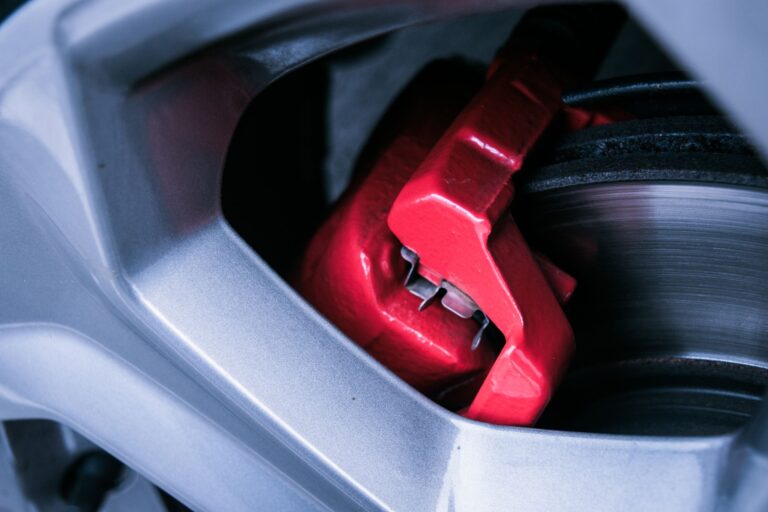
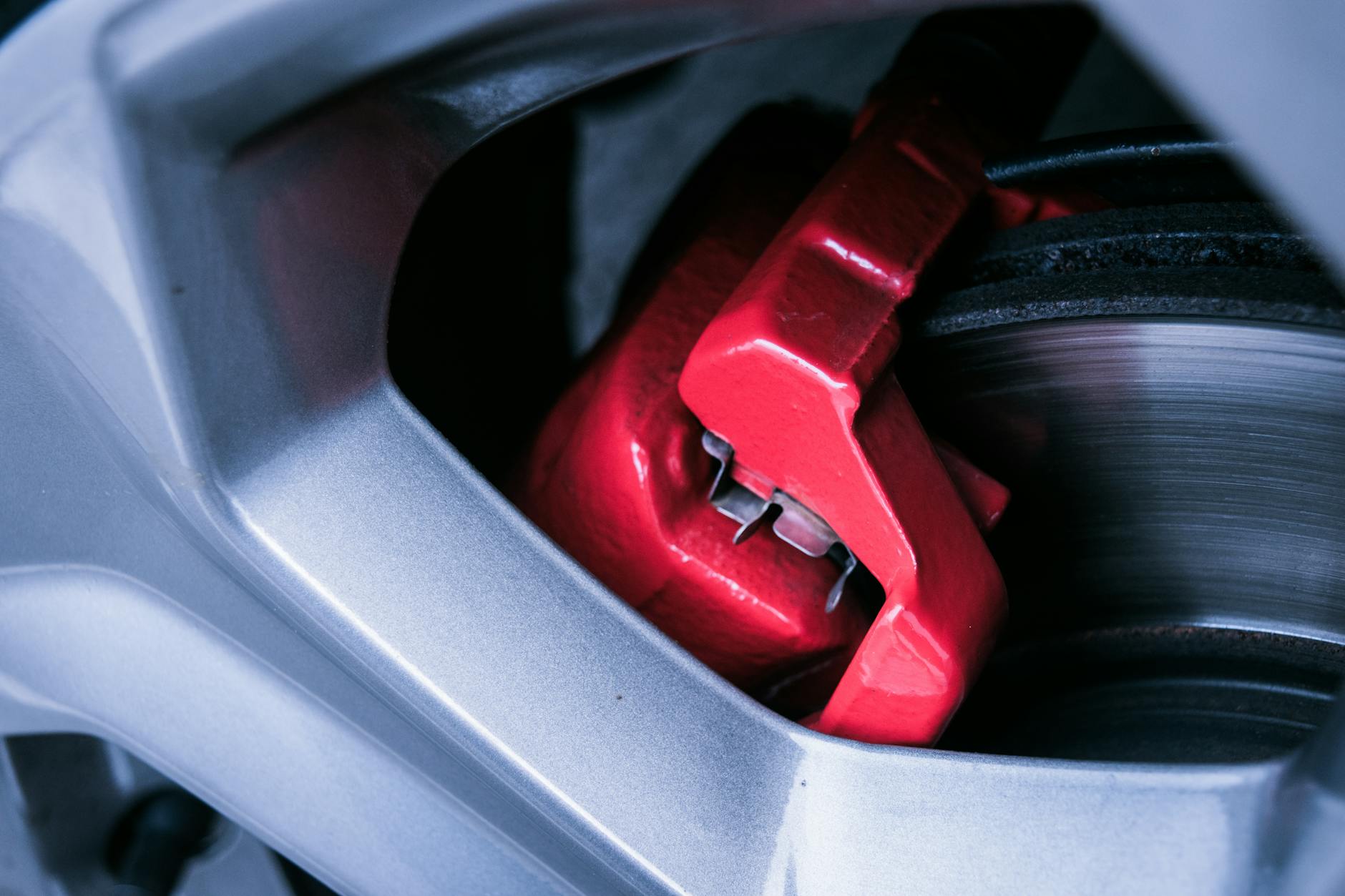
- Visual inspection through the wheel: Look for blue/purple heat marks, heavy scoring, or lip buildup.
- Wheel bolt torque history: If wheels were recently changed and vibration started soon after, suspect uneven torque or debris on the hub.
Practical workshop checks (worth requesting)
- Measure disc lateral runout with a dial gauge at the disc face. Excess runout can cause DTV over time.
- Measure disc thickness variation with a micrometer at multiple points around the disc.
- Inspect hub face for rust and check the disc sits flush.
- Caliper function test: Ensure slide pins move freely and pads aren’t binding.
Using diagnostics (when relevant)
Brake judder is mostly mechanical, but diagnostics can help rule out related issues:
- BMW ISTA can check for DSC/ABS faults and wheel speed sensor inconsistencies that might mimic a pulsing sensation.
- If you also see ABS/DSC warnings, have ISTA read fault codes before replacing parts.
5. How to fix
The correct fix depends on what the diagnosis shows.
If discs/pads are near end of life or heat-spotted
- Replace discs and pads as an axle set (front or rear). Mixing old pads with new discs (or vice versa) increases the risk of recurrence.
- Choose a matched quality set (disc + pad compound designed to work together).
If runout is the root cause
- Clean the hub thoroughly: Rust and debris removal is crucial. A proper hub-cleaning tool or abrasive pad helps.
- Recheck runout after installation before fitting the wheel.
- Ensure wheel bolts are torqued evenly to BMW spec using a calibrated torque wrench.
If calipers are sticking
- Service or replace:
- Caliper slide pins/boots (clean and lubricate with correct high-temp brake grease)
- Pads and hardware if seized or uneven
- In some cases, a caliper rebuild or replacement is the lasting fix
If suspension wear is amplifying judder
Even perfect brakes can feel bad with worn front-end parts. Consider inspection/replacement of:
- Front lower control arms/tension struts bushings
- Ball joints and tie rod ends (as needed)
Best replacement options (realistic choices for EU owners)
For a daily-driven F30 320i:
- OE/OEM: BMW OE, ATE, Textar, Jurid (often closest to factory feel)
- Premium aftermarket: Brembo, Zimmermann (good quality; pair with reputable pads)
- If you drive hard or tow occasionally: consider high-carbon discs (where available) and pads with better fade resistance.
Avoid very cheap unbranded kits; savings disappear quickly if vibration returns.
6. Repair costs
Costs vary by country and labour rates, but these are realistic EU ranges (parts + labour):
- Front discs + pads (quality OEM-level parts): €350–€650
- Rear discs + pads: €300–€550
- Brake fluid flush (recommended if older than 2 years): €70–€140
- Caliper service (clean/lube slide pins) per axle: €80–€180
- Caliper replacement (one side) including bleed: €250–€500
- Front control arms/tension struts (pair) fitted + alignment: €450–€900
- Wheel alignment (if suspension work done): €80–€150
A common “full fix” on high-mileage cars is front brakes plus one or two worn front suspension components.
7. Prevention tips
To reduce the chance of brake judder returning:
- Bed in new pads/discs properly: Follow the pad maker’s procedure; generally, progressive stops to build an even transfer layer.
- After heavy braking, don’t hold the pedal hard at a standstill for long. If safe, use the handbrake/parking brake after cooling slightly, or keep minimal pressure and roll a little if traffic allows.
- Avoid riding the brakes downhill; use engine braking (the ZF 8HP responds well to manual mode).
- Torque wheel bolts correctly after tyre swaps.
- Change brake fluid every 2 years (common EU service interval).
- If you feel vibration starting, address it early—mild deposits can become DTV over time.
8. When to see a mechanic
Book a professional inspection if:
- Vibration is severe or worsening quickly
- You feel pulsing combined with ABS/DSC warnings (ISTA scan recommended)
- The car pulls to one side under braking (possible caliper issue)
- There’s burning smell, excessive brake dust on one wheel, or heat from one corner
- You recently replaced brakes and the problem returned within a few thousand kilometres (runout/hub issue is likely)
A reputable shop will measure runout and thickness variation rather than swapping parts blindly.
9. Frequently Asked Questions
Frequently Asked Questions
Is “warped” brake discs the real problem on a BMW F30 320i?
Often it’s not literal warping but disc thickness variation caused by uneven pad deposits and heat cycling. The result feels the same: steering shake and brake pulsation. Measuring runout and thickness is the only way to confirm.
Can I just change pads and keep the old discs to save money?
If discs are heat-spotted, worn, or have DTV/runout, new pads won’t fix the vibration and can make bedding worse. On high-mileage cars, replacing discs and pads together per axle is usually the most reliable and cost-effective approach.
Why did vibration start soon after a tyre change or wheel swap?
Uneven wheel bolt torque or rust/debris trapped between the hub and disc can introduce runout. That runout can quickly develop into thickness variation after a few hundred to a few thousand kilometres. A proper hub clean and torque procedure often prevents it.
Could worn suspension parts cause brake judder even with new discs?
Yes, worn control arm bushings and ball joints can amplify braking vibration and make mild disc issues feel dramatic. If new brakes don’t solve it, a front suspension inspection is a smart next step.
Are drilled or slotted discs a good upgrade for daily driving?
For most daily-driven F30 320i cars, quality plain or high-carbon discs with matched pads are quieter and last longer. Drilled or slotted discs can increase noise and pad wear, and they don’t automatically prevent deposits if driving habits and bedding are poor.