1. Introduction
Rear shock absorbers are one of those parts you rarely think about until the car starts feeling “off.” On the BMW 1 Series F20 118i, worn rear shocks can quietly ruin ride comfort, increase tyre wear, and reduce stability in emergency manoeuvres—especially on wet European roads, rough city surfaces, and high-speed motorways. This article focuses on replacing the rear shock absorbers on the BMW F20 118i and compares OEM (Original Equipment Manufacturer) options with aftermarket alternatives in plain, everyday terms.
Recommended Tool: Professional OBD2 Scanner
Recommended Tool: OEM Suspension Components
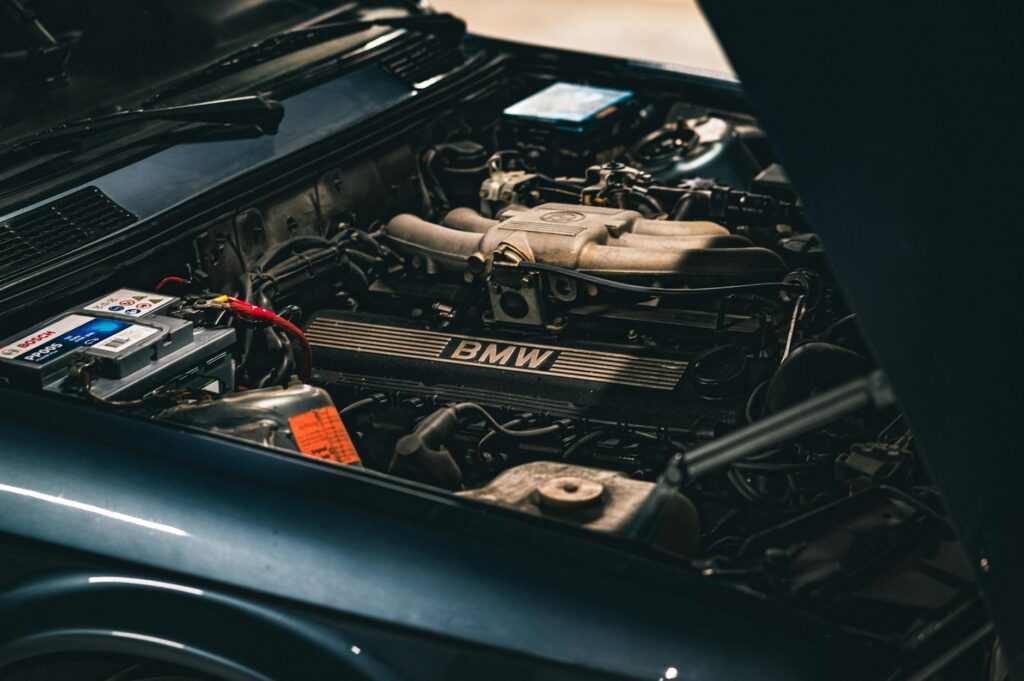
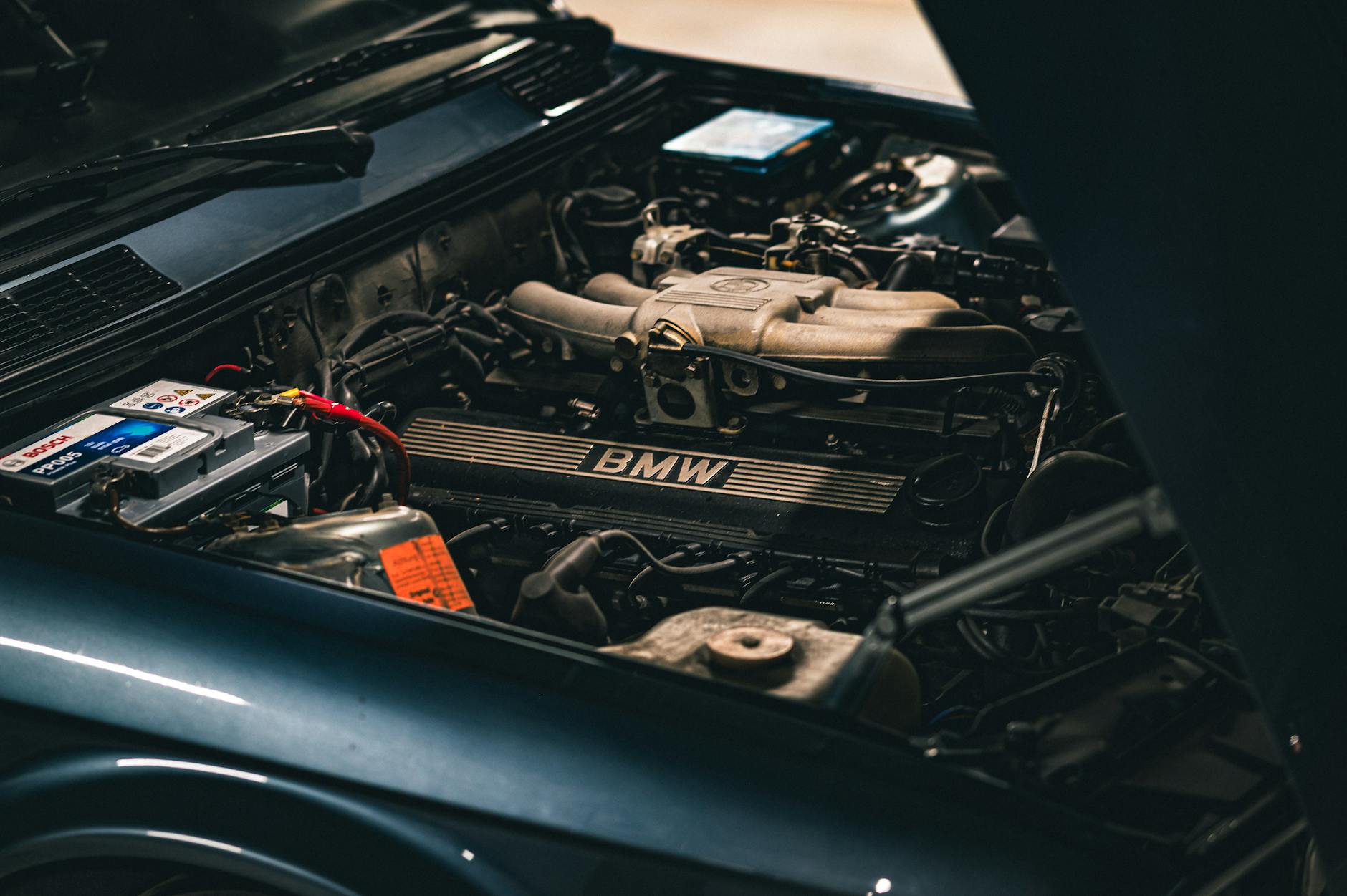
Although this is a chassis topic rather than an engine one, it’s worth noting that many F20 118i models came with BMW’s N13 petrol engine (and some markets/years differ). The drivetrain—whether a manual or ZF 8HP automatic on certain variants—doesn’t change the shock absorber job itself, but it does influence how noticeable poor damping can feel (autos can mask some symptoms at low speeds, then feel unsettled at motorway pace).
Recommended Tool: Professional OBD2 Scanner
🔧 Recommended Professional Tool
ZF 8HP Transmission KitService tools for ZF 8HP automatic transmission
✔ Recommended by automotive technicians ✔ Suitable for BMW, Mercedes, VAG & JLR platforms ✔ Fast international shipping
2. Causes
Rear shocks wear out gradually, and drivers often adapt without realising. Common causes on an F20 118i include:
- Normal wear and age: Seals and internal valves degrade over time, even if mileage is modest.
- Poor road surfaces: Repeated impacts from potholes, speed bumps, and broken tarmac accelerate wear.
- Heavy loads: Regularly carrying passengers, luggage, or using the car for frequent airport runs increases stress.
- Water and salt exposure: European winter road salt can corrode shock bodies, mounts, and fasteners.
- Worn related components: Rear top mounts, bump stops, and dust boots can fail and shorten shock life.
- Lowering springs or mismatched parts: If springs and dampers aren’t matched, the shock can operate out of its optimal range and wear faster.
3. Symptoms
Rear shock problems don’t always present as a dramatic clunk. Typical signs include:
- Bouncy or floaty rear end over dips and undulations
- Knocking noises from the rear over sharp bumps (often mounts, but shocks can contribute)
- Rear instability at speed, especially in crosswinds or when changing lanes
- Longer stopping distances on uneven surfaces (tyres lose contact with the road more easily)
- Uneven rear tyre wear, including cupping/scalloping patterns
- Rear squat under acceleration or excessive movement when the car is loaded
- Visible oil misting/leaks on the shock body (a strong indicator the internal seal has failed)
If your F20 feels fine on smooth roads but unsettled on broken surfaces, worn dampers are a prime suspect.
4. How to diagnose
You can do a lot before spending money. A good diagnosis also prevents replacing shocks when the real culprit is a mount, spring, or tyre issue.
Basic checks at home
- Visual inspection: Look behind the rear wheels for oil leakage, dented shock bodies, or cracked dust boots.
- Bounce test (limited usefulness): Push down firmly on the rear corner and release. If it continues to oscillate, damping is weak. Modern suspensions can pass this test even with worn shocks, so treat it as a clue, not proof.
- Tyre inspection: Look for scalloped wear or unusual feathering on the rear tyres.
Road test clues
On a safe route:
- Drive over a series of small bumps at moderate speed. Worn shocks often produce repeated bouncing instead of one controlled movement.
- On a motorway, note whether the rear feels “nervous” on long undulations or when making quick steering inputs.
Workshop-level diagnosis (recommended)
A reputable workshop may use:
- Suspension shaker plates to reproduce knocks and measure movement.
- Damper test benches (less common) to compare damping efficiency side to side.
- Chassis inspection with the car raised to check:
- Rear shock top mounts
- Springs (cracks, sagging)
- Bump stops
- Rear control arm bushings
Diagnostic tools like ISTA (BMW) are usually not essential for shocks themselves, but they can be helpful if there are related faults (e.g., ride height sensors on some equipped models, or to check for stored DSC-related codes after a road test). For comparison across brands: Mercedes owners might see similar chassis checks complemented by Xentry, VW Group by ODIS, and JLR by SDD/Pathfinder when other systems are involved.
5. How to fix
The correct fix depends on what’s worn. For most F20 118i owners, the practical approach is to refresh the rear dampers as a pair and replace the related wear items.
Replace shocks in pairs
Always replace left and right together. Mixing an old weak damper with a new one can cause uneven handling and braking stability.
Consider replacing related parts
When the shocks are out, it’s smart to replace:
- Rear top mounts (and any bearings if applicable)
- Bump stops and dust boots
- Upper/lower mounting hardware if corroded (many workshops prefer new bolts/nuts)
These parts are relatively inexpensive compared with the labour of stripping and reassembling everything.
OEM vs aftermarket: what’s the real difference?
OEM (or OEM-supplier) shocks
Pros:
- Closest match to BMW’s intended ride and handling balance
- Predictable quality and damping characteristics
- Often best for drivers who value factory feel and low noise
Cons:
- Typically higher cost
- Limited “tuning” options unless you move to BMW performance-oriented packages
Note: “OEM” can mean BMW-branded parts or the same supplier (common European suppliers include Sachs, Bilstein, etc., depending on spec). A BMW box isn’t always necessary to get OEM-level quality.
Aftermarket shocks
Pros:
- Wider range of price points
- Options for comfort-focused or sportier damping
- Often excellent value if you choose a reputable brand
Cons:
- Cheapest options may ride harshly, wear quickly, or create noise
- Damping may not perfectly match the front axle feel if only the rears are changed
- Some budget dampers can feel underdamped (bouncy) or overdamped (crashy)
Should you replace front shocks too?
Not automatically. But if the rear shocks are worn, the fronts may not be far behind—especially at higher mileage. If the car feels unbalanced after rear replacement, consider evaluating the front struts next.
Alignment: is it required?
A rear shock change alone doesn’t usually mandate wheel alignment on an F20, because you’re not typically changing adjustable geometry points. However:
- If any control arms or bushings are disturbed, or tyres show abnormal wear, a 4-wheel alignment is wise.
- Many workshops will recommend an alignment as a best practice.
6. Repair costs
Costs vary by country, labour rates, and whether you choose OEM or aftermarket. Typical European estimates:
Parts (pair, rear)
- OEM / OEM-supplier shocks: €220–€450
- Aftermarket reputable brand: €160–€350
- Budget aftermarket: €100–€200 (not usually recommended)
Additional parts (recommended)
- Top mounts, bump stops, dust boots, hardware: €60–€180
Labour
- Rear shock replacement (both sides): 1.5–2.5 hours
- Labour cost range: €150–€400 depending on local hourly rate
Total estimate (parts + labour)
- Aftermarket (good brand) + recommended extras: €350–€750
- OEM/OEM-supplier + recommended extras: €450–€950
Add €80–€180 if you choose to do a 4-wheel alignment afterwards.
7. Prevention tips
You can’t prevent wear entirely, but you can slow it down and catch it early:
- Keep tyres correctly inflated: Underinflation increases suspension load and tyre damage.
- Avoid hitting potholes hard: Slow down on broken surfaces where safe to do so.
- Don’t overload regularly: If you often carry heavy loads, consider higher-quality dampers and keep an eye on rear ride height.
- Wash winter salt off: Rinse wheel arches and underbody to reduce corrosion.
- Inspect suspension annually: A quick visual check during tyre swaps can spot leaks and torn boots early.
8. When to see a mechanic
Book a professional inspection if you notice:
- Persistent knocking from the rear that doesn’t go away
- The car feels unstable in fast corners or during motorway lane changes
- Uneven rear tyre wear returning quickly after new tyres
- Any visible shock leakage
- The rear sits oddly low or the ride becomes harsh and uncontrolled
A workshop can also verify whether it’s the shock absorber, top mount, spring, or a bushing—saving you money by avoiding guesswork.
9. Frequently Asked Questions
Do I need OEM shocks on a BMW F20 118i, or is aftermarket fine?
Aftermarket is often fine if you choose a well-known brand and the correct specification for your suspension (standard vs sport). OEM or OEM-supplier parts are the safest option if you want the original factory ride and minimal noise risk. Avoid unknown budget dampers, as they can feel harsh or wear quickly.
Should I replace rear shock mounts and bump stops at the same time?
Yes, it’s usually worth it. These parts are inexpensive compared with labour, and worn mounts can cause knocking even with new shocks. Fresh bump stops and dust boots also protect the new dampers from early failure.
Can worn rear shocks affect braking and tyre wear?
Yes. Weak damping reduces tyre contact on uneven roads, which can increase stopping distances and trigger earlier ABS intervention. It also contributes to cupping/scalloping tyre wear, especially on the rear axle.
Is a wheel alignment necessary after rear shock replacement?
Not always, because replacing shocks typically doesn’t change adjustable alignment settings. However, alignment is recommended if you see uneven tyre wear, if other suspension parts were loosened or replaced, or if the car doesn’t track straight afterwards. A 4-wheel alignment can also confirm the rear axle is within spec.
How long do rear shocks typically last on European roads?
Many last roughly 80,000–150,000 km, depending on road quality, load, and driving style. City cars on rough surfaces may wear them sooner, while gentle motorway use can extend life. If ride quality has noticeably degraded, it’s worth testing rather than waiting for a visible leak.