1. Introduction
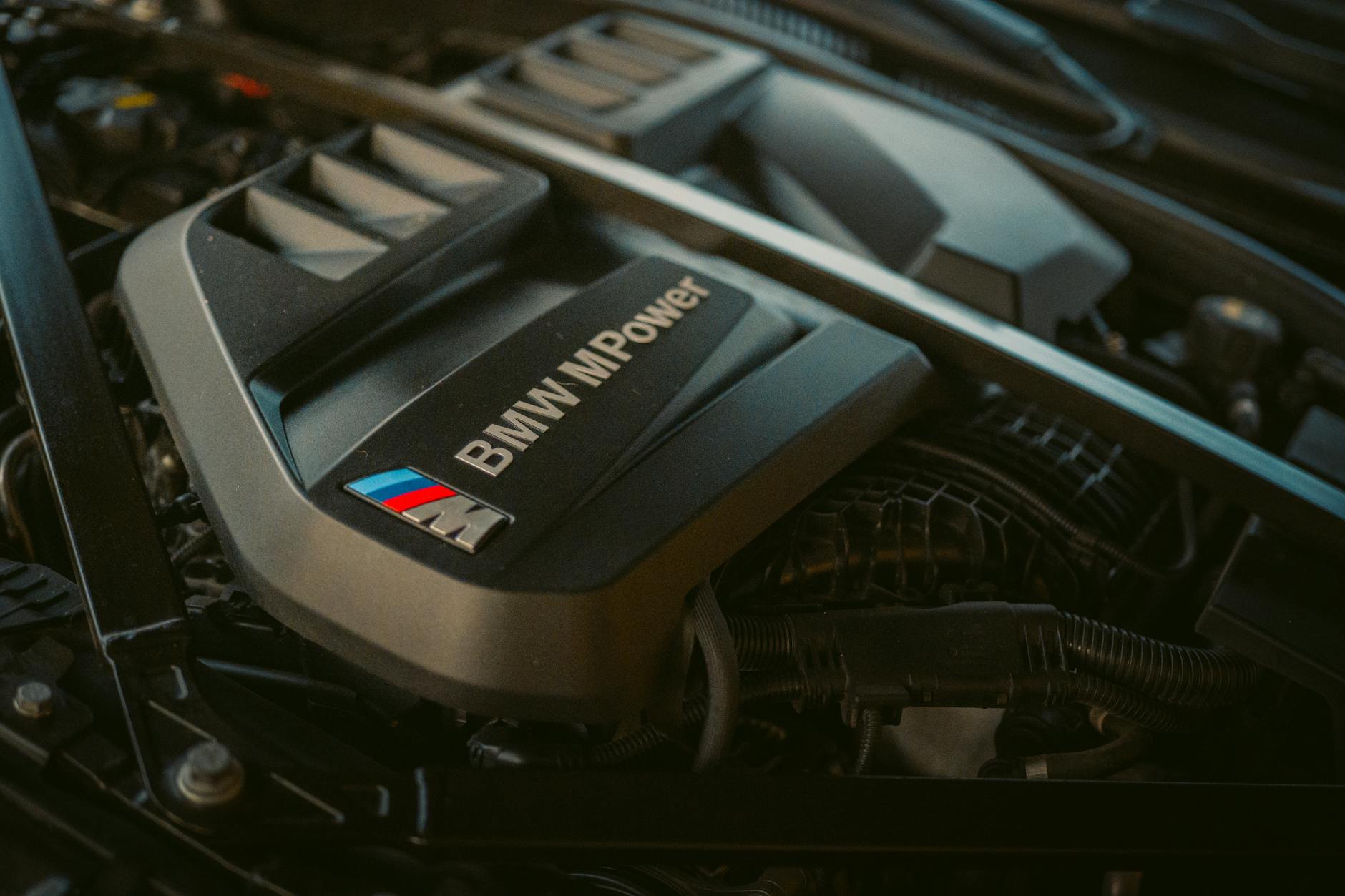
A BMW F10 535i that “jerks” or shifts harshly when it’s cold can be unsettling—especially because the car often drives much better once it’s warmed up. The F10 535i typically uses the ZF 8HP automatic gearbox (commonly the 8HP45/8HP70 family depending on market and production details) paired with the N55 3.0 turbo petrol engine. When cold, transmission fluid is thicker, engine idle strategy is different, and shift pressures are higher—so small issues become much more noticeable.
Recommended Tool: Professional OBD2 Scanner
Recommended Tool: Transmission Diagnostic Tools
The good news: many cold-jerk complaints are solvable without replacing the entire transmission. The key is to separate “normal cold behavior” from a genuine fault, then diagnose systematically.
🔧 Recommended Professional Tool
ZF 8HP Transmission KitService tools for ZF 8HP automatic transmission
✔ Recommended by automotive technicians ✔ Suitable for BMW, Mercedes, VAG & JLR platforms ✔ Fast international shipping
2. Causes
Cold jerking in the ZF 8HP on an F10 535i is usually caused by one or more of the following:
- Aging or contaminated transmission fluid
- Old ATF can lose friction characteristics, causing abrupt clutch engagement during cold shifts.
- Mechatronics (valve body) issues
- Sticky valves, pressure regulation problems, or internal wear can create harsh engagements, most obvious when fluid is cold.
- Adaptation values out of range
- The 8HP “learns” clutch fill times and pressure. If adaptations drift due to wear or prior low fluid, cold shifts can feel like a bump.
- Torque converter clutch (TCC) control problems
- Early lock-up strategies can create a shudder or “grabby” feel at light throttle when cold.
- Fluid level incorrect
- Slight underfill/overfill can cause pressure irregularities. On the 8HP, correct fill procedure and temperature are critical.
- Engine-side issues that mimic gearbox jerks
- Misfires, weak ignition coils, vacuum leaks, or uneven fueling (N55) can feel like a harsh shift.
- Driveline play
- Worn guibo/flex disc, propshaft support bearing, or diff bushings can amplify normal shift take-up into a noticeable thump.
3. Symptoms
Owners often describe similar patterns:
Recommended Tool: Professional OBD2 Scanner
- Jerking or bumping on 1–2, 2–3, or during slow rolling changes in traffic
- A pronounced thump when selecting D or R first thing in the morning
- Shudder at light throttle around 1,200–2,000 rpm when the gearbox is still cold
- Harsh downshifts when approaching junctions (sometimes feels like a “push” from behind)
- Noticeable improvement after 10–20 minutes of driving or once the gearbox is warm
- In some cases, a drivetrain malfunction warning or stored fault codes (but many cars show no warnings)
4. How to diagnose
You don’t need to be a mechanic to approach diagnosis logically, but you (or your workshop) should use the right tools. For BMW, that’s typically ISTA/D or ISTA+.
Step-by-step checks (practical order)
- Confirm when it happens
- Only cold? Only first drive-off? Only in Comfort vs Sport? Only at light throttle?
- Scan for fault codes with ISTA
- Check EGS (transmission control module) and DME (engine ECU).
- Even “shadow” or historic faults can be relevant (pressure control, ratio monitoring, TCC slip).
- Check live data
- In ISTA, look at:
- Transmission oil temperature
- Current gear, requested gear
- TCC lock-up status/slip
- Adaptation values (clutch fill times/pressures)
- In ISTA, look at:
- Rule out engine roughness
- Cold misfires are common on petrol turbo engines. If the N55 is uneven at cold idle, shifts can feel jerky.
- Look for misfire counters, mixture faults, and fuel trim anomalies in ISTA.
- Assess driveline components
- A workshop can inspect the guibo, propshaft support bearing, and differential mounts for excessive play.
- Verify ATF level properly
- The ZF 8HP requires a specific fill procedure at a specified temperature window. A “quick top-up” without temperature control can make it worse.
A note on “adaptation resets”
Resetting adaptations without fixing the underlying cause can temporarily mask symptoms or even make shifting worse for a period. It’s best done only after ensuring fluid quality/level and confirming there’s no mechanical or control fault.
5. How to fix
Fixes depend on what the diagnosis shows. Common repair paths include:
Transmission service (often the first meaningful step)
- Replace ATF and transmission pan/filter
- On many ZF 8HP variants, the filter is integrated into the plastic pan.
- Use the correct ZF-spec fluid and follow the correct fill temperature procedure.
Software updates and adaptation relearn
- If ISTA shows available updates for the EGS/DME, updating can refine cold shift strategy.
- After service, the gearbox may need a structured adaptation drive cycle (workshop-guided).
Mechatronics/valve body repair
- If pressure regulation faults, harsh engagements persist, or adaptations are extreme, a valve body repair or replacement may be required.
- Some specialists refurbish the mechatronics with updated components.
Torque converter-related fixes
- If the symptom is more of a shudder during light acceleration rather than a clear “shift bump,” the torque converter clutch may be the culprit.
- Depending on severity, a fluid service may help, but persistent TCC shudder can require torque converter replacement.
Engine/drivetrain repairs (don’t overlook these)
- Replace failing ignition coils/spark plugs (N55) if misfires show up cold.
- Repair vacuum/boost leaks if mixture faults are present.
- Replace worn guibo or propshaft support bearing if take-up clunk is being misinterpreted as a gearbox issue.
6. Repair costs
Realistic European pricing varies by country and workshop type, but typical totals (parts + labor) are:
- ZF 8HP ATF + pan/filter service: €450–€900
(Higher at main dealers; independent BMW/ZF specialists often better value.) - Software update / programming (ISTA): €80–€250
(Sometimes bundled with diagnostic time.) - Adaptation reset + adaptation drive: €80–€200
(Often included after service, but not always.) - Mechatronics/valve body repair or replacement: €900–€2,200
(Refurbished units can reduce cost; dealer replacement can be higher.) - Torque converter replacement (if required): €1,500–€3,000
(Depends heavily on labor hours and parts source.) - Driveline repairs (guibo/support bearing): €350–€900
(Varies by how much is replaced together.) - Engine tune-up for cold misfire (plugs/coils): €250–€700
(If only a couple of coils, less; full set more.)
7. Prevention tips
Cold-shift harshness is easier to prevent than to cure later:
- Service the gearbox fluid earlier than “lifetime”
- Many owners choose 80,000–120,000 km intervals on the ZF 8HP.
- Warm up gently
- Drive smoothly for the first 10 minutes; avoid hard kickdowns while ATF is cold.
- Fix small engine issues quickly
- A slight cold misfire or air leak can make the whole drivetrain feel rough.
- Use quality parts and correct fluids
- Incorrect ATF spec or poor fill procedure can create new problems immediately.
- Avoid repeated short trips only
- The transmission may rarely reach stable temperature, accelerating contamination and adaptation drift.
8. When to see a mechanic
Book a proper diagnosis (ideally with ISTA) if:
- The jerk is getting worse week to week
- You feel shuddering that persists even when warm
- There’s a delay engaging D or R, or it slams into gear
- You see warning messages, limp mode, or stored EGS faults
- The car has unknown service history and is over ~100,000 km
Choose a workshop familiar with BMW drivetrains and the ZF 8HP. A ZF specialist or reputable independent often provides better transmission-specific expertise than a general garage.
9. Frequently Asked Questions
Frequently Asked Questions
Is a slight jerk from the ZF 8HP when cold normal on a BMW F10 535i?
A small increase in firmness when cold can be normal because the ATF is thicker and pressures are higher. However, a pronounced bump, repeated harsh shifts, or a clear shudder is not typical and deserves diagnosis.
Will a transmission fluid service actually fix cold jerking?
If the issue is related to aging fluid, contamination, or a marginal fluid level, servicing can significantly improve cold shift quality. It won’t fix a worn torque converter clutch or a failing mechatronics unit, but it’s often the best first step.
Should I reset transmission adaptations to stop the jerking?
An adaptation reset can help after correct servicing or repairs, but it’s not a cure on its own. Resetting without addressing fluid condition, level, or underlying faults may make shifting temporarily worse until the gearbox relearns.
How can I tell if it’s the engine (N55) rather than the gearbox?
If the “jerk” feels like hesitation, stumbling, or uneven power—especially with cold idle roughness—it may be engine-related. Misfire codes, fuel trim issues, or rough running in ISTA point toward the engine rather than the ZF 8HP.
Can I keep driving if it only happens when cold?
Light, occasional firmness may not be urgent, but repeated harsh engagements can accelerate wear over time. If symptoms worsen, appear in warm operation, or you notice delays selecting gear, have it checked promptly.