1. Introduction
A brake pad wear sensor is a small but important part of many European cars, including the BMW F10 5 Series (like the 528i with the N20 engine and often the ZF 8HP automatic). Its job is simple: warn you when the brake pads are nearing the end of their usable life. When it triggers, you’ll typically see a brake warning message in iDrive and a service reminder in the instrument cluster.
Recommended Tool: Professional OBD2 Scanner
Recommended Tool: Premium Brake Pads
Recommended Tool: OEM Suspension Components
On the F10, the wear sensor is not just a “suggestion light.” Once the sensor is worn through, it’s considered used and should be replaced along with the pads (and sometimes discs/rotors depending on wear). This guide explains what triggers the warning, how to confirm it’s truly pad wear (and not a wiring issue), and what a realistic repair looks like for everyday owners.
🔧 Recommended Professional Tool
BMW N20 Diagnostic & Timing ToolsProfessional tools for BMW N20 engine service
✔ Recommended by automotive technicians ✔ Suitable for BMW, Mercedes, VAG & JLR platforms ✔ Fast international shipping
2. Causes
A brake pad sensor warning on a BMW F10 528i is usually caused by one of these situations:
- Normal pad wear: The pad material has worn down to the sensor contact point.
- Sensor physically worn through: The sensor’s plastic body rubs the disc and gets ground away, completing the circuit.
- Damaged sensor wire: Road debris, incorrect routing, or careless handling during a previous brake job can cut or chafe the wire.
- Connector issues: Corrosion, water ingress, or a loose connector at the wheel arch can create an intermittent warning.
- Incorrect parts fitted: Wrong sensor type, poor-quality aftermarket sensors, or pads without proper sensor seating can cause premature faults.
- Previous brake work not completed properly: Pads replaced but the old sensor reused, or the service reset attempted without addressing the sensor.
3. Symptoms
Most owners notice the problem through the dashboard rather than driving feel. Common symptoms include:
- “Brake pads worn” / brake service message in iDrive or the cluster
- Orange or red brake warning indicator depending on the condition and BMW’s logic
- Service interval shows overdue for front or rear brakes (BMW tracks them separately)
- Intermittent warnings (often points to wiring/connector issues rather than actual pad wear)
- Occasionally, a light scraping sound if the sensor is contacting the disc, though many cars give the warning before noise becomes obvious
Importantly, a sensor warning doesn’t automatically mean the discs are bad. It means you should inspect the braking system promptly.
4. How to diagnose
You can do a basic diagnosis at home with safe lifting equipment, but don’t take risks—brakes are safety-critical.
Visual checks (owner-friendly)
- Identify whether it’s front or rear: iDrive service status typically specifies axle.
- Inspect pad thickness: Through the wheel spokes you can often see the outer pad. Anything around 3 mm or less is typically near replacement territory.
- Look at the sensor wire routing: Check for a hanging wire, broken clips, or rubbing on the tyre or suspension.
- Check the connector: On the F10 the sensor plugs into a connector near the wheel arch liner. Make sure it’s properly seated and not full of dirt or water.
Using diagnostics (helpful but not mandatory)
If you have access to BMW diagnostics, ISTA/D (or a capable scan tool that reads BMW chassis modules) can help confirm whether the car has logged a wear sensor fault or a plausibility issue. You’re typically looking for:
- Wear sensor triggered (open circuit/closed circuit depending on design)
- Intermittent electrical fault suggesting wiring damage rather than worn pads
If you also own other marques: Mercedes owners may see similar logic through Xentry, VAG owners through ODIS, and JLR owners through SDD/Pathfinder—but for this topic, BMW ISTA is the most relevant reference.
Quick rule of thumb
- Pads thin + warning = likely genuine wear
- Pads still thick + warning = suspect sensor or wiring
- Warning comes and goes = often a wiring/connector issue
5. How to fix
On the BMW F10, the correct repair is usually pads + sensor on the affected axle. Replacing only the sensor while keeping near-worn pads is false economy.
What you’ll typically replace
- Brake pads (front or rear set)
- Brake pad wear sensor (front or rear specific)
- Brake discs/rotors (only if below spec, heavily lipped, cracked, or juddering)
Step-by-step overview (non-mechanic level)
- Confirm axle and parts: Front and rear sensors are different. Use VIN-based parts lookup to avoid mistakes.
- Lift the car safely: Use the correct jacking points and axle stands. Remove the wheel.
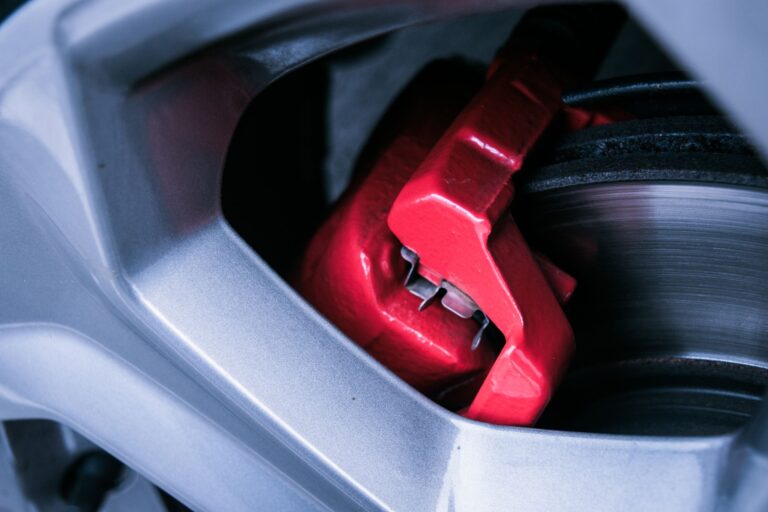
- Locate the wear sensor: It clips into one brake pad and routes to a connector on the inner wheel arch area.
- Disconnect at the connector first: Open the connector housing and unplug the old sensor. This prevents tugging on wiring.
- Unclip the sensor from the pad: It usually pulls out of the pad slot; don’t force it aggressively if it’s brittle.
- Install new pads (and discs if needed): If you’re not experienced, this is where many owners choose professional help—caliper bolts are torqued, and mistakes can be dangerous.
- Fit the new sensor: Clip it fully into the designated pad and route the cable exactly as factory to avoid rubbing.
- Reassemble and torque: Wheel bolts must be torqued to specification.
- Reset the brake service: Use iDrive/cluster service reset procedure, or ISTA. If the sensor circuit is still “open” because the wrong sensor was fitted or wiring is damaged, the reset won’t hold.
Common pitfalls to avoid
- Reusing the old sensor: If it has been worn through, it cannot be “reset.”
- Wrong routing: A dangling cable can get cut by the wheel or snag suspension components.
- Skipping disc inspection: New pads on badly worn discs can reduce braking performance and cause noise or vibration.
- Forgetting bedding-in: New pads (and especially discs) need gentle bedding-in for best performance and longevity.
6. Repair costs
Costs vary by country, labour rate, and whether you choose OEM parts, OEM-equivalent (e.g., Textar, Jurid, ATE), or budget aftermarket.
Typical European cost ranges (parts + labour)
- Front pads + sensor (F10 528i): €250–€450
- Rear pads + sensor: €220–€420
- Front pads + discs + sensor: €450–€850
- Rear pads + discs + sensor: €400–€800
What drives the price
- Labour rate: Independent specialists often charge less than main dealers.
- Disc condition: Replacing discs increases parts cost significantly.
- Pad type: Low-dust “ceramic-style” pads can cost more.
- Quality of parts: Very cheap sensors and pads can cause noise, uneven wear, or repeat warnings.
As a reference point, a BMW main dealer can be at the higher end, while a reputable independent BMW specialist is often mid-range with OEM-equivalent parts.
7. Prevention tips
You can’t prevent brake pads from wearing, but you can avoid premature sensor issues and surprises:
- Check brake life during tyre rotations: A quick visual inspection every 10,000–15,000 km helps.
- Avoid aggressive braking habits: Late, hard stops wear pads faster and can heat-stress discs.
- Keep wheels and arches clean in winter: Salt and grime can accelerate connector corrosion.
- Use quality parts: OEM or OEM-equivalent pads and sensors generally fit better and last predictably.
- Don’t ignore early warnings: Driving too long after the warning can damage discs, raising costs.
8. When to see a mechanic
Book a professional inspection if:
- The warning is red or accompanied by other braking alerts
- You hear grinding, feel vibration, or braking performance changes
- The warning persists after a reset or returns quickly (possible wiring fault)
- You’re unsure about safe lifting, torque specs, or brake assembly
- Your car has additional braking tech that may require careful handling (e.g., certain electronic parking brake setups on other models)
A BMW specialist with ISTA can quickly confirm whether the issue is genuine wear, a sensor circuit problem, or an installation fault from previous work.
9. Frequently Asked Questions
Frequently Asked Questions
Can I replace only the brake pad wear sensor on a BMW F10 528i?
You can, but it usually doesn’t make sense if the pads are near the limit. If the sensor has triggered due to pad wear, the pads are already low and should be replaced. Replacing only the sensor may lead to another warning soon and can risk disc damage.
Why won’t the brake service light reset after replacing pads and the sensor?
This often happens if the wrong sensor was installed, the connector isn’t fully seated, or the sensor wire is damaged. The car needs to see a correct, intact circuit before it will accept the reset. ISTA or a capable scan tool can confirm whether the module still detects a fault.
Which axle usually has the wear sensor on the F10?
Many BMWs use one sensor per axle rather than one per wheel, commonly on the front left and rear right, but it can vary by model year and brake setup. The best approach is to confirm by visual inspection and VIN-based parts information. Don’t assume based on another BMW you’ve owned.
Is it safe to drive with a brake pad wear warning?
If the warning has just appeared and braking feels normal, you can usually drive short distances cautiously to arrange repairs. However, continuing for too long can wear pads to metal and damage the discs, increasing costs and reducing safety. If you hear grinding or feel reduced braking, stop driving and have it checked.
Do I need to replace discs (rotors) every time I replace pads?
Not always. Discs should be measured for thickness and checked for heavy lipping, cracks, heat spots, or vibration issues. If they’re within spec and in good condition, pads alone can be fine, but many owners end up replacing discs due to wear patterns on higher-mileage cars.