1. Introduction
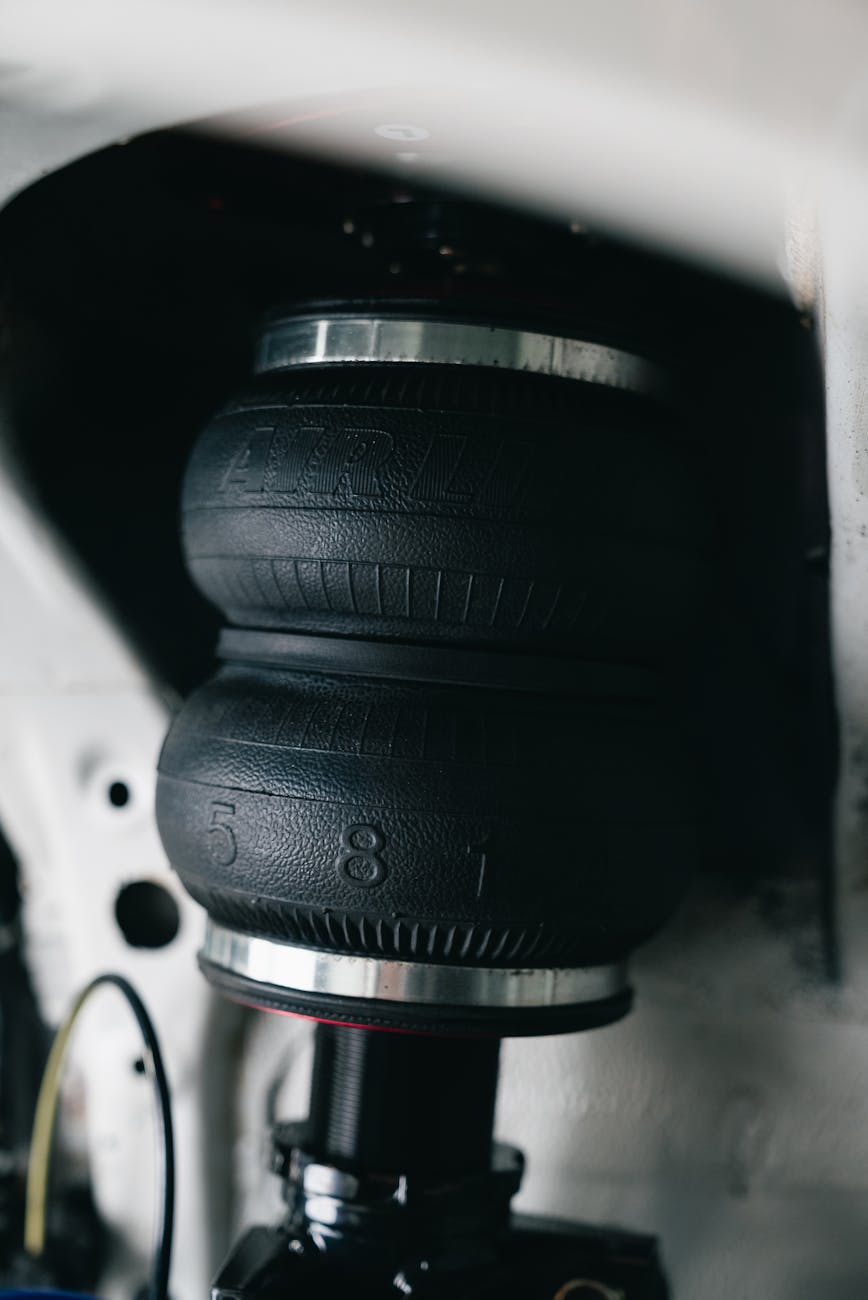
Air suspension is one of those features you don’t think about until it stops working. On the BMW E70 X5 (2007–2013), the rear (and on some versions, all-corner) air suspension relies on an electric compressor to generate pressure and keep the vehicle level under load. When the compressor starts to fail, the X5 can sit low at the back, struggle to self-level, or trigger suspension warnings—often at the worst time, like after parking overnight or loading luggage.
Recommended Tool: Professional OBD2 Scanner
Recommended Tool: Portable Jump Starter
Recommended Tool: Cooling System Diagnostic Tools
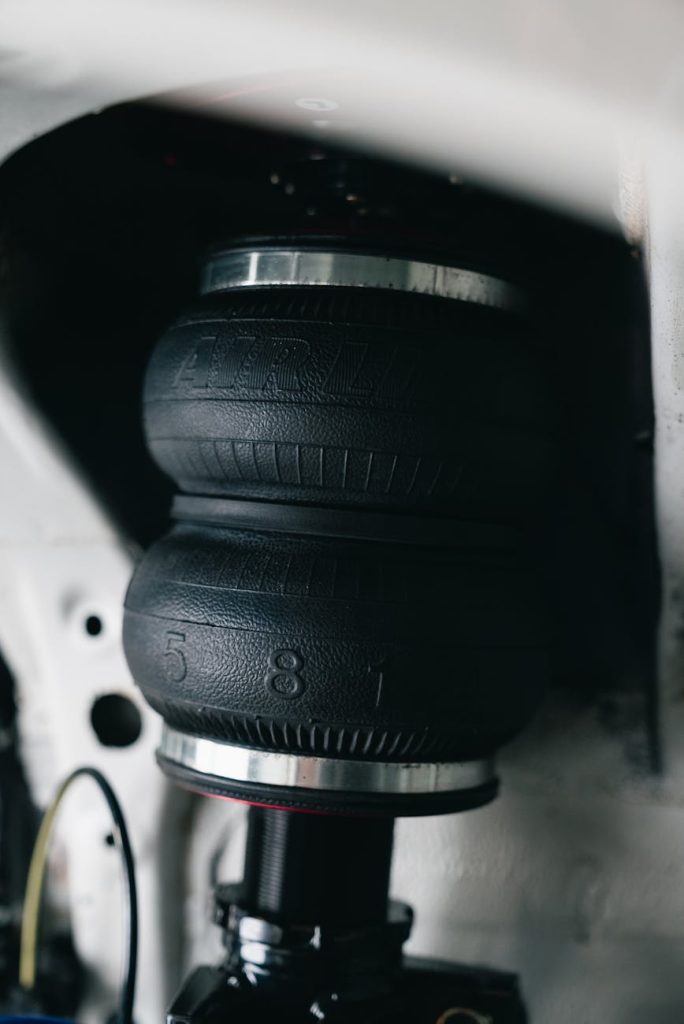
This guide is written for everyday European car owners—whether you drive a BMW, Mercedes, Audi, VW Group car, or a JLR product—because the diagnostic logic is similar across brands. We’ll focus on the E70 X5 compressor, but the same “is it the compressor or a leak?” question applies to Mercedes AIRMATIC (diagnosed with Xentry), Audi/VW air systems (ODIS), and Land Rover/Range Rover (SDD or Pathfinder).
🔧 Recommended Professional Tool
Cooling System Diagnostic ToolsProfessional coolant tester and infrared thermometer for accurate overheating diagnosis.
✔ Recommended by automotive technicians ✔ Suitable for BMW, Mercedes, VAG & JLR platforms ✔ Fast international shipping
2. Causes
A compressor rarely “just dies” without a reason. Common causes on the E70 include:
- Air leaks in rear air springs (air bags): The compressor runs harder and longer to compensate, overheating and wearing out.
- Leaking air lines or fittings: Small leaks can be hard to spot but have the same effect—excessive run time.
- Failed compressor relay: A sticking relay can keep the compressor running too long, or prevent it from running at all.
- Blocked or saturated dryer (desiccant): Moisture inside the system increases corrosion and can freeze in winter, stressing the compressor.
- Worn compressor piston/seals: Reduced output pressure leads to “runs but doesn’t lift” complaints.
- Electrical issues: Low battery voltage, corroded connectors, or wiring damage can cause intermittent operation or faults.
- Ride height sensor problems: Incorrect readings can make the system chase the wrong height and cycle excessively.
3. Symptoms
A failing E70 X5 air suspension compressor often gives early warnings before total failure. Look for:
- Rear of the vehicle sags overnight or after a few hours parked
- Compressor running frequently or for a long time after starting
- Suspension/level control warning on the dash (often “Self-level suspension inactive”)
- Vehicle leans to one side (can be a bag leak, line leak, or sensor issue)
- Slow raising after loading passengers or cargo
- Compressor noisy (louder than usual, rattly, or strained sound)
- In cold weather, intermittent operation due to moisture in the dryer/lines
- Fault codes stored in the suspension control module (BMW EHC on many setups)
4. How to diagnose
Diagnosis matters because many compressors are replaced unnecessarily when the real cause is a leak. Use a step-by-step approach.
Basic checks you can do at home
- Measure ride height at the rear wheel arches (left vs right) when parked, then re-check after several hours.
- Listen: after unlocking/starting, does the compressor run? If it runs for a long time and the car barely lifts, output may be weak or there’s a significant leak.
- Visual inspection:
- Look for cracks in the rubber bellows of the air springs.
- Check air lines for chafing or loose connections.
- Soapy water test (carefully): spray suspected areas (air spring folds, line fittings). Bubbles indicate leaks.
Using proper diagnostics (recommended)
For BMW, ISTA/D (or ISTA+) is ideal. Read faults from the EHC module and look at live data.
Key things to check in ISTA:
- Fault codes related to compressor run time, pressure build-up, or valve block performance
- Activation tests: command the compressor on and observe response
- Ride height sensor values: verify plausible readings and side-to-side consistency
If you own other brands, the equivalent tools and strategy apply:
- Mercedes: Xentry (AIRMATIC compressor duty cycle, pressure readings)
- Audi/VW: ODIS (compressor activation, system pressure, level sensor plausibility)
- JLR: SDD/Pathfinder (reservoir fill time, valve block tests)
Pinpointing compressor vs leak
A simple rule:
- If the car drops when parked: suspect a leak first (air spring, line, valve block).
- If the car doesn’t lift well even with the compressor running: compressor output may be weak, or the leak is large.
- If the compressor doesn’t run at all: check fuse, relay, wiring, and command signals before condemning the compressor.
A workshop may also perform a pressure test (monitoring how quickly pressure rises and how quickly it bleeds down), which is the most reliable way to confirm the root cause.
5. How to fix
The correct repair depends on what testing shows.
If the compressor has failed (common outcomes)
- Replace the compressor assembly (often includes dryer depending on brand/kit).
- Replace the compressor relay if it shows signs of sticking or overheating—cheap insurance.
- Clear faults and perform the ride height calibration with ISTA after repair.
If there’s a leak (often the real cause)
- Replace leaking rear air springs (many owners replace both sides together due to similar age/wear).
- Repair/replace damaged air lines and seals.
- If leakage points to the valve block, replace seals or the valve block assembly.
If moisture is the issue
- Replace or rebuild the dryer (desiccant). Moisture can shorten compressor life and cause winter faults.
- Check for water ingress paths and ensure correct routing and protection.
Electrical fixes
- Verify battery health and charging system. Low voltage causes false faults and weak compressor performance.
- Inspect compressor connector pins and ground points for corrosion.
After any repair, confirm:
- The vehicle reaches target height quickly.
- It holds height overnight.
- Compressor run time is normal (not constantly cycling).
6. Repair costs
Costs vary by country and labor rates, but these ranges are realistic for Europe (parts + labor):
- Compressor replacement (OEM-quality): €700–€1,400
- Parts typically €400–€900, labor 1.5–3.0 hours.
- Compressor relay/fuse/wiring repair: €80–€250
- Often overlooked, and can prevent repeat failures.
- Rear air spring replacement (one side): €450–€900
- Parts €200–€500, labor 1.0–2.0 hours. Many shops recommend doing both sides: €800–€1,600.
- Air line repair or fitting reseal: €150–€400
- Depends heavily on access and location of the leak.
- Valve block replacement: €350–€900
- Parts €200–€600, labor 1.0–2.0 hours.
- Diagnostics and calibration (ISTA): €80–€200
- Often charged as a separate line item, but worth it to avoid misdiagnosis.
7. Prevention tips
You can extend compressor life with a few practical habits:
- Don’t ignore minor sagging: small leaks lead to compressor overwork and early failure.
- Avoid repeated height cycling (where applicable): constantly loading/unloading and forcing leveling can increase duty cycle.
- Keep the battery healthy: low voltage stresses electric compressors and control modules.
- Rinse winter salt from underbody areas: corrosion can affect lines, fittings, and electrical connectors.
- If you tow or carry heavy loads often, consider proactive air spring replacement at higher mileage if cracking is visible.
8. When to see a mechanic
See a qualified workshop if:
- The suspension warning appears and the vehicle stays low or handles poorly.
- The compressor runs continuously or becomes unusually loud (risk of overheating and electrical damage).
- The car leans significantly—this can affect braking and stability systems.
- You need ISTA-guided tests and calibration, or you suspect valve block/sensor issues.
- You’re unsure whether the fault is pneumatic (leak) or electrical—misdiagnosis can get expensive quickly.
A BMW specialist with ISTA experience can often diagnose the true cause in one visit, while a general shop may replace parts by guesswork.
9. Frequently Asked Questions
Can I keep driving my BMW E70 X5 with a failing air suspension compressor?
You can sometimes drive short distances, but handling and braking balance may be affected if the rear sags or the car leans. Continued driving can also overheat the compressor or damage the relay and wiring. If the suspension warning is active and ride height is abnormal, treat it as urgent.
How do I know if it’s the compressor or a leaking air spring?
If the rear drops while parked, that strongly suggests a leak in an air spring, line, or valve block. If the compressor runs but the car rises very slowly or not at all, the compressor may be weak or the leak may be severe. A scan with ISTA plus a leak check with soapy water usually gives a clear answer.
Do I need to replace both rear air springs if only one is leaking?
It’s not mandatory, but it’s often sensible because both sides are typically the same age and condition. Replacing one side can leave the other to fail soon after, doubling labor and downtime. Many owners choose to replace both to restore balanced performance.
Will a compressor replacement fix the problem if there’s also a leak?
Not for long. A leak makes the compressor run more often and can quickly wear out the new unit. The best repair is to fix leaks first (or at the same time) and then ensure the compressor isn’t being overworked.
Is calibration required after compressor or air spring replacement?
Usually yes, especially if any sensors were disturbed or if the system has stored height-related faults. ISTA can run the ride height calibration procedure and confirm that sensor readings match actual vehicle height. Correct calibration helps prevent repeated cycling and uneven stance.