1. Introduction
Rear suspension bushings rarely get the attention they deserve—until they start affecting comfort, tyre wear, and stability. On the BMW E60 525i (2003–2010), one of the most common wear items in the rear end is the rear trailing arm bushing (often called the rear track control arm bushing or trailing arm bush, depending on parts catalog wording). This rubber-and-metal joint helps locate the rear wheel under acceleration, braking, and cornering while isolating noise and vibration.
Recommended Tool: Professional OBD2 Scanner
Recommended Tool: OEM Suspension Components
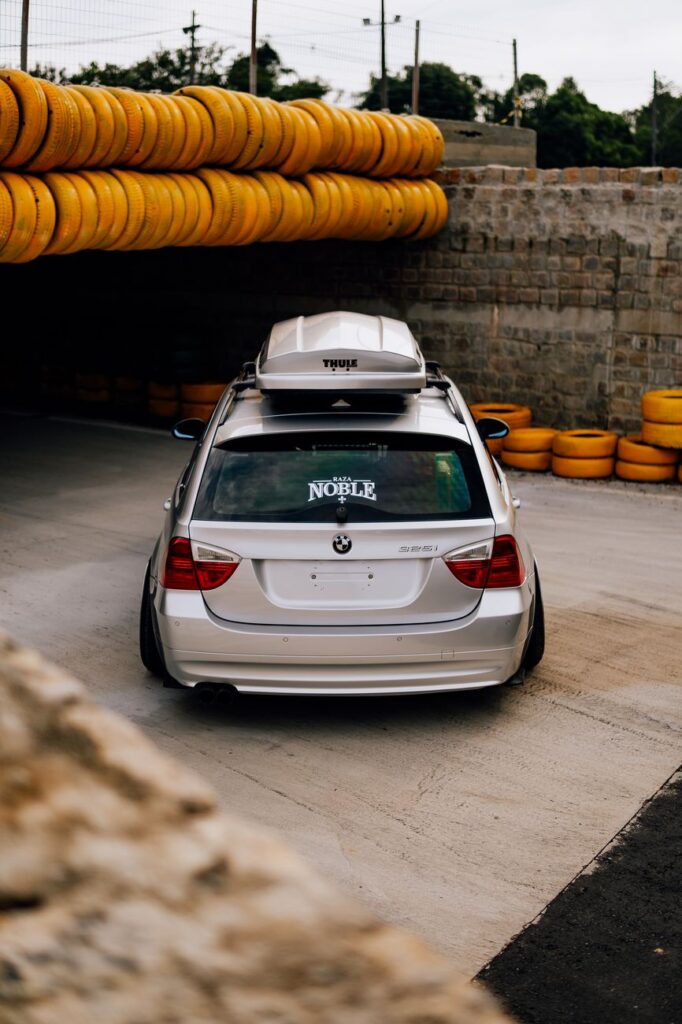
For everyday European car owners—whether you drive a BMW, Mercedes, Audi, VW Group car, or a Jaguar/Land Rover—this is a familiar story: modern multi-link rear suspensions ride beautifully, but they rely on multiple bushings that age with mileage and time. In the E60 525i, worn trailing arm bushings can quietly undermine the car’s “tight” feel long before anything clunks loudly. The good news is diagnosis is straightforward, repair options range from OEM comfort to upgraded durability, and fixing it restores that confident motorway stability the E60 is known for.
Recommended Tool: Professional OBD2 Scanner
2. Causes
Rear trailing arm bushings wear from a mix of normal aging and the way European roads and driving conditions load the suspension.
Common causes include:
- Age and heat cycling: Rubber hardens and cracks over time, even on low-mileage cars.
- High mileage and heavy loads: Regular passengers, luggage, towing (where applicable), or frequent motorway driving increases bushing stress.
- Potholes and kerb impacts: Sharp hits can tear the rubber or deform the bushing sleeve.
- Oil contamination: Leaks from the differential area or nearby components can soften and degrade rubber.
- Wheel and tyre changes: Larger wheels/low-profile tyres (common aftermarket upgrade) transmit more impact into bushings.
- Misalignment left unresolved: If the rear alignment is off, the bushing can be constantly twisted beyond its design range.
3. Symptoms
Worn trailing arm bushings often show up as “vague” handling rather than dramatic noises. Pay attention to changes in stability and tyre behavior.
Typical symptoms:
- Rear-end steer sensation: The car feels like it subtly “steers” from the rear during lane changes.
- Instability under braking: Rear feels unsettled or slightly wiggly when braking from higher speeds.
- Clunks or dull thuds over bumps: Especially from the rear quarter on uneven city streets.
- Uneven rear tyre wear: Inner edge wear or feathering, often despite good tyre pressure.
- Wandering on motorways: Requires more small steering corrections than before.
- Reduced traction feel on wet roads: Because the rear wheel can shift slightly under load.
These symptoms can overlap with other issues (rear ball joints, upper control arm bushings, subframe bushings, or dampers), so diagnosis matters before buying parts.
4. How to diagnose
You can do a useful first check at home, then confirm with a proper inspection. If you’re comparing across brands: similar checks apply to Mercedes multi-link (often diagnosed with Xentry-guided test plans), VAG platforms (ODIS), and JLR (SDD/Pathfinder), but the physical signs are universal.
Basic driveway checks
- Visual tyre inspection: Look for uneven wear patterns on the rear tyres, especially inner shoulders.
- Bounce and listen: Push down on the rear corners; while this is more about dampers, note any abnormal dull knocks.
- Road test clues: On a safe road, note whether the rear feels loose during quick lane changes or braking transitions.
Workshop-level checks (recommended)
- Lift inspection with the suspension unloaded and then loaded: A good tech will check both states, because some bushing play shows up only when the arm is at ride height.
- Pry-bar test: Controlled leverage on the trailing arm near the bushing to reveal excess movement or torn rubber.
- Check for cracking, separation, or fluid leakage: Some bush designs show clear splits around the rubber-to-metal bond.
- Alignment readings: Excess rear toe changes or inability to hold alignment can point to bushing compliance.
- BMW diagnostics (ISTA): ISTA won’t “detect” a worn bushing directly, but it helps rule out related faults (wheel speed sensor issues affecting DSC, ride height sensor plausibility where fitted, etc.) and supports a structured road test/complaint verification.
If you feel a rear stability issue, also ask the shop to inspect rear ball joints and control arms—replacing only one worn link can leave the car still feeling off.
5. How to fix
Fixing a trailing arm bushing is a mechanical job, but understanding the options helps you choose the right balance of comfort and longevity.
Option A: OEM-style rubber bushing (factory feel)
- Best for daily driving and comfort.
- Restores original compliance and noise isolation.
- Ideal if you value the E60’s refined ride and do mostly urban/motorway miles.
Option B: Upgraded rubber (heavy-duty/OE+)
- Some brands offer improved rubber compounds or reinforced designs.
- Keeps near-OEM comfort while improving lifespan, especially on rough roads.
Option C: Polyurethane bushing (handling-focused upgrade)
- Sharper rear response and less compliance under load.
- Can add noise/vibration and sometimes squeaks if not lubricated correctly.
- Better suited to enthusiastic driving or if you run larger wheels and want stability.
Key installation notes (important for owners)
- Pressing tools matter: The bushing is typically pressed in/out; incorrect tools can damage the arm.
- Torque at ride height: Many suspension bushings must be torqued with the suspension at normal ride height to prevent pre-loading and early failure.
- Alignment after repair: A rear alignment is strongly recommended after bushing replacement to protect tyres and restore stability.
On the E60 525i, expect the job to involve removing the relevant rear arm(s), pressing bushings, and then aligning the rear axle.
6. Repair costs
Costs vary by country, labor rates, and whether you replace one side or both. For suspension bushings, replacing both sides is usually best because wear is often similar and it keeps handling balanced.
Typical European cost ranges (parts + labor):
- OEM-style rubber bushings (pair): €250–€550 total
- OE+ heavy-duty rubber (pair): €300–€650 total
- Polyurethane upgrade (pair): €350–€750 total (can rise if additional fitting time is needed)
Add-on costs:
- Rear alignment: €90–€180
- If arms are replaced instead of pressing bushings: €450–€900 total is common, depending on brand and whether additional links are renewed.
Prices can climb if fasteners are seized or if multiple rear links are worn (common on cars with higher mileage).
7. Prevention tips
You can’t stop rubber from aging, but you can slow wear and catch problems before they destroy tyres.
- Keep tyres properly inflated and rotate when appropriate (where tyre sizes allow).
- Avoid kerb strikes and take potholes slowly; impacts are bushing killers.
- Fix alignment promptly if you notice steering corrections or uneven tyre wear.
- Address leaks near the rear end (diff or axle area) so rubber isn’t exposed to oil.
- Inspect the rear suspension annually (or at every service) once the car passes ~120,000–160,000 km.
- Match tyre quality across the axle: Mixed cheap tyres can increase instability and mask suspension wear.
8. When to see a mechanic
Book a professional inspection if any of the following apply:
- The rear feels unstable during braking or quick direction changes.
- You notice uneven rear tyre wear or you’re replacing tyres more often than expected.
- There are recurring rear clunks and you’ve ruled out loose boot items.
- An alignment shop cannot set rear toe correctly or it won’t “hold” after adjustment.
- You’re planning a long motorway trip and want confidence in high-speed stability.
A competent independent specialist will quickly confirm whether the trailing arm bushing is the main cause or one part of broader rear suspension wear.
9. Frequently Asked Questions
Frequently Asked Questions
How long do BMW E60 525i rear trailing arm bushings last?
Many last around 120,000–200,000 km, but age, road quality, and wheel/tyre setup can shorten that. Cars driven on rough urban roads often see earlier wear. If your E60 is older but low mileage, the rubber can still crack from time alone.
Can I drive with worn trailing arm bushings, or is it dangerous?
You can often drive short-term, but stability and braking confidence can degrade, especially in wet conditions. Tyres may wear quickly and unevenly, which increases cost and reduces grip. If the rear feels like it “moves” during lane changes, don’t delay the repair.
Do I need to replace both sides at the same time?
Replacing both sides is strongly recommended because wear is usually similar and balanced handling matters. If only one side is replaced, the car may still feel unsettled. Doing both also saves labor compared with returning later for the second side.
Is polyurethane worth it for a daily-driven E60 525i?
Poly can improve rear stability and responsiveness, but it may add noise and vibration compared with OEM rubber. For most daily drivers, OE or OE+ rubber is the best comfort-to-durability balance. Poly makes more sense if you prioritize handling, run larger wheels, or drive enthusiastically.
Will replacing trailing arm bushings fix uneven rear tyre wear?
If the bushing wear is allowing rear toe changes, replacement can absolutely help. However, you still need a proper alignment afterward, and other worn rear links can contribute to tyre wear. A full rear suspension inspection is the best way to avoid replacing parts twice.