1. Introduction
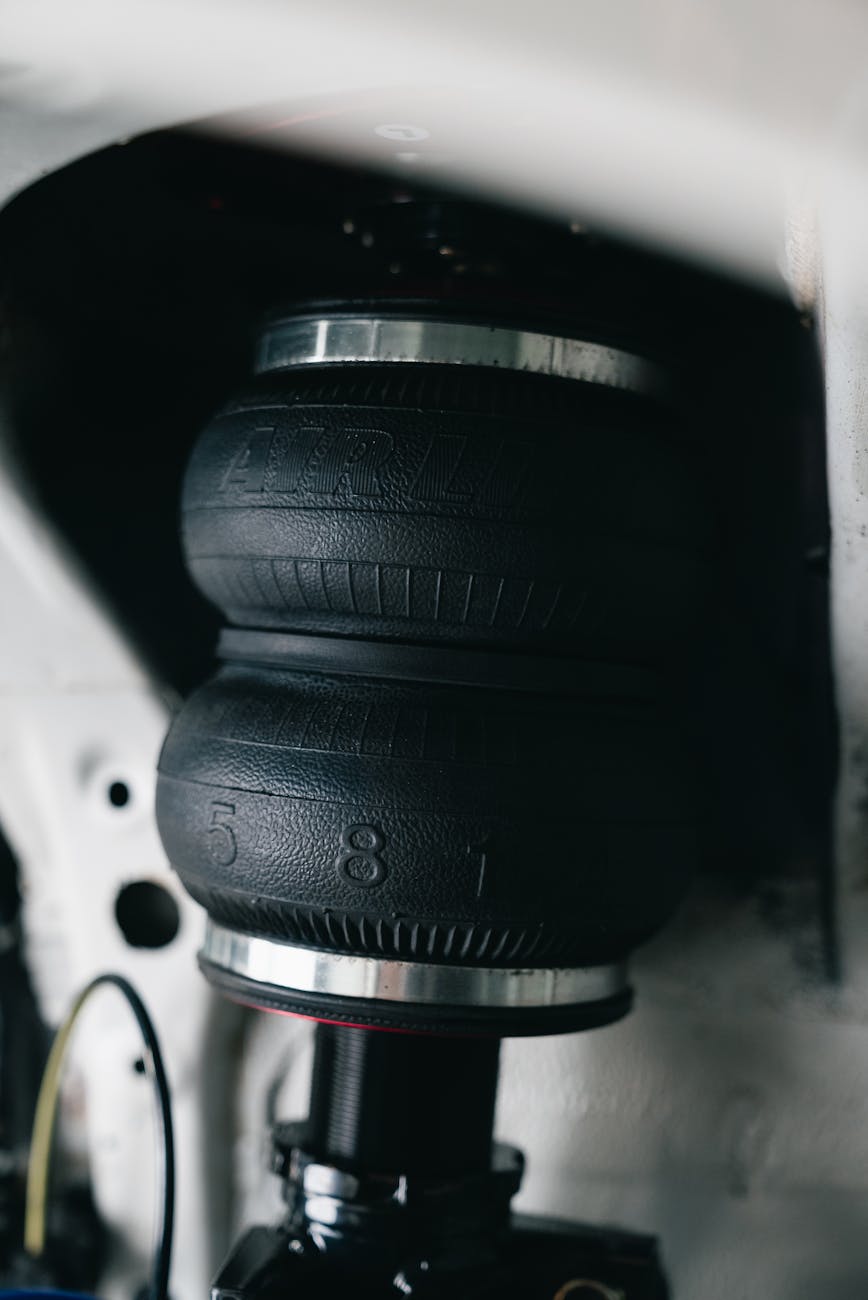
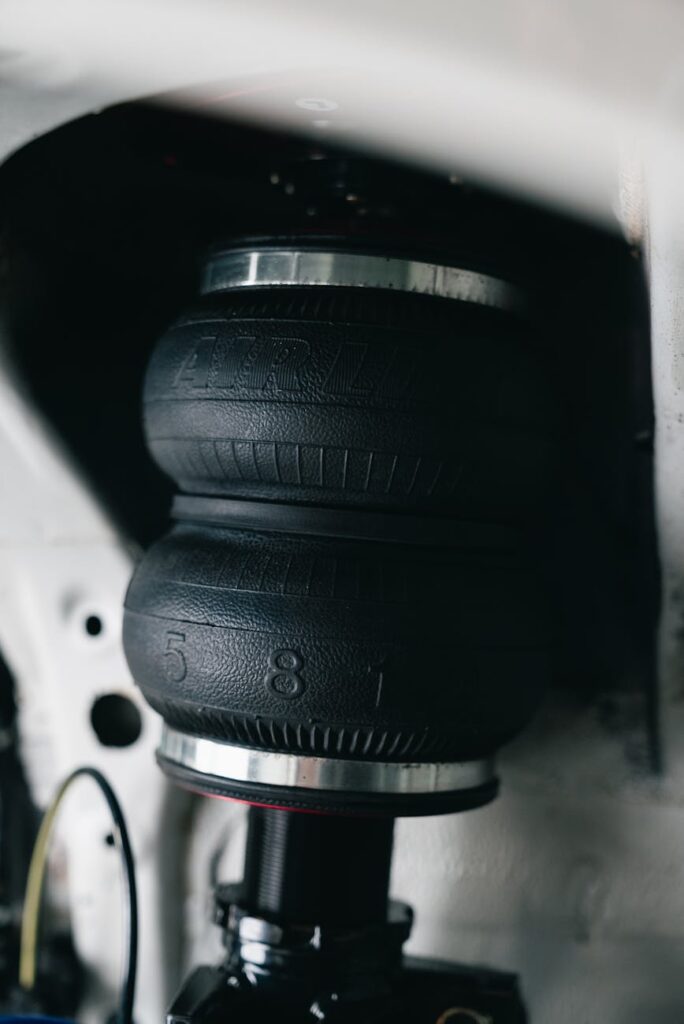
An air suspension system is one of the features that makes executive cars feel special: it keeps the ride smooth, maintains correct ride height, and can automatically level the car under load. On the Audi A8 D4 (2010–2017), that comfort depends heavily on a small but critical component: the air suspension control module (often referred to as the J197 level control module, depending on documentation). When the module develops a fault, the car can sit too low or too high, throw warning messages, or disable height adjustments entirely.
Recommended Tool: Professional OBD2 Scanner
Recommended Tool: Portable Jump Starter
Recommended Tool: OEM Suspension Components
This article is for everyday European car owners—especially those familiar with Audi/VW Group diagnostics—who want to understand what a control module fault means, why it happens, how it’s diagnosed, and what realistic repair options and costs look like.
🔧 Recommended Professional Tool
Automotive Battery TesterCheck battery health and charging system performance with precision.
✔ Recommended by automotive technicians ✔ Suitable for BMW, Mercedes, VAG & JLR platforms ✔ Fast international shipping
2. Causes
A control module fault doesn’t always mean the module itself is “dead.” On the A8 D4, the module can set faults due to power supply issues, communication errors, sensor problems, moisture, or internal failure. Common causes include:
- Low battery voltage or unstable power supply
- A weak battery, failing alternator, or repeated jump starts can trigger module undervoltage events and corrupted fault states.
- Water ingress / moisture damage
- Blocked body drains, water in the cabin, or dampness near wiring and modules can cause intermittent CAN communication errors and corrosion.
- Wiring or connector problems
- Loose connectors, damaged insulation, or pin corrosion between the module, height sensors, compressor relay, and valve block.
- Faulty ride height sensor(s)
- A failing level sensor can cause implausible signals that the module interprets as system failure.
- Compressor overrun leading to protective shutdown
- If the compressor runs too long (leak in a strut/line, tired compressor, blocked dryer), the module may log faults and limit operation.
- Valve block issues
- Sticking valves or internal leaks can look like a module problem because the car won’t hold height even when commanded.
- Software issues / coding mismatches
- After battery replacement, module swap, or previous incorrect coding, the system may behave erratically until properly coded and calibrated.
- Genuine internal module failure
- Less common than people think, but possible—especially after voltage spikes or prolonged moisture exposure.
3. Symptoms
Owners typically notice problems in day-to-day use before a full failure. Symptoms can vary depending on whether the issue is electrical, pneumatic (leaks), or communication-related:
- Dashboard warning message such as suspension fault, level control malfunction, or “vehicle too low”
- Car stuck at one ride height (won’t raise/lower) or goes into a limited mode
- Uneven ride height (one corner low after parking overnight)
- Compressor running frequently or running longer than normal
- Ride becomes harsh if the system disables adjustments or compensates incorrectly
- Intermittent faults that clear after restarting, then return
- Headlight leveling issues (related systems may share sensor data, depending on configuration)
If you also notice the car dropping on one corner after a few hours, that often points more toward an air leak than a purely electronic module failure.
4. How to diagnose
Proper diagnosis is the difference between a sensible fix and buying expensive parts you don’t need. For Audi/VW Group cars like the A8 D4, the most relevant factory-level diagnostic environment is ODIS. Many good independent workshops will use ODIS or a capable equivalent scan tool, but ODIS tends to provide clearer guided functions and calibrations.
Step-by-step checks (practical approach)
1) Scan for fault codes
- Use ODIS to scan the level control / air suspension module and related systems.
- Note whether codes indicate:
- Undervoltage/overvoltage
- CAN communication errors
- Implausible level sensor signal
- Compressor runtime exceeded
- Valve block electrical faults
2) Check battery health and charging
- Measure battery voltage after sitting and while running.
- If the A8 has frequent undervoltage codes, do a battery test and confirm the charging system is healthy before chasing suspension parts.
3) Look at live data
In ODIS, check:
- Ride height sensor readings at each corner (do they change smoothly when the car moves?)
- System pressure (if displayed)
- Compressor activation requests vs. actual operation
4) Perform a leak check
- If the car sinks overnight, suspect leaks in:
- Air struts (common as they age)
- Air lines and fittings
- Valve block
- A workshop may use soapy water or a smoke/pressure test depending on access.
5) Inspect connectors and module area
- Check for moisture, corrosion, or damaged wiring near the control module location and along suspension harness routes.
- Any green corrosion on pins is a major clue—cleaning may not be enough if the metal is pitted.
6) Run basic settings / calibration
- After certain repairs or if readings are implausible, the system may require ride height calibration (basic settings) through ODIS.
- If calibration fails repeatedly, that points to sensor/wiring/module issues rather than air leaks alone.
5. How to fix
The “fix” depends on what the diagnosis shows. The most reliable repairs address root causes rather than symptoms.
If the problem is undervoltage or power-related
- Replace an aging battery with the correct type/spec and ensure it is registered/coded where required.
- Repair charging faults (alternator, wiring).
- Clear codes and re-test with live data.
If there’s water ingress or corrosion
- Find and resolve the water source (blocked drains, seals).
- Repair wiring properly (not just twisting wires together).
- Replace affected connectors or pins if corrosion is severe.
If a height sensor is faulty
- Replace the affected level sensor and check the linkage isn’t bent or seized.
- Perform ride height calibration using ODIS after replacement.
If compressor runtime is excessive
- Don’t replace the control module first. Confirm whether:
- A strut is leaking
- The compressor is weak
- The dryer is saturated/restricted
- Replace the compressor and dryer if worn, but only after confirming the system doesn’t have a major leak that would kill the new compressor.
If the valve block is sticking/leaking
- Replace or rebuild the valve block (depending on availability and workshop preference).
- Re-test for holding pressure and stable ride height.
If the control module itself has failed
- Replace with an OE-quality unit.
- Coding/adaptation is usually required; plan for ODIS coding and basic settings.
- Avoid used modules unless you’re sure they can be matched and coded correctly—some setups can be picky, and a mismatch can create new faults.
6. Repair costs
Costs vary widely by country, labor rate, and whether you use Audi main dealer or a specialist. As a realistic guide (parts + labor):
- Battery replacement (correct AGM/EFB spec) + coding (if required): €250–€500
- Ride height sensor replacement + calibration: €200–€450 per sensor
- Wiring repair (minor) / connector repair: €120–€400
- Air compressor + dryer (if needed): €600–€1,400
- Valve block replacement: €500–€1,200
- Air strut (single corner): €900–€2,000 (front often higher than rear)
- Air suspension control module replacement + coding/calibration: €700–€1,500
If multiple components are worn (for example, a leaking strut has overworked the compressor), the total can climb quickly. A proper diagnosis can save you from replacing a module when the real issue is a leak or low voltage.
7. Prevention tips
Air suspension can be reliable, but it rewards basic care:
- Keep the battery healthy: weak voltage causes cascading electrical faults across many modules.
- Address slow sinking early: a small leak today can destroy a compressor later.
- Avoid repeated “lift mode” cycling if the system is already struggling—constant height changes increase demand.
- Keep drains clear to reduce water intrusion risks (especially if you park under trees).
- Use correct jacking/lift procedures: incorrect lifting can strain sensor linkages and air lines.
8. When to see a mechanic
See a qualified Audi/VW specialist (or dealer) if:
- The car drops noticeably on one corner or becomes unsafe to drive.
- The compressor runs excessively or you hear unusual noises from it.
- Warning messages persist after a healthy battery is confirmed.
- Calibration/basic settings won’t complete in ODIS.
- You suspect water ingress or significant corrosion—these can become electrical nightmares if ignored.
A workshop with ODIS and experience on D4 A8 air suspension will typically diagnose faster and avoid unnecessary parts.
9. Frequently Asked Questions
Frequently Asked Questions
Can I drive my Audi A8 D4 with an air suspension control module fault?
It depends on the fault and how the car is sitting. If the car is at normal height and handling feels stable, short careful driving may be possible, but the system could change behavior suddenly. If the car is very low, uneven, or the ride feels unstable, don’t drive it.
Does a control module fault always mean the module needs replacing?
No—many “module” faults are triggered by low voltage, moisture, wiring issues, or bad height sensor signals. A proper scan with ODIS and checking live data can often pinpoint the true cause. Replacing the module without diagnosis can waste money.
Why does my A8 drop overnight but drives fine after it starts?
Overnight dropping is more commonly caused by an air leak in a strut, line, or the valve block, rather than a software issue. When you start the car, the compressor may refill the system and mask the leak temporarily. A leak test is the right next step.
Will a used air suspension control module work if I code it?
Sometimes, but it’s not guaranteed. Used modules can have incompatible part numbers, outdated software, or internal damage, and coding may not resolve underlying issues. Many owners end up paying twice if the used module doesn’t behave correctly.
What’s the most cost-effective first check before replacing parts?
Start with a full fault code scan and verify battery/charging health, because undervoltage can create misleading suspension faults. Then review live sensor values and compressor runtime data in ODIS. This approach helps avoid replacing expensive components unnecessarily.