1. Introduction
If your Audi A3 8V 1.8 TFSI feels bouncy at the back, sits unevenly, or “thuds” over bumps, the rear shock absorbers may be wearing out earlier than expected. This is more common than many owners think—especially on European roads with potholes, speed humps, and rough surfaces—and it can happen well before the mileage you’d normally associate with worn suspension.
Recommended Tool: Professional OBD2 Scanner
Recommended Tool: OEM Suspension Components
Recommended Tool: Transmission Diagnostic Tools
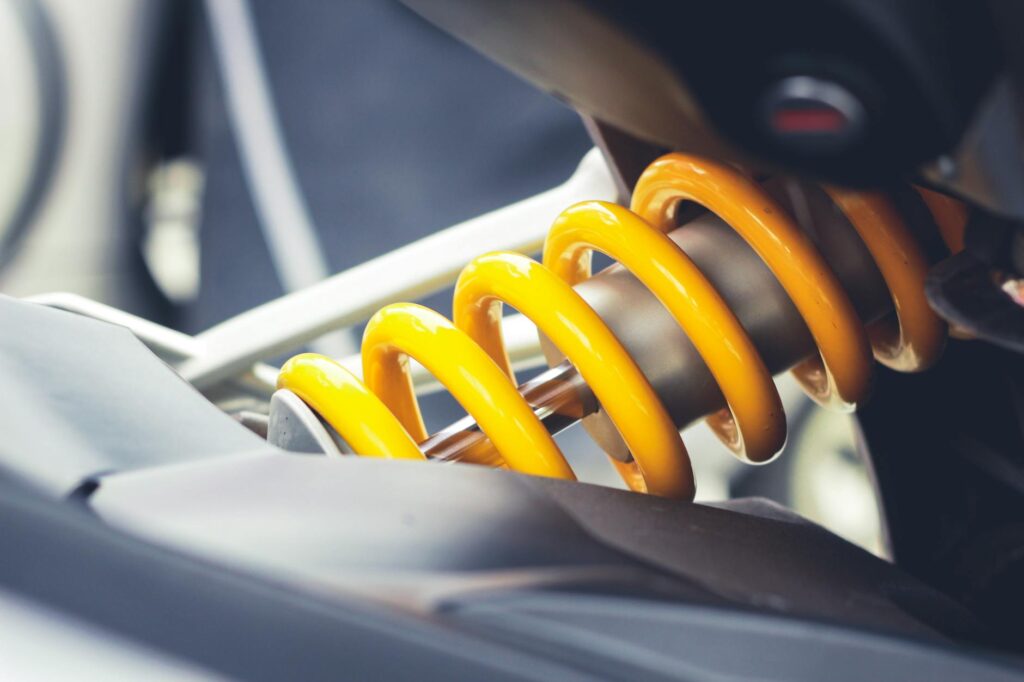
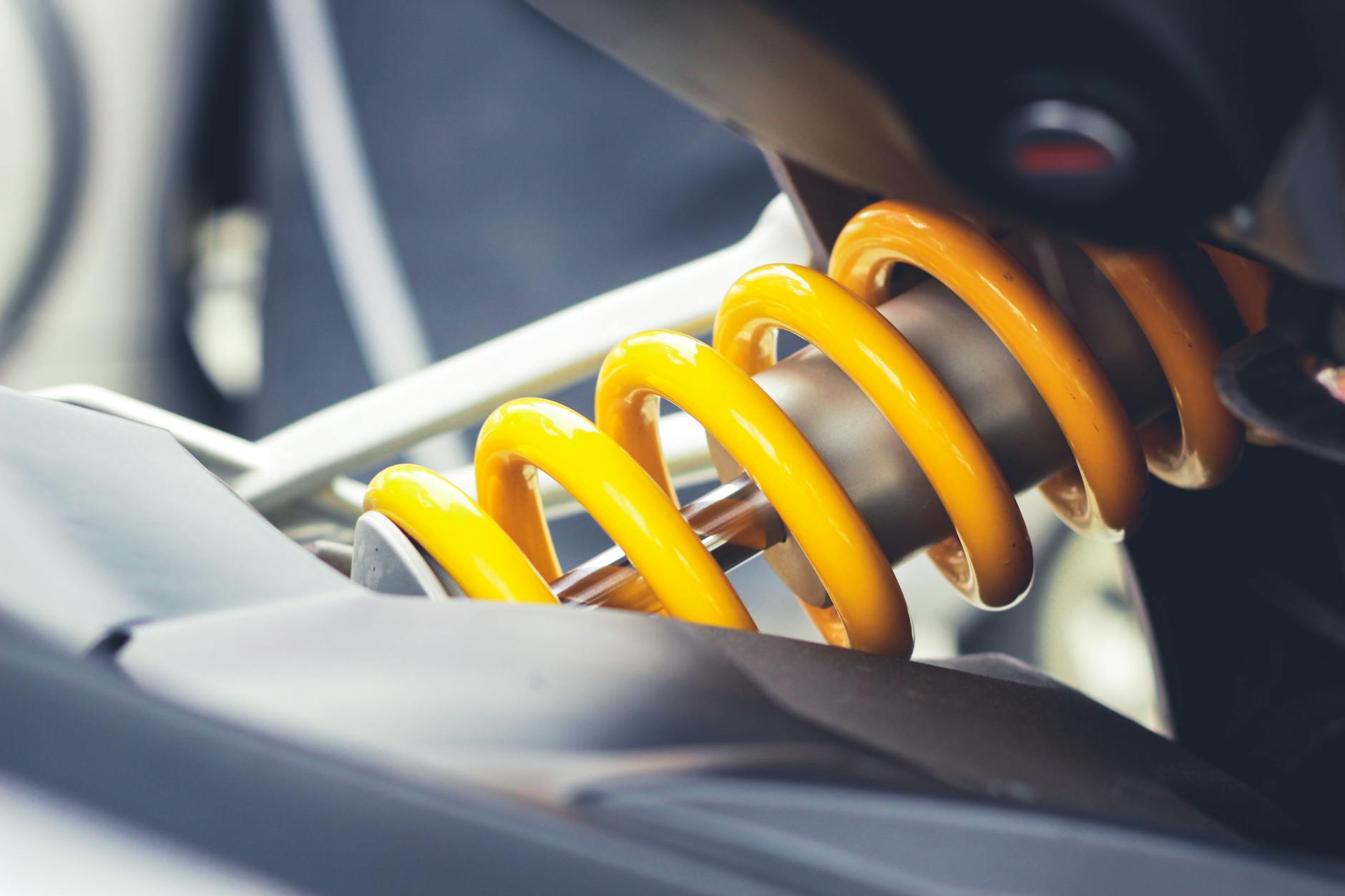
On the A3 8V (including related VW Group platforms), rear shocks are a comfort-and-control component: they don’t carry the vehicle weight like springs do, but they control how the spring moves. When they lose damping, the car can become less stable, less comfortable, and harder on tyres. The good news is that diagnosis is usually straightforward and the repair isn’t typically as costly as major drivetrain work like a DSG (DQ200/DQ250) service or an EA888 timing job.
🔧 Recommended Professional Tool
EA888 Engine Diagnostic ToolsEssential tools for EA888 engine diagnostics
✔ Recommended by automotive technicians ✔ Suitable for BMW, Mercedes, VAG & JLR platforms ✔ Fast international shipping
2. Causes
Premature rear shock absorber wear on the Audi A3 8V 1.8 TFSI is usually a mix of environment, driving conditions, and age-related degradation rather than a single “design flaw.” Common causes include:
-
Rough road exposure and frequent sharp impacts
Potholes, broken tarmac edges, and repeated speed hump impacts accelerate internal seal wear and can damage shock valves. -
Oil seal degradation (age + contamination)
Even with modest mileage, seals can harden over time. Road grit and salt can damage the piston rod surface, leading to leaks. -
Corrosion on the shock body or piston rod
In wet or coastal climates, corrosion can pit the rod; once the rod surface is compromised, it tears seals and causes fluid loss. -
Worn top mounts/bushings causing side loading
If rear shock mounts or rear axle bushings are worn, the shock can be forced to work at a slight angle, increasing internal wear. -
Incorrect tyre pressures or heavy rear loads
Regularly carrying heavy loads, towing, or driving with low tyre pressures makes the suspension cycle more aggressively, building heat and wear. -
Aftermarket springs or incorrect ride height
Lowering springs without matched dampers can cause the shock to operate outside its ideal range, shortening life.
3. Symptoms
Rear shock wear can creep in gradually, so owners often adapt to the change without realizing. Look for:
- Bouncing or “floaty” rear end after dips or over undulating roads
- Knocking/clunking noises from the rear over small bumps (may also be mounts or anti-roll bar links)
- Rear-end instability at motorway speeds, especially in crosswinds
- Increased tyre wear, often cupping/scalloping on the rear tyres
- Longer stopping distance feeling on uneven roads as the rear unloads and reloads
- Visible oil misting or wetness on the shock body (a strong sign of failure)
- Rear squat or poor control when accelerating away on rough surfaces
4. How to diagnose
You don’t need to be a mechanic to do useful checks, but it helps to be methodical.
Basic at-home checks
- Visual inspection (wheel-off is best, but not essential):
Look behind the rear wheel for oil streaks on the shock body. A slightly dusty film is normal; wet oil running down is not. - Bounce test (limited but still helpful):
Push down firmly on the rear corner and release. If it rebounds and continues to oscillate, damping is weak. Note: modern suspensions can “mask” this, so don’t rely on it alone. - Listen and compare:
Drive slowly over a rough car park surface. A dull thud can be shock wear, but a sharper knock can be a mount or link.
Workshop-style confirmation
A good independent workshop will typically:
- Inspect shock mounts, bump stops, and dust boots for splits or collapse.
- Check for rear spring breakage (a broken coil can mimic damping issues).
- Look for uneven ride height side-to-side.
- Road test to reproduce the behavior over known bumps.
Using diagnostic tools (where relevant)
Rear shocks on many A3 8V trims are passive, so tools like ODIS won’t “diagnose a bad shock” directly. However, ODIS can still help by:
- Checking for ABS/ESC fault codes that may appear if wheel contact is inconsistent on rough roads.
- Reviewing live wheel speed signals during a road test if instability is reported.
If the car is equipped with adaptive damping (depending on market/trim), then ODIS can be more relevant for checking related control module faults—but for most 1.8 TFSI setups, physical inspection remains the key.
5. How to fix
Fixing premature rear shock wear is usually straightforward, but the best repair depends on what else is worn.
Replace rear shocks in pairs
Always replace both rear shocks at the same time. Even if only one is visibly leaking, the other is typically not far behind, and mismatched damping can affect stability.
Consider replacing related components
Depending on condition and mileage, it’s smart to inspect and potentially replace:
- Rear shock top mounts/bushings (prevents knocks and side loading)
- Bump stops and dust boots (protects the new shock rod and seals)
- Rear anti-roll bar links if there’s persistent knocking
Choose the right parts quality
- OEM or OEM-equivalent dampers usually restore factory comfort and control.
- If you drive on poor roads, consider heavy-duty or “comfort + control” focused alternatives from reputable brands rather than the cheapest option.
- If you have lowering springs, use matched dampers designed for that ride height.
Alignment and final checks
Rear shock replacement doesn’t always require a full alignment, but it’s still wise to:
- Check rear tyre condition and pressures
- Inspect rear suspension bushings
- Road test for noise and stability
If tyres show cupping, the improvement may be limited until tyres are replaced.
6. Repair costs
Prices vary by country and labour rate, but these are realistic European ranges for an Audi A3 8V:
- Rear shock absorbers (pair), OEM/OE quality: €180–€420
- Top mounts/bushings (pair, if needed): €40–€120
- Bump stops + dust boots (pair, if needed): €30–€90
- Labour (both rear shocks): €180–€350 (typically 1.5–3.0 hours)
Typical total (shocks only): €360–€750
Typical total (shocks + mounts + boots): €450–€950
If additional parts are worn (anti-roll bar links, bushings, tyres), costs can rise accordingly. Dealer pricing can exceed these ranges, while a good independent VAG specialist may come in lower.
7. Prevention tips
You can’t eliminate wear, but you can slow it down and avoid repeat failures:
- Slow down for potholes and sharp speed humps; the impact energy is what kills dampers early.
- Keep tyres correctly inflated (check monthly); underinflation increases suspension movement and heat.
- Wash the underside in winter to reduce salt buildup and corrosion on shock bodies.
- Avoid overloading the rear for long periods; distribute cargo and respect load limits.
- Fix knocks early—a worn mount or link can accelerate shock wear through abnormal movement.
8. When to see a mechanic
Book an inspection soon if you notice any of the following:
- Visible oil leakage on the rear shocks
- Repeated knocking/clunking from the rear suspension
- Rear instability at speed or during lane changes
- Uneven rear tyre wear or cupping
- The car feels unsafe in wet conditions or on bumpy braking zones
A workshop can quickly confirm whether it’s the shocks, mounts, or another rear suspension component—and prevent tyre damage and compromised handling.
9. Frequently Asked Questions
Frequently Asked Questions
How long should rear shock absorbers last on an Audi A3 8V 1.8 TFSI?
Many last 80,000–150,000 km, but poor roads, winter salt, and frequent heavy loads can shorten that significantly. If you regularly drive on rough urban streets, earlier wear is common. Age can also matter as seals harden over time.
Can worn rear shocks cause tyre cupping on the A3 8V?
Yes. When damping is weak, the tyre can bounce and lose consistent contact with the road, which leads to scalloped or cupped wear patterns. Once tyres are cupped, replacing shocks helps, but the tyres may remain noisy until replaced.
Is it safe to drive with a leaking rear shock absorber?
It’s not ideal and can become unsafe, especially in wet conditions or on uneven roads. A leaking shock has reduced damping, which affects stability and braking control. If the leak is obvious, plan a repair promptly.
Do I need an alignment after replacing rear shocks?
Often it’s not strictly required because shocks don’t set alignment angles, but it’s wise to check if handling feels off or tyres show uneven wear. If other rear suspension parts are disturbed or worn, an alignment check can prevent premature tyre wear. A quick inspection also confirms everything is seated correctly.
Should I replace rear shock mounts when replacing shocks?
If mounts are worn, cracked, or noisy, replacing them at the same time is cost-effective because labour overlaps. New mounts help the new shocks last by reducing abnormal movement and side loading. If the mounts look healthy and the car is low mileage, they may be reused, but many owners choose preventative replacement.