1. Introduction
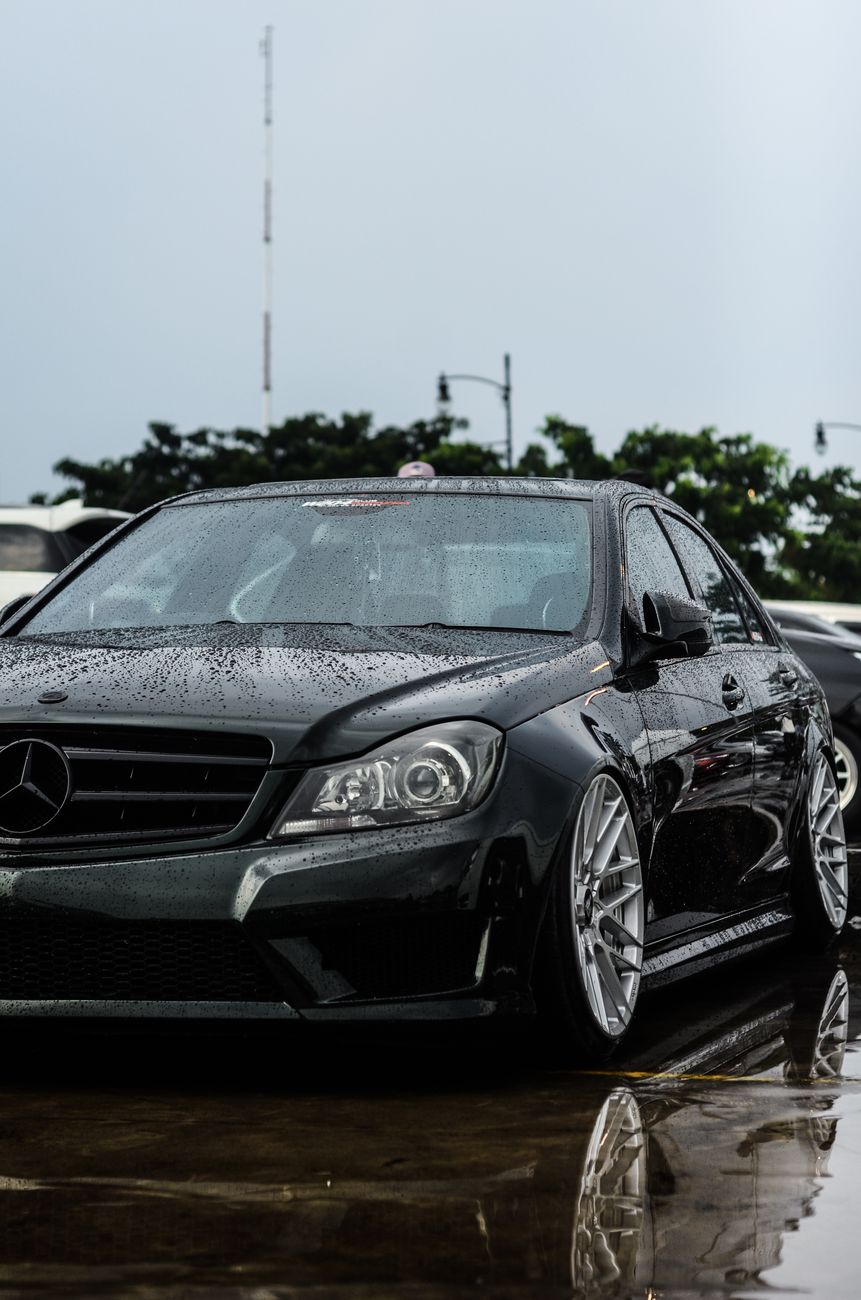
Mercedes’ AIRMATIC air suspension is one of the reasons the S‑Class feels so refined on broken European roads. Instead of steel springs, it uses air struts (air springs with integrated dampers on many models), a compressor, valve blocks and height sensors to keep the car level, comfortable and stable at speed. The downside is complexity: when AIRMATIC ages, small leaks or electrical faults can quickly turn into an expensive “car sitting low” problem.
Recommended Tool: Professional OBD2 Scanner
Recommended Tool: Portable Jump Starter
Recommended Tool: Cooling System Diagnostic Tools

This guide is written for everyday owners of premium European cars—BMW, Mercedes, Audi/VW Group and JLR—who want to understand what typically fails on an S‑Class with AIRMATIC, what symptoms to watch for, how diagnosis works with tools like Xentry, and what realistic repair costs look like.
🔧 Recommended Professional Tool
Cooling System Diagnostic ToolsProfessional coolant tester and infrared thermometer for accurate overheating diagnosis.
✔ Recommended by automotive technicians ✔ Suitable for BMW, Mercedes, VAG & JLR platforms ✔ Fast international shipping
2. Causes
AIRMATIC faults tend to come from wear, air leaks, moisture, or control/communication issues. Common root causes include:
- Air strut (air spring) leaks: Rubber bellows dry out and crack, especially after years of heat cycles and road salt.
- Compressor wear or overheating: The pump runs too often to compensate for leaks, eventually burning out or losing efficiency.
- Valve block problems: Sticky solenoids or internal leaks can cause uneven leveling or slow height changes.
- Air line leaks: Less common, but chafed or corroded lines and fittings do occur.
- Height sensor issues: Bent linkages, water ingress or faulty sensors can report incorrect ride height.
- Moisture in the system: A tired dryer cartridge allows water to build up, leading to corrosion and freezing in winter.
- Electrical faults: Relay failures, poor ground points, damaged wiring, or control module issues.
- Calibration / software issues: After suspension work or alignment, incorrect calibration can cause wrong height readings.
3. Symptoms
AIRMATIC problems usually give a few consistent signs. Typical symptoms include:
- Car sits low on one corner or one axle after being parked overnight
- “AIRMATIC – Visit workshop” or suspension warning message on the dash
- Compressor running frequently or for a long time after startup
- Uneven ride height side-to-side (leaning) or front-to-rear sag
- Harsh ride (if the damper portion is failing or the system locks into a default mode)
- Slow or no response when selecting raise/lower modes (if equipped)
- Hissing sound near a wheel arch or under the car (air leak)
- Vehicle drops while driving and then recovers, especially over bumps (valve block/control issues)
4. How to diagnose
A good diagnosis prevents “parts darts” (replacing expensive parts hoping the fault goes away). On an S‑Class, proper scanning and measured testing matter.
Use the right diagnostic scan
- Mercedes Xentry / DAS is the reference tool. It can read AIRMATIC fault codes, show live data (pressures, sensor heights), and run actuator tests for valves and compressor.
- Generic OBD scanners often miss chassis-specific data, so they’re limited for suspension faults.
Practical checks you can do (carefully)
- Visual height check: Park on level ground, measure wheel arch to ground at each corner, then recheck after several hours.
- Listen for compressor activity: A healthy system typically runs briefly. Long run times suggest leaks or a weak compressor.
- Soapy water test (if accessible): Lightly spray fittings/air lines near the strut and valve block area; bubbles indicate leaks. Avoid spraying electrical connectors directly.
Workshop-level tests that matter
- Leak-down test: With Xentry, a shop can command valves and monitor pressure decay to isolate corner leaks vs. valve block leakage.
- Compressor output test: Measuring fill time and pressure rise; low output indicates a worn pump or restriction.
- Height sensor plausibility: Compare left/right sensor values and check for sudden jumps that indicate a failing sensor or linkage.
- Check dryer condition: Moisture-related faults and winter failures often trace back to an exhausted dryer cartridge.
5. How to fix
Repairs should follow the fault, not the symptom. Common fixes include:
Air strut replacement (most common)
If one corner drops overnight, the air strut/bellows is often leaking. Replacing the strut on the affected corner is the typical fix; on high-mileage cars, some owners choose to replace both struts on the same axle to keep behavior consistent.
Compressor and relay/dryer service
If the compressor runs constantly or fails to build pressure:
- Replace the compressor unit (often supplied with dryer components depending on brand).
- Replace the compressor relay if it’s heat-damaged or sticking.
- Ensure the dryer cartridge is renewed, especially if the old compressor failed (moisture and debris can ruin a new unit).
Valve block replacement or rebuild
If the car sinks evenly, changes height unpredictably, or takes a long time to level, the valve block may be leaking internally or sticking. Some valve blocks can be rebuilt; many shops fit a complete block for reliability.
Height sensor and linkage repair
If ride height readings are implausible or the car “hunts” up and down, replace the height sensor or repair the linkage. After replacement, calibration with Xentry is essential.
Calibration and alignment
After any major AIRMATIC work:
- Perform ride height calibration using Xentry.
- Do a wheel alignment if suspension geometry was disturbed (common after strut work).
6. Repair costs
Costs vary by S‑Class generation and whether the car has standard AIRMATIC or a more complex variant. Below are realistic European independent-specialist price ranges (parts + labor), excluding dealership premiums:
- Single front or rear air strut: €900–€1,800 per corner
(Aftermarket/OE supplier parts on the lower end; genuine parts on the higher end.) - Pair of air struts on one axle: €1,700–€3,400
- Compressor replacement (incl. relay and basic setup): €700–€1,500
Add €80–€200 if a dryer service kit is separate. - Valve block replacement: €450–€1,100
- Height sensor replacement + calibration: €200–€450 per sensor
- Air line or fitting repair: €150–€400 (depends on access and corrosion)
- Diagnostic session with Xentry (scan + live data + tests): €80–€180
- Post-repair calibration + alignment: €200–€450 (depending on what’s needed)
If a leaking strut has overworked the compressor for months, expect a combined repair (strut + compressor) that can land around €1,600–€3,000.
7. Prevention tips
You can’t make AIRMATIC last forever, but you can reduce the chances of cascading failures:
- Don’t ignore slow sagging: Fix a corner leak early so the compressor isn’t forced to run constantly.
- Keep the battery healthy: Low voltage causes control module errors and can lead to repeated compressor cycles.
- Rinse winter salt from wheel arches and underbody where air components and wiring live.
- Avoid repeated “raise/lower” cycling for short trips; frequent cycling increases compressor workload.
- Service the dryer when replacing a compressor or if moisture is suspected.
- Get faults scanned promptly with Xentry rather than relying on generic readers.
8. When to see a mechanic
Book a proper diagnosis if:
- The car drops overnight, especially if it’s getting worse week by week
- The compressor runs longer than normal or sounds strained
- You see a suspension warning and the car enters limited ride height mode
- One corner is noticeably lower and the car feels unstable under braking
- You’re heading into freezing weather and suspect moisture (winter can turn a minor issue into a no-start height fault)
A specialist with Mercedes experience and Xentry will usually be faster and cheaper than trial-and-error repairs. If you also own BMW/Audi/JLR vehicles, the same principle applies: use brand-level diagnostics (ISTA, ODIS, SDD/Pathfinder) for chassis systems because generic scans often miss the real cause.
9. Frequently Asked Questions
Frequently Asked Questions
Can I drive my Mercedes S‑Class if AIRMATIC has a fault?
You can sometimes drive short distances if the car is level and not rubbing the tyres, but it’s risky. A low corner can affect braking, steering and tyre wear, and a struggling compressor can fail completely. If the car is very low or the warning indicates a serious fault, arrange recovery.
Why does the car drop overnight but rise again after starting?
That pattern usually points to an air leak at a strut, fitting, or valve block. After startup, the compressor refills the system and the car levels again. The longer you leave it, the more likely the compressor will be damaged by overuse.
Do I need to replace both air struts if only one is leaking?
Not always, but replacing both on the same axle can keep ride quality and behavior consistent, especially on higher-mileage cars. If the other strut is original and the car has significant age, it may fail soon after. A good workshop will inspect for early cracking and advise based on condition.
Will a generic OBD scanner diagnose AIRMATIC properly?
Usually not. Generic tools may show a suspension-related code, but they often lack live data and actuator tests needed to pinpoint leaks, valve issues or sensor plausibility. Xentry is the correct tool for guided tests and calibration on Mercedes.
What’s the most common expensive “chain reaction” failure?
A small leak leads to frequent compressor running, overheating the compressor and sometimes contaminating the system with debris or moisture. Then you’re no longer replacing just a strut; you may also need a compressor, relay and dryer service. Catching leaks early is the best way to avoid this.