1. Introduction
Brake and suspension work is some of the most common “big ticket” maintenance European car owners face—especially on VW Group models that are popular for daily driving. In Egypt, workshops that specialise in German cars often see the same VW models coming in repeatedly for vibrations under braking, clunks over bumps, steering shake, uneven tyre wear, and warning lights tied to ABS/ESC systems. The good news is that most issues are predictable, diagnosable, and repairable without turning into an endless parts cannon—if you understand what typically fails and how it’s correctly checked.
Recommended Tool: Professional OBD2 Scanner
Recommended Tool: Premium Brake Pads
Recommended Tool: Cooling System Diagnostic Tools
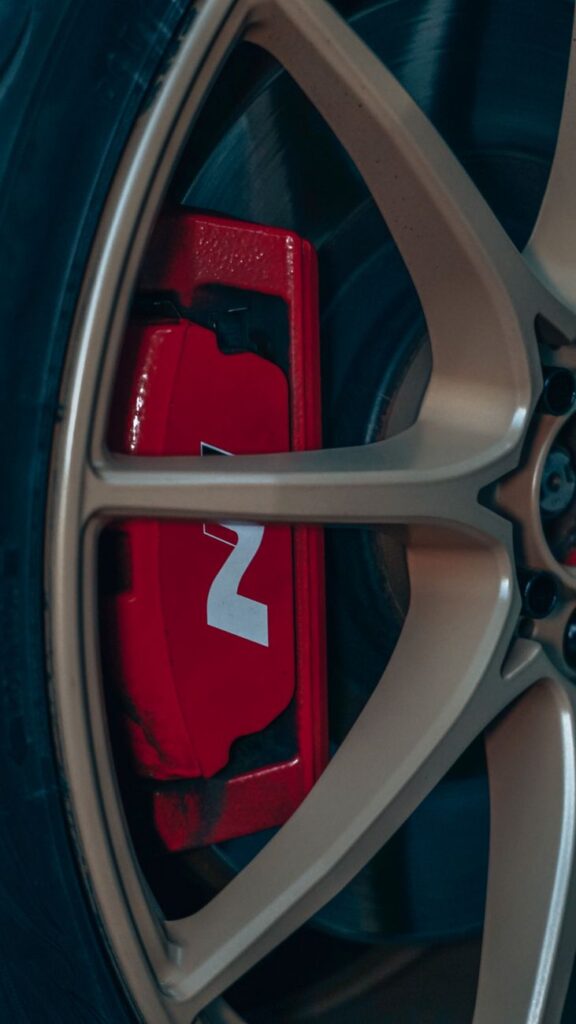
This guide focuses on the VW models most frequently requested for brake and suspension repairs and explains what causes the problems, what you’ll feel as a driver, how a proper diagnostic process should look, and what realistic costs are (parts + labour). Although written for everyday owners, it references the tools specialists use—like ODIS for VW diagnostics—so you can have more informed conversations at the workshop.
🔧 Recommended Professional Tool
Cooling System Diagnostic ToolsProfessional coolant tester and infrared thermometer for accurate overheating diagnosis.
✔ Recommended by automotive technicians ✔ Suitable for BMW, Mercedes, VAG & JLR platforms ✔ Fast international shipping
2. Causes
The most requested VW models for brake and suspension work tend to be high-volume daily drivers: Golf (Mk6/Mk7), Jetta, Passat, Tiguan, and Octavia/A3 platform cousins (many parts are shared across MQB and older PQ platforms). Common causes include:
Brake-related causes
- Warped or unevenly deposited front brake discs (often called “warped discs”): frequently triggered by low-quality discs/pads, improper bedding-in, or sticking caliper sliders.
- Caliper slider pin corrosion or seized guide pins: causes one pad to drag, overheating the disc.
- Worn rear caliper mechanisms (especially with electronic parking brakes on some models): can lead to dragging or uneven rear pad wear.
- ABS wheel speed sensor issues: sensor failure, damaged wiring, or a corroded tone ring/reluctor.
Suspension/steering causes
- Front control arm bush wear: a common vibration and instability cause on Golf/Jetta/Passat platforms.
- Drop links (anti-roll bar links) and bushings: clunks at low speed, especially over speed bumps.
- Top mounts/bearing plates: creaks while steering, knocks over potholes.
- Worn dampers/struts: reduced stability, tyre cupping, longer stopping distance.
- Wheel bearing wear: humming noise, sometimes felt as vibration.
- Alignment drift after impacts: potholes and curb hits knock toe/camber out, accelerating tyre and bushing wear.
3. Symptoms
Owners usually describe a small set of repeatable symptoms. Pay attention to when they happen—braking, turning, over bumps, or at a specific speed.
Typical brake symptoms
- Steering wheel shimmy at 90–120 km/h when braking lightly
- Pulsation in the brake pedal (more noticeable on motorway exits)
- One wheel gets unusually hot; burning smell after short drives
- Squeal that changes with brake pressure (not just “morning noise”)
- ABS/ESC warning light, sometimes with “brake” messages
Typical suspension/steering symptoms
- Clunking over speed bumps or rough roads
- Vibration through the seat or steering at steady speeds
- Wandering on the motorway; constant small steering corrections needed
- Uneven tyre wear (inside edge or feathering)
- Knocking when turning into driveways or during parking manoeuvres
4. How to diagnose
A good workshop should combine a road test, physical inspection, and scan data. For VW Group cars, ODIS is the factory diagnostic suite; many independent specialists use ODIS or high-end VAG tools to view live data and perform adaptations.
Step-by-step diagnostic approach
- Road test with the owner (if possible)
- Confirm if vibration happens only under braking or also at constant speed (helps separate brake disc issues from wheel/tyre/bearing issues).
- Visual brake inspection
- Measure pad thickness, check disc surface for hot spots, cracks, or heavy lip.
- Inspect caliper slider boots and pins for seized movement.
- Disc runout and hub face check
- A dial gauge runout check can catch a bent hub, dirt/rust between disc and hub, or poor disc machining.
- Suspension play check
- With the car on a lift: check control arm bushes, ball joints, drop links, top mounts, and subframe bush movement.
- Wheel/tyre inspection
- Check tyre date, uneven wear, bulges, and wheel balance history. Many “brake vibrations” are worsened by poor tyres.
- Scan for ABS/ESC faults
- Using ODIS: check wheel speed sensor signals, steering angle sensor plausibility, and stored intermittent faults.
- Alignment measurement
- Even if you’re not “pulling,” alignment values may show why tyres are wearing and why the car feels unstable.
5. How to fix
Fixes should target the root cause, not just the symptom.
Brake fixes (common and effective)
- Replace discs and pads as a matched set (per axle)
Choose reputable brands and correct spec for your model. Cheap discs often lead to repeat vibration. - Service calipers properly
- Clean and lubricate slider pins with the correct high-temp grease.
- Replace torn boots; rebuild or replace calipers if binding persists.
- Clean hub faces Rust or dirt between hub and disc can create runout even with new parts.
- Brake fluid refresh Every 2 years is a sensible interval; old fluid can contribute to poor pedal feel and caliper issues.
- ABS sensor/wiring repair Replace the sensor if confirmed faulty; repair damaged wiring or corroded connectors rather than guessing.
Suspension fixes (what typically solves the issue)
- Control arms or bushings Many VW platforms are best addressed with quality complete arms (bushes pre-fitted) if bushes are cracked or soft.
- Drop links and anti-roll bar bushes These are relatively inexpensive but make a big difference to clunks.
- Top mounts and bearings Often replaced with struts, especially if mileage is high.
- Dampers/struts Replace in pairs (left/right). Consider new bump stops and dust boots.
- Wheel bearings Replace the noisy side (or both if mileage is high and symptoms are present). Correct torque procedure matters.
After suspension work, a proper alignment is not optional—especially on MQB cars where small toe changes can transform stability.
6. Repair costs
Costs vary by country, parts availability, and whether you choose OEM, OEM-equivalent, or budget brands. Below are realistic ranges many European-car-focused workshops quote, including parts + labour.
Brakes (per axle)
- Front discs + pads (Golf/Passat/Tiguan typical): €250–€600
- Rear discs + pads: €220–€550
- Caliper service (clean/lube sliders): €40–€120
- Caliper replacement (each): €180–€450
- Brake fluid flush: €60–€120
Suspension/steering
- Drop links (pair): €80–€200
- Front control arms (pair) or bush replacement: €250–€700
- Top mounts/bearings (pair): €150–€350 (plus labour if struts removed)
- Front struts/shocks (pair): €350–€900
- Wheel bearing (each): €180–€450
- Wheel alignment: €60–€120
If diagnostics show ABS/ESC issues:
- Wheel speed sensor replacement: €90–€220
- Wiring repair (time-based): €60–€250+ depending on access and damage
7. Prevention tips
A few habits and maintenance choices reduce repeat brake and suspension visits:
- Buy known-quality discs/pads and avoid mixing unknown brands across axles.
- Bed-in new brakes correctly (your workshop should do this or explain it).
- Wash wheels and brakes occasionally if you drive in dusty or coastal areas; buildup accelerates slider corrosion.
- Avoid holding the brake pedal hard after heavy braking (e.g., after motorway exit). Let brakes cool to reduce uneven deposits.
- Check tyre pressures monthly and rotate tyres if your wear pattern suggests it.
- Do alignment after pothole hits or if the steering feels “off,” even without obvious pulling.
- Listen for early clunks—drop links and bushes are cheaper when fixed early.
8. When to see a mechanic
Book a specialist promptly if you notice:
- Vibration under braking that’s getting worse over weeks
- The car pulls to one side during braking
- ABS/ESC lights are on, or warnings appear intermittently
- A wheel is noticeably hotter than the others after normal driving
- Persistent clunks over bumps or instability at motorway speeds
Choose a shop familiar with VW Group cars and capable of reading factory-level data (ideally ODIS). That matters when faults are intermittent or when steering angle/adaptation procedures are required after repairs.
9. Frequently Asked Questions
Frequently Asked Questions
What VW models most often need brake and suspension work? Golf, Jetta, Passat, and Tiguan are common simply because many are on the road and share similar front suspension layouts. Octavia and Audi A3 siblings often show the same wear patterns due to shared platforms. Usage conditions and parts quality matter more than the badge.
Is steering wheel shake always caused by “warped” brake discs? Not always. Uneven pad deposits, dirty hub faces, seized caliper sliders, or even wheel/tyre imbalance can mimic the same vibration. A proper runout check and caliper inspection prevents unnecessary disc replacements.
Do I need to replace control arms or just the bushes? If bushes are available separately and the ball joint is healthy, bushes alone can be cost-effective. Many owners choose complete arms because labour can be similar and you refresh multiple wear points at once. The right choice depends on mileage, corrosion, and parts availability.
Can ABS sensor problems feel like a brake issue? Yes. A failing wheel speed sensor can trigger ABS/ESC interventions that feel like pulsing or uneven braking, especially at low speed. A scan with ODIS and live wheel speed data usually confirms it quickly.
Should I do alignment after replacing brakes? Alignment isn’t required just because brakes were replaced. However, if you replaced suspension components, had uneven tyre wear, or hit potholes, alignment is strongly recommended. It’s one of the best-value steps to restore stable handling and protect tyres.