1. Introduction
Mercedes-Benz owners often get a shock the first time they price up a brake job—especially if the car has larger AMG-style brakes, electronic parking brake (EPB), or modern driver-assistance systems. Compared with many mainstream European cars, Mercedes brake parts and labour can genuinely cost more, and not always for the reasons people assume. This article explains why Mercedes-Benz brakes are so expensive, what usually drives the bill up, and what sensible alternatives exist—without compromising safety.
Recommended Tool: Professional OBD2 Scanner
Recommended Tool: Premium Brake Pads
Recommended Tool: OEM Suspension Components
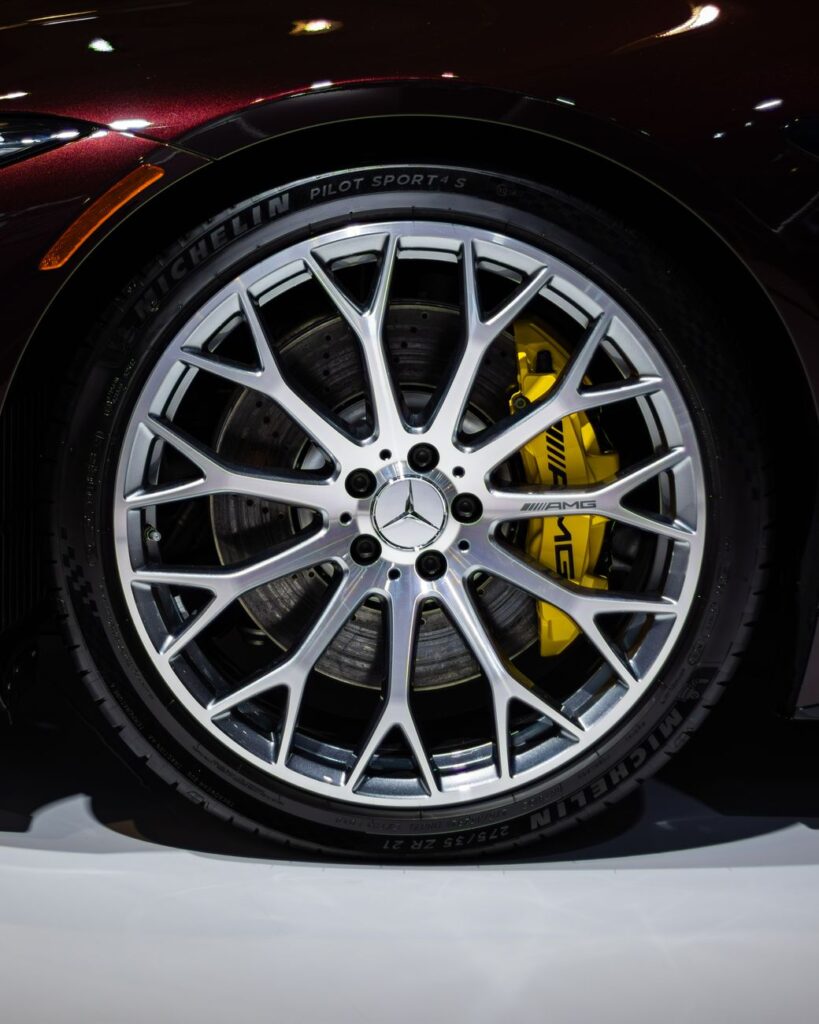
Although the examples focus on Mercedes, the same themes apply across premium European cars (BMW, Audi/VW Group, and JLR), particularly on heavier models and those with advanced stability and brake electronics.
🔧 Recommended Professional Tool
Brake System UpgradePremium brake pads and diagnostic tools for vibration and braking issues.
✔ Recommended by automotive technicians ✔ Suitable for BMW, Mercedes, VAG & JLR platforms ✔ Fast international shipping
2. Causes
Premium brake hardware and vehicle weight
Many Mercedes models are heavy (especially E-Class, GLC/GLE, S-Class and EV/hybrid variants), which demands larger discs and more robust pads. Bigger rotors cost more to manufacture and ship, and wear items tend to be pricier across the board.
Multiple brake system variants
Even within the same model, there may be:
- Standard brakes
- “Sport” brakes
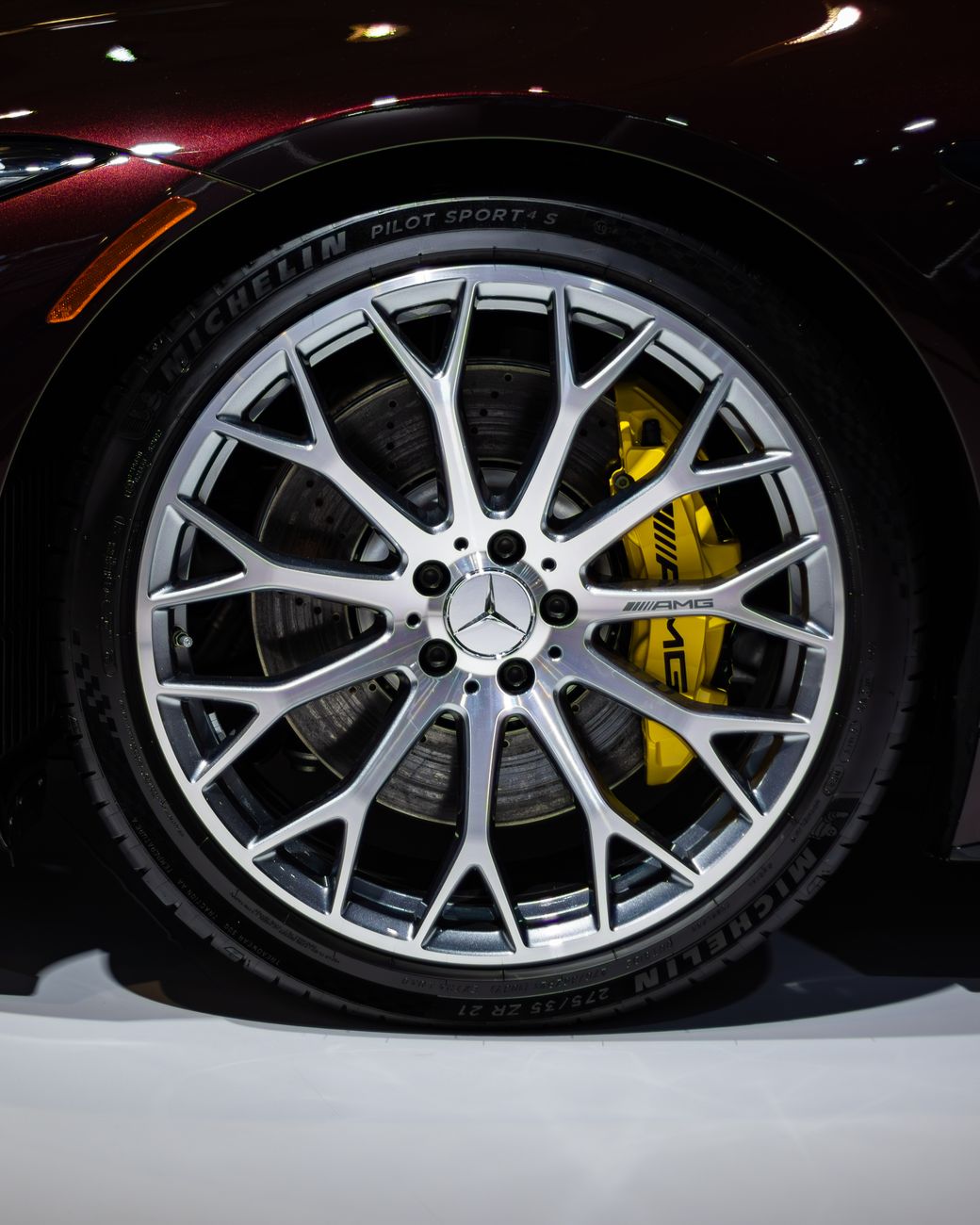
- AMG line / AMG brakes
- Fixed multi-piston calipers vs floating calipers
- Two-piece discs (aluminium hat + iron ring) on some performance setups
Parts can vary by VIN, and choosing the wrong disc or pad set is easy without proper parts lookup.
Electronic integration (sensors, EPB, and coding)
Modern Mercedes brakes aren’t just discs and pads:
- Pad wear sensors are common (front and sometimes rear)
- Some models require EPB service mode before rear pad replacement
- Brake fluid service intervals can be tracked in the car and may require reset
Work may involve diagnostic tools like Xentry (Mercedes dealer-level software) to place the EPB in service mode, read brake-related faults, and clear warnings.
OEM parts pricing and brand positioning
Mercedes OEM parts pricing reflects premium brand positioning and supply chain realities. OEM discs/pads are often supplied by top-tier manufacturers (e.g., ATE, TRW, Brembo, Zimmermann), but buying them in Mercedes packaging typically costs more than buying the equivalent “OEM supplier” part in its own box.
Labour time and complexity
Even routine brake work can take longer due to:
- Seized fasteners (common in northern/wet climates)
- Stuck discs on hubs
- EPB procedure
- Bedding-in requirements and road test procedures
- Additional checks for brake lines, wheel bearings, and suspension bushings
If the car has systems like DISTRONIC/ADAS, the workshop may also check for stored faults related to wheel speed sensors or stability control after the job.
3. Symptoms
You may suspect brakes are due or have a fault if you notice:
- Brake warning message or pad wear warning on the dash
- Squealing, grinding, or scraping noises
- Steering wheel shake or pulsing under braking (warped disc feel)
- Longer stopping distances or a soft pedal
- Vibration through the seat during braking (often rear discs)
- Car pulls left/right under braking (caliper issue, pad contamination, tyre issue)
- EPB warning or rear brakes binding (EPB motor/caliper problems)
4. How to diagnose
Step 1: Confirm the exact brake setup by VIN
Before ordering anything, confirm the brake option code and disc diameter. Parts vary hugely between trims and engines (for example, an E-Class with different wheel/AMG packages).
Step 2: Visual inspection (wheels off)
Check:
- Pad thickness (inner and outer pads)
- Disc lip and scoring
- Heat spots or cracks (especially on performance brakes)
- Caliper slide pin condition (floating calipers)
- Brake hose condition and any fluid seepage
Step 3: Measure disc thickness and runout
A workshop will measure disc thickness against minimum spec and check runout with a dial gauge. “Warped discs” are often disc thickness variation or hub contamination.
Step 4: Scan for faults
Use Xentry to check:
- EPB faults (motor current, actuator position)
- Wheel speed sensor faults (can mimic braking/ABS issues)
- Stability control/ESP faults that may affect brake feel
Comparable tools for other brands include ISTA (BMW), ODIS (VAG), and Pathfinder/SDD (JLR), which matters if you service multiple cars in a household.
Step 5: Road test (controlled)
A proper test can distinguish:
- Vibration from discs vs tyres
- Pulling from calipers vs alignment
- ABS intervention from wheel speed sensor issues
5. How to fix
Standard wear: discs, pads, and sensors
For most owners, the fix is straightforward:
- Replace pads and discs as an axle set
- Replace pad wear sensors where fitted
- Clean and lubricate contact points with correct brake grease (not on friction surfaces)
- Torque wheels correctly (over-torquing can contribute to brake vibration)
EPB-equipped rear brakes
On many Mercedes models, the rear brakes require:
- EPB service mode (often via Xentry or a good aftermarket scan tool)
- Careful piston retraction procedure
- Calibration or basic setting if faults are present
Caliper issues (binding, uneven wear)
If one pad is worn much faster:
- Clean/replace slide pins and boots (floating calipers)
- Check piston movement and dust boot condition
- Replace or rebuild calipers if seized (more common on older cars)
Brake fluid and hoses
If the pedal feels soft or braking performance is inconsistent:
- Brake fluid flush (typically every 2 years)
- Inspect hoses for swelling or cracking
- Bleed procedure may require a diagnostic tool if the ABS module needs cycling (varies by model)
Alternatives to reduce cost (without cutting corners)
Good options include:
- OEM supplier parts (same manufacturer as OEM, different packaging)
- Reputable aftermarket kits (ATE, TRW, Brembo, Zimmermann—matched pads/discs)
- Coated discs (better corrosion resistance, helpful in salty climates)
Avoid ultra-cheap discs/pads with unknown friction ratings, especially on heavy models.
6. Repair costs
Realistic European cost ranges (parts + labour), depending on model, brake size, and region:
Front pads and discs (standard setup)
- Parts: €220–€450
- Labour: €120–€220
- Total: €340–€670
Rear pads and discs (with EPB)
- Parts: €200–€420
- Labour: €140–€260
- Total: €340–€680
Performance/AMG-style brakes (larger discs, multi-piston calipers)
- Parts: €600–€1,400 (front axle can be the bulk)
- Labour: €180–€350
- Total: €780–€1,750
Brake fluid flush
- Parts: €15–€40
- Labour: €70–€140
- Total: €85–€180
Caliper replacement (one corner, if seized)
- Parts: €180–€600 (more for performance calipers)
- Labour: €120–€220
- Total: €300–€820
Costs rise if hubs are heavily corroded, fasteners snap, or additional faults appear (wheel speed sensors, EPB actuators).
7. Prevention tips
- Wash wheels and brakes in winter to reduce salt corrosion (avoid spraying ice-cold water on hot brakes).
- Don’t rest your foot on the brake pedal; it can cause heat and uneven pad deposits.
- Use correct wheel bolt torque; uneven torque can contribute to vibration complaints.
- Change brake fluid on schedule (usually every 2 years).
- If the car sits for long periods, drive it and brake gently to keep discs clean and prevent corrosion rings.
- Choose quality pads matched to your driving: low-dust “comfort” pads may wear differently than performance pads.
8. When to see a mechanic
Book a professional inspection if:
- You hear grinding (likely metal-on-metal)
- The brake warning light is on and braking feels different
- The car pulls under braking or the steering shakes
- The EPB shows an error or the rear brakes drag
- You’re unsure which brake variant your car has (VIN lookup avoids expensive ordering mistakes)
A good independent Mercedes specialist with Xentry can often do the job to OEM standard for less than a dealer, while still handling EPB procedures and fault checks properly.
9. Frequently Asked Questions
Frequently Asked Questions
Why do Mercedes brake parts cost more than VW or Audi parts?
Mercedes often uses larger discs and higher-spec pad compounds on heavier vehicles, and there are many brake variants tied to VIN option codes. OEM packaging and dealer supply pricing also increase costs even when the underlying manufacturer is similar.
Can I use aftermarket pads and discs without ruining braking performance?
Yes, if you choose reputable brands and the correct spec for your brake system. Many “OEM supplier” parts perform like factory items, but very cheap kits can increase noise, dust, or stopping distance.
Do I need Xentry to change rear brakes on a Mercedes with EPB?
Not always, but it’s often the safest approach because EPB service mode prevents actuator damage and avoids warning lights. A high-quality aftermarket scan tool may also work, but a specialist with Xentry can confirm calibration and check related faults.
Why do my new brakes still vibrate or squeal?
Vibration is commonly caused by hub corrosion, incorrect wheel torque, or uneven pad material transfer, not just the discs themselves. Squeal can come from pad compound, missing anti-rattle hardware, or lack of proper bedding-in.
Is it worth upgrading to “sport” or drilled/slotted discs for normal driving?
For everyday road use, quality plain or lightly coated discs with matched pads are usually the best value. Drilled/slotted options can cost more, may wear faster, and don’t necessarily improve stopping distances in normal conditions.