1. Introduction
If you own a BMW 5 Series F10 528i, chances are you’ve heard of (or experienced) rear shock absorber replacements happening more often than expected. For many everyday owners, it feels like a “wear item” that shouldn’t wear out so quickly—especially on a car known for motorway comfort and balanced handling.
Recommended Tool: Professional OBD2 Scanner
Recommended Tool: OEM Suspension Components
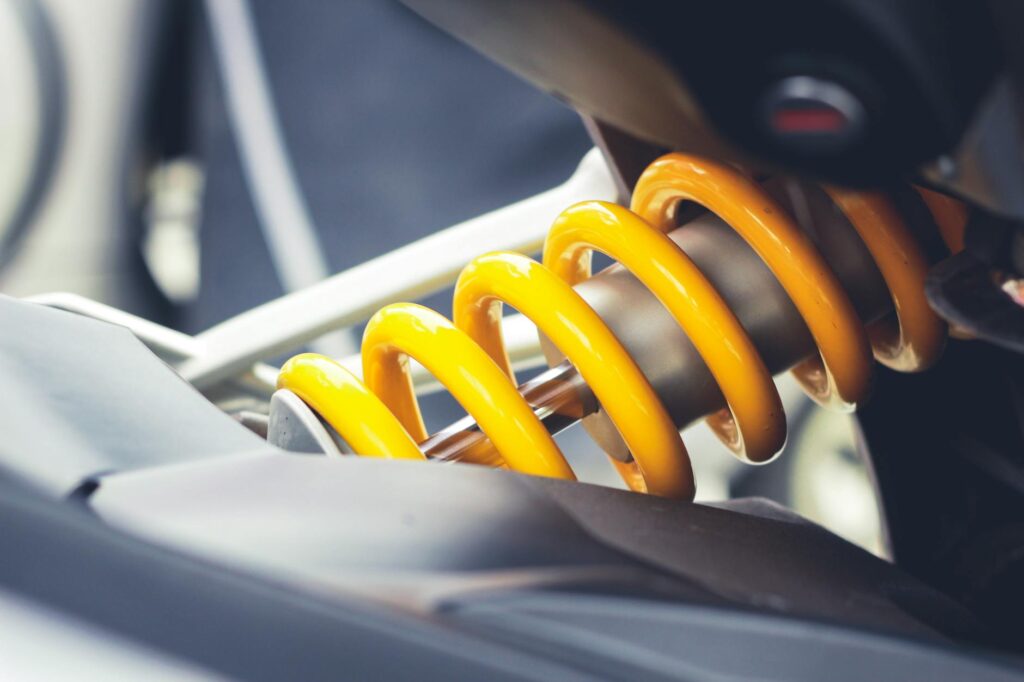
The reality is that the F10’s rear suspension is doing a lot of work, and small changes in roads, driving patterns, wheel/tyre setups, and mounting hardware can make rear dampers seem like a recurring issue. While the F10 528i (typically with the N20 2.0 turbo petrol and often paired with the ZF 8HP automatic) isn’t uniquely “bad,” it is sensitive to certain conditions that accelerate rear damper wear or cause noises that lead to repeat replacements.
Recommended Tool: Professional OBD2 Scanner
🔧 Recommended Professional Tool
BMW N20 Diagnostic & Timing ToolsProfessional tools for BMW N20 engine service
✔ Recommended by automotive technicians ✔ Suitable for BMW, Mercedes, VAG & JLR platforms ✔ Fast international shipping
This guide explains why rear shocks get replaced so often, how to diagnose the real cause, and what fixes actually last—written for normal European owners, not technicians.
2. Causes
Rear top mounts and bump stops breaking down
Often, the shock absorber is blamed when the real problem is the mounting and insulation parts around it:
- Rear upper shock mounts (rubber/metal isolators) can crack or de-bond
- Bump stops and dust boots can disintegrate, letting dirt damage the shock rod seal
- Incorrect tightening at ride height can preload bushes and accelerate failure
Poor-quality replacement parts
Many repeat failures come from budget dampers or “cheap OEM-style” parts:
- Low-cost shocks may have weaker seals and inconsistent damping
- Some aftermarket options are fine, but quality varies by brand and model line
- Mixing left/right brands or fitting “sport” on one axle and “standard” on the other can create odd behaviour and noise
Tyres, wheels, and pressures
The F10 reacts noticeably to tyre setup:
- Run-flat tyres transmit more impact to suspension components
- Low-profile tyres (especially 19–20") increase harshness and shock workload
- Incorrect tyre pressures (often slightly low at the rear) increase bottoming-out over bumps
Worn rear suspension links
The rear damper doesn’t work alone. If other parts are worn, shocks get overworked or misdiagnosed:
- Rear control arm bushes and ball joints
- Integral link and toe link wear
- Rear anti-roll bar drop links causing clunks mistaken for shock noise
Leaks and corrosion from road conditions
In much of Europe, winter salt and constant wet conditions can speed up corrosion:
- Corroded shock bodies and spring seats trap moisture
- Damaged dust boots allow grit to ruin the seal
- Short trips where the car stays damp can accelerate rust
Adaptive/EDC-related issues (if equipped)
Some F10s have Electronic Damper Control (EDC). Faults here may prompt replacement:
- Wiring or connector issues at the damper
- Fault codes that lead to parts swapping without proper testing
- Incorrect coding after replacement leading to warning lights or poor ride
3. Symptoms
Common signs that prompt owners to replace rear shocks include:
- Knocking or clunking from the rear over small bumps (often mounts or links)
- Bouncy rear end after speed humps or undulating roads
- Rear “float” at motorway speeds, especially in crosswinds
- Uneven rear tyre wear (cupping/scalloping)
- Leaking oil on the damper body
- Rear-end squat or instability under acceleration (more noticeable with the N20’s low-end torque)
- If EDC equipped: suspension warning messages or stored faults
4. How to diagnose
You can do a lot before buying parts. A proper diagnosis reduces repeat replacements.
Basic checks you can do at home
- Visual inspection: Look for oil seepage on the shock body, torn dust boots, crumbling bump stops, and cracked upper mounts.
- Bounce test (limited but useful): Push down firmly on the rear corner and release. Excessive bouncing suggests weak damping, but a single rebound doesn’t guarantee the shock is good.
- Listen carefully: A sharp “clack” over small bumps often points to mounts or drop links rather than the damper itself.
Road test clues
- Noise on small, sharp bumps = mounts, drop links, or loose hardware more likely
- Loss of control on big undulations = damping performance more likely
- Noise that changes when braking lightly over bumps can indicate rear arm bushes or links moving under load
Workshop-level checks (recommended)
- Lift inspection with leverage: A mechanic can load suspension links to feel for play.
- Check torque and installation: Incorrectly torqued bolts (especially not tightened at normal ride height) can cause rapid bush wear and noise.
- Diagnostic scan if EDC equipped: BMW ISTA can read EDC faults, view live data, and run actuator checks. Many “shock problems” turn out to be wiring, connector corrosion, or coding issues.
If you own other European brands, the approach is similar:
- Mercedes owners may use Xentry
- VW Group owners may use ODIS (or VCDS for independent checks)
- JLR owners may use SDD or Pathfinder
The key point: scan tools don’t “prove” a shock is worn, but they can prevent unnecessary replacements when electronics are involved.
5. How to fix
Replace shocks correctly (and in pairs)
Rear shocks should generally be replaced in pairs to keep damping balanced. Choose a quality brand (OEM or reputable aftermarket) matched to your suspension type (standard, M Sport, or EDC).
Replace the supporting parts at the same time
To stop repeat visits, it’s smart to renew:
- Rear upper shock mounts
- Bump stops and dust boots
- Any corroded hardware (nuts/bolts) if advised
These parts are relatively inexpensive compared to the labour of going back in.
Address related suspension wear
If there’s any play in rear drop links or worn control arm bushes, fix them. Otherwise, you may “replace shocks” but keep the same clunking noise.
Alignment and coding (when needed)
- A full alignment isn’t always mandatory after shocks alone, but if rear links were removed or tyre wear is present, it’s wise.
- If EDC shocks are replaced, ensure correct part numbers and that any required coding/calibration is done with ISTA to avoid warnings and mismatched damping behaviour.
6. Repair costs
Costs vary by country, labour rate, and whether you have EDC. Typical European estimates (parts + labour):
- Rear shocks (standard suspension), pair: €450–€900
(Parts €200–€500, labour €250–€400) - Rear shocks (EDC/adaptive), pair: €900–€1,800
(Parts €600–€1,400, labour €300–€400) - Add mounts + bump stops/boots: +€120–€250
- Replace rear drop links (if needed): +€120–€250
- 4-wheel alignment (if needed): €90–€180
- Diagnostics with ISTA + road test: €60–€150
If a garage keeps replacing dampers without changing mounts or checking links, you can end up spending more than necessary across multiple visits.
7. Prevention tips
- Avoid budget dampers unless the brand and model line are proven on the F10 chassis.
- Replace mounts and bump stops whenever shocks are replaced; it’s cheap insurance.
- Maintain correct tyre pressures, especially before long trips and when the weather changes.
- Consider tyre choice: non-run-flats (where legal/appropriate and with a mobility kit) can reduce harsh impacts.
- Wash winter salt from the underbody periodically to slow corrosion around suspension components.
- Fix small noises early: a worn drop link can lead to misdiagnosis and unnecessary shock replacement.
8. When to see a mechanic
Book a professional inspection if:
- You see oil leaking from a rear shock
- The car feels unstable at speed or in emergency manoeuvres
- There’s persistent knocking that you can’t isolate
- Tyre wear is uneven or the rear feels like it “steps out” on bumps
- Your F10 has EDC and a suspension warning appears (ISTA scan recommended)
A good workshop will check mounts, links, and bushings before selling you dampers—and will confirm correct installation and torque procedures.
9. Frequently Asked Questions
Frequently Asked Questions
Why do my rear shocks keep getting replaced but the noise comes back?
Often the noise is from rear upper mounts, bump stops, or anti-roll bar drop links rather than the damper itself. If mounts aren’t replaced, the new shock can still knock. Ask the workshop to inspect and replace the mounting hardware and check for play in links.
Should I replace rear shocks in pairs on a BMW F10 528i?
Yes, replacing both sides keeps handling balanced and prevents one new damper from masking problems on the other side. It also reduces the chance of uneven tyre wear and inconsistent braking stability. Even if only one is leaking, the other is usually not far behind.
Are run-flat tyres the reason my rear shocks wear out faster?
Run-flats can contribute because they transmit more impact into the suspension, especially with low-profile sizes. That extra harshness can accelerate wear in mounts, bump stops, and damper seals. They’re not the only cause, but they can be a significant factor on rough roads.
How can I tell if it’s the shock or the rear top mount?
A leaking damper body and a “bouncy” ride over big undulations point toward a worn shock. A sharp clunk over small bumps, especially at low speed, more often suggests mounts or links. A lift inspection and a careful road test usually identify which component is actually failing.
Do EDC/adaptive rear shocks require coding on the F10?
They can, depending on the parts fitted and what the control unit expects. Using ISTA to check fault codes, verify damper type, and clear adaptations helps avoid warning lights and mismatched damping. If a garage can’t confirm compatibility and coding steps, choose one that can.