1. Introduction
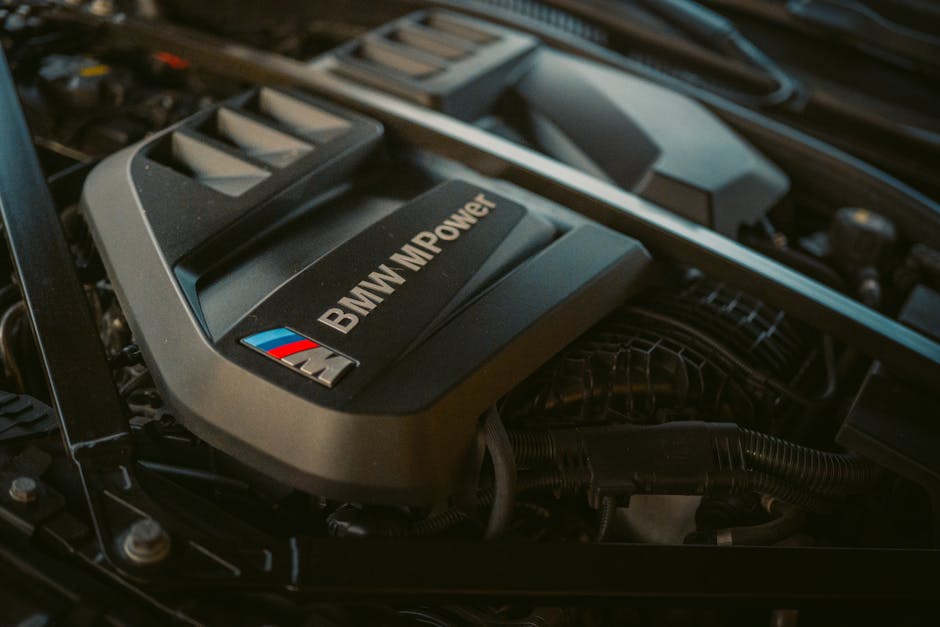
BMW engines have a strong reputation for performance and longevity, but many owners eventually notice oil spots on the driveway or the smell of burning oil after a drive. Oil leaks are common on aging vehicles of any brand, yet BMWs can be especially prone because of high under-hood temperatures, tight packaging, and the widespread use of rubber seals and plastic components that slowly harden with time. The good news is that most oil leaks start small, give clear warning signs, and can be handled before they turn into expensive repairs. Understanding why leaks develop helps you react early, protect the engine, and avoid messy surprises.
Recommended Tool: Professional OBD2 Scanner
Recommended Tool: Cooling System Diagnostic Tools

🔧 Recommended Professional Tool
Cooling System Diagnostic ToolsProfessional coolant tester and infrared thermometer for accurate overheating diagnosis.
✔ Recommended by automotive technicians ✔ Suitable for BMW, Mercedes, VAG & JLR platforms ✔ Fast international shipping
2. Causes
Oil leaks usually come down to sealing surfaces that no longer seal. On many BMW engines, several common patterns show up as the car ages.
Aging gaskets and seals
Rubber and composite gaskets live in a harsh environment: heat cycles, oil exposure, and vibration. Over time they can:
- Harden and shrink, allowing oil to seep past
- Crack or become brittle
- Lose clamping force as the material compresses and “takes a set”
Common places include the valve cover gasket, oil filter housing gasket, oil pan gasket, and crankshaft seals.
Recommended Tool: Professional OBD2 Scanner
High engine bay temperatures
BMW engines often run hot by design for efficiency and emissions. Higher heat accelerates gasket aging and can make plastic parts deform slightly over time. Turbocharged models typically see even higher heat near the turbo and exhaust.
Crankcase ventilation issues (PCV/CCV system)
BMWs use a crankcase ventilation system to control pressure inside the engine. If the PCV/CCV valve or related hoses clog or fail, crankcase pressure can rise and push oil past seals that might otherwise hold. In some cases, a failed system can also pull oil mist where it doesn’t belong, creating wet areas that look like leaks.
Plastic components and integrated seals
Many BMW engines use plastic valve covers, plastic oil filter housings or adapters on certain models, and plastic cooling and breather parts around the top of the engine. Plastic can warp slightly with heat cycles, and integrated seals may not clamp evenly anymore, causing slow seepage.
Over-tightening or improper service
Some leaks begin after maintenance if:
- A gasket is pinched during installation
- Bolts are over-torqued, deforming a cover or crushing a gasket unevenly
- Sealing surfaces aren’t cleaned properly
- An O-ring is reused when it should be replaced (especially around the oil filter cap or housing)
Oil level, oil type, and extended intervals
Running low oil doesn’t directly cause a leak, but it can raise engine temperatures and accelerate wear. Very long oil-change intervals can increase sludge and deposits, which may:
- Restrict crankcase ventilation
- Cause seals to harden faster
- Make small leaks worse by preventing proper sealing at the gasket surface
3. Symptoms
Oil leaks often show up gradually. Catching them early is mostly about knowing what to look and smell for.
Common signs
- Oil spots or puddles under the front of the car (sometimes toward the passenger side)
- Burning oil smell, especially after stopping at a light or parking after a drive
- Light smoke from the engine bay (oil dripping onto hot exhaust components)
- Oily residue on engine covers, hoses, or around the edge of the valve cover
- Low oil warning or needing to top up oil more often
- Dirty, wet underside of the engine or splash shield
Why small leaks matter
Even a minor seep can:
- Damage rubber belts and engine mounts if oil soaks them
- Create a fire risk if oil contacts very hot exhaust parts
- Lead to low oil over time, which is far more dangerous than the leak itself
4. How to diagnose
You don’t need to be a mechanic to do a basic, safe assessment. The goal is to locate where oil starts, not where it ends up after airflow and gravity spread it around.
Step-by-step checks for owners
- Check the oil level using the car’s electronic measurement or dipstick (if equipped). Record how often you need to add oil.
- Look from above with a flashlight:
- Around the valve cover perimeter
- Around the oil filter housing area (often near the front/side of the engine)
- Around oil filler cap and nearby hoses
- Smell for burning oil after a drive and when parked. A strong smell can suggest oil dripping onto the exhaust.
- Inspect the ground and splash shield:
- Note the location of drips after parking overnight
- If safe and accessible, look for a wet belly pan/splash shield (a saturated shield can hide the real source)
- Clean and re-check:
- Wipe accessible areas with a rag
- After a few drives, look again to see where fresh oil appears first
Helpful tools and services
- UV dye test: A shop adds UV dye to the oil and uses a UV light to pinpoint the leak source. This is especially useful when oil is spread over a large area.
- Smoke test (for crankcase/PCV issues): Helps identify ventilation problems that may be increasing pressure and contributing to leaks.
5. How to fix
Fixing an oil leak is usually about replacing the failed gasket or seal and addressing any underlying pressure issue. The correct repair depends on where the leak originates.
Typical repairs on BMW engines
- Valve cover gasket replacement: Common on many BMW inline-6 and V8 engines. If the valve cover itself is plastic and warped or cracked, it may need replacement too.
- Oil filter housing gasket replacement: A frequent leak point that can drip oil down the engine and mimic an oil pan leak.
- Oil pan gasket replacement: More labor-intensive on many BMWs due to subframe placement. This is often best handled by a shop.
- Front or rear main seal replacement: Less common but more serious; often requires significant labor.
- PCV/CCV system service: Replacing the valve, diaphragm, or hoses to restore proper crankcase pressure.
What to expect during a proper repair
- Replacement of the gasket/seal and any one-time-use bolts if specified
- Careful cleaning of sealing surfaces
- Correct torque sequence and torque specifications
- Inspection for oil-soaked components (belts, pulleys, engine mount areas)
- Verification after the repair (test drive and re-check for seepage)
Avoid quick fixes
- Stop-leak additives can sometimes swell seals temporarily, but they may also cause side effects and can complicate future repairs. They’re best viewed as a last resort, not a real solution.
- Over-tightening bolts to “stop the leak” can crack plastic covers or deform metal surfaces, making the leak worse.
6. Prevention tips
While you can’t prevent every oil leak forever, you can significantly reduce the chances of major leaks and catch small ones early.
- Stick to sensible oil change intervals and use oil that meets BMW specifications for your engine.
- Check oil level regularly, especially if you notice any smell or driveway spots.
- Address crankcase ventilation issues early: rough idle, increased oil consumption, or whistling noises can be related.
- Keep the engine clean enough to inspect: you don’t need a spotless engine bay, but heavy oily buildup hides new leaks.
- Fix small leaks before they spread: oil traveling down the engine can damage rubber parts and make diagnosis harder.
- Use reputable parts: low-quality gaskets and O-rings may not tolerate heat well and can fail early.
7. When to see a mechanic
Some oil leaks are simple to identify, but many BMW leaks require experience, special tools, or significant disassembly. Schedule professional help if you notice any of the following:
- Oil dripping onto the exhaust (burning smell, smoke, or visible drips near hot components)
- Rapid oil loss or repeated low oil warnings
- Oil on the serpentine belt or signs of belt slipping/noise
- Leak source is unclear after basic checks, or oil appears in multiple areas
- You suspect the oil pan gasket, rear main seal, or turbo-related leak (these often involve higher labor)
- You recently had service and a leak started afterward (a shop should verify correct assembly and torque)
- Any sign of engine overheating alongside an oil leak (heat accelerates damage and should be addressed immediately)
Oil leaks are common as BMWs age, but they aren’t something to ignore. With regular checks, prompt attention to early symptoms, and the right repair approach, most leaks can be handled before they become a major expense or risk.