1. Introduction
Air suspension is one of those features you only truly appreciate when it stops working. On the VW Touareg CR (the third-generation Touareg, 2018-on), the 3.0 TDI models are often specified with adaptive air suspension for a smoother ride, adjustable height, and better towing stability. When it develops a fault, owners are usually faced with a frustrating mix of warnings, a sagging corner, or a car that refuses to change height—plus a big question: repair the system or convert to steel springs?
Recommended Tool: Professional OBD2 Scanner
Recommended Tool: Cooling System Diagnostic Tools
Recommended Tool: OEM Suspension Components
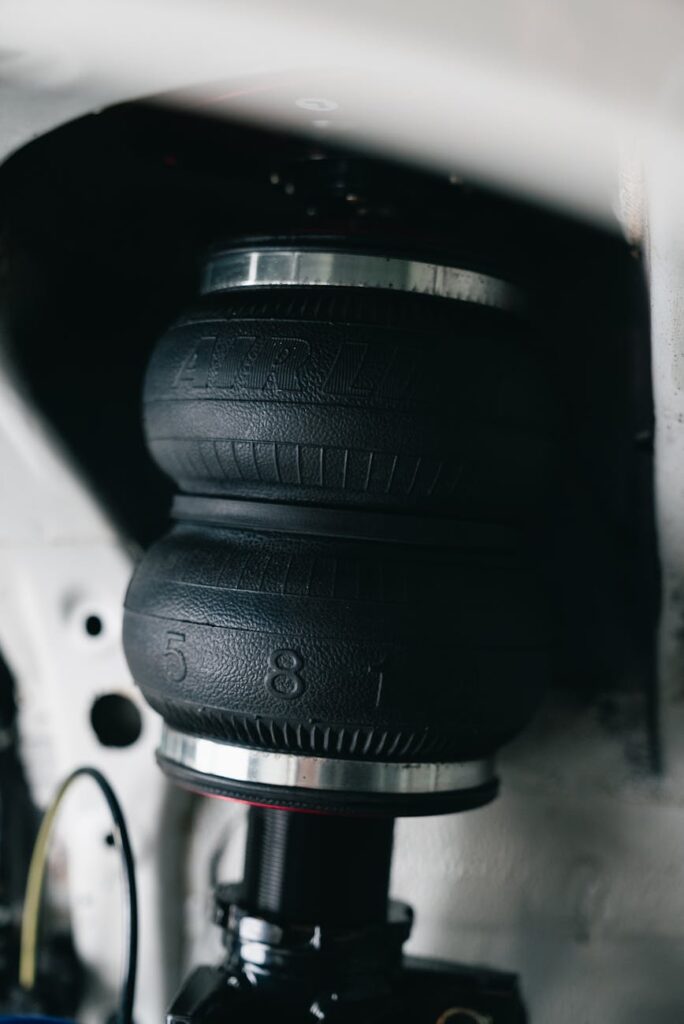
This article is written for everyday European car owners (including Audi, BMW, Mercedes, VW Group, and JLR drivers) who want practical guidance. We’ll cover what typically fails, what to look for, how diagnosis is done with proper tools like ODIS, what a correct repair involves, and how costs compare to a spring conversion.
🔧 Recommended Professional Tool
Cooling System Diagnostic ToolsProfessional coolant tester and infrared thermometer for accurate overheating diagnosis.
✔ Recommended by automotive technicians ✔ Suitable for BMW, Mercedes, VAG & JLR platforms ✔ Fast international shipping
2. Causes
Air suspension faults on the Touareg CR 3.0 TDI usually come down to air leaks, compressor problems, valve block issues, or sensor faults. The system is robust but not immune to age, winter road salt, and frequent height changes.
Common causes include:
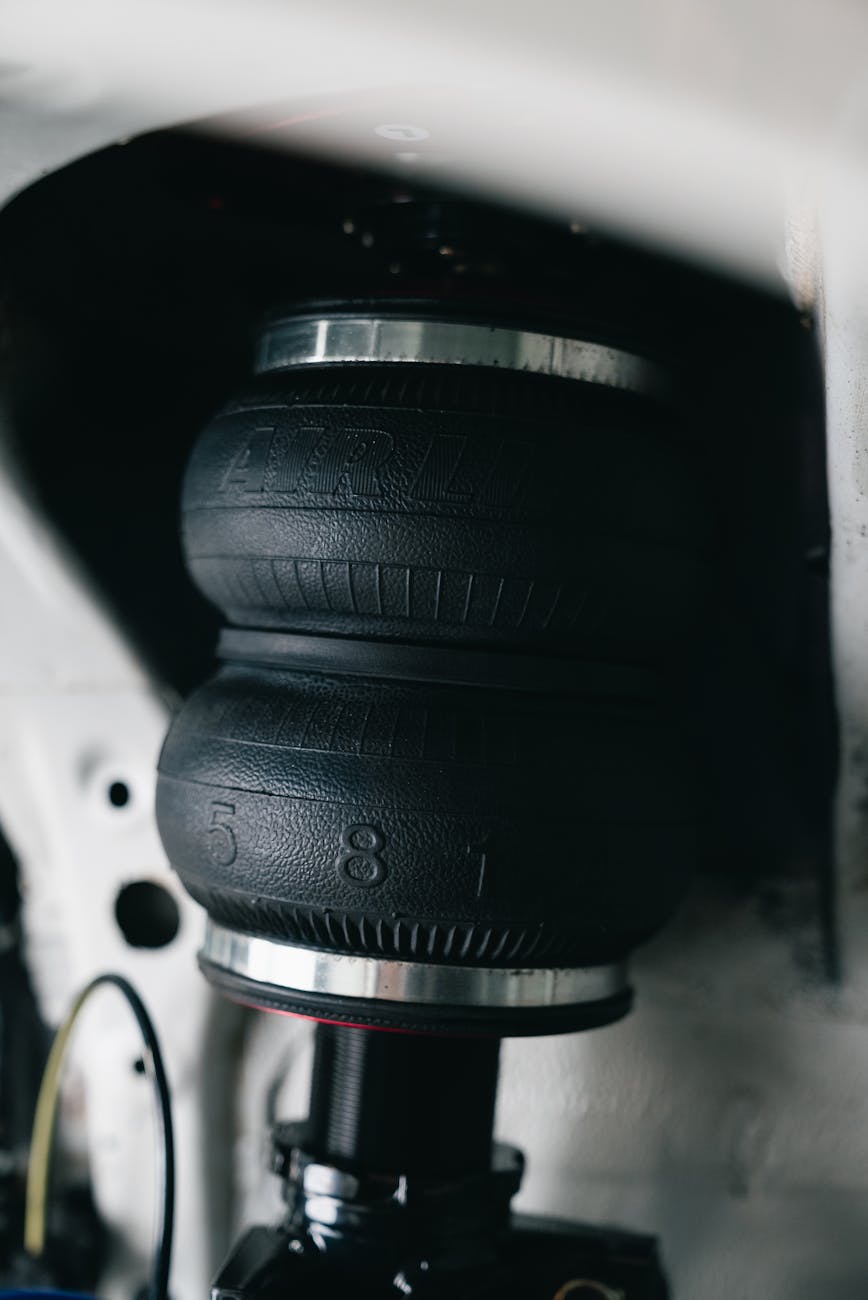
- Leaking air struts (air springs integrated into dampers)
- Rubber bellows can crack with age or get damaged by grit.
- Compressor wear or overheating
- If the system has a leak, the compressor runs more often and can burn out.
- Valve block / distribution manifold faults
- Sticking solenoids or internal leaks can cause uneven height or slow leveling.
- Ride height sensor issues
- Sensor arms can corrode or snap; sensor readings can drift.
- Air lines and fittings
- Small leaks at connectors are common after prior work or corrosion.
- Control module or wiring problems
- Less common, but water ingress or connector corrosion can create intermittent faults.
3. Symptoms
Drivers tend to notice the problem in daily use, especially after the car sits overnight or when switching drive modes.
Typical symptoms:
- “Air suspension fault” message on the dash, sometimes with “Workshop!”
- One corner sits lower after parking, then rises after starting (or doesn’t)
- Car stuck at one height, often in a lowered “limp” setting
- Compressor running loudly or frequently, sometimes after you lock the car
- Uneven ride or harshness, especially if the system is locked in a fail-safe mode
- Height adjustment unavailable, with buttons/menus greyed out
- Headlight leveling warnings (linked to ride height signals on some cars)
4. How to diagnose
A correct diagnosis saves money because “swap the compressor” is often wrong if the real cause is a leak. Ideally, diagnosis is done with ODIS (VW Group’s factory diagnostic platform), though good aftermarket scan tools can still read suspension fault codes and live data.
Step-by-step diagnostic approach
Read fault codes and freeze-frame data (ODIS)
Look for faults relating to:
- Compressor performance/duty cycle
- Reservoir pressure too low/too high
- Level control limits reached
- Specific corner implausible height signal
Check measured values (live data)
With ODIS you can view:
- Individual ride height sensor values
- Reservoir pressure (where applicable)
- Compressor activation time and temperature/protection mode
Visual inspection (simple but essential)
- Inspect each strut for rubber cracks, rubbing marks, or oil leakage from the damper.
- Check sensor link rods for damage and corrosion.
- Look for obvious airline chafing near suspension arms.
Leak testing
- Use a soapy water solution on air lines, fittings, and the air spring bellows.
- A workshop may use a smoke machine or ultrasonic leak detector for small leaks.
Compressor and relay/power supply checks
- Confirm the compressor is receiving correct voltage and the relay isn’t sticking.
- If the compressor runs but pressure doesn’t build, suspect a leak or worn compressor.
5. How to fix
The right fix depends on the failed component and whether the system has been damaged by prolonged leak-induced compressor overwork.
Repairing the air suspension (recommended when the car is otherwise in good condition)
Common repairs:
- Replace a leaking air strut
- Often done per axle pair if mileage is high, but not always necessary.
- Replace or rebuild the compressor
- Some units can be serviced with a dryer kit; others are replaced complete.
- Replace the valve block
- If it’s sticking or bleeding air internally.
- Replace ride height sensors/linkages
- Particularly after winter corrosion or impact damage.
- Repair air lines/fittings
- Sometimes a simple reseat or new O-ring solves an “overnight sag.”
After any hardware repair, the car typically needs:
- Basic settings / calibration using ODIS so the control module learns correct heights.
- A full fault clear and a test drive to confirm it levels correctly under load.
Converting to steel springs (what it really means)
A spring conversion replaces air struts with conventional dampers/springs and usually includes:
- New struts/springs (or coilover-style assemblies)
- Electronics solution to prevent constant warning lights (coding/module or resistors, depending on kit)
- Potential changes to ride height and load leveling characteristics
This can be attractive if multiple air components are failing, but it’s not always straightforward:
- The Touareg was engineered around air suspension options; conversions can affect comfort and resale.
- Insurance/inspection implications vary by country; some regions treat it as a modification requiring declaration.
6. Repair costs
Prices vary across Europe (labour rates, parts sourcing, OEM vs quality aftermarket). Below are realistic ranges for parts + labour.
Air suspension repair (typical scenarios)
- Single air strut replacement (one corner): €900–€1,800
- Parts often €600–€1,400 depending on OEM vs aftermarket; labour typically 2–4 hours plus calibration.
- Front or rear axle pair of air struts: €1,800–€3,400
- Often chosen if the other side is aging and you want balanced response.
- Compressor replacement: €700–€1,500
- Includes relay checks and dryer service; labour often 1.5–3 hours.
- Valve block replacement: €450–€1,200
- Labour 1.5–3 hours; costs depend on access and whether lines need rework.
- Ride height sensor replacement (each): €200–€450
- Often quick, but corrosion can make labour unpredictable.
- System calibration/basic settings (if charged separately): €80–€200
- Many workshops bundle this into the main job.
Steel spring conversion
- Complete conversion kit installed: €1,200–€2,500
- Depends heavily on kit quality and whether coding/modules are included.
- Additional costs to expect:
- Wheel alignment: €80–€150
- Potential coding/time to address warnings: €100–€250
- Possible inspection paperwork (country-dependent): €0–€300+
In simple terms: if you have one failed strut, repairing air is usually sensible. If the car needs struts plus compressor plus valve block, a conversion may be cheaper upfront—but it changes the car.
7. Prevention tips
Air suspension can last a long time if it isn’t forced to compensate for small issues.
- Don’t ignore minor sagging: a small leak can destroy a compressor over time.
- Avoid frequent height cycling when unnecessary (constant up/down strains the system).
- Rinse winter salt from wheel arches and suspension areas when possible.
- Listen for compressor activity after parking; excessive running is an early warning.
- Use correct jacking/lifting procedures and a reputable workshop—damaged air lines often follow sloppy lifting.
- Scan early when a warning appears: ODIS-level data (or a strong aftermarket tool) can reveal the failing corner before it becomes obvious.
8. When to see a mechanic
Seek professional help if:
- The vehicle drops noticeably overnight or leans to one side
- The compressor runs frequently or sounds strained
- The car is stuck in a low/high mode and won’t adjust
- Warning messages persist after restarting
- You tow regularly or rely on the car for long motorway trips—level control matters for safety
A workshop familiar with VW Group diagnostics should use ODIS to run guided fault finding and perform basic settings after repairs. If you’re cross-shopping workshop quality: the right tools and experience matter as much as the part brand.
9. Frequently Asked Questions
Frequently Asked Questions
Is it safe to drive my Touareg CR with an air suspension fault?
If the car is sitting level and driving normally, short trips to a workshop are usually fine, but avoid heavy loads and towing. If one corner is low or the car is stuck very low, driving can damage tyres, wheel arches, or the compressor. Treat it as a “soon” problem, not a “someday” problem.
Why does my Touareg drop overnight but rises after I start it?
That pattern typically points to a slow air leak at a strut, line, or valve block. The system repressurises when the compressor runs after startup, masking the leak temporarily. Leaving it can overwork the compressor and turn a small repair into a large one.
Can a compressor be replaced without fixing leaks?
It can, but it usually shouldn’t be. A new compressor will often fail early if a leak is still present because it will run too frequently and overheat. Proper diagnosis includes leak testing and checking compressor duty cycle data in ODIS.
Will a steel spring conversion cause warning lights or faults?
Most conversions require an electronic solution so the car doesn’t constantly report suspension faults. Good kits include modules or coding guidance, but results vary and some owners still see intermittent warnings. Resale value and insurance declaration requirements should also be considered.
Should I replace one air strut or both on the same axle?
If one strut fails due to an external puncture, replacing a single corner can be reasonable. If the failure is age-related cracking and the mileage is higher, the opposite side may be close behind, so doing both can reduce repeat labour and keep ride balance consistent.