1. Introduction
Seeing an EPC (Electronic Power Control) warning on a VW Tiguan—especially when the car suddenly feels flat, hesitant, or drops into a reduced-power mode—can be worrying and inconvenient. For everyday European car owners, the key is understanding what EPC actually means: it’s not a single “part failed” message, but a warning that the engine management has detected a problem affecting throttle control, torque request, or emissions safety limits.
Recommended Tool: Professional OBD2 Scanner
Recommended Tool: Portable Jump Starter
Recommended Tool: Transmission Diagnostic Tools
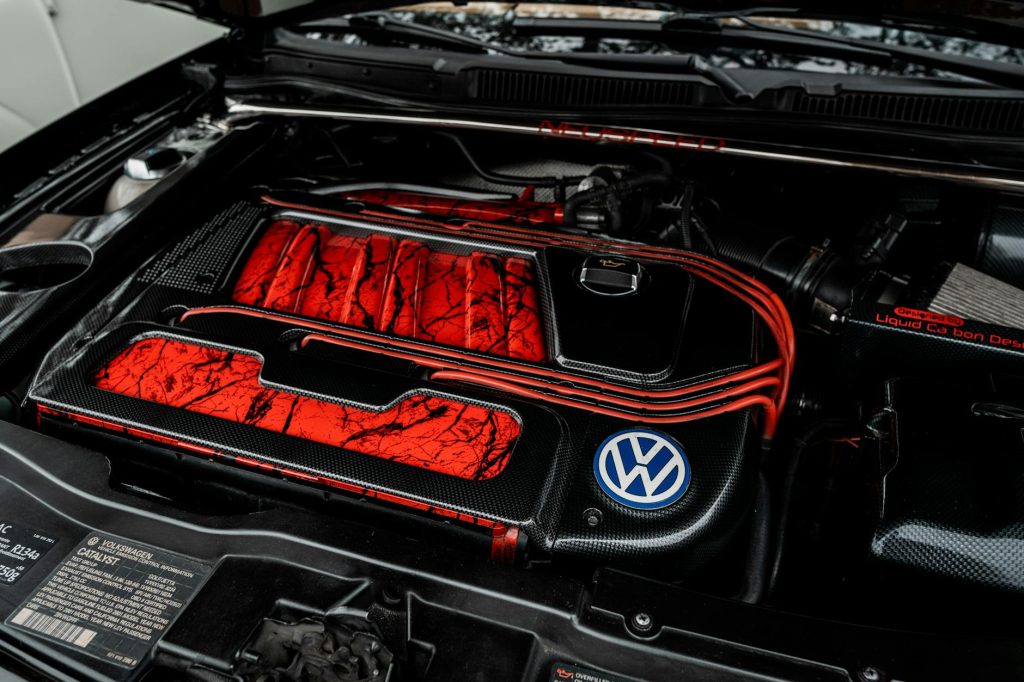
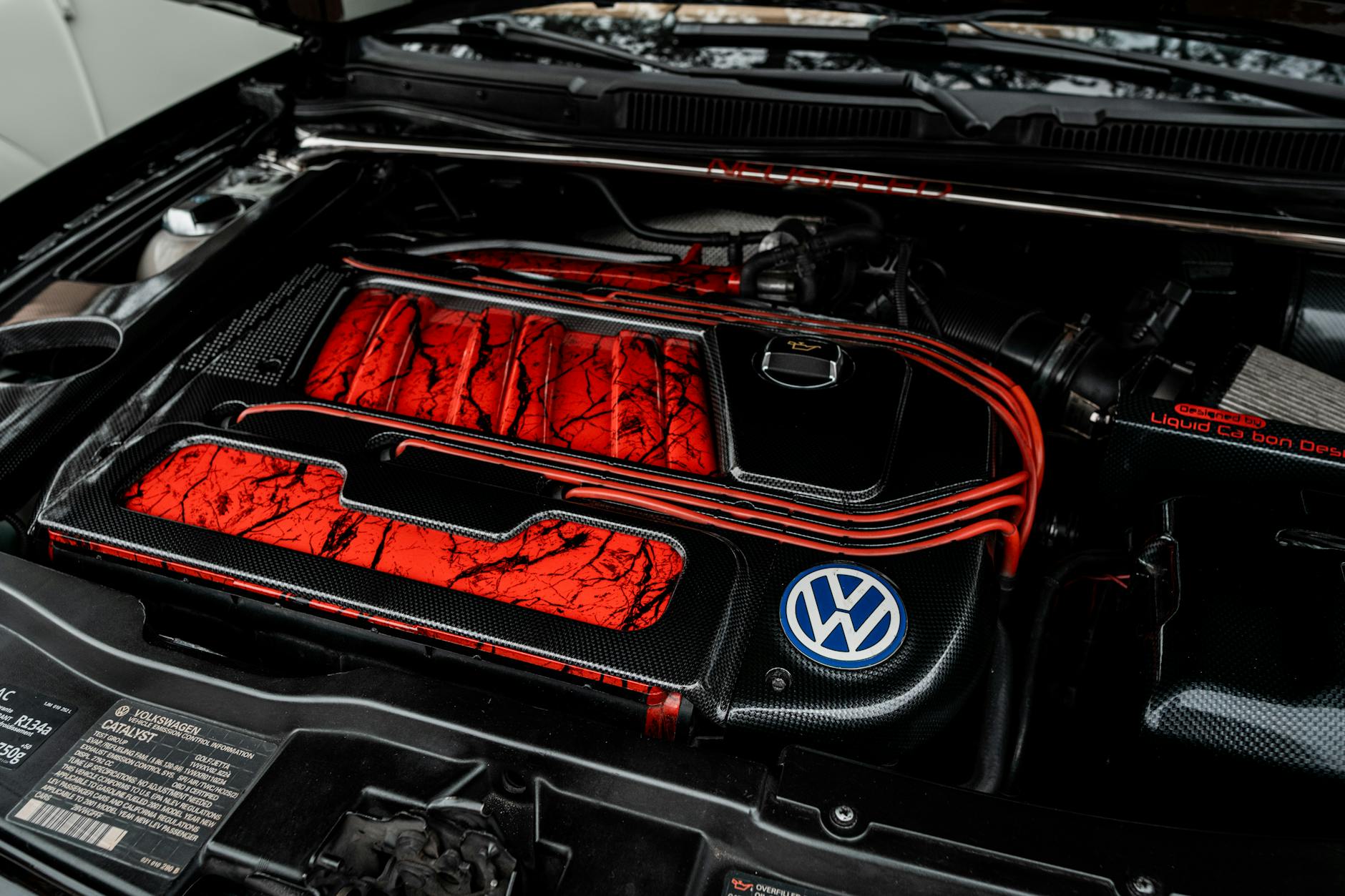
On many VW Group vehicles (VW, Audi, SEAT, Škoda) the EPC light often appears alongside reduced power when the throttle body is sticking, the throttle position signal is implausible, or a related sensor/wiring issue is confusing the ECU. This can happen on common Tiguan engines such as the 1.4 TSI (EA111/EA211), 2.0 TSI (EA888), and 2.0 TDI (EA189/EA288). The car may still drive, but it’s telling you it can’t reliably control airflow and torque—so it limits power to protect the engine, turbo, and catalytic converter/DPF.
🔧 Recommended Professional Tool
EA888 Engine Diagnostic ToolsEssential tools for EA888 engine diagnostics
✔ Recommended by automotive technicians ✔ Suitable for BMW, Mercedes, VAG & JLR platforms ✔ Fast international shipping
2. Causes
An EPC light with power loss on a Tiguan is frequently related to the throttle body or a sensor feeding the ECU bad information. Common causes include:
- Dirty or sticking throttle body
- Carbon and oil vapour deposits can cause the throttle plate to bind or move slower than expected.
- Throttle body motor or internal position sensor failure
- Many throttle bodies are “drive-by-wire” and contain electronics that wear out.
- Accelerator pedal position sensor (APP) issues
- The pedal assembly typically has redundant sensors; disagreement triggers EPC.
- Wiring or connector faults
- Corrosion, loose pins, oil ingress, or rodent damage can create intermittent faults.
- Battery voltage/charging issues
- Low voltage can cause electronic throttle faults or adaptation failures.
- Boost/airflow-related faults that look like throttle problems
- Charge pipe leaks, diverter valve issues (common on EA888), or a sticky EGR (more common on TDI) can cause torque control faults that illuminate EPC.
- Software/adaptation problems
- After a battery disconnect, throttle adaptation may not complete, or the ECU may need an update in some cases.
3. Symptoms
EPC with power loss doesn’t always feel the same, but typical symptoms include:
- Reduced power / limp mode, especially under acceleration or when joining traffic
- Delayed throttle response (press the pedal, engine reacts late)
- Hesitation, surging, or jerking at steady speed
- Rough idle or unstable idle speed
- Stalling when coming to a stop (less common, but possible)
- Cruise control disabled
- Sometimes Check Engine Light (MIL) also appears
- On DSG-equipped cars, odd shift behaviour (because engine torque is being limited)
4. How to diagnose
A correct diagnosis matters because “EPC + power loss” can be caused by several systems. Guessing and swapping parts can get expensive.
Step 1: Read fault codes properly
Use a VW-capable scan tool. Generic OBD readers may show a vague P-code but miss VW-specific detail. Ideally use:
- ODIS (dealer-level)
- A strong aftermarket VW tool that can read measuring blocks and perform adaptations
Look for faults such as:
- P0121/P0122/P0123 (throttle position sensor range/performance)
- P0221/P0222 (throttle/pedal sensor plausibility)
- P2101/P2111/P2112 (throttle actuator control, stuck open/closed)
- P2138 (pedal position sensor correlation)
Step 2: Check live data (measuring blocks)
Key values to compare:
- Accelerator pedal sensor 1 vs sensor 2 (should track closely)
- Throttle angle requested vs actual
- Throttle adaptation status
- Battery voltage at idle (a weak battery can create odd electronic faults)
If requested throttle changes but actual throttle lags, sticks, or jumps, the throttle body is suspicious. If pedal signals disagree, focus on the pedal sensor and wiring.
Step 3: Visual inspection
With ignition off:
- Inspect the throttle body connector for broken tabs, water ingress, oil contamination
- Check intake hoses for splits or loose clamps (boost leaks can cause torque control errors)
- On TDI models, inspect for EGR/air path contamination if symptoms include smoke or hunting idle
Step 4: Basic functional checks (where appropriate)
- Ensure the battery is healthy (many VW Group faults appear when voltage dips).
- If you clean or replace the throttle body, you’ll usually need a throttle adaptation using a suitable diagnostic tool.
5. How to fix
The fix depends on what you find in codes and live data. Common solutions:
Throttle body cleaning (when sticking/dirty)
If the throttle body is mechanically sticky due to deposits:
- Remove intake piping
- Use throttle body cleaner and a soft cloth
- Avoid forcing the throttle plate aggressively (some designs are sensitive)
After cleaning, perform throttle adaptation with a proper tool so the ECU relearns positions.
Throttle body replacement (when actuator/sensor fails)
Replace the unit if you have:
- “Stuck open/closed” type faults (P2111/P2112)
- Implausible throttle position readings
- Repeat EPC events after cleaning and adaptation
Use a quality part (OEM or reputable supplier). Cheap copies can cause repeat issues.
Accelerator pedal sensor replacement
If fault codes point to pedal correlation (e.g., P2138) and live data shows mismatch:
- Replace the pedal module (often supplied as one unit)
- Inspect and secure wiring to prevent chafing
Repair wiring/connectors
Intermittent EPC lights often come from:
- Loose pins
- Corroded connectors
- Harness rubbing through near the engine or battery tray
A good shop will do a wiggle test while monitoring live data to catch dropouts.
Fix underlying airflow/boost issues
If throttle values look normal but power is limited:
- Pressure test intake/boost system
- Check diverter valve (EA888 petrol)
- Check EGR function (TDI) and related sensors (e.g., MAP)
6. Repair costs
Real-world European pricing varies by country and labour rate, but typical ranges (parts + labour) are:
- Throttle body clean + adaptation: €120–€250
(Often 1–2 hours including diagnostics; may be cheaper if done alongside other intake work.) - Throttle body replacement + adaptation: €350–€850
(Part €180–€550 depending on engine; labour typically 1.5–3 hours.) - Accelerator pedal sensor/module replacement: €200–€500
(Part €120–€300; labour 0.5–1.5 hours.) - Wiring/connector repair: €120–€450
(Cost depends heavily on time to locate the fault.) - Boost leak fix (hose/pipe/clamps): €100–€400
(Pressure testing time plus parts.)
If the EPC event is linked to broader issues (EGR on TDI, turbo control faults, heavy carbon build-up), costs can rise. A proper diagnostic session is money well spent before buying parts.
7. Prevention tips
You can’t prevent every electronic failure, but you can reduce the chances of EPC-related power loss:
- Keep the battery healthy and replace it before it becomes weak; low voltage causes strange faults.
- Use quality fuel and correct oil to reduce intake deposits (especially on direct-injection petrol engines like EA888).
- Fix vacuum/boost leaks early—small leaks often become bigger and trigger torque control issues.
- Avoid short-trip-only driving where possible; it increases moisture and deposits.
- If you’ve disconnected the battery or replaced parts, ensure adaptations are performed when required.
8. When to see a mechanic
Book a professional diagnosis if:
- The EPC light returns repeatedly after clearing
- The car enters limp mode in traffic or while overtaking
- Idle is unstable, the engine stalls, or the car feels unsafe to drive
- You see multiple related faults (throttle + pedal + voltage), suggesting a wiring or control issue
A VW specialist with ODIS (or an equivalent VW-capable tool) can quickly check adaptations, run guided fault finding, and confirm whether the throttle body is truly at fault or just reacting to another problem.
9. Frequently Asked Questions
Frequently Asked Questions
Can I keep driving with the EPC light and reduced power?
You can often limp home carefully, but it’s not ideal. Reduced power means the ECU can’t reliably control torque, and the problem may worsen without warning. If the car hesitates badly, stalls, or struggles to accelerate safely, stop driving and arrange recovery.
Is the throttle body always the cause of EPC on a VW Tiguan?
No. While the throttle body is common, EPC can also be triggered by the accelerator pedal sensor, wiring faults, low voltage, or airflow/boost issues. Reading VW-specific fault codes and comparing requested vs actual throttle position is the quickest way to narrow it down.
Will cleaning the throttle body definitely fix the problem?
Cleaning helps if the throttle plate is sticking due to deposits, but it won’t fix a failed actuator motor or faulty position sensor inside the unit. If EPC returns quickly after cleaning and adaptation, replacement is more likely.
Do I need a throttle adaptation after cleaning or replacing the throttle body?
Usually yes. The ECU needs to relearn the throttle’s end stops and behaviour, and this is best done with a VW-capable diagnostic tool. Skipping adaptation can cause rough idle, EPC reappearing, or inconsistent throttle response.
Why does the EPC light sometimes appear only intermittently?
Intermittent EPC is often wiring/connector related, or linked to borderline sensor signals that occasionally fall outside expected values. Temperature changes, vibration, and moisture can make a weak connection act up. A shop can often reproduce it by monitoring live data and performing targeted checks.