1. Introduction
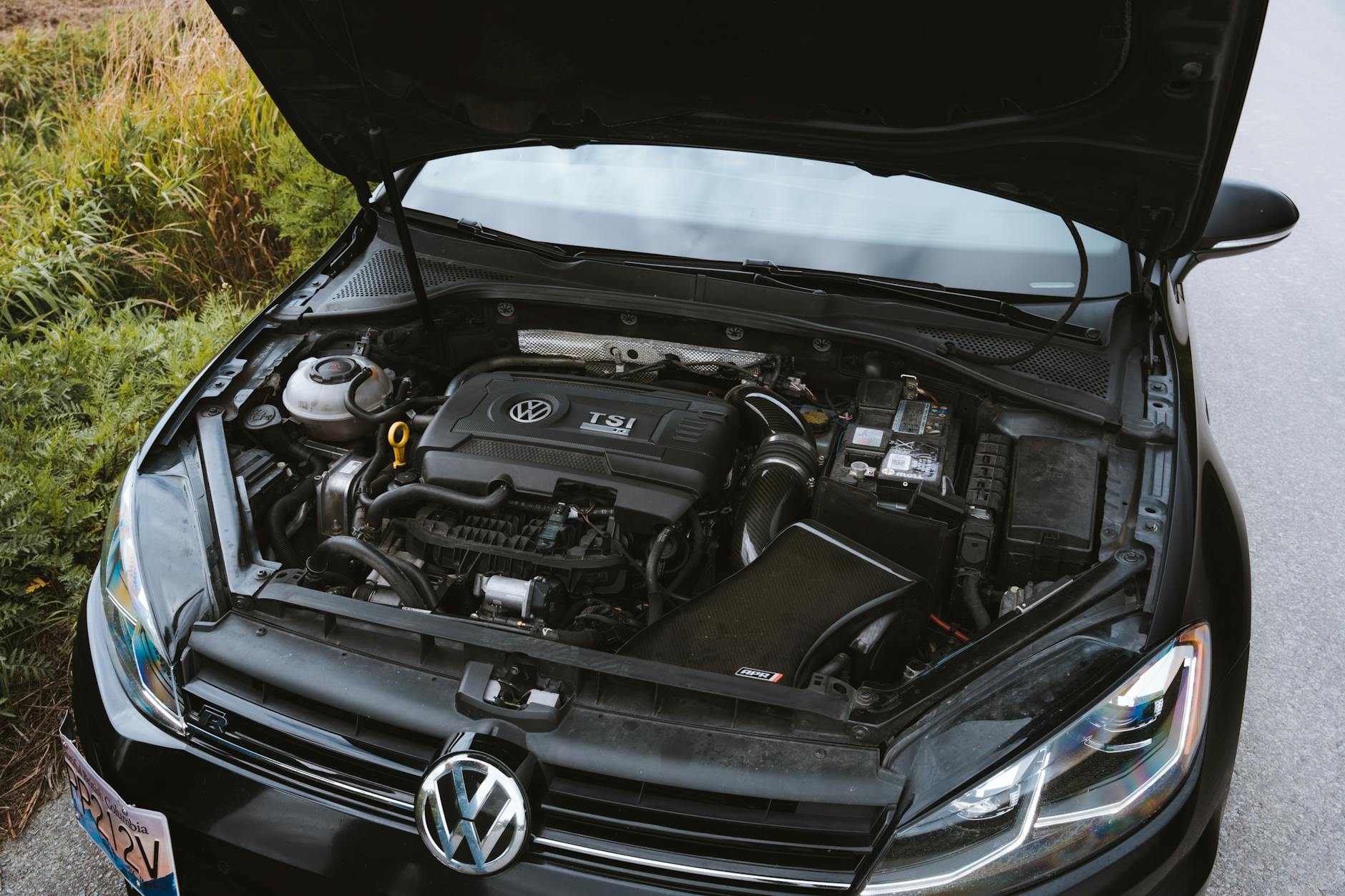
Modern turbo-petrol engines are designed to be smooth and efficient, so when a VW T-Roc 1.5 TSI starts stalling, it’s more than an annoyance—it’s a safety concern. The 1.5 TSI (commonly found as the EA211 evo family, often paired with a 6‑speed manual or a 7‑speed DSG such as the DQ200) relies on precise air, fuel, ignition, and software control. A small fault that might only cause a slight hesitation on older engines can be enough to shut this engine down at idle or during low-speed manoeuvres.
Recommended Tool: Professional OBD2 Scanner
Recommended Tool: Portable Jump Starter
Recommended Tool: Transmission Diagnostic Tools
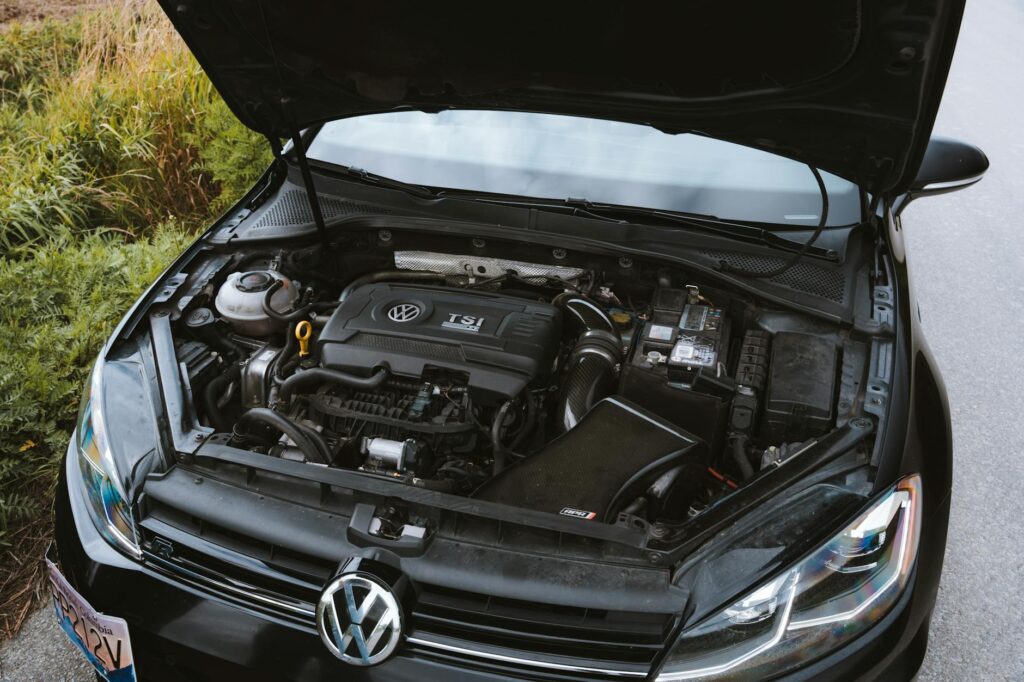
This guide is written for everyday European car owners, especially those familiar with the “premium” world of BMW, Mercedes, Audi/VW Group, and JLR. The approach is practical: what typically causes stalling on the 1.5 TSI, what you’ll notice, what checks you can do safely, how a workshop should diagnose it (often with ODIS for VW Group), and what repairs usually cost.
🔧 Recommended Professional Tool
DSG Transmission Service KitProfessional tools for DSG gearbox service
✔ Recommended by automotive technicians ✔ Suitable for BMW, Mercedes, VAG & JLR platforms ✔ Fast international shipping
2. Causes
Engine stalling on the VW T-Roc 1.5 TSI is usually triggered by one or more of the following:
Software and calibration issues
- ECU (engine computer) software versions that manage idle control, start/stop behaviour, and low-speed torque can be sensitive.
- T-Roc models have had updates in some markets that improve drivability and reduce “cut-out” events at junctions or parking speeds.
Air and vacuum faults
- Small air leaks after the MAF/MAP readings (intake piping, PCV system hoses) can make idle unstable.
- Throttle body contamination or adaptation issues can upset idle control.
Fuel delivery or fuel quality
- Low fuel pressure issues (in-tank pump or high-pressure fuel pump control) can cause stalls, particularly when hot or under light load.
- Poor fuel or water contamination is rare but can mimic more complex faults.
Ignition misfires at idle
- Worn spark plugs or weak coil packs often show up first at idle or during start/stop restarts.
- Misfires can cause the ECU to cut torque aggressively, sometimes resulting in a stall.
DSG-related creep/idle load (if equipped)
- On DSG (often DQ200), incorrect clutch adaptation, mechatronics issues, or excessive drag at idle can contribute to stalling-like behaviour when selecting Drive/Reverse or creeping in traffic.
- This is less “engine stalling” and more an interaction between engine idle control and drivetrain load.
Sensor and actuator faults
- MAP sensor, intake air temperature sensor, crankshaft position sensor, or throttle actuator issues can cause sudden cut-outs.
- Battery voltage drops (weak battery or charging issues) can destabilise start/stop operation and idle control.
3. Symptoms
Stalling rarely happens without other clues. Common signs include:
- Engine cuts out when approaching a junction or roundabout, especially after braking and clutch-in (manual) or when rolling to a stop (DSG).
- Rough idle, hunting (idle surging up and down), or vibration at standstill.
- Start/stop restarts that feel delayed or “lazy,” sometimes followed by a stall.
- Intermittent EPC light, engine light, or “Start/Stop system error” messages.
- Hesitation when pulling away, especially in first gear or during parking manoeuvres.
- On DSG cars: a lurch, shudder, or delayed engagement into D/R before the stall event.
4. How to diagnose
A good diagnosis avoids guessing and parts-swapping. You can do a few owner-level checks, but proper fault-finding is typically done with VW Group diagnostics (ODIS) or a capable aftermarket scan tool.
Owner checks (safe, quick)
- Battery health: If start/stop is acting oddly, check battery age and whether the car cranks slower than usual. Many idle and restart complaints trace back to low voltage.
- Fuel quality: If the issue started right after refuelling, try a different station and run the tank down before refilling.
- Visual intake inspection: Look for loose clamps, cracked hoses, or oil mist around joints that can indicate a leak.
Workshop checks (what to ask for)
A competent garage should:
- Scan for fault codes and freeze-frame data with ODIS (or equivalent), not just a generic OBD reader. Freeze-frame shows the conditions when the stall was detected.
- Check misfire counters and live data at idle: fuel trims, MAP readings, throttle angle, and idle control values.
- Test battery and charging system under load. Start/stop systems are voltage-sensitive.
- Smoke-test the intake system to find small vacuum/boost leaks.
- Verify software level and TPI/TSB updates (technical bulletins) for known drivability issues.
- If DSG-equipped: read transmission faults and check clutch adaptations. A gearbox issue can masquerade as an engine problem.
If you’re coming from BMW/Mercedes/JLR ownership: think of this like using ISTA/Xentry/Pathfinder/SDD to check guided test plans. VW’s equivalent workflow is ODIS with guided functions and adaptation procedures.
5. How to fix
Fixes depend on the root cause. The most common repair routes are:
ECU software update / recalibration
If VW has an updated calibration addressing idle stability or start/stop behaviour, this can be the cleanest fix. A dealership or VW specialist using ODIS can confirm and apply it.
Ignition service (plugs and/or coils)
If live data shows misfires (even without a constant engine light), replacing spark plugs to the correct spec is often step one. Coils are replaced if misfires follow a specific cylinder or remain after plugs.
Intake/throttle body cleaning and adaptation
A dirty throttle body or incorrect adaptation values can cause unstable idle. Cleaning must be followed by the proper throttle adaptation procedure via diagnostics.
Repair intake leaks or PCV-related issues
Replacing a split hose, failed PCV valve assembly, or leaking intake gasket can stabilise fuel trims and idle.
Fuel pressure diagnosis and repair
If low pressure is confirmed, repairs may include:
- In-tank fuel pump replacement
- High-pressure pump control issues (less common, but possible)
- Fuel filter/regulator solutions depending on the specific setup
DSG adaptation or mechatronics repair (if relevant)
If stalling happens primarily when selecting gear or creeping, a DSG service action may be needed:
- Basic settings / clutch adaptation using ODIS
- In more severe cases, mechatronics repair or replacement
6. Repair costs
Prices vary by country and labour rates, but these are realistic European ranges for parts + labour:
- Diagnostic scan + live data session: €80–€180
- ECU software update (dealer/specialist): €60–€200 (sometimes included in a service campaign)
- Spark plugs (set) replacement: €180–€350
- Ignition coils (one or set): €90–€150 each fitted, or €350–€700 for a set
- Smoke test + minor hose/clamp repair: €150–€350
- Throttle body clean + adaptation: €120–€250
- MAP/temperature sensor replacement: €120–€280
- In-tank fuel pump replacement: €450–€900
- DSG (DQ200) adaptation/basic settings: €120–€250
- DSG mechatronics repair/replacement: €1,200–€2,500
A key point: stalling can be “cheap” if it’s software, plugs, or an air leak—but expensive if it turns into a DSG mechatronics or fuel pump issue. Proper diagnosis is what keeps it in the cheaper category.
7. Prevention tips
You can’t prevent every electronic or software-related issue, but you can reduce risk:
- Use good-quality fuel and avoid repeatedly running the tank very low.
- Follow spark plug intervals and use the correct plug type and gap spec for the 1.5 TSI.
- Keep the battery healthy: If your battery is 4–6 years old and start/stop is inconsistent, test it before winter.
- Don’t ignore small hesitations: Early attention to minor misfires or rough idle can prevent roadside stalling.
- Service with specialists familiar with VW Group diagnostics: ODIS-based adaptations and updates matter on these cars.
8. When to see a mechanic
Book a workshop visit promptly if:
- The car stalls in traffic, at junctions, or during parking manoeuvres.
- The EPC light or engine light appears, even if it goes away.
- Restarting becomes difficult or the engine cuts out repeatedly on the same journey.
- You notice strong fuel smells, abnormal noises from the fuel tank area, or persistent rough idle.
If stalling is frequent, avoid driving until it’s checked. A stall when turning across traffic is a genuine safety risk, and repeated cut-outs can also stress the starter system and battery.
9. Frequently Asked Questions
Frequently Asked Questions
Is the VW T-Roc 1.5 TSI stalling issue usually mechanical or software-related?
It can be either, but many cases involve calibration/idle control behaviour or start/stop logic that improves with updated ECU software. Mechanical causes like air leaks or ignition misfires are also common and should be ruled out with proper diagnostics. A workshop using ODIS can quickly identify whether updates or adaptations are available.
Can a weak battery really cause stalling on a modern TSI?
Yes, especially on cars with start/stop and many electrical loads. Low voltage can disrupt stable idle control and lead to poor restart behaviour that feels like stalling. A battery load test is a simple, worthwhile first step.
Will replacing spark plugs fix stalling even if there’s no engine warning light?
It can. Misfires at idle don’t always trigger a constant warning light right away, but they can still destabilise the engine enough to stall. Checking misfire counters and fuel trims helps confirm whether ignition service is justified.
Could the DSG gearbox be responsible for the engine cutting out?
In some cases, yes—particularly if the problem occurs when selecting Drive/Reverse or creeping in stop-start traffic. Incorrect clutch adaptation or mechatronics issues can overload the engine at idle. Reading gearbox fault codes and performing DSG basic settings can clarify this.
Is it safe to keep driving if the stalling is intermittent?
It’s not advisable, because intermittent stalling can become sudden and more frequent without warning. The risk is highest at junctions, roundabouts, and during low-speed manoeuvres. Arrange diagnosis soon and avoid situations where a stall could put you in danger.