1. Introduction
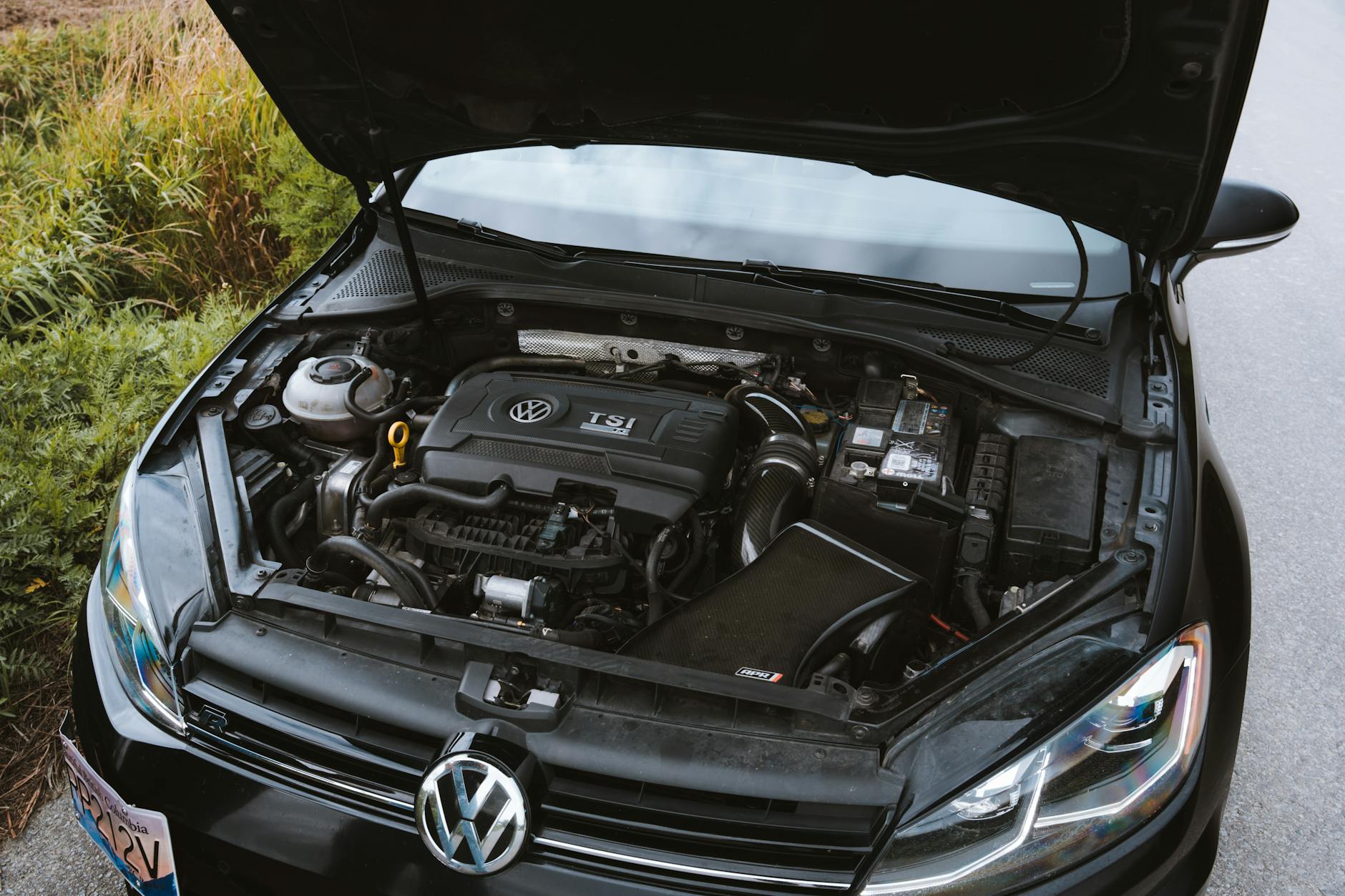
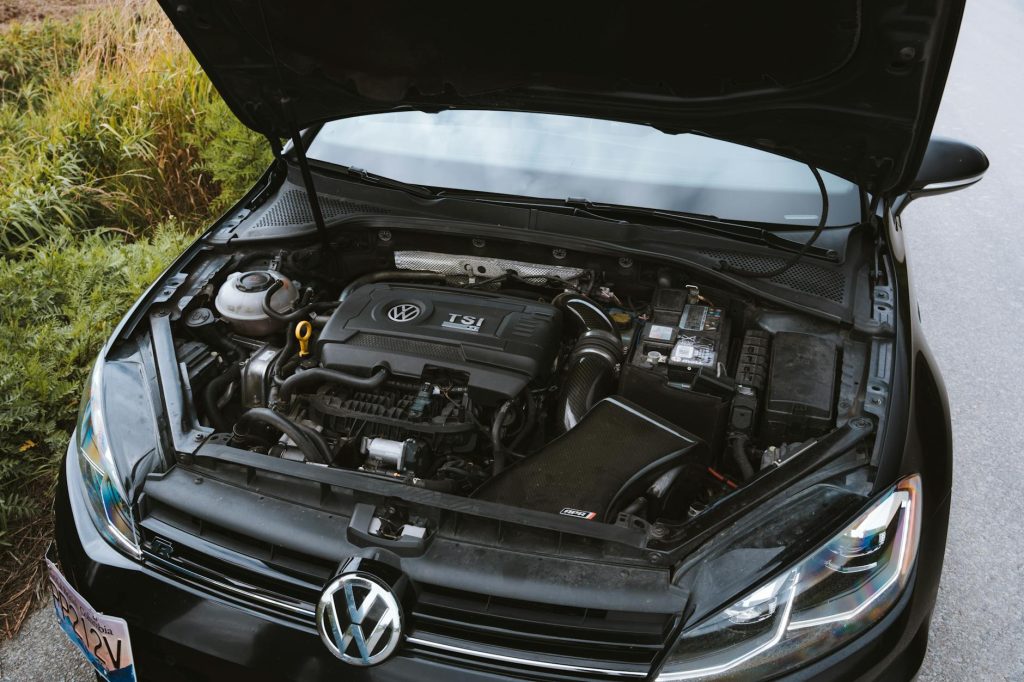
A rough idle paired with an EPC light on a VW Polo 1.0 TSI is one of those problems that can feel minor at first—until the car starts shaking at traffic lights or drops into reduced power on the motorway. On most European-market Polos with the 1.0 TSI (commonly the EA211 family, such as engine codes CHZC, CHZD, DKRF, DKLA depending on year and output), the EPC (Electronic Power Control) warning means the engine management has detected a fault affecting throttle, ignition, fueling, or air control. Because these systems are tightly linked on modern VW Group cars—often with a DSG (DQ200 7-speed dry clutch) or manual gearbox—the same underlying issue can trigger multiple symptoms.
Recommended Tool: Professional OBD2 Scanner
Recommended Tool: Cooling System Diagnostic Tools
Recommended Tool: Transmission Diagnostic Tools
This article explains the most common causes, what you’ll feel as a driver, how diagnosis is approached using VW Group tools like ODIS (and common code readers), and what repairs typically cost in Europe.
🔧 Recommended Professional Tool
DSG Transmission Service KitProfessional tools for DSG gearbox service
✔ Recommended by automotive technicians ✔ Suitable for BMW, Mercedes, VAG & JLR platforms ✔ Fast international shipping
2. Causes
Rough idle + EPC on the 1.0 TSI is usually driven by misfires, air leaks, or sensor/actuator control problems. Common real-world causes include:
- Ignition coil or spark plug failure
- Coil packs can weaken intermittently, especially under heat soak.
- Incorrect plug type or worn plugs can cause misfire counts at idle.
- Carbon and deposits on the intake valves (some cases)
- Direct injection can allow deposits to build over time, though it’s typically less severe than older DI engines.
- Vacuum/boost leaks
- Split PCV/breather hoses, loose intake clamps, or charge pipe leaks can upset idle control.
- Faulty throttle body or throttle adaptation issue
- The EPC system monitors throttle angle plausibility; contamination or adaptation errors can trigger warnings.
- MAP/MAF sensor issues (depending on exact variant)
- A drifting pressure sensor can skew fueling at idle.
- Fuel delivery problems
- Low-pressure fuel pump issues, clogged fuel filter (where serviceable), or injector imbalance can cause a shaky idle.
- Injector faults (sticking/leaking)
- A leaking injector can cause rich running, rough idle, and fuel smell; a sticking injector can cause lean misfires.
- Engine timing/actuator issues (less common but important)
- Variable valve timing actuator faults or timing correlation issues can trigger EPC and misfires.
- Software updates and known calibration issues
- Some cars benefit from ECU software updates that refine idle control and misfire detection thresholds.
3. Symptoms
Drivers typically notice a combination of the following:
- Rough, lumpy idle—often worse when cold or with electrical load (lights, heated rear window)
- EPC light, sometimes accompanied by the check engine light
- Hesitation pulling away from a stop, or a “flat spot” at low rpm
- Reduced power / limp mode in more severe cases
- Higher fuel consumption and a petrol smell (possible rich running)
- Misfire feeling under light throttle, especially around 1,200–2,000 rpm
- Stop-start system disabling itself (common when faults are present)
If the car shakes heavily or the EPC appears with flashing engine light, avoid hard driving—persistent misfires can damage the catalytic converter.
4. How to diagnose
Start with simple checks, then move to guided diagnostics. A good independent VW specialist will typically use ODIS; some workshops may use VCDS or other VAG-compatible tools. The goal is not just reading codes—it’s understanding freeze-frame data and live values.
Basic owner-level checks (safe and quick)
- Check if the issue is cold-only or also at operating temperature.
- Listen for hissing (air leak) around the intake and PCV area.
- Inspect for obvious loose hoses, cracked breather lines, or disconnected vacuum lines.
- If you recently had plugs replaced, confirm the correct spark plug spec and gap for your engine code.
Scan for fault codes and live data
Using ODIS (or a quality scanner), look for:
- Misfire codes (e.g., P0300 random misfire, P0301–P0303 cylinder-specific)
- Throttle/EPC-related codes (throttle position plausibility, actuator range)
- Fuel trim faults (system too lean/rich at idle)
- Boost pressure plausibility or MAP sensor codes
Key live data to review:
- Misfire counters per cylinder at idle
- Short- and long-term fuel trims (high positive trims suggest air leak; high negative suggests rich condition/leaking injector)
- Idle stability (rpm fluctuation), throttle angle, and MAP readings
- Low-pressure fuel supply values (if available)
Targeted tests a workshop may perform
- Swap ignition coils between cylinders to see if the misfire “moves”
- Smoke test for intake/vacuum leaks
- Throttle body inspection and adaptation/reset in ODIS
- Injector balance test and, if required, leak-down evaluation
- Compression test if misfire persists without a clear ignition/fueling cause
5. How to fix
Repairs depend on what the diagnostic steps reveal. Common fixes include:
Ignition service (most common)
- Replace spark plugs with the correct OEM specification
- Replace one coil (if a single cylinder is affected) or all coils (if multiple are weak or age-related)
Fix air leaks / PCV faults
- Replace cracked PCV/breather hoses or seals
- Tighten or replace intake/boost clamps and hoses
- After repair, clear codes and verify fuel trims normalize
Throttle body cleaning and adaptation
- Light contamination can be cleaned carefully (proper procedure matters)
- Perform throttle adaptation/basic settings in ODIS to restore correct control values
Sensor replacement (MAP/MAF as applicable)
- Replace the faulty sensor only after confirming plausibility issues in live data
- Clear adaptations and recheck idle behavior
Fuel system repairs
- Replace weak low-pressure pump if supply pressure drops at idle/load
- Injector cleaning may help mild deposits, but faulty injectors usually need replacement
- After injector work, ensure coding/adaptation is done if required for the variant
Software update
- If there’s a known calibration update, a dealer or VAG specialist can flash the ECU. This won’t fix hardware faults, but it can improve idle stability and prevent false triggers.
6. Repair costs
Typical Europe-wide estimates (parts + labour), varying by country and workshop rates:
- Spark plugs (set): €120–€250
- Ignition coil (single): €90–€180
- Ignition coils (set): €250–€500
- Smoke test + minor hose repair: €120–€300
- PCV/breather hose replacement: €150–€400
- Throttle body clean + adaptation: €120–€280
- Throttle body replacement: €300–€650
- MAP/MAF sensor replacement: €150–€350
- Injector replacement (one injector): €350–€700
- Multiple injectors: €900–€2,000
- Low-pressure fuel pump: €350–€900
- ECU software update/diagnostic session (ODIS): €80–€180
If the car has a DSG (DQ200) and the engine is misfiring, it can feel like a gearbox issue (judder or harsh engagement), but the root cause is often engine-side. A good diagnostic session avoids unnecessary DSG work.
7. Prevention tips
You can reduce the chances of rough idle and EPC warnings with a few habits:
- Use high-quality fuel and avoid running the tank extremely low repeatedly.
- Stick to sensible oil change intervals (many owners shorten long-life intervals), using the correct VW oil spec.
- Replace spark plugs on time; don’t stretch intervals if you do lots of short trips.
- Let the engine reach operating temperature regularly—constant short journeys increase deposits and condensation.
- Address small drivability changes early; an occasional stumble can become a persistent misfire.
8. When to see a mechanic
Book a proper diagnosis if:
- The EPC light returns after clearing codes
- The engine light flashes or the car goes into limp mode
- The idle is rough enough to shake the car or stall
- You smell fuel, notice heavy black soot, or the oil level rises (possible fuel dilution)
- Misfires persist after basic ignition parts are replaced
Choose a workshop familiar with VW Group diagnostics and ideally equipped with ODIS for guided fault finding and correct adaptations.
9. Frequently Asked Questions
Frequently Asked Questions
Can I keep driving with a rough idle and EPC light on my Polo 1.0 TSI?
You can sometimes drive gently to a workshop, but avoid hard acceleration and high speeds. Persistent misfires can overheat and damage the catalytic converter, turning a moderate repair into an expensive one. If the engine light is flashing, stop driving and arrange recovery.
What fault codes usually appear with rough idle and EPC on the 1.0 TSI?
Common codes relate to misfires (P0300 and cylinder-specific P0301–P0303), air/fuel mixture control, or throttle plausibility. The exact code list depends on engine code and ECU version, which is why freeze-frame and live data are important. A proper scan with ODIS often points to the correct test plan.
Is this more likely spark plugs/coils or something more serious?
In many cases it’s ignition-related, especially if the issue is intermittent and worse under load or after a cold start. However, air leaks, injector issues, and throttle adaptation problems can produce very similar symptoms. Diagnosis should confirm misfire patterns and fuel trims before replacing multiple parts.
Will an ECU software update fix the EPC light and rough idle?
A software update can improve idle control and resolve known calibration issues, but it won’t fix failing coils, leaking injectors, or air leaks. If faults return quickly after an update, a hardware issue is likely still present. A good workshop will confirm whether updates apply to your VIN and ECU part number.
Why does it sometimes feel like a DSG problem when the engine is misfiring?
A misfire causes uneven torque delivery, which can make take-off feel jerky and lead to odd shift behavior. The DSG is reacting to unstable engine output, not necessarily failing itself. Fixing the engine-side fault often restores smooth gearbox behavior without any DSG repairs.